What Does a Compressor Do and Why It Matters So Much
A compressor pulls in air and squeezes it into a smaller space, building up pressure that powers tools, fills tires, and runs equipment. Whether you need a small portable compressor for home garage jobs or a big industrial compressor machine for a construction site, understanding how it works helps you get the job done right. This guide covers everything from basic compressed air principles to real-world compressor uses so you can make a smart choice.
You have probably seen a compressor at a gas station, in a workshop, or sitting in the corner of a job site. But what does a compressor do, really? At its core, a compressor takes in air from the surrounding environment and squeezes it into a smaller volume. This process builds pressure and stores energy that can be used to power all kinds of tools and machines.
If you have ever wondered why compressors are so essential in workshops, factories, and even home garages, you are in the right place. This guide breaks down the compressor function in plain language, explores the different types available, and gives you practical advice on choosing the right one. By the end, you will understand exactly why this machine matters so much.
A compressor is not just one single device. It comes in many shapes and sizes, from a tiny portable compressor you can carry in one hand to massive industrial units that fill entire rooms. No matter the size, the basic principle stays the same. Air goes in, gets compressed, and comes out under high pressure ready to do work.
Key Takeaways
- Core Function: A compressor takes in air and pressurizes it, converting power into stored energy that drives tools and equipment.
- Multiple Types: From piston and rotary screw to portable and tankless models, there is a compressor type for every need and budget.
- Wide Range of Uses: Compressors power pneumatic tools, fill tires, spray paint, and support industrial manufacturing processes.
- Key Specs Matter: PSI, CFM, horsepower, and tank size determine which compressor size fits your tasks.
- Maintenance Extends Life: Regular care like draining the tank and checking filters keeps your compressor machine running smoothly for years.
📑 Table of Contents
- How Does a Compressor Work?
- Types of Compressors You Will Encounter
- Common Compressor Uses in Everyday Life
- How to Choose the Right Compressor for Your Needs
- Maintenance Tips to Keep Your Compressor Running Strong
- Quick Tips for Getting the Most Out of Your Compressor
- Common Mistakes People Make With Compressors
- Expert Insights on Choosing and Using Compressors
- How Compressors Compare to Other Power Equipment
- Why a Compressor Matters So Much
- Final Thoughts
How Does a Compressor Work?
The Basic Principle of Compression
The idea behind a compressor is simple but brilliant. Think of it like squeezing a balloon. When you push on the balloon, the air inside gets packed tighter into a smaller space. A compressor machine does the same thing, but in a controlled way that creates usable energy.
Here is how it works step by step:
- The compressor draws in ambient air through an intake valve.
- A motor or engine drives a pump that reduces the volume of that air.
- The compressed air gets stored in a tank or delivered directly to a tool.
- When you release the air, the built-up pressure powers whatever is connected to it.
This process converts mechanical energy into compressed air energy. That energy is what makes pneumatic tools, paint sprayers, and inflation nozzles work so well.
Key Components Inside a Compressor
Every compressor has a few essential parts that make the magic happen:
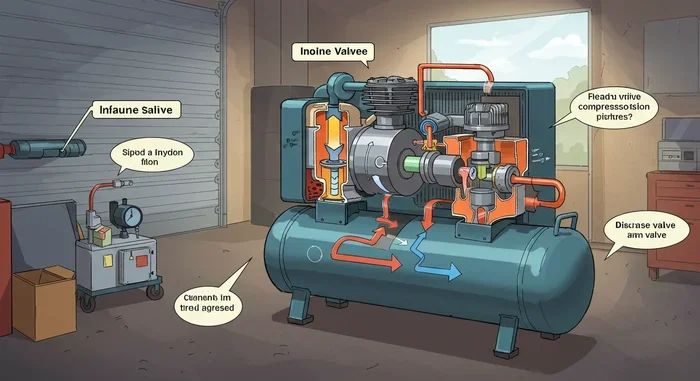
- Motor or Engine: This provides the power to drive the pump. Electric motors are common for home use, while gas engines are typical for portable and industrial models.
- Compression Pump: This is the heart of the machine. It draws in air and squeezes it down to the desired pressure level.
- Tank: Many compressors store compressed air in a tank so you have a reserve of pressurized air ready to go.
- Pressure Switch: This automatic switch turns the motor on and off to maintain the right air pressure inside the tank.
- Regulator and Hose: These control how much pressure reaches your tool and deliver the air where you need it.
Understanding these parts helps you troubleshoot problems and choose the right machine for your needs. For example, if you need steady airflow without waiting for a tank to refill, a tankless compressor might be a better fit than a traditional tank model.
Types of Compressors You Will Encounter
Reciprocating (Piston) Compressors
This is the most common type you will find in home garages and small workshops. A piston compressor uses a back-and-forth motion to compress air. These machines are reliable, affordable, and great for tasks like powering pneumatic tools, inflating tires, and running a nail gun.
They come in both single-stage and two-stage versions. A single-stage model works well for light-duty jobs. A two-stage compressor compresses air twice, delivering higher pressure and more consistent output for heavier work.
Rotary Screw Compressors
Rotary screw compressors use two interlocking helical rotors to compress air continuously. They are smoother, quieter, and built to run for long hours. You will find these in factories, auto shops, and large construction sites where downtime is not an option.
These machines are more expensive upfront but offer excellent long-term value. Their continuous duty cycle means they can handle demanding jobs without overheating or needing frequent breaks.
Portable and Mini Compressors
A portable compressor is a lifesaver for people who need compressed air on the go. These lightweight units are perfect for inflating pool toys, topping off car tires, or running small air tools at a remote job site.
Many portable models are pancake-style or wheel-cart designs. They are easy to store and transport, making them a favorite among DIY homeowners and weekend warriors.
Industrial and Stationary Compressors
Large-scale operations need serious compressor machines that can deliver high volumes of compressed air around the clock. These industrial units come in various configurations, including centrifugal and axial compressors, and are designed for continuous heavy-duty use in manufacturing plants, refineries, and power stations.
Common Compressor Uses in Everyday Life
The uses for a compressor go far beyond just inflating a basketball. Here are some of the most common ways people rely on compressed air every day:
- Powering Pneumatic Tools: Impact wrenches, sanders, grinders, and drills all run on compressed air. These tools are lighter, more powerful, and longer-lasting than their electric counterparts.
- Inflating Tires and Sports Equipment: From car tires to bike tires to inflatable pools, a compressor makes quick work of filling anything that holds air.
- Paint Spraying: Auto body shops and furniture refiners use air compressors to power paint sprayers that deliver a smooth, even coat.
- Cleaning and Blowing Debris: Compressed air is perfect for blowing dust out of hard-to-reach places in machinery, electronics, and workshop equipment.
- Construction and Framing: Framers use compressors to drive nails and staples quickly, saving hours of manual labor on a building site.
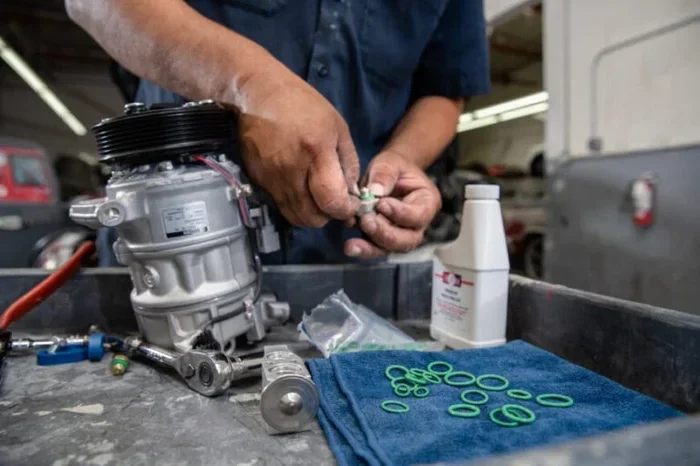
- HVAC and Refrigeration: Compressors play a critical role in heating and cooling systems by circulating refrigerant through the system.
No matter what your project is, there is likely a compressor type that can handle it. The key is matching the machine to the job so you get the best results without wasting energy or money.
How to Choose the Right Compressor for Your Needs
Buying a compressor can feel overwhelming with so many options on the market. Here are the main factors to consider:
Understand PSI and CFM
PSI stands for pounds per square inch, and it measures the maximum air pressure the machine can produce. CFM stands for cubic feet per minute, and it measures the volume of air the compressor delivers. Together, these numbers tell you whether a compressor machine can handle your specific tools.
Check the CFM requirements of the tools you plan to use. If a tool needs 4 CFM at 90 PSI, make sure your compressor can deliver at least that amount. Buying a unit with a little extra capacity gives you room to add tools later without overworking the machine.
Consider Tank Size
Tank size affects how long you can run tools continuously before the motor kicks back on to refill. A larger tank means more stored compressed air and longer run times. For quick jobs like inflating a tire, a small tank works fine. For sandblasting or running a paint sprayer for an extended period, a bigger tank keeps the airflow steady.
Think About Power Source
Electric compressors are quieter, cleaner, and ideal for indoor use and home garages. Gas-powered compressors offer more portability and power, making them a top choice for outdoor job sites where electricity is not available. If you need a reliable power source away from outlets, you might also consider pairing your setup with a what kind of generator do I need for my house to ensure you have backup power for your tools and equipment.
Match the Compressor to Your Budget
Price ranges vary widely. A basic portable electric model can cost under $200, while a heavy-duty rotary screw unit can run several thousand dollars. Investing in a quality compressor upfront saves you money on repairs and replacements down the road. If you are curious about how much you should budget, check out our guide on how much a generator costs for a general idea of equipment pricing in this category.
Maintenance Tips to Keep Your Compressor Running Strong
A compressor machine is a big investment, and regular maintenance keeps it performing at its best. Here are simple steps you can take:
- Drain the Tank Regularly: Moisture builds up inside the tank over time. Drain it after every few uses to prevent rust and maintain air pressure quality.
- Check the Oil Level: Many compressors need oil lubrication for the pump. Check the level before each use and change it according to the manufacturer’s schedule.
- Inspect Air Filters: Dirty filters restrict airflow and force the motor to work harder. Clean or replace them regularly to keep your compressor running efficiently.
- Tighten Fittings and Hoses: Loose connections cause air leaks, which waste energy and reduce tool performance. Check all fittings monthly.
- Store Properly: Keep your compressor in a clean, dry area. Moisture and dust are the enemies of any compressor machine, especially during long periods of storage.
With proper care, a good compressor can last for many years. The longevity depends on how often you use it and how well you maintain it. If you are curious about the typical lifespan of equipment in this category, our guide on how long a generator lasts offers helpful insights on equipment durability and what affects it.
Quick Tips for Getting the Most Out of Your Compressor
- Always start with an empty tank for the most efficient first run.
- Use the right hose diameter for your tool to avoid pressure drops.
- Never exceed the maximum PSI rating of your hose or attachment.
- Let the motor cool down between extended use sessions.
- Label your hoses and fittings so setup is fast and mistake-free.
These small habits add up to big savings in time and money. A well-maintained compressor delivers consistent compressed air every single time you need it.
Common Mistakes People Make With Compressors
Avoid these frequent errors to get the best performance and safety from your compressor:
- Buying the Wrong Size: A compressor that is too small for your tools will struggle and wear out quickly. Always check the CFM requirements before purchasing.
- Ignoring Moisture Buildup: Failing to drain the tank leads to rust, reduced capacity, and eventually tank failure.
- Overloading the Motor: Running tools that demand more CFM than your machine can supply causes the motor to overheat and shorten its lifespan.
- Skipping Maintenance: Neglecting oil changes, filter replacements, and hose inspections leads to unexpected breakdowns at the worst possible moment.
- Using the Wrong Oil: Always use the oil type recommended by the manufacturer. The wrong oil can cause poor lubrication and premature pump wear.
These mistakes are easy to avoid with a little knowledge and a regular maintenance routine. A little prevention goes a long way in protecting your investment.
Expert Insights on Choosing and Using Compressors
Industry professionals agree that the best compressor is the one that matches your specific needs. Here is what seasoned users recommend:
“Do not buy more machine than you need, but do not cheap out either,” says a veteran auto body technician. “A mid-range electric compressor with a 6-gallon tank handles most home garage jobs perfectly. For professional shops, a rotary screw unit pays for itself in reliability and uptime.”
Another common tip from the pros is to always factor in duty cycle. Duty cycle tells you what percentage of time the machine can run continuously before needing a cooldown period. For intermittent tasks, a 50% duty cycle works fine. For continuous operations like sandblasting or spray painting, look for a unit rated at 70% or higher.
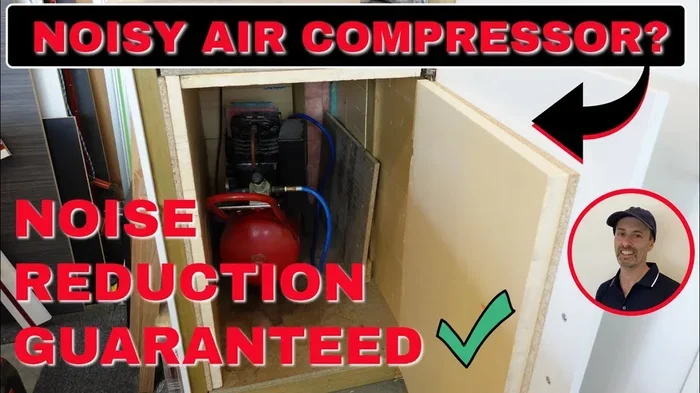
One more thing to keep in mind is noise. Compressors can be loud, especially gas-powered models. If you are working in a residential area or a shared workshop, look for units with noise-reduction features or consider an electric compressor for quieter operation.
How Compressors Compare to Other Power Equipment
To put things in perspective, here is a quick comparison of a compressor against other common power equipment:
| Feature | Air Compressor | Electric Drill | Gas Generator |
|---|---|---|---|
| Primary Power Source | Electric or Gas Motor | Electric Motor | Gas Engine |
| Output | Compressed Air | Rotary Torque | Electrical Power |
| Best For | Pneumatic Tools, Inflation | Drilling, Fastening | Backup Power, Appliances |
| Portability | Varies (Small to Large) | Handheld | Moderate to Heavy |
| Maintenance Level | Medium | Low | Medium to High |
| Lifespan | 5-15+ Years | 3-10 Years | 10-20+ Years |
As you can see, a compressor fills a unique niche. It does not replace a drill or a generator, but it does something neither of those can do: deliver consistent, powerful compressed air to a wide range of tools and applications.
Why a Compressor Matters So Much
The reason a compressor matters so much comes down to efficiency and versatility. It takes one form of energy and converts it into something that can power dozens of different tools and applications. Without compressors, many industries would slow to a halt, and everyday tasks like inflating a tire or finishing a woodworking project would take far more time and effort.
Whether you are a homeowner tackling weekend projects, a mechanic running a professional shop, or a factory manager overseeing production lines, the right compressor makes all the difference. It saves time, improves quality, and reduces physical strain on the person doing the work.
Understanding what does a compressor do and how to use one properly puts you ahead of most people. You will make smarter buying decisions, get better results from your tools, and keep your equipment running strong for years to come.
Final Thoughts
A compressor is one of those machines that quietly does the heavy lifting in countless settings. From the home garage to the largest manufacturing plant, compressed air is a powerful and versatile energy source that drives productivity and gets things done right.
Now that you understand the compressor function, the different compressor types, and how to choose the right compressor size for your needs, you are well-equipped to make a confident purchase. Take care of your machine, use it for the right applications, and it will serve you well for a long time.
The next time you see a compressor machine sitting in a corner, you will know exactly what it does and why it is so valuable. And if you ever need to pick one up for yourself, you will know exactly what to look for.
Frequently Asked Questions
What does a compressor do in simple terms?
A compressor takes in air from the environment and squeezes it into a smaller space, increasing the pressure. That pressurized air is then used to power tools, inflate objects, or run equipment. In simple terms, it turns regular air into a powerful energy source that can do real work.
What are the main types of compressors?
The most common types are reciprocating (piston) compressors, rotary screw compressors, portable mini compressors, and large industrial stationary units. Each type is designed for different tasks, budgets, and environments. Piston models are great for home use, while rotary screw units excel in professional and industrial settings.
How do I know what size compressor I need?
Look at the CFM and PSI requirements of the tools you plan to use. Choose a compressor that meets or exceeds those numbers. If you are running multiple tools at once, add up their CFM needs and pick a unit with extra capacity. For most home garage tasks, a 4 to 6 CFM compressor at 90 PSI is a solid starting point.
Can a compressor be used indoors?
Yes, electric compressors are safe and suitable for indoor use. They are quieter and produce no exhaust fumes. Gas-powered compressors should only be used outdoors or in well-ventilated areas because they emit carbon monoxide. Always check the manufacturer’s guidelines for indoor use recommendations.
How often should I maintain my compressor?
Basic maintenance should be done regularly. Drain the tank after every few uses, check the oil level before each use, and inspect air filters monthly. A more thorough service, including oil changes and hose inspections, should happen every few months depending on how frequently you use the machine.
Is a compressor the same as a generator?
No, a compressor and a generator serve different purposes. A compressor creates pressurized air to power pneumatic tools and equipment. A generator produces electricity to run appliances and electronic devices. However, both are essential pieces of equipment, and some people use them together on job sites or during power outages.
=== CONCLUSION ===
A compressor is a remarkably useful machine that turns simple air into a powerful working force. Understanding what does a compressor do helps you appreciate its role in workshops, job sites, factories, and even around the home. From powering pneumatic tools to inflating tires and spraying paint, the compressor function touches nearly every industry and many everyday tasks.
By choosing the right compressor type, maintaining it properly, and matching it to your specific needs, you get years of reliable performance and consistent results. The investment in a good compressor machine pays for itself many times over in saved time, better work quality, and reduced effort.
Now that you have a solid understanding of compressed air systems and how they work, you are ready to take the next step. Whether you are buying your first portable compressor or upgrading to a professional-grade unit, you know exactly what to look for. Get out there and put that knowledge to work.