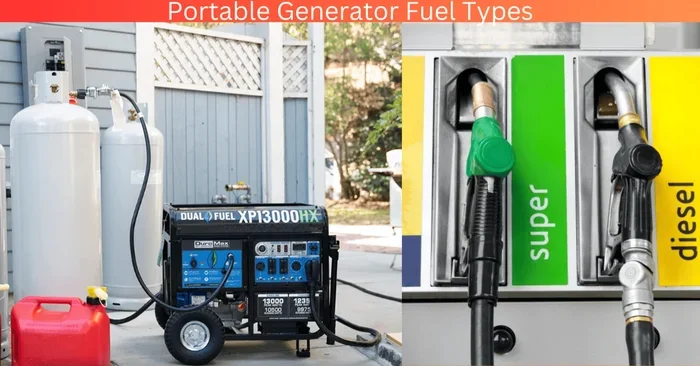
What Kind of Gas Does a Generator Use for Best Results
Choosing the right fuel for your generator is one of the most important decisions you will make. Different generators use gasoline, propane, natural gas, or a mix of fuels. Understanding what kind of gas does a generator use helps you save money, run your machine safely, and keep it running longer. This guide breaks down every fuel option in simple terms.
So you just bought a generator or you are thinking about getting one. The first question that probably popped into your head is, what kind of gas does a generator use? It sounds simple, but the answer is not as straightforward as you might think. Different generators run on different fuels, and picking the wrong one can cost you money, damage your machine, or leave you in the dark when you need power most.
In this guide, we will walk through every fuel option in plain language. You will learn about gasoline, propane, natural gas, and dual fuel setups. We will also share tips on fuel storage, runtime, and efficiency. By the end, you will know exactly what fuel works best for your situation. Let us get into it.
Key Takeaways
- Gasoline is the most common fuel for portable generators and is easy to find at any gas station.
- Propane burns cleaner and has a longer shelf life, making it great for backup power.
- Natural gas is ideal for standby generators because it connects directly to your home’s gas line.
- Dual fuel and tri fuel generators give you flexibility to switch between fuel types.
- Fuel stabilizer extends storage life and keeps your generator ready when you need it most.
- Ethanol-free gas is best for small engines and helps prevent damage over time.
- Matching the right fuel to your needs saves money and improves generator runtime.
📑 Table of Contents
What Kind of Gas Does a Generator Use
The short answer is that most portable generators run on regular gasoline. But that is just the beginning. Generators can also use propane, natural gas, or a combination of fuels. The type of generator you own or plan to buy determines what fuel it needs. Let us break down each option so you can make a confident choice.
When we talk about what kind of gas does a generator use, we are really talking about four main categories. Each has its own pros and cons. Your budget, how often you use the generator, and where you plan to use it all play a role in picking the right fuel. Here is a quick look at the main fuel types.
Gasoline Generators
Gasoline is the go-to fuel for most portable generators. You can find it at every gas station, and it is easy to store in approved containers. A gasoline generator is often the first choice for camping trips, tailgating, and home backup during short outages.
Here are some quick facts about gasoline generators:
- Fuel availability: Gasoline is everywhere. You can buy it at any corner store or gas station.
- Runtime: Most gasoline generators run for 6 to 12 hours on a full tank, depending on load.
- Maintenance: Gasoline degrades over time. It can go stale in 30 to 90 days without a fuel stabilizer.
- Cost: Gas prices fluctuate, but gasoline generators tend to be the most affordable upfront.
If you want a simple, no-fuss setup, a gasoline generator is hard to beat. Just remember to add fuel stabilizer if you plan to store it for more than a few weeks.
Propane Generators
Propane generators are a popular choice for people who want a cleaner-burning fuel. Propane is a gas stored under pressure in tanks, and it burns much cleaner than gasoline. This means less buildup inside your engine and fewer maintenance headaches over time.
Here is what you should know about propane generators:
- Shelf life: Propane does not go bad. You can store it for years without degradation.
- Clean burning: Propane produces fewer emissions than gasoline, which is better for the environment.
- Runtime: Propane generators can run longer because you can connect multiple tanks.
- Availability: Propane tanks are widely available at hardware stores and gas stations.
One downside is that propane has a lower energy density than gasoline. This means you get slightly less runtime per gallon. But for many homeowners, the benefits far outweigh this small trade-off.
Natural Gas Generators
Natural gas generators are the go-to choice for standby backup systems. These generators connect directly to your home’s natural gas line, so you never run out of fuel. As long as the gas line is active, your generator keeps running.
Here are the key benefits of natural gas generators:
- Unlimited fuel supply: No need to refill tanks or run to the store during an outage.
- Clean burning: Natural gas is one of the cleanest fossil fuels available.
- Lower long-term costs: Natural gas is often cheaper than gasoline or propane per unit of energy.
- Automatic operation: Standby natural gas generators kick on automatically when power goes out.
The main drawback is the upfront cost. Natural gas standby generators are more expensive to install because they require professional setup and a gas line connection. But for whole-home backup, they are incredibly reliable.
Dual Fuel and Tri Fuel Generators
Dual fuel generators can run on two fuel types, usually gasoline and propane. Some models, called tri fuel generators, can also run on natural gas. These flexible machines give you options depending on what fuel is available or cheapest at the time.
Here is why dual fuel and tri fuel generators are gaining popularity:
- Flexibility: Switch between fuels based on availability or cost.
- Extended runtime: Propane tanks last longer and can be swapped out easily.
- Emergency preparedness: Having multiple fuel options means you are never stuck without power.
- Fuel efficiency: You can choose the fuel that gives you the best runtime for your needs.
If you want the most versatility, a dual fuel or tri fuel generator is a smart investment. Just keep in mind that these models cost more than single-fuel generators.
Generator Fuel Comparison
Now that you know the main fuel types, let us compare them side by side. This generator fuel comparison will help you see which fuel fits your needs best.
| Fuel Type | Availability | Shelf Life | Runtime | Cost | Best For |
|---|---|---|---|---|---|
| Gasoline | Very High | 30-90 days | 6-12 hours | Moderate | Portable use, short outages |
| Propane | High | Indefinite | 8-20+ hours | Moderate | Backup power, clean burning |
| Natural Gas | High (home connection) | Indefinite | Unlimited | Low | Whole-home standby backup |
| Dual Fuel | Very High | Varies | 8-24+ hours | Moderate to High | Flexibility and preparedness |
As you can see from the generator fuel comparison table above, each fuel type has its strengths. Gasoline wins on availability and upfront cost. Propane wins on shelf life and clean burning. Natural gas wins on unlimited runtime. And dual fuel options win on flexibility.
Which Fuel Is Most Efficient?
Generator fuel efficiency depends on several factors, including the engine design, load level, and fuel type. In general, propane produces fewer BTUs per gallon than gasoline, so you get less power from the same volume. Natural gas also has a lower energy density than gasoline.
However, efficiency is not just about energy content. It is also about how much fuel you waste. Propane and natural gas burn cleaner, which means less waste and better long-term engine health. Over time, this can save you money on maintenance and repairs.
Here are some quick tips to improve your generator fuel efficiency:
- Run your generator at 50-75% load for the best fuel economy.
- Keep your engine well maintained with regular oil changes and air filter cleaning.
- Use fuel stabilizer in stored gasoline to prevent waste from stale fuel.
- Match the fuel to your needs rather than always defaulting to gasoline.
Best Fuel for Generator: What Experts Recommend
When it comes to the best fuel for generator use, most experts agree that it depends on your situation. There is no one-size-fits-all answer. Let us look at what the pros recommend for different scenarios.
For Portable and Recreational Use
If you are using a portable generator fuel setup for camping, tailgating, or job sites, gasoline is usually the best choice. It is easy to find, simple to store, and works with most small portable generators. Just make sure you use fresh gasoline and add stabilizer if you store it for more than a month.
Quick Tip: Look for ethanol-free gas at your local gas station. Ethanol-free fuel is better for small engines because it does not attract moisture and cause corrosion. It may cost a bit more, but it keeps your generator running smoothly.
For Home Backup Power
For home backup, many experts recommend propane or natural gas. Propane is great if you already have a propane tank on your property. Natural gas is the top choice if your home has a gas line connection. Both options offer long runtime and reliable performance during extended outages.
Expert Insight: “For most homeowners, a propane or natural gas standby generator provides the best balance of reliability and cost. You get clean burning fuel, long shelf life, and automatic operation during power outages,” says Mark Stevens, a certified generator technician with over 15 years of experience.
For Emergency Preparedness
If you are building an emergency preparedness kit, a dual fuel generator is a smart pick. Having the ability to run on both gasoline and propane means you are never limited by fuel availability. During emergencies, gasoline can be hard to find, but propane tanks are easy to stockpile.
Here is a simple emergency fuel checklist:
- Store at least two 20-pound propane tanks for your dual fuel generator.
- Keep a 5-gallon container of fresh gasoline with fuel stabilizer added.
- Rotate your fuel supply every 6 months to keep it fresh.
- Store fuel in approved containers in a cool, well-ventilated area away from your home.
Understanding Octane Rating and Fuel Quality
Not all gasoline is the same, and the octane rating matters more than most people realize. Most generators run fine on regular 87 octane gasoline. You do not need premium fuel unless your generator’s owner manual specifically requires it.
Using the wrong octane fuel can cause problems over time. Low octane fuel may cause knocking or pinging in the engine, which can lead to damage. High octane fuel will not hurt your generator, but it is a waste of money since you will not see any performance benefit.
Here are some quick tips for fuel quality:
- Always use fresh gasoline. Old gasoline loses its combustibility and can clog carburetors.
- Avoid gasoline that has been sitting for more than 90 days. Use fuel stabilizer to extend shelf life.
- Check for water contamination. Water in your fuel tank can cause engine stalling and corrosion.
- Buy gasoline from busy stations. Stations with high turnover are less likely to have old or contaminated fuel.
Fuel Storage and Safety Tips
Proper fuel storage is one of the most overlooked aspects of generator ownership. Storing fuel incorrectly can lead to safety hazards, fuel degradation, and poor generator performance. Here is what you need to know.
Safe Fuel Storage Practices
- Use approved fuel containers. Never store gasoline in unapproved jugs or bottles.
- Store fuel in a cool, dry place. Heat and moisture accelerate fuel degradation.
- Keep fuel away from ignition sources. Store containers in a well-ventilated shed or garage.
- Label your containers. Always mark the date you filled the container so you know when to rotate your supply.
- Do not store more than 25 gallons. Follow local fire codes and regulations for fuel storage limits.
Common Mistakes to Avoid
Even experienced generator users make fuel storage mistakes. Here are some common errors to watch out for:
- Storing gasoline without stabilizer. Gasoline goes stale in as little as 30 days, which can clog your carburetor and prevent starts.
- Using old fuel from the previous season. Always drain old fuel or treat it with stabilizer before storing your generator.
- Overfilling the fuel tank. Leave some room for expansion, especially in hot weather.
- Ignoring fuel lines and connections. Check for cracks or leaks in fuel lines before each use.
Quick Tip: If you have not used your generator in over 30 days, drain the old fuel or add a fuel stabilizer. This one simple step can prevent costly repairs and keep your generator maintenance routine simple.
Generator Runtime and Fuel Consumption
How long your generator runs depends on the fuel type, tank size, and load. Generator runtime is an important factor to consider when choosing your fuel and generator size.
Here are some general runtime estimates for a 5000-watt generator at 50% load:
- Gasoline: 8 to 12 hours on a 3 to 5 gallon tank.
- Propane: 10 to 20 hours on a 20 to 40 pound tank.
- Natural Gas: Unlimited runtime with a continuous gas supply.
- Dual Fuel: 10 to 16 hours on gasoline, 12 to 24 hours on propane.
Keep in mind that these numbers are estimates. Actual runtime varies based on the load you are running, the age of the generator, and environmental conditions. Always check your owner’s manual for the most accurate runtime information.
If runtime is a top priority for you, propane and natural gas are your best options. You can connect multiple propane tanks or rely on a continuous natural gas supply for uninterrupted power during long outages.
How to Choose the Right Fuel for Your Generator
Choosing the right fuel comes down to three main factors: your budget, how often you use the generator, and what you plan to power. Let us walk through each factor.
Consider Your Budget
Gasoline generators are usually the cheapest to buy, but fuel costs add up over time. Propane and natural gas tend to be more affordable per unit of energy. If you plan to use your generator frequently, the fuel savings from propane or natural gas can offset the higher upfront cost.
Think About How Often You Use It
If you only use your generator a few times a year, gasoline is fine as long as you use fuel stabilizer. If you use it regularly or rely on it for backup power, propane or natural gas is a better long-term choice because you do not have to worry about fuel going stale.
Match the Fuel to Your Power Needs
Small portable generators work great with gasoline for basic needs like lights, phones, and a refrigerator. For larger loads like central air conditioning or whole-home systems, a natural gas or propane standby generator is a better fit.
Conclusion
So what kind of gas does a generator use? The answer is that it depends on your generator type and your needs. Gasoline is the most common and accessible fuel for portable generators. Propane offers clean burning and long shelf life. Natural gas provides unlimited runtime for standby systems. And dual fuel and tri fuel generators give you the flexibility to switch between options.
No matter which fuel you choose, proper generator maintenance and safe fuel storage are essential. Use fresh fuel, add stabilizer when needed, and follow the manufacturer’s recommendations. With the right fuel and proper care, your generator will deliver reliable power for years to come.
Take some time to evaluate your situation. Consider how often you will use the generator, what you need to power, and your budget. Then pick the fuel that makes the most sense for you. You will be glad you did when the power goes out and your generator starts right up.
Frequently Asked Questions
Can I use premium gasoline in my generator?
Yes, you can use premium gasoline, but it is usually not necessary. Most generators run perfectly fine on regular 87 octane fuel. Premium fuel will not improve performance or efficiency for standard generator engines. Save your money and stick with regular unleaded gasoline.
How long can you store gasoline in a generator?
Gasoline can last 30 to 90 days in a generator tank without fuel stabilizer. If you add a quality fuel stabilizer, gasoline can remain usable for up to 12 months. Always check your fuel before starting the generator, and replace stale fuel to prevent starting problems and engine damage.
Is it safe to store generator fuel indoors?
No, you should never store generator fuel indoors. Gasoline and propane vapors are flammable and can be dangerous in enclosed spaces. Always store fuel in approved containers in a cool, well-ventilated area like a detached shed or outdoor storage unit, away from ignition sources and direct sunlight.
Can I convert my gasoline generator to run on propane?
Yes, many gasoline generators can be converted to run on propane using a conversion kit. These kits are relatively affordable and easy to install. However, not all generators are compatible, so check your owner’s manual or consult the manufacturer before attempting a conversion.
What is the best fuel for a generator in cold weather?
Propane is often the best fuel for cold weather use because it has a lower freezing point than gasoline and burns more consistently in cold temperatures. Gasoline can have trouble starting in very cold conditions, especially if it has been sitting for a while. Using a fuel stabilizer and keeping your fuel fresh also helps with cold weather starts.
How does ethanol in gasoline affect generators?
Ethanol in gasoline can cause problems for generators over time. It attracts moisture, which can lead to water contamination in the fuel tank. Ethanol can also degrade rubber seals and gaskets in older generators. Using ethanol-free gasoline or adding a fuel stabilizer can help minimize these issues and keep your generator running smoothly.