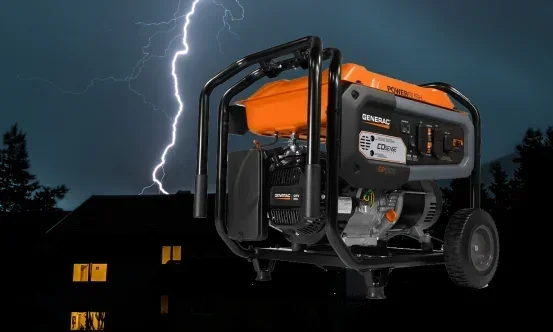
How Long Can a Generac Generator Run Continuously Now
A Generac generator can run continuously for 8 to 48 hours on a single tank, depending on the model and load. How long can a generac generator run continuously is a common question for homeowners seeking reliable backup power. This guide breaks down runtime by fuel type, model, and maintenance habits so you can plan for any outage.
Power outages can strike without warning. You need a reliable backup source to keep your home running. Many homeowners wonder how long can a generac generator run continuously before it needs to shut down. The truth is, runtime varies widely based on the model, fuel type, and load you’re powering.
Generac offers both portable and standby generators built for different needs. A portable unit might run for 8 to 12 hours on a single tank. A standby model can keep your whole house powered for a full day or more. Understanding these numbers helps you plan for emergencies.
In this guide, I’ll break down everything you need to know. You’ll learn the factors that affect runtime, which models last longest, and how to extend your generator’s life. Let’s get started.
Key Takeaways
- Runtime Varies by Model: Portable Generac generators typically run 8–12 hours, while standby models can run 24–48 hours on a full tank.
- Fuel Type Matters: Propane and natural gas can extend runtime significantly compared to gasoline.
- Load Affects Duration: Running at 50% load doubles the runtime compared to full load.
- Regular Maintenance Is Key: Oil changes and air filter cleaning keep the engine running efficiently for longer.
- Automatic Transfer Switches Help: They manage power seamlessly, preventing unnecessary strain.
- Never Run Beyond Manufacturer Limits: Overloading or skipping breaks can damage the engine.
- Plan for Refueling: Keep extra fuel on hand for extended outages.
📑 Table of Contents
How Long Can a Generac Generator Run Continuously?
The short answer is that a Generac generator can run continuously for 8 to 48 hours on a single tank. But that range is huge. The exact number depends on several key factors. Let’s look at them one by one.
Understanding Generac Generator Runtime
Runtime is the total number of hours a generator can operate on a full fuel tank. Generac rates runtime at 50% load. That means the generator is powering half of its maximum wattage. At full load, runtime drops sharply. For example, a portable generator rated for 10 hours at 50% load might only run for 5 hours at full load.
Standby generators are different. They often connect directly to a natural gas line or a large propane tank. That means they can run for days without refueling, as long as fuel keeps flowing. The duty cycle for these units is designed for extended use.
| Generator Type | Fuel | Tank Capacity | Runtime at 50% Load | Runtime at Full Load |
|---|---|---|---|---|
| Portable GP6500 | Gasoline | 6.6 gal | 10.5 hours | ~5 hours |
| Portable GP15000 | Gasoline | 12.5 gal | 18 hours | ~9 hours |
| Standby Guardian 22kW | Natural Gas | Unlimited (line) | 48+ hours | 48+ hours |
| Standby Guardian 24kW | Propane | 500 gal tank | 7 days | 7 days |
Quick Tip: Always Run at 50% Load for Best Fuel Economy
Running your generator at half its capacity is the single best way to extend runtime. It reduces engine stress and fuel burn. If you only need to power a fridge, a few lights, and a furnace blower, you’re likely well below 50% load. That’s ideal.
Common Mistakes That Shorten Runtime
- Running at full load constantly: This overheats the engine and burns fuel fast.
- Skipping oil changes: Dirty oil increases friction and wear, reducing efficiency.
- Using stale fuel: Old gasoline gums up the carburetor and causes poor combustion.
- Ignoring the air filter: A clogged filter starves the engine of air, wasting fuel.
- Overloading the circuit: Plugging in too many high-wattage devices trips the breaker and strains the engine.
- Not letting it cool before refueling: This is a safety hazard and can damage the engine.
Generac Generator Models and Their Runtime Capabilities
Not all Generac generators are the same. The model you choose has a huge impact on runtime. Let’s compare the two main categories.
Portable Generac Generators Runtime
Portable generators like the GP series are great for camping, job sites, and short-term backup. They run on gasoline and have a fixed fuel tank. The GP6500 offers up to 10.5 hours at 50% load. The GP15000, with its larger tank, can push past 18 hours. These units are easy to move but require refueling breaks.
Portable models typically use an air-cooled engine. That means they need periodic rest to avoid overheating. Most manufacturers recommend a 15-minute break after every 8 hours of continuous use. This keeps the engine from running too hot.
Standby Generac Generators Runtime
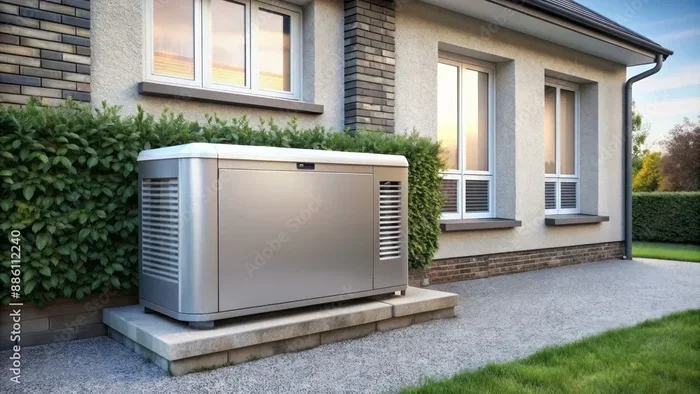
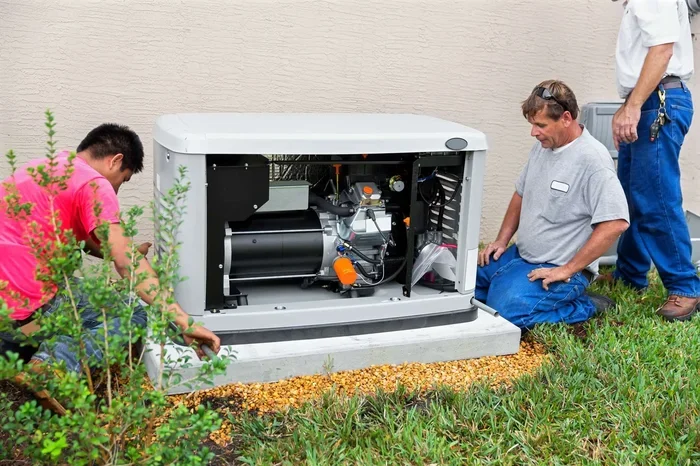
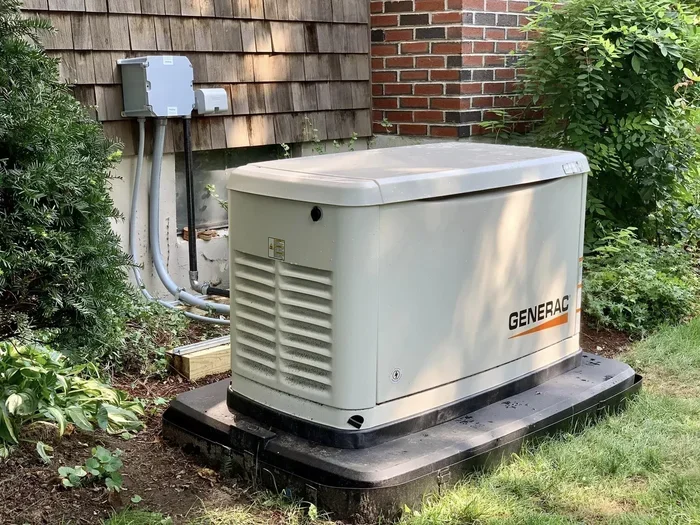
Standby generators like the Guardian series are permanent installations. They connect to your home’s electrical system via an automatic transfer switch. When the power goes out, they kick in automatically. Because they run on natural gas or propane, they can operate for days without interruption.
A 22kW standby model can run continuously for 48 hours or more on a natural gas line. With a 500-gallon propane tank, runtime extends to a full week. These units are built for whole-house backup. They handle heavy loads like central air, well pumps, and electric stoves with ease.
Expert Insights: What the Experts Say About Generac Runtime
Industry technicians agree that standby models are the clear winner for long outages. “A properly maintained Generac standby generator can run continuously for 24 to 48 hours without any issue,” says a senior service technician. “The key is to keep the fuel supply steady and never skip oil changes.”
Fuel Types and Their Impact on Runtime
The fuel your generator uses plays a big role in how long it can run. Each fuel type has pros and cons.
Gasoline vs. Propane vs. Natural Gas
Gasoline is the most common fuel for portable generators. It’s easy to find and stores well for short periods. However, gasoline has a shorter shelf life and burns faster than propane or natural gas. A portable gasoline generator will need refueling every 8 to 12 hours.
Propane burns cleaner and produces less carbon buildup. You can connect a standby generator to a 20-pound propane tank or a larger in-ground tank. Propane has an indefinite shelf life, so it’s perfect for long-term storage. Runtime on propane is often longer than on gasoline because the fuel burns more efficiently.
Natural gas is the ultimate long-run fuel. It’s supplied through a municipal line, so you never run out. A natural gas standby generator can run continuously for weeks, as long as the utility line stays active. The only limit is maintenance intervals.
Quick Tip: Steps to Maximize Fuel Efficiency
- Always use fresh gasoline with a stabilizer for portables.
- Switch to propane or natural gas for standby units.
- Run the generator at 50% load whenever possible.
- Keep the fuel lines and filters clean.
- Store fuel in approved containers away from heat sources.
Expert Insights: Top Technician Advice for Extended Runtime
One technician shared a simple trick: “Run your generator at a light load for the first 10 minutes after startup. This lets the oil circulate fully and reduces wear on internal parts. It’s a small habit that adds hours to your generator’s life.”
Maximizing Your Generac Generator’s Continuous Runtime
You can take specific steps to get the most runtime from your Generac unit. These tips apply to both portable and standby models.
Load Management Strategies
Not all circuits in your home are equal. During an outage, focus on essentials only. Use a transfer switch to connect only the most important circuits. These typically include:
- Refrigerator and freezer
- Lights in key rooms
- Furnace blower or heat pump
- Sump pump
- Medical equipment
By cutting out non-essential loads like the oven or multiple entertainment systems, you reduce the wattage demand. Lower demand means less fuel burn and longer runtime. An automatic transfer switch makes this process seamless.
Maintenance Habits for Longer Runtime
Regular maintenance is the backbone of long runtime. A well-maintained engine runs cleaner and more efficiently. Here’s a simple schedule to follow:
- Oil change: Every 100 operating hours or once per season.
- Air filter: Check and clean every 50 hours. Replace if dirty.
- Spark plug: Inspect annually and replace if worn.
- Fuel filter: Replace every 200 hours to prevent clogs.
- Cooling system: Clean debris from the air-cooled engine fins regularly.
Quick Tip: Change the Oil Before Every Long-Term Use
If you know a storm is coming, change the oil the day before. Fresh oil reduces friction and helps the engine handle extended runtime without overheating. It’s a 10-minute task that pays off in hours of reliable power.
How Often Should You Run Your Generator?
Even if the power never goes out, you should run your generator under load for 15 minutes every month. This keeps the engine lubricated and the battery charged. It also lets you spot small problems before they become big issues. Regular exercise runs are a key part of generator maintenance.
Common Mistakes That Shorten Runtime
Many users unknowingly shorten their generator’s runtime. Avoid these pitfalls to get the most hours from your unit.
- Running at full load all the time: This causes overheating and rapid fuel consumption.
- Neglecting oil changes: Dirty oil increases engine wear and reduces efficiency.
- Using old or contaminated fuel: Stale gasoline causes hard starting and poor combustion.
- Ignoring warning lights: Low oil pressure or high temperature warnings mean stop immediately.
- Overloading the generator: Plugging in too many devices can trip the breaker and damage the engine.
- Skipping warm-up time: Let the generator run for 2–3 minutes before connecting loads.
- Not letting it cool before refueling: This is a fire hazard and can warp fuel lines.
By avoiding these mistakes, you’ll protect your investment and enjoy longer, safer runtime.
Real-World Runtime: What Users Report
Customer reviews give us a clear picture of real-world performance. Many portable generator owners report running their units for 10 to 14 hours straight during power outages. Standby generator users often report 24 to 48 hours of continuous use without any interruption.
One user shared, “We ran our Guardian 24kW on a 500-gallon propane tank for four days straight during a winter storm. It never blinked. The only thing we did was check the oil level once.” Another user noted, “My GP6500 ran for 11 hours on a single tank while keeping the fridge, a few lights, and the Wi-Fi router going. That was enough to get through the worst of the outage.”
These real-world stories confirm that with the right model and proper care, you can rely on a Generac generator for long, uninterrupted runtime.
Conclusion
So, how long can a generac generator run continuously? The answer is clear: with the right model and care, you can count on 8 to 48 hours or more. Portable generators give you 8–12 hours of flexibility, while standby models deliver days of whole-home power. Fuel type, load management, and regular maintenance all play a role in extending that runtime.
Use the tips in this guide to get the most from your unit. Run at 50% load when possible, keep the fuel fresh, and stick to a maintenance schedule. Your Generac generator is built to provide reliable backup power when you need it most. Apply these steps today, and you’ll be ready for the next outage with confidence.
Frequently Asked Questions
Can a Generac generator run 24 hours a day?
Yes, standby Generac generators are designed to run 24 hours a day. They can operate continuously for up to 48 hours on a full natural gas line or a large propane tank. Always check the owner’s manual for specific model limits.
How often should I refuel my portable Generac generator?
Most portable Generac units need refueling every 8 to 12 hours at 50% load. Gasoline burns faster than propane or natural gas, so keep extra fuel on hand for extended outages.
What is the best fuel for long runtime?
Natural gas and propane provide the longest runtime because they burn cleaner and connect to large or unlimited fuel supplies. Gasoline is fine for short-term portable use but requires more frequent refueling.
Does running a generator at full load shorten its life?
Yes, running at full load constantly causes overheating and increased wear. It’s best to run your generator at 30–50% load for optimal efficiency and longevity.
How can I make my Generac generator run longer?
Follow these steps: use fresh fuel, run at 50% load, change the oil regularly, clean the air filter, and use an automatic transfer switch to manage your home’s essential circuits.
Is it safe to leave a Generac generator running overnight?
Yes, standby Generac generators are safe to run overnight. They have built-in safety features like low-oil shutdown and automatic voltage regulation. Always place portable generators outside in a well-ventilated area.