What Is a Generator Transfer Switch and Why You Need One
A generator transfer switch is a smart device that safely connects your generator to your home’s electrical system. It automatically or manually shifts power between the grid and your generator during an outage. Installing one keeps your essential circuits running, protects your home from backfeed hazards, and gives you real backup power peace of mind.
Power outages are more common than most people think. Storms, equipment failures, and grid overloads can knock out electricity for hours or even days. When the lights go out, most homeowners reach for a portable generator. But plugging a generator directly into your home is risky. That is where a generator transfer switch comes in. This small but mighty device is the bridge between your generator and your home’s electrical system. It keeps you safe, protects your appliances, and ensures your backup power works exactly when you need it most.
If you own a whole house generator or are thinking about buying one, a generator transfer switch is not optional. It is a must-have. In this guide, we will break down everything you need to know. You will learn what a transfer switch does, how it works, the different types available, and why it is one of the most important pieces of generator safety equipment. Whether you are a first-time generator owner or looking to upgrade your setup, this article has you covered.
A generator transfer switch might sound like a technical gadget for electricians only. But the truth is, it is simple in concept and incredibly valuable in practice. Think of it as a traffic cop for electricity. It controls which power source feeds your home at any given moment. Without one, you risk backfeeding power into the grid, which can be deadly for utility workers. With one, you get seamless, safe, and reliable emergency power every single time.
Key Takeaways
- A generator transfer switch safely connects your generator to your home’s wiring.
- Automatic transfer switches detect outages and restore power in seconds.
- Manual transfer switches require you to start the generator and flip the switch yourself.
- Proper installation by a licensed electrician is essential for safety and code compliance.
- Choosing the right size depends on your generator capacity and household power needs.
- Regular maintenance keeps your transfer switch reliable for years.
- Skipping a transfer switch is dangerous and can damage your electrical system.
📑 Table of Contents
- What Is a Generator Transfer Switch?
- How Does a Generator Transfer Switch Work?
- Types of Generator Transfer Switches
- Benefits of Installing a Generator Transfer Switch
- How to Choose the Right Transfer Switch for Your Home
- Installation and Maintenance of Your Transfer Switch
- Generator Transfer Switch vs. Generator Interlock: What Is the Difference?
- Conclusion
What Is a Generator Transfer Switch?
A generator transfer switch is an electrical device installed between your generator and your home’s main electrical panel. Its job is to switch your home’s power source from the utility grid to your generator when the grid goes down. When power is restored, it switches back automatically or manually, depending on the type you have.
This device is the heart of any home generator system. Without it, you would have to run extension cords through windows and doors. That is not only inconvenient but also dangerous. A transfer switch eliminates those risks entirely. It provides a clean, permanent connection that keeps your essential circuits powered up during any power outage.
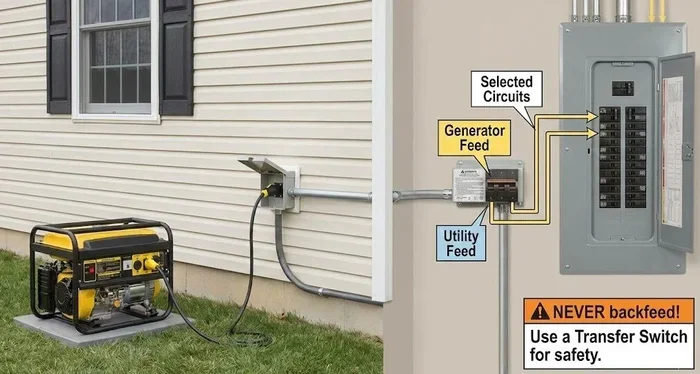
Here is a simple way to think about it. Your home normally gets electricity from the utility company. When that source fails, your generator steps in. But both sources cannot power your home at the same time. That would cause a dangerous condition called backfeed. The transfer switch makes sure only one source is active at any time. It keeps your home safe and your generator wiring in good shape.
Why Is It Called a “Transfer” Switch?
The word “transfer” is the key here. The switch transfers electrical load from one source to another. When the grid fails, it transfers the load to the generator. When the grid returns, it transfers the load back. This process happens in seconds with an automatic model. With a manual model, you do it yourself. Either way, the result is the same: uninterrupted emergency power for your home.
How Does a Generator Transfer Switch Work?
Understanding how a generator transfer switch works is easier than you might think. The process is straightforward and designed to be foolproof. Let us walk through it step by step.
First, your home draws power from the utility grid as usual. Everything is normal. Lights are on. The fridge is running. The circuit breaker panel is distributing power to every room. Then, a blackout happens. The grid goes down. That is when the transfer switch kicks into action.
In an automatic setup, the switch detects the loss of utility power within seconds. It sends a signal to your standby generator to start up. Once the generator reaches the right speed and voltage, the switch transfers the electrical load from the grid to the generator. Your home is now running on backup power. You might not even notice the switch happened.
When the grid power returns, the transfer switch detects it again. It waits a few minutes to make sure the grid is stable. Then it transfers the load back to the utility and signals the generator to shut down. All of this happens without you lifting a finger.
The Role of the Electrical Panel
The electrical panel is where the transfer switch connects to your home. It is the central hub that distributes power to all your circuits. The transfer switch sits between the generator and this panel. It controls which circuits receive power and from which source. This setup allows you to choose which circuits are essential during an outage. You can prioritize your fridge, lights, furnace, and medical equipment. This is called load management, and it is a huge benefit of having a generator transfer switch installed.
Switching Between Power Sources
The switching mechanism is the most critical part. A generator transfer switch uses a mechanical or electronic interlock to prevent both sources from being active at once. This interlock is what makes the device so safe. It physically prevents the generator from feeding power back into the grid. This protects utility workers who might be repairing power lines. It also protects your generator from damage. Without this interlock, you risk a serious electrical fire or even electrocution.
Types of Generator Transfer Switches
Not all transfer switches are the same. There are three main types, and each serves a different need. Choosing the right one depends on your generator, your budget, and how much convenience you want.
Automatic Transfer Switches
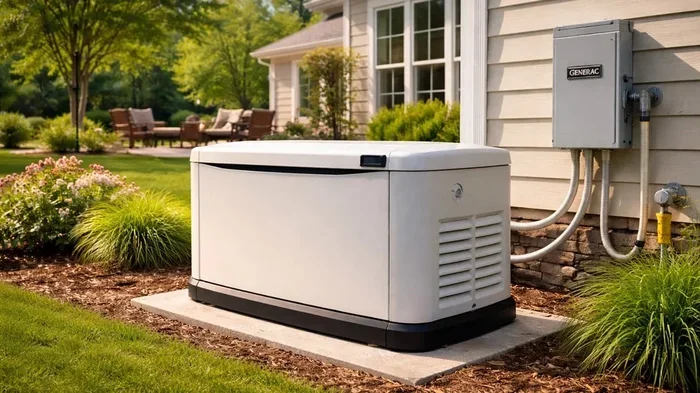
An automatic transfer switch (ATS) is the most popular choice for homeowners with standby generators. It does everything for you. When the power goes out, it detects the outage, starts the generator, and transfers the load. When power returns, it switches back and shuts the generator down. You never have to be home for it to work.
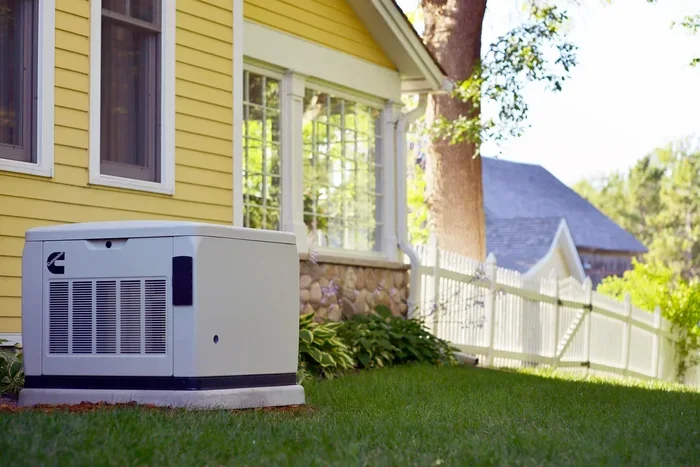
This type is ideal for families who travel or for people who want a completely hands-off experience. It is also the safest option because there is no human error involved. Most whole house generator installations come with an automatic transfer switch as part of the package.
Manual Transfer Switches
A manual transfer switch requires you to physically operate it. When the power goes out, you must start the generator yourself. Then you go to the switch and flip it to the generator position. When the grid power returns, you flip it back and shut off the generator.
Manual switches are more affordable than automatic ones. They work well with portable generators and smaller setups. However, they require you to be home and active during an outage. If you are away when the power goes down, your home will not get any backup power until you return.
Load Centers with Transfer Capability
Some homes use a combination load center and transfer switch. This device serves as both the electrical panel and the transfer switch. It saves space and simplifies the wiring. These units are popular in new construction and major home renovations. They offer the same functionality as a standalone switch but in a more compact design.
Benefits of Installing a Generator Transfer Switch
Adding a generator transfer switch to your home comes with many real-world benefits. Let us look at why homeowners love them.
Uninterrupted Power During Outages
The biggest benefit is obvious: you keep the lights on. With an automatic switch, your generator starts within seconds of a grid failure. Your fridge stays cold. Your internet router keeps running. Your furnace or air conditioner continues to work. This level of power outage protection is invaluable, especially during severe weather events.
Safety for You and Your Family
Safety is the number one reason to install a transfer switch. Without it, people sometimes use what is called a “suicide cord” to connect a generator directly to their home. This is extremely dangerous. It can send power backward into the grid, electrocuting utility workers. A generator transfer switch eliminates this risk completely. It ensures your generator power stays inside your home where it belongs.
Convenience and Automation
An automatic transfer switch gives you peace of mind. You do not have to wake up in the middle of a storm to flip a switch. You do not have to drag extension cords through the rain. The system handles everything. This is especially helpful for people with medical equipment, elderly family members, or young children at home.
Protection for Your Appliances
A transfer switch ensures clean, stable power reaches your appliances. Without it, you risk voltage spikes and fluctuations that can damage sensitive electronics. Your TV, computer, and refrigerator are all protected when the switch manages the power flow properly.
Quick Tips
- Always size your transfer switch to match your generator’s wattage capacity.
- Place the switch near your main electrical panel for easier wiring.
- Label all circuits connected to the switch for quick reference during outages.
- Test your transfer switch every few months to make sure it works.
How to Choose the Right Transfer Switch for Your Home
Choosing the right generator transfer switch depends on several factors. You need to match the switch to your generator, your electrical panel, and your household power needs. Here is how to make the right call.
Matching the Switch to Your Generator
The first step is to check your generator’s output. A standby generator typically produces 7,000 to 24,000 watts or more. Your transfer switch must handle that wattage. If the switch is undersized, it will overheat and fail. Always check the amperage rating on both the generator and the switch. They must be compatible.
For example, a 200-amp generator needs a 200-amp transfer switch. A 100-amp generator works with a 100-amp switch. Matching these numbers is the foundation of a safe and effective generator transfer switch installation.
Considering Your Power Needs
Next, think about what you want to power during an outage. Do you need the whole house running? Or just essential circuits? This decision affects the size and type of switch you need.
If you want full-house coverage, you need a higher-amperage switch and a larger generator. If you only need essentials like the fridge, lights, and furnace, a smaller switch and a portable generator might work. Many homeowners choose a dual fuel generator for flexibility, and the transfer switch should be compatible with that setup.
Automatic vs. Manual: Which Is Right for You?
If convenience is your top priority, go with an automatic switch. If you want to save money and do not mind some manual effort, a manual switch works fine. For most families, an automatic transfer switch is the better choice. It provides hands-free operation and faster response times during outages.
Common Mistakes to Avoid
- Buying the wrong size switch. Always double-check amperage and wattage ratings before purchasing.
- Skipping the installation by a licensed electrician. DIY installation can violate electrical codes and void warranties.
- Ignoring local building codes. Many areas require permits and inspections for transfer switch installations.
- Forgetting to test the switch regularly. A switch that has never been tested might fail when you need it most.
Installation and Maintenance of Your Transfer Switch
Proper transfer switch installation is critical for safety and performance. This is not a DIY project for most homeowners. You need a licensed electrician who understands local electrical codes and generator wiring requirements.
Hiring a Licensed Electrician
A professional electrician will assess your home’s electrical setup, recommend the right switch, and handle all the wiring. They will also pull any required permits and schedule inspections. This ensures your installation is safe, legal, and up to code. The cost of professional installation typically runs between $300 and $800, depending on your location and the complexity of the job.
During installation, the electrician will mount the transfer switch near your main panel. They will run the appropriate wiring between the generator inlet box and the switch. They will also connect the switch to the panel and test the entire system. Once everything is working, you will have a fully functional home generator system ready for any outage.
Routine Maintenance Tips
Like any electrical device, a generator transfer switch needs occasional maintenance to stay reliable. Here is what you should do:
- Test the switch monthly. Most switches have a test mode. Use it to simulate an outage and verify the switch activates properly.
- Inspect for physical damage. Look for loose wires, corrosion, or scorch marks on the switch and connections.
- Keep the area clear. Make sure nothing is blocking ventilation around the switch or generator.
- Replace worn parts promptly. If you notice any unusual sounds or smells, contact an electrician immediately.
Regular maintenance extends the life of your switch and ensures it works when you need it most. A well-maintained generator transfer switch can last 15 to 20 years or more.
Expert Insights
Many electricians recommend pairing your transfer switch with a generator interlock kit as an extra layer of safety. An interlock prevents the main breaker and the generator breaker from being on at the same time. This is a simple but effective way to add redundancy to your generator safety setup. While not always required by code, it is a smart investment for any homeowner with a backup generator.
Generator Transfer Switch vs. Generator Interlock: What Is the Difference?
People often confuse a generator transfer switch with a generator interlock. While both serve a similar purpose, they work differently. A transfer switch is a more advanced device that fully transfers the electrical load between sources. An interlock is a simpler mechanical device that prevents both the utility and generator breakers from being on at the same time.
A transfer switch offers more control and convenience. It allows you to select specific circuits and manage your load management more effectively. An interlock is a budget-friendly alternative but lacks the automation and flexibility of a full transfer switch. For most homeowners, the generator transfer switch is the better long-term investment.
Conclusion
A generator transfer switch is one of the most important components of any home backup power system. It keeps you safe, protects your appliances, and ensures your backup power works seamlessly every time the grid fails. Whether you choose an automatic or manual model, the switch gives you control, convenience, and peace of mind.
Do not wait until the next power outage to figure out your setup. If you have a generator, make sure you have a properly installed transfer switch. If you do not have a generator yet, now is the time to consider one. A generator transfer switch is the key to unlocking reliable, safe, and automatic emergency power for your home. Invest in one today, and you will be glad you did the next time the lights go out.
Frequently Asked Questions
Do I really need a generator transfer switch if I have a portable generator?
Yes, absolutely. Plugging a portable generator directly into your home’s outlets is dangerous and illegal in many areas. A generator transfer switch ensures safe, code-compliant operation. It prevents backfeed and protects both your home and utility workers.
Can I install a transfer switch myself?
It is strongly recommended to hire a licensed electrician. Transfer switch installation involves working with your home’s main electrical panel, which carries lethal voltage. A professional ensures the job is done safely and meets all local electrical codes.
How much does a generator transfer switch cost?
The cost varies based on the type and amperage. Manual switches start around $150 to $300. Automatic switches typically range from $400 to $1,500. Installation by a licensed electrician adds another $300 to $800 depending on your location and setup complexity.
What size transfer switch do I need for my generator?
The switch must match your generator’s amperage output. Check the label on your generator for the amp rating. A 7,500-watt generator usually needs a 30-amp switch. A 15,000-watt standby generator typically requires a 60- or 100-amp switch. Always verify compatibility before purchasing.
Will a transfer switch work with any generator?
Most transfer switches work with standard standby generators and compatible portable generators. However, you must ensure the switch is rated for your generator’s voltage and amperage. Dual fuel generators also work with standard transfer switches as long as the electrical output matches.
How often should I test my transfer switch?
You should test your generator transfer switch at least once a month. Most automatic switches have a built-in test function that simulates a power outage. Regular testing ensures the switch activates properly and helps you catch any issues before a real emergency occurs.