How to Size a Generator for Your House the Right Way
Sizing a generator for your house doesn’t have to be confusing. This guide walks you through calculating your home’s wattage needs, choosing the right fuel type, and avoiding costly mistakes. You’ll learn exactly how to match a generator size to your power outage demands and keep your household running smoothly.
Power outages happen when you least expect them. Storms knock down lines. Equipment fails. And suddenly, your entire household is left in the dark. Having the right backup power can make all the difference between a minor inconvenience and a major disaster.
But here is the thing most homeowners get wrong. They either buy a generator that is too small or overspend on one that is too big. Both mistakes cost money. And both leave you unprepared when the power goes out. That is exactly why learning how to size a generator for your house the right way matters so much.
This guide gives you a clear, practical path from start to finish. You will learn how to calculate your home’s actual power needs. You will discover which fuel type fits your situation best. And you will avoid the common pitfalls that trip up so many buyers. By the end, you will feel confident choosing the right whole house generator for your family.
Key Takeaways
- Know your wattage: Understanding starting and running wattage is the foundation of sizing a generator correctly.
- List your essentials: Identify which circuits and appliances matter most during an outage.
- Choose the right fuel: Propane, natural gas, and diesel each offer different benefits for home backup power.
- Don’t skip the load calculation: A proper load calculation prevents undersizing or overspending.
- Consider future needs: Planning for expansion saves money and hassle down the road.
- Hire a pro if unsure: A licensed electrician ensures safe installation and code compliance.
📑 Table of Contents
- Why Proper Generator Sizing Matters
- Step 1: Calculate Your Home’s Power Needs
- Step 2: Identify Your Essential Circuits
- Step 3: Choose the Right Generator Type
- Step 4: Match the Generator to Your Fuel Source
- Step 5: Factor in Your Electrical Panel and Installation
- Common Mistakes to Avoid When Sizing a Generator
- Quick Tips for Generator Sizing Success
- Conclusion
Why Proper Generator Sizing Matters
Getting the size right is not just about comfort. It is about safety, efficiency, and protecting your investment. An undersized generator will trip breakers or fail to start your HVAC system. An oversized generator wastes fuel and costs more upfront. Neither option serves you well.
When you size correctly, your backup power system runs smoothly. It handles your essential loads without strain. It lasts longer and needs fewer repairs. And it gives you real peace of mind during extended outages. Let us break down exactly how to get there.
What Happens If You Undersize Your Generator?
An undersized generator tries to do more than it can handle. The result is a cascade of problems. Your lights flicker. Your refrigerator cycles on and off. Your furnace shuts down mid-cycle. In worst cases, the generator overheats and shuts off completely.
Worse yet, running an undersized unit under heavy load damages both the generator and your appliances. The motor wears out faster. The electronics inside sensitive devices like computers and TVs can suffer from unstable voltage. This is why proper sizing is not optional. It is essential.
What Happens If You Oversize Your Generator?
Oversizing feels like the safer choice, but it comes with its own issues. A larger generator costs more to buy. It burns more fuel during operation, even under light load. And it takes up more space in your yard or garage.
There is also a phenomenon called wet stacking that affects diesel generators. When a unit runs below its capacity for long periods, unburned fuel builds up in the exhaust system. This reduces efficiency and can cause long-term damage. So bigger is definitely not always better when it comes to home backup power.
Step 1: Calculate Your Home’s Power Needs
The first and most important step in sizing a generator for your house is figuring out what you actually need. This means adding up the wattage of every appliance and system you want to keep running during an outage. It sounds tedious, but it is the single most valuable thing you can do.
Understanding Starting vs. Running Wattage
Every appliance has two power numbers. The first is running wattage. This is the continuous power the device needs to operate. The second is starting wattage, also called surge wattage. This is the extra burst of power needed when a motor first kicks on.
Think of it like pushing a car. It takes a lot of effort to get it moving. But once it is rolling, it takes much less energy to keep it going. The same principle applies to refrigerators, air conditioners, and well pumps. Your generator must handle the starting surge for each motor-driven appliance.
Common Appliance Wattage Guide
Here is a quick look at typical wattage for common household items. Use these numbers as a starting point for your own calculations.
- Refrigerator: 700 running watts, 2,200 starting watts
- Freezer: 500 running watts, 1,500 starting watts
- Central Air Conditioner: 3,500 running watts, 10,500 starting watts
- Electric Furnace: 15,000 running watts, 15,000 starting watts
- Water Pump: 1,000 running watts, 3,000 starting watts
- Microwave: 1,000 running watts, 1,000 starting watts
- Television: 200 running watts, 200 starting watts
- Lights (per room): 60 to 300 running watts each
- Washing Machine: 500 running watts, 1,500 starting watts
- Sump Pump: 800 running watts, 1,300 starting watts
Add up the running watts of everything you want to run at the same time. Then find the highest starting wattage among those items. Add that starting number to the total running number. The result is your minimum generator size requirement.
Use a Generator Size Calculator
If math is not your strong suit, do not worry. Many websites offer a generator size calculator that does the work for you. You simply check off the appliances you want to power, and the tool tells you the recommended kilowatt rating. These calculators are a great starting point, but always double-check the numbers against your own list.
Step 2: Identify Your Essential Circuits
Not everything in your house needs to run during an outage. In fact, trying to power every single outlet and light is what leads to oversizing. Instead, focus on the essentials. This approach saves money and keeps your generator running efficiently.
What Counts as an Essential Circuit?
Essential circuits are the systems and appliances your household cannot live without for more than a day or two. These typically include:
- Heating and cooling: Your HVAC system keeps your family safe in extreme weather.
- Refrigeration: Food spoilage is a real concern during extended outages.
- Lighting: You need lights in key areas like the kitchen, hallway, and bathroom.
- Medical equipment: If anyone in your home relies on powered medical devices, these are non-negotiable.
- Internet and modem: Staying connected matters for communication and news updates.
- Sump pump: Basement flooding can cause thousands of dollars in damage fast.
- Kitchen basics: A microwave or coffee maker goes a long way for morale.
Make a list of these essentials. Then check the wattage of each one. This gives you a realistic picture of your minimum wattage requirements for a backup power system.
What About Non-Essential Loads?
Things like the entertainment center, garage door opener, or workshop tools are nice to have but not essential. You can run these on extension cords from the generator if needed. But they should not factor into your base sizing calculation. Keeping them separate prevents you from buying a unit that is too large.
Step 3: Choose the Right Generator Type
Not all generators are created equal. The type you choose affects everything from installation costs to fuel expenses. Let us look at the main options available for homeowners.
Standby Generators
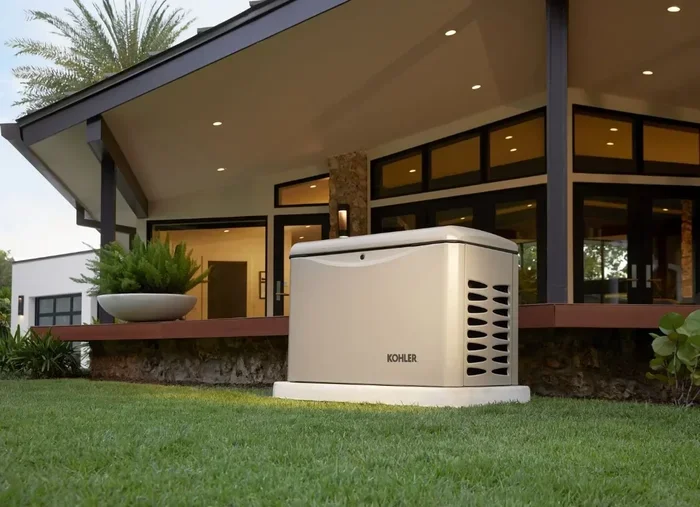
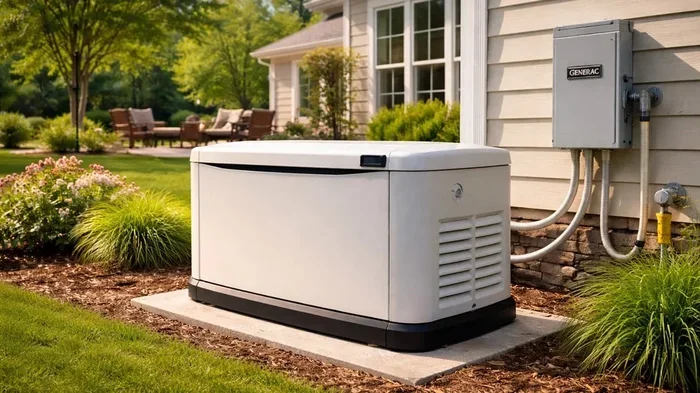
A standby generator is the most popular choice for whole-house backup. These units are permanently installed outside your home, much like a central air conditioner. They connect directly to your electrical panel and automatically kick on when the power goes out.
Most standby generators run on natural gas or propane. They range from about 7 kilowatts for a partial home up to 200 kilowatts or more for large estates. The main advantage is convenience. You do not need to run extension cords or refill fuel tanks manually. The unit starts itself and keeps your home powered seamlessly.
Portable Generators
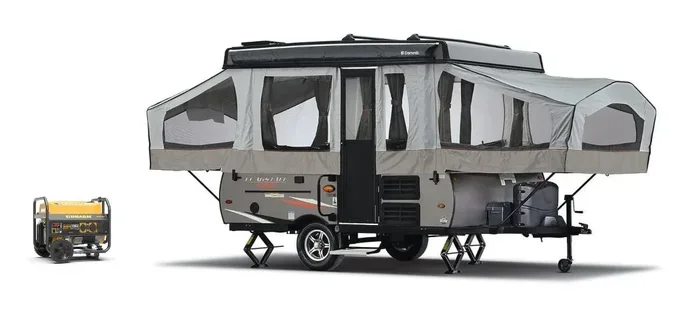
A portable generator is a more affordable option. You can move it around, store it easily, and use it for camping trips or job sites in addition to home backup. These units typically run on gasoline, though some models support propane or dual fuel.
The downside is that portable generators require manual setup. You need to run extension cords into the house or use a transfer switch. They also have limited capacity, usually between 2,000 and 10,000 watts. For powering only a few essentials, a portable unit can work well. But it will not run your entire household the way a standby system does.
Inverter Generators
An inverter generator produces cleaner power than traditional portable units. This makes them safe for sensitive electronics like laptops, phones, and TVs. They are also quieter and more fuel-efficient. However, they typically max out around 4,000 to 7,000 watts, so they are best suited for partial-home use.
Step 4: Match the Generator to Your Fuel Source
Fuel type plays a big role in your overall satisfaction with a backup power system. Each option has pros and cons that affect cost, availability, and convenience.
Natural Gas Generators
Natural gas is the most convenient fuel for standby generators. It connects directly to your home’s gas line, so you never run out. There is no need to store fuel or schedule deliveries. Natural gas also burns cleaner than other fossil fuels, which means less maintenance over time.
The main drawback is that natural gas service may not be available in all areas. If your home uses propane or electricity for heating, you may not have a gas line already installed. In those cases, the installation cost goes up.
Propane Generators
Propane is a great alternative for homes without natural gas service. It stores indefinitely, which means you can keep tanks on hand for long-term outages. Propane also burns clean and produces less carbon buildup in the engine.
The challenge is fuel management. You need to monitor your propane levels and refill or swap tanks as needed. A large outage could drain your supply faster than expected. Many homeowners use a dual-tank setup to extend runtime significantly.
Diesel Generators
Diesel generators are built for durability and long runtime. They are common in commercial settings but can work for large homes too. Diesel fuel has a long shelf life, and diesel engines tend to last longer than gasoline or propane engines.
The downsides include higher upfront cost, louder operation, and the need for regular maintenance. Diesel generators also produce more emissions. For most residential homes, natural gas or propane is the simpler and more practical choice.
Step 5: Factor in Your Electrical Panel and Installation
Your home’s electrical setup directly affects which generator size and type will work best. A few key factors deserve your attention before making a final decision.
Check Your Electrical Panel Capacity
Most modern homes have a 200-amp electrical panel. Older homes may have 100 amps or less. The panel capacity determines how much power your generator can safely deliver to your home. A licensed electrician can confirm your panel rating and recommend an appropriate generator size.
If your panel is outdated, you may want to upgrade it before installing a standby generator. A 200-amp panel gives you more flexibility and allows you to power more circuits during an outage. This is especially important for households with electric heating or large central air conditioning systems.
The Role of an Automatic Transfer Switch
An automatic transfer switch is a critical component of any standby generator setup. It detects when utility power goes down and automatically switches your home to generator power. When grid power returns, it switches you back seamlessly.
This switch also prevents backfeeding, which is when electricity from your generator flows back into the utility lines. Backfeeding is extremely dangerous for lineworkers and neighbors. Always ensure a licensed electrician installs the transfer switch correctly and in compliance with local codes.
Permits and Local Codes
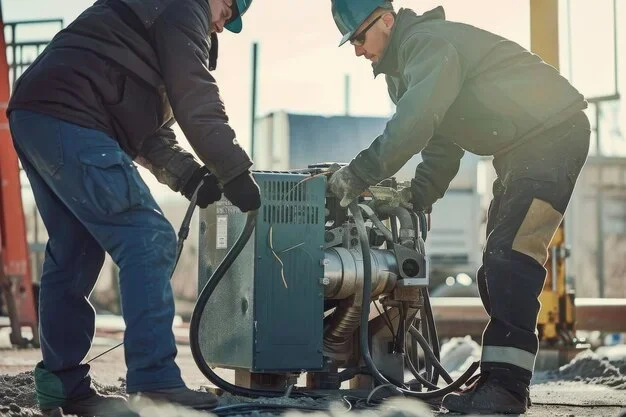
Generator installation is not a DIY job for most homeowners. Local building codes regulate where generators can be placed, how far they must be from windows and doors, and what type of electrical connection is required. Pulling the proper permits ensures your installation is safe and legal.
Skipping permits may save time upfront, but it can cause serious problems later. You could face fines, insurance issues, or safety hazards. Always work with a licensed contractor who understands the requirements in your area.
Common Mistakes to Avoid When Sizing a Generator
Even with the best intentions, homeowners often make mistakes that lead to poor generator performance. Knowing what to avoid saves you time, money, and frustration.
Forgetting to Account for HVAC Systems
Your heating and cooling system is typically the biggest single power draw in any home. Many people forget to include it in their calculations. This leads to choosing a generator that cannot start the air conditioner or furnace. Always include your HVAC system in the load calculation.
Ignoring Future Needs
Are you planning to add a hot tub, a workshop, or an electric vehicle charger? These additions increase your power needs. When in doubt, size up slightly. It is much cheaper to have extra capacity than to need a larger generator later.
Relying Only on Running Wattage
As we discussed earlier, starting wattage matters just as much as running wattage. If you only add up running watts, you will underestimate the size you need. Always account for the surge demand of motor-driven appliances.
Choosing Based on Price Alone
The cheapest generator on the shelf is rarely the best choice. Quality matters. Look for reputable brands with solid warranties, good customer reviews, and reliable fuel efficiency. A slightly higher upfront cost often pays for itself in durability and performance.
Quick Tips for Generator Sizing Success
- Write down every appliance you want to run during an outage before you start shopping.
- Use a generator size calculator to get a quick estimate, then verify manually.
- Always add a 10 to 20 percent buffer to your total wattage calculation for safety margin.
- Choose a fuel source that is readily available in your area.
- Have a licensed electrician review your load calculation before purchasing.
- Consider a standby generator if you want automatic, hands-free backup power.
- Test your generator regularly, even when the power is on, to keep it in good working order.
Conclusion
Sizing a generator for your house comes down to understanding your home’s power needs and making informed choices. Start by listing your essential circuits and calculating total wattage. Choose the right generator type for your budget and lifestyle. Select a fuel source that works for your home. And never skip professional installation.
Taking the time to do this right means you will have reliable backup power when you need it most. No more worrying about food spoilage, frozen pipes, or sitting in the dark during a storm. A properly sized generator gives you confidence and comfort no matter what the weather brings.
Use the steps in this guide as your roadmap. Double-check your numbers. Ask questions. And invest in a system that fits your household for the long haul. Your future self will thank you the next time the power goes out.
Frequently Asked Questions
What size generator do I need for a 2000 square foot house?
A typical 2,000 square foot home needs a generator between 12 and 20 kilowatts, depending on your appliances and climate. If you have electric heating or central air conditioning, you will need closer to 20 kilowatts. For a home with gas heat and a smaller AC unit, 12 to 15 kilowatts may be sufficient. Always base your decision on an actual load calculation rather than square footage alone.
Can a portable generator power an entire house?
A portable generator can power essential circuits but usually not an entire house. Most portable units range from 2,000 to 10,000 watts, which is enough for lights, refrigeration, and a few key appliances. To run your full electrical panel, you need a standby generator with an automatic transfer switch. A licensed electrician can help you set this up safely.
How do I calculate my home’s total wattage needs?
Start by listing every appliance and system you want to run during an outage. Note the running wattage and starting wattage for each. Add up all the running watts. Then add the highest starting wattage from your list to that total. The result is your minimum generator size. Using a generator size calculator simplifies this process significantly.
Is natural gas or propane better for a home generator?
Natural gas is more convenient because it connects to your existing gas line and never runs out. Propane is better for areas without natural gas service and stores indefinitely in tanks. Both are clean-burning and reliable. Your choice depends on what fuel sources are available in your area and your personal preference.
What is an automatic transfer switch and do I need one?
An automatic transfer switch detects power loss and switches your home from utility power to generator power automatically. It also switches you back when grid power returns. This is a must-have component for any standby generator installation. It ensures seamless operation and prevents dangerous backfeeding into utility lines.
How often should I test my home generator?
You should test your generator at least once a month. Most standby generators have an automatic self-test feature that runs the unit for a short period. During testing, check the fuel level, look for any leaks, and listen for unusual sounds. Regular testing keeps the generator in good working condition and ensures it will start reliably when you need it most.