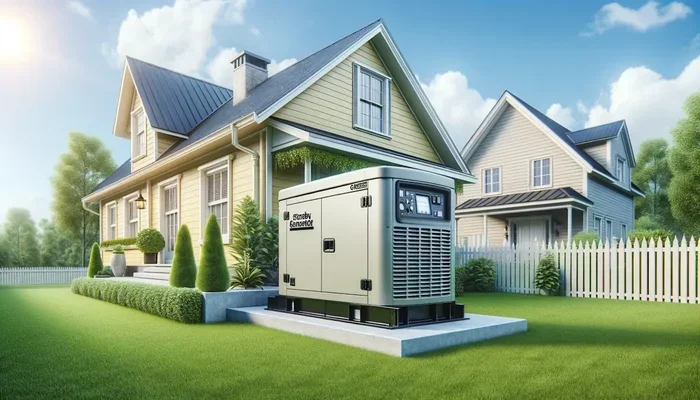
Find Out How Large of a Generator Do I Need for My Home
Choosing the right generator size depends on your home’s power needs, fuel preference, and budget. This guide walks you through calculating wattage requirements, comparing portable and standby options, and avoiding common sizing mistakes so you buy the right generator capacity the first time.
Power outages are more common than most people think. Storms, grid failures, and aging infrastructure can leave your home dark for hours or even days. When the lights go out, one question immediately comes to mind: how large of a generator do I need to keep my household running.
The answer is not one-size-fits-all. A tiny apartment needs a very different setup than a three-bedroom suburban home with a central air conditioner, electric stove, and well pump. Generator sizing depends on the appliances you want to run, the wattage requirements of each device, and how long you plan to use the unit during an outage.
This guide breaks down everything you need to know. You will learn how to calculate your power needs, compare different generator types, and avoid the costly mistakes that many homeowners make when buying a backup power system. Let us get started.
Key Takeaways
- Calculate your total wattage: Add up the starting and running watts of all appliances you want to power.
- Portable vs standby generators: Portable units suit basic needs, while standby generators power your entire home automatically.
- Fuel type matters: Gasoline, propane, natural gas, and diesel each have pros and cons for backup power.
- Don’t skip the surge factor: Starting watts for motors like AC units and refrigerators can double your power needs.
- Match your electrical panel: Your generator must align with your home’s amperage and circuit layout.
- Professional installation helps: Standby generators often need a licensed electrician and proper permits.
📑 Table of Contents
- Understanding Generator Sizes and Power Measurements
- How to Calculate Your Home’s Power Needs
- Portable Generators: Are They Right for Your Home
- Standby Generators: The Permanent Backup Power Solution
- Comparing Generator Sizes: What Fits Your Home
- Common Mistakes to Avoid When Sizing a Generator
- Expert Tips for Choosing the Right Generator Size
- Conclusion
Understanding Generator Sizes and Power Measurements
Before you shop for a generator, you need to understand a few basic terms. Wattage is the language generators speak. Every appliance in your home has a wattage rating that tells you how much electricity it uses. Two types of wattage matter here: running watts and starting watts.
Running Watts vs Starting Watts
Running watts are the continuous power an appliance needs to stay on. A laptop might use 60 watts while running. A refrigerator needs about 700 watts to keep its compressor cycling.
Starting watts, also called surge wattage, are the extra power needed to kick on a motor. Things like air conditioners, well pumps, and sump pumps need a big burst of energy when they start up. This surge can be two to three times the running wattage.
Here is a simple example. A refrigerator might need 700 running watts but pull 2,100 watts when the compressor first kicks on. If your generator cannot handle that surge, the unit will stall or fail to start the appliance.
Kilowatts and Amperage Explained
Generators are often rated in kilowatts (kW) or watts (W). One kilowatt equals 1,000 watts. A 7,500-watt generator is the same as a 7.5 kW unit. This number tells you the maximum load the generator can handle at one time.
Amperage measures electrical current. Your home’s electrical panel is rated for a certain number of amps, usually 100 or 200 amps. The generator you choose needs to match or exceed this capacity if you want to power your entire home.
Many people use a generator size calculator online to simplify this process. These tools ask you to list your appliances and automatically add up the wattage requirements. They are a great starting point for figuring out how large of a generator do I need for a specific situation.
How to Calculate Your Home’s Power Needs
Calculating your power needs is the single most important step in choosing the right generator capacity. Get this wrong, and you either overspend on a unit that is too big or buy one that cannot handle your essential loads.
Step 1: List Your Essential Appliances
Start by writing down every appliance and device you want to keep running during a power outage. Most households prioritize these essentials:
- Refrigerator and freezer
- Lights (kitchen, bathroom, living room)
- Heating or cooling system
- Well pump or sump pump
- Microwave or cooking range
- Phone chargers and Wi-Fi router
- Medical equipment if applicable
Step 2: Find the Wattage of Each Item
Check the label on each appliance for its wattage rating. If the label shows amps and volts instead, multiply them together. For example, a device running on 120 volts at 5 amps uses 600 watts.
Write down both the running watts and the starting watts for each item. You can usually find starting wattage on the manufacturer’s website or in the owner’s manual.
Step 3: Add It All Up
Now add the running watts of everything you want to run at the same time. Then look at the largest starting wattage among your appliances. Add that number to your total running watts. The result is the minimum generator capacity you need.
For example, if your running total is 4,500 watts and your largest surge is 2,200 watts, you need a generator rated for at least 6,700 watts. Always add a buffer of 10 to 20 percent to be safe.
Portable Generators: Are They Right for Your Home
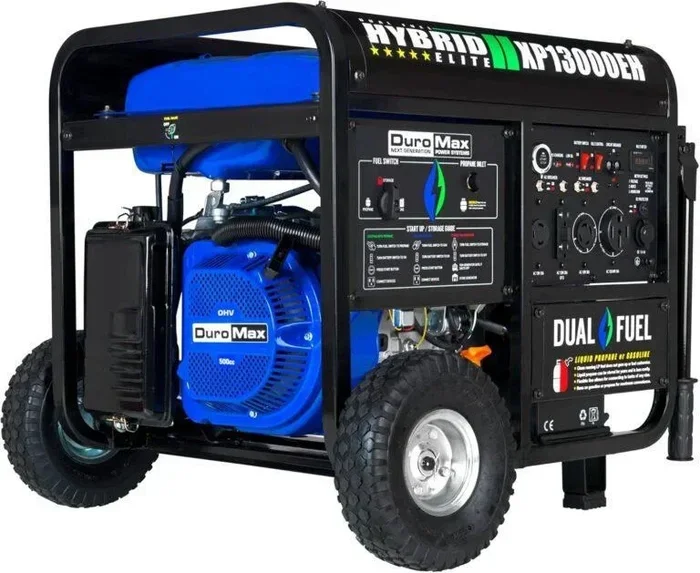
Portable generators are the most affordable option for backup power. They run on gasoline and can be moved wherever you need them. These units range from small 2,000-watt models to heavy-duty 10,000-watt units.
Pros of Portable Generators
- Lower upfront cost, usually between $300 and $1,500
- Easy to store and transport
- No professional installation required
- Great for camping, tailgating, and job sites too
Cons of Portable Generators
- Limited power output compared to standby units
- Require manual setup and refueling
- Produce more noise and exhaust fumes
- Cannot power an entire house unless you use a transfer switch
A portable generator works well if you only need to run a few essentials during an outage. They are ideal for powering a refrigerator, a few lights, and phone chargers. But if you want whole house generator capability, a portable unit will likely fall short.
One important safety note: never run a portable generator indoors or in a closed garage. Carbon monoxide from the exhaust can be deadly within minutes. Always place the unit outside at least 20 feet from your home.
Standby Generators: The Permanent Backup Power Solution
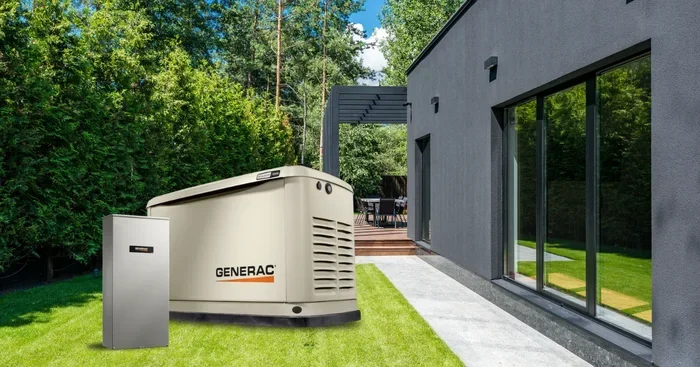
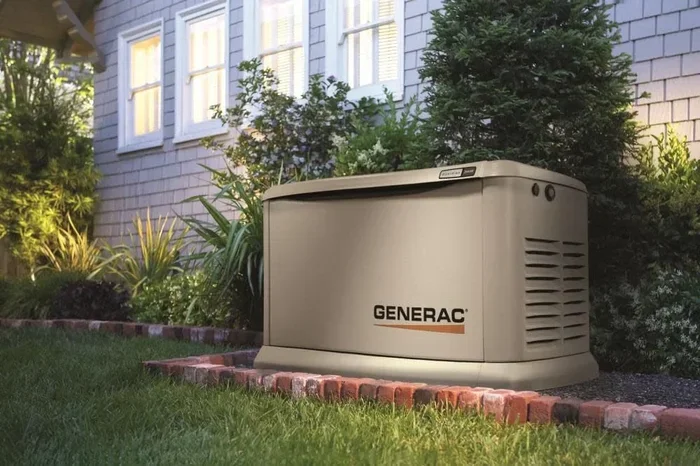
Standby generators are permanently installed outside your home, similar to a central air conditioning unit. They connect directly to your home’s electrical system and fuel source. When the power goes out, the unit turns on automatically within seconds.
Types of Standby Generator Fuel
Standby generators come in several fuel type options. Each has its own advantages:
- Natural gas generators: Connect to your existing gas line. No refueling needed. Clean burning and widely available.
- Propane generators: Use either a single tank or dual tanks. Propane has a long shelf life and burns cleanly.
- Diesel generators: Very durable and fuel-efficient. Best for commercial use or homes in extremely cold climates.
- Dual-fuel generators: Can run on both propane and natural gas. Offer flexibility and backup fuel options.
How Large of a Standby Generator Do I Need
Standby generators are sized in kilowatts. Common residential models range from 7 kW to 40 kW. A 7 kW unit can handle basic essentials like lights, a refrigerator, and a furnace. A 20 kW unit can power most of a medium-sized home. A 30 to 40 kW unit can run your entire house including central air, electric heat, and all major appliances.
The best way to determine your standby generator size is to look at your electrical panel. A 200-amp panel typically requires a 20 kW generator for full coverage. A 100-amp panel can usually be managed with a 10 to 12 kW unit for essential loads only.
Installation Considerations
Standby generators require professional installation. A licensed electrician will install a transfer switch that disconnects your home from the grid while the generator runs. This prevents backfeeding, which is dangerous for utility workers.
You will also need to consider local building codes and permits. Many municipalities require inspections before a standby generator can be activated. Factor installation costs of $2,000 to $5,000 into your budget when comparing options.
Comparing Generator Sizes: What Fits Your Home
Not sure where you fall on the generator sizing spectrum. Let us look at three common scenarios to help you decide.
Small Home or Apartment (Essential Loads Only)
If you live in a small home, apartment, or condo and only need to keep a few basics running, a 3,000 to 5,000-watt portable generator will do the job. This covers a refrigerator, some lights, a phone charger, and a small space heater or fan.
Medium Home (Comfortable Living During Outages)
A medium-sized home with a central air conditioner, electric stove, and standard appliances needs a 7,000 to 10,000-watt generator. This size can handle most essential and comfort loads without overloading the unit.
Large Home or All-Electric Home (Full Coverage)
Large homes with electric heating, multiple air conditioners, and high-demand appliances need serious power. A 20 kW to 30 kW standby generator is the right choice. This size handles everything from the well pump to the laundry room without breaking a sweat.
| Home Size | Generator Type | Wattage Range | Approximate Cost |
|---|---|---|---|
| Small / Apartment | Portable | 3,000 – 5,000 W | $300 – $1,200 |
| Medium Home | Portable or Portable Standby | 7,000 – 10,000 W | $800 – $2,500 |
| Large / All-Electric Home | Standby | 20,000 – 30,000 W | $4,000 – $10,000+ |
Use this table as a rough guide. Your actual needs may vary based on your specific appliances, climate, and household size. Always run your own load calculation before making a final decision.
Common Mistakes to Avoid When Sizing a Generator
Many homeowners make avoidable mistakes when buying a generator. Learning from these errors can save you money, frustration, and even keep your family safe.
Underestimating Starting Wattage
The most common mistake is ignoring starting watts. People often add up only the running watts of their appliances and buy a generator that cannot handle the initial surge. Always account for the highest starting wattage in your load list.
Forgetting About Future Needs
You might only need a 5,000-watt generator today. But what if you add a pool pump, an electric vehicle charger, or a hot tub next year. Building in extra capacity now saves you from buying a second generator down the road.
Ignoring Fuel Availability During Outages
Gas stations need electricity to pump fuel. During a long outage, gasoline may be scarce or unavailable. Consider a natural gas generator or propane generator that connects to a permanent fuel source. This ensures you can keep your home powered even when gas stations are closed.
Skipping the Transfer Switch
Plugging a generator directly into your wall outlets is dangerous and often illegal. A transfer switch safely routes generator power to your home’s circuits. It also protects your generator and your utility’s grid from damage. Never skip this critical component.
Buying Based on Price Alone
The cheapest generator on the shelf is rarely the best choice. Quality matters for reliability, fuel efficiency, and safety. Look for well-known brands with solid warranties and good customer reviews. A slightly higher upfront cost often means fewer headaches later.
Expert Tips for Choosing the Right Generator Size
Consult a Professional Electrician
If you are unsure about your wattage requirements or electrical panel capacity, hire a licensed electrician. They can perform a professional load analysis and recommend the perfect generator capacity for your home. This small investment can prevent costly sizing errors.
Think About Your Climate
Your local climate affects your power needs significantly. Homes in hot climates rely heavily on air conditioning. Homes in cold climates may need electric heating or a well pump to keep pipes from freezing. Factor your climate into your power outage planning.
Consider Noise Levels
Generators can be loud, especially portable models. If you live in a neighborhood with close neighbors, look for inverter generators or standby units with low noise ratings. Some modern standby generators operate as quietly as a normal conversation.
Plan for Maintenance
Generators need regular maintenance to perform when you need them most. Change the oil, replace air filters, and run the unit under load at least once a month. A generator that sits unused for months may fail to start when an outage hits.
Conclusion
Figuring out how large of a generator do I need comes down to understanding your home’s power needs and choosing the right type of unit. Start by listing your essential appliances and calculating their wattage requirements. Decide between a portable generator for basic backup or a standby generator for full-home coverage.
Do not forget to account for starting watts, fuel availability, and professional installation. Avoid the common mistakes that trip up so many buyers, and do not be afraid to consult an electrician if you are unsure.
The right backup power system gives you peace of mind. When the next storm hits or the grid goes down, you will be glad you took the time to size your generator correctly. Start your load calculation today, and make sure your home is ready for whatever comes next.
Frequently Asked Questions
Can a 5000-watt generator run a central air conditioner?
A 5,000-watt generator can run a central AC unit in some cases, but it depends on the unit’s size and starting wattage. Most central air conditioners need between 3,000 and 5,000 running watts plus a surge of 6,000 or more. A 5,000-watt generator may struggle with larger AC units. Check your air conditioner’s specifications before relying on a generator of this size.
How often should I run my generator to keep it maintained?
You should run your generator under load at least once a month for 15 to 30 minutes. This keeps the engine lubricated and prevents fuel system issues. Regular exercise also helps you identify problems early so you are not caught off guard during a real power outage.
Is it safe to connect a generator to my home’s electrical panel?
Yes, but only with a proper transfer switch installed by a licensed electrician. Connecting a generator directly to your outlets without a transfer switch is dangerous and can cause backfeeding. Backfeeding sends electricity back into the grid, which can seriously injure or kill utility workers.
What fuel type is best for a home generator?
The best fuel type depends on your situation. Natural gas is convenient because it connects to your existing gas line and never runs out. Propane has a long shelf life and works well in areas without natural gas service. Diesel is durable and fuel-efficient but can be harder to store. Choose the fuel that is most readily available in your area.
How long can a generator run continuously?
Portable gasoline generators typically run for 8 to 12 hours on a full tank. Standby generators with a natural gas or propane connection can run continuously for days or even weeks as long as fuel is supplied. Always check the manufacturer’s runtime specifications before purchasing.
Do I need a permit to install a standby generator?
Most municipalities require a permit for standby generator installation. This ensures the unit meets local building codes and safety standards. Check with your city or county building department before starting the installation process to avoid fines or mandatory removal.