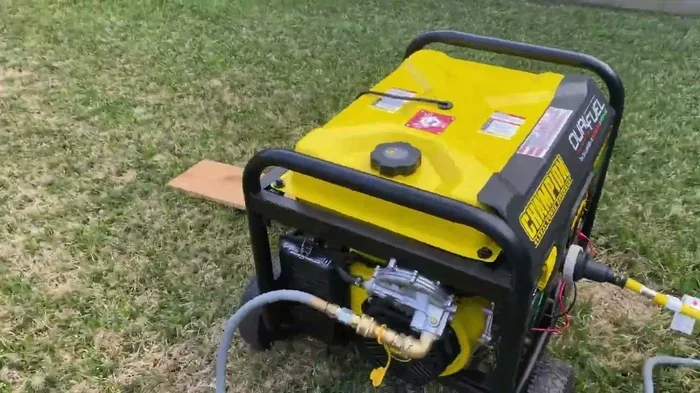
How Does a Natural Gas Generator Work A Complete Guide
A natural gas generator converts fuel into electricity through internal combustion. This guide explains every step of the process in simple, easy-to-understand terms. You will learn about the key parts, the combustion cycle, and how these generators compare to other fuel types.
A natural gas generator works by burning natural gas inside an engine to create mechanical energy. That mechanical energy is then converted into electrical energy you can use. The whole process starts with fuel, moves through combustion, and ends with usable power. It is a clever system that has been refined over many decades. Understanding how it all works helps you get the most from your machine.
In this guide, we will walk you through every step of how a natural gas generator works. You will learn about the key parts inside the machine. We will explain the combustion process in simple terms. You will also see how natural gas generators compare to other fuel types. By the end, you will have a clear picture of what happens inside your generator every time it runs.
This matters whether you own a standby unit or a portable model. Knowing how your machine works helps you use it better. It also helps you spot problems early. Plus, it makes shopping for a new unit much easier when you understand what to look for. So let us get started and break down the entire process step by step.
We will cover everything from the fuel system to the electrical output. Each section builds on the last. By the time you finish reading, you will feel confident explaining how a natural gas generator works to anyone. Let us dive into the details now.
Key Takeaways
- Natural gas generators burn fuel internally to create mechanical energy, which is then converted to electricity through an alternator.
- The four-stroke combustion cycle is the heart of how these machines produce reliable power.
- Key components include the engine, alternator, fuel system, voltage regulator, and exhaust system.
- Natural gas generators offer cleaner burning and lower long-term costs compared to diesel and gasoline options.
- Regular maintenance like oil changes and filter replacements keeps your unit running smoothly for years.
- Standby and portable models serve different needs, so choose based on your power requirements and budget.
📑 Table of Contents
What Is a Natural Gas Generator?
A natural gas generator is a machine that turns natural gas into usable electricity. It does this through a process called internal combustion. The engine burns the gas, which creates motion. That motion spins a part called an alternator. The alternator then produces electrical current. This current can power your home, tools, or appliances.
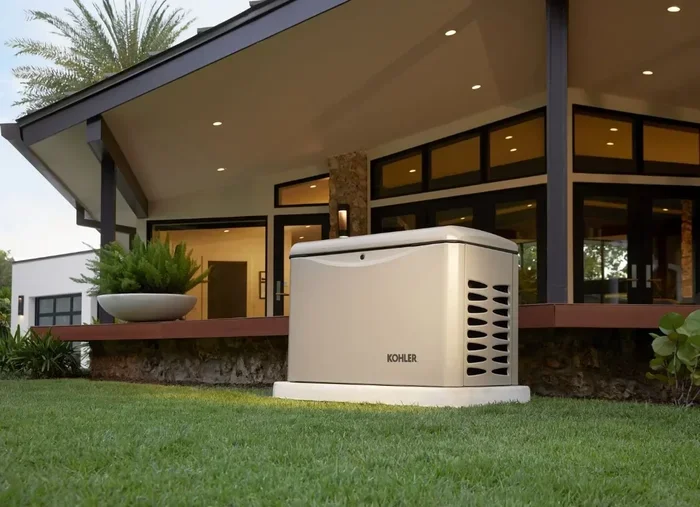
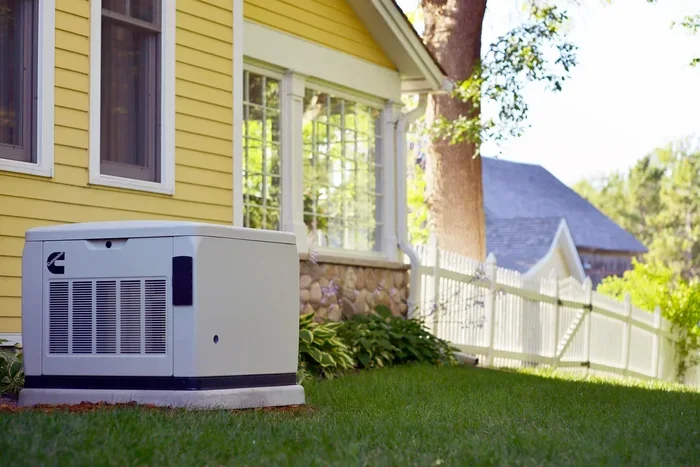
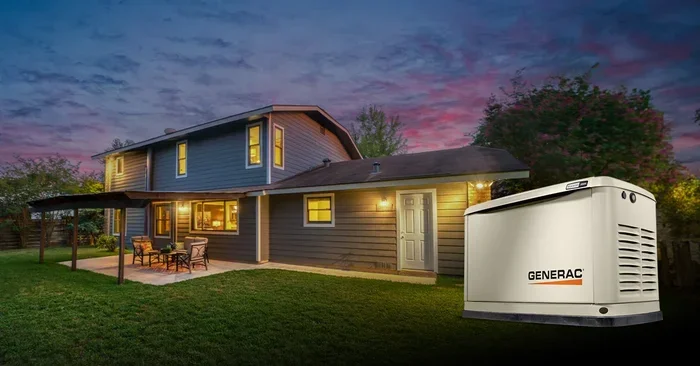
Natural gas generators come in two main types. Standby generators are permanently installed outside your home. They turn on automatically when the power goes out. Portable generators are smaller and can be moved around. They are great for camping, job sites, and temporary needs. Both types use the same basic process to create power.
How It Differs from Other Generators
The main difference is the fuel source. A natural gas generator uses pipeline natural gas. This is different from propane, diesel, or gasoline generators. Natural gas burns cleaner than those other fuels. It also produces fewer harmful emissions. That makes it a popular choice for homes and businesses.
Another big difference is the supply. Natural gas connects to a pipeline. So you never run out of fuel like you might with a propane tank. This is a huge advantage during long power outages. You just keep running as long as the gas line has pressure.
Common Uses for Natural Gas Generators
Natural gas generators serve many purposes. Here are the most common ones:
- Home backup power during storms and outages
- Business continuity for stores, offices, and hospitals
- Construction sites where portable units provide temporary power
- Remote locations that lack access to the electrical grid
- Recreational use for RVs and outdoor events
- Data centers that need uninterrupted power for servers
No matter the use, the core process is the same. The generator burns natural gas and converts that energy into electricity. Understanding this helps you appreciate the machine more.
The Key Parts of a Natural Gas Generator
To understand how a natural gas generator works, you need to know its main parts. Each component plays a specific role. Together, they turn fuel into usable power. Let us look at each one closely.
The Engine
The engine is the heart of the natural gas generator. It is an internal combustion engine, much like the one in your car. The engine has pistons that move up and down inside cylinders. Each piston stroke helps create the energy needed to spin the alternator. The more cylinders an engine has, the smoother and more powerful it runs.
Most home natural gas generators use four-stroke engines. These are reliable and efficient. They are also quieter than two-stroke engines. That is important if your generator is close to your living space.
The Alternator
The alternator is what actually creates electricity. It is also called the generator head. Inside the alternator, a rotor spins inside a stator. The stator contains coils of wire. As the rotor spins, it creates a magnetic field. That magnetic field pushes electrons through the wire. This flow of electrons is electrical current.
The alternator determines the power output of your unit. A bigger alternator produces more electricity. This is measured in watts or kilowatts. When shopping for a natural gas generator, check the alternator rating to make sure it meets your needs.
The Fuel System
The fuel system delivers natural gas to the engine. It includes several components:
- Fuel line – carries gas from the pipeline to the engine
- Fuel filter – removes impurities from the gas
- Fuel injection system – sprays gas into the combustion chamber
- Gas valve – controls the flow of fuel
A clean fuel system is essential for smooth operation. Dirt or debris can clog the filter and reduce performance. That is why regular maintenance matters so much for your natural gas generator.
The Voltage Regulator
The voltage regulator keeps the electrical output steady. Without it, the power would spike and drop unevenly. This could damage your appliances and electronics. The regulator monitors the output and adjusts the engine speed as needed. This ensures a consistent flow of electricity.
Think of the voltage regulator like a thermostat for power. It keeps everything balanced. This is especially important for sensitive electronics like computers and TVs.
The Cooling and Exhaust Systems
Burning natural gas creates heat. The cooling system prevents the engine from overheating. It uses a radiator and fan to dissipate heat. The exhaust system carries away spent gases safely. A natural gas generator produces much cleaner exhaust than a diesel unit.
Still, the exhaust contains carbon monoxide. This is why proper ventilation is critical. Never run a generator indoors or in enclosed spaces. Always place it outside where fumes can disperse safely.
Quick Tip: Check your cooling system and exhaust pipes every month. Clear any debris or obstructions. This simple habit can extend the life of your unit significantly.
How the Combustion Process Works
The combustion process is the core of how a natural gas generator works. It is a repeating cycle that happens many times per minute. Each cycle creates a small burst of energy. Those bursts add up to continuous power. Let us break down each step.
The Four-Stroke Cycle
Most natural gas generators use a four-stroke engine. Each stroke is a separate phase. Together, they complete one full combustion cycle. Here are the four strokes:
- Intake Stroke: The piston moves down. This pulls a mix of air and natural gas into the cylinder.
- Compression Stroke: The piston moves up. This compresses the air-fuel mixture. Compression makes the mixture more volatile.
- Power Stroke: The spark plug ignites the mixture. The explosion pushes the piston down. This is where the actual energy is created.
- Exhaust Stroke: The piston moves up again. This pushes the spent gases out through the exhaust valve.
This cycle repeats continuously. Each revolution of the crankshaft completes two full cycles. The faster the engine runs, the more power it produces. But there is a limit. Running too fast can cause damage.
The Role of the Spark Plug
The spark plug is a small but vital part. It creates the spark that ignites the air-fuel mixture. Without it, combustion cannot happen. The spark must be timed perfectly. It must fire at the exact moment the piston reaches the top of the compression stroke.
Spark plugs wear out over time. A worn spark plug can cause misfires. This reduces the power output of your natural gas generator. Replacing spark plugs on schedule keeps everything running smoothly.
How Air and Fuel Mix Together
The air-fuel mixture is critical for efficient combustion. Too much air and the engine runs lean. Too much fuel and it runs rich. Both conditions waste energy and can damage the engine.
The carburetor or fuel injection system controls this mixture. It draws in the right amount of air and gas. Modern natural gas generators use electronic fuel injection. This provides a more precise mix than older carburetor systems. The result is better fuel efficiency and lower emissions.
Expert Insight: The combustion process in a natural gas generator is remarkably efficient. Modern units convert about 25 to 40 percent of the fuel’s energy into usable electricity. The rest is lost as heat. This is similar to efficiency levels found in automobile engines.
How Combustion Becomes Electricity
Combustion alone does not give you usable power. The mechanical energy from the engine must be converted into electrical energy. This is where the magic of the natural gas generator really comes together. Let us trace the path from combustion to your outlets.
From Piston Movement to Crankshaft Rotation
When the spark plug ignites the fuel, the explosion pushes the piston down. The piston is connected to the crankshaft. As the piston moves, it turns the crankshaft. This is where linear motion becomes rotational motion. The crankshaft spins continuously as long as the engine is running.
The crankshaft is connected to the alternator. So when the crankshaft spins, the alternator spins too. This is the key link between combustion and electricity. Without the crankshaft, the energy from combustion would have nowhere to go.
The Alternator’s Role in Power Generation
Inside the alternator, the spinning rotor creates a moving magnetic field. This field passes through copper coils in the stator. The moving magnetic field pushes electrons through the wire. This flow of electrons is alternating current, or AC power.
Most natural gas generators produce AC power. This is the same type of electricity that comes from your wall outlets. The alternator’s design determines the voltage and frequency of the output. In the United States, standard output is 120 volts at 60 hertz.
How the Voltage Regulator Keeps Things Stable
The voltage regulator monitors the electrical output constantly. If the load changes, the regulator adjusts the engine speed. This keeps the voltage steady. Stable voltage protects your appliances from damage.
Some advanced natural gas generators use automatic voltage regulators, or AVRs. These electronic devices provide very precise control. They can adjust output within milliseconds. This is important for sensitive electronics like medical equipment or computers.
Key Takeaway: The journey from natural gas to electricity involves several conversions. Chemical energy becomes thermal energy. Thermal energy becomes mechanical energy. Mechanical energy becomes electrical energy. Each step relies on the previous one working correctly.
Natural Gas Generators vs Other Fuel Types
Not all generators are created equal. The fuel type makes a big difference in performance, cost, and environmental impact. Let us compare natural gas generators to other common options.
Natural Gas vs Propane
Propane and natural gas are both clean-burning fuels. However, there are important differences. Natural gas connects to a pipeline, so you have an endless supply. Propane is stored in tanks that need refilling. Natural gas is also typically cheaper per unit of energy.
Propane has a higher energy density, though. This means a propane generator can produce more power per gallon. For backup power, natural gas is often the better choice because of its continuous supply.
Natural Gas vs Diesel
Diesel generators are known for their durability and high power output. They are common in industrial settings. However, diesel produces more emissions than natural gas. It also costs more and requires more frequent maintenance.
Natural gas generators are quieter and cleaner. They are a better fit for residential areas. Diesel units are better suited for heavy-duty, long-term industrial use.
Natural Gas vs Gasoline
Gasoline generators are common and affordable. They work well for short-term needs. But gasoline has a shorter shelf life than natural gas. It also produces more emissions and can be more expensive over time.
For long-term backup power, a natural gas generator is usually a better investment. The fuel is cheaper, cleaner, and always available through the pipeline.
| Feature | Natural Gas | Propane | Diesel | Gasoline |
|---|---|---|---|---|
| Fuel Supply | Continuous (pipeline) | Tank (needs refilling) | Tank (needs refilling) | Tank (needs refilling) |
| Cost per Unit | Lower | Medium | Higher | Medium |
| Emissions | Cleanest | Low | Higher | Higher |
| Noise Level | Quiet | Moderate | Louder | Moderate |
| Best For | Home backup | Backup and RV | Industrial use | Short-term/portable |
As you can see, natural gas generators offer a strong balance of cost, cleanliness, and convenience. They are an excellent choice for most residential and light commercial applications.
Benefits, Maintenance, and Final Thoughts
Why Choose a Natural Gas Generator?
There are many reasons to choose a natural gas generator. Here are the biggest benefits:
- Lower fuel costs compared to propane and diesel
- Cleaner burning with fewer emissions
- Unlimited fuel supply through the pipeline
- Quieter operation than diesel units
- Less maintenance required over the lifespan
- Automatic startup on standby models
- Longer equipment life due to cleaner combustion
These benefits make natural gas a smart choice for homeowners and businesses alike. The initial installation cost may be higher. But the long-term savings and convenience more than make up for it.
Essential Maintenance Tips
Keeping your natural gas generator in top shape is not hard. Here are the most important tasks:
- Change the oil every 100 to 200 hours of use. Fresh oil keeps the engine lubricated and cool.
- Replace the air filter every 6 months or as needed. A clogged filter reduces efficiency.
- Check the spark plug annually. Replace it if it looks worn or fouled.
- Inspect the fuel line for leaks or cracks. A damaged fuel line is a safety hazard.
- Run the generator monthly for about 15 minutes. This keeps the engine components lubricated and ready for use.
- Test the voltage regulator to ensure stable output. Use a multimeter to check the electrical output.
Common Mistake: Many people forget to run their standby generator regularly. A generator that sits unused for months can develop stale fuel and corroded components. A monthly test run prevents these problems.
When to Call a Professional
Some maintenance tasks are best left to experts. If you notice any of these signs, call a technician:
- Unusual noises during operation
- Difficulty starting the unit
- Flickering lights or unstable power output
- Fuel leaks or unusual odors
- The unit shuts down unexpectedly
A professional can diagnose problems you might miss. Regular professional inspections once a year are also a good idea. They catch small issues before they become expensive repairs.
Expert Insights on Longevity
With proper care, a natural gas generator can last 20 to 30 years or more. The engine and alternator are the most durable components. The fuel system and voltage regulator may need attention sooner. But overall, these machines are built to last.
One of the best things you can do for longevity is to use quality natural gas. Clean fuel reduces wear on internal components. It also keeps the combustion process efficient. This translates to better performance and fewer repairs over the life of the unit.
Key Takeaway: A well-maintained natural gas generator is a reliable, long-lasting investment. Regular oil changes, filter replacements, and monthly test runs go a long way toward ensuring years of dependable service.
Conclusion
Understanding how a natural gas generator works is easier than most people think. The process starts with natural gas flowing into the engine. The fuel mixes with air and is compressed by a piston. A spark plug ignites the mixture, creating an explosion that drives the piston down. The crankshaft converts this motion into rotation. The alternator turns that rotation into electrical energy. The voltage regulator keeps everything stable and safe.
Natural gas generators offer many advantages. They burn cleanly, run quietly, and connect to an endless fuel supply. They are an excellent choice for backup power and even primary power in some situations. With proper maintenance, a quality unit can serve you for decades.
Now that you understand the full process, you can make smarter decisions about your power needs. Whether you are buying a new unit or maintaining an existing one, this knowledge gives you confidence. You know exactly what is happening inside your natural gas generator every time it powers up. Use that knowledge to get the best performance and the longest life from your machine.
Take the time to learn your specific model. Read the owner’s manual carefully. Follow the maintenance schedule. And do not hesitate to call a professional when needed. Your generator works hard for you. With the right care, it will keep working hard for many years to come.
Frequently Asked Questions
Can a natural gas generator power an entire house?
Yes, a large enough standby natural gas generator can power an entire house. The key is matching the generator’s wattage to your home’s electrical needs. A typical home needs between 5,000 and 7,500 watts for essential circuits. A whole-house unit can handle 20,000 watts or more. Consult an electrician to determine the right size for your home.
How long does a natural gas generator last?
A well-maintained natural gas generator can last 20 to 30 years or longer. The lifespan depends on usage frequency, maintenance habits, and build quality. Units that receive regular oil changes and monthly test runs tend to last the longest. Investing in quality maintenance pays off in extended equipment life.
Is natural gas cheaper than other generator fuels?
Yes, natural gas is generally cheaper per unit of energy than propane, diesel, and gasoline. Because it connects to a pipeline, you avoid the cost of storing and replacing fuel tanks. Over time, the fuel savings can offset the higher initial installation cost of a natural gas generator compared to portable gasoline models.
Do natural gas generators need maintenance?
Yes, all generators need regular maintenance to perform well. For a natural gas generator, this includes oil changes, air filter replacements, spark plug checks, and monthly test runs. While natural gas burns cleaner and causes less wear than diesel, skipping maintenance will shorten the unit’s lifespan and reduce its reliability.
Can I install a natural gas generator myself?
It is strongly recommended to hire a licensed professional for installation. A natural gas generator involves connecting to a gas pipeline, which requires permits and safety inspections. Improper installation can cause gas leaks, carbon monoxide exposure, or electrical hazards. A professional ensures safe, code-compliant setup.
What happens if the natural gas supply gets interrupted?
If the natural gas supply is interrupted, your generator will shut down automatically. This is a safety feature designed to prevent damage. Most standby units have a brief delay before restarting once gas pressure returns. To prepare for this, consider having a propane backup tank for critical loads during extended gas outages.