Fridge Compressor Parts Guide to Keep Your Fridge Running
Fridge compressor parts are the heart of your refrigerator’s cooling system. Understanding these components helps you troubleshoot issues and keep your fridge running smoothly. This guide covers every major part, from the compressor motor to the relay and capacitor.
Your fridge works hard every single day to keep your food cold and safe. Behind that quiet hum is a complex system of components working together. And at the center of it all sits the compressor. Understanding fridge compressor parts helps you take better care of your appliance. It also saves you money on repairs and keeps your kitchen running smoothly.
Whether you are a DIY enthusiast or just someone who wants to understand how their fridge works, this guide has you covered. We will walk through every major component. You will learn what each part does, how it fails, and what you can do about it. No confusing jargon here, just plain talk about the parts that matter most.
The good news is that most fridge compressor parts are easy to understand once you break them down. You do not need to be a technician to grasp the basics. By the end of this guide, you will know more about your fridge’s inner workings than most homeowners ever do. Let us dive in.
Key Takeaways
- The compressor motor is the core engine that drives the entire cooling cycle in your fridge.
- The start relay and capacitor work together to kick the compressor into action every time it cycles on.
- Overload protectors prevent your compressor from overheating and burning out during heavy use.
- Regular maintenance like cleaning condenser coils can extend the life of your fridge compressor parts significantly.
- Knowing when to replace vs. repair saves you money and prevents unnecessary downtime.
- Refrigerant levels directly affect compressor performance and should be checked regularly.
- Electrical connections and wiring are often overlooked but are a common cause of compressor failure.
📑 Table of Contents
What Makes Up Fridge Compressor Parts
When people talk about fridge compressor parts, they are usually referring to the entire refrigeration cycle system. The compressor itself is just one piece of the puzzle. But it is the most important one. Think of it as the engine that keeps everything moving. Without it, your fridge would be just a big insulated box.
A typical fridge compressor system includes several key components. Each one plays a specific role in the cooling process. Let us break them down one by one so you can see how they all fit together.
The Compressor Unit Itself
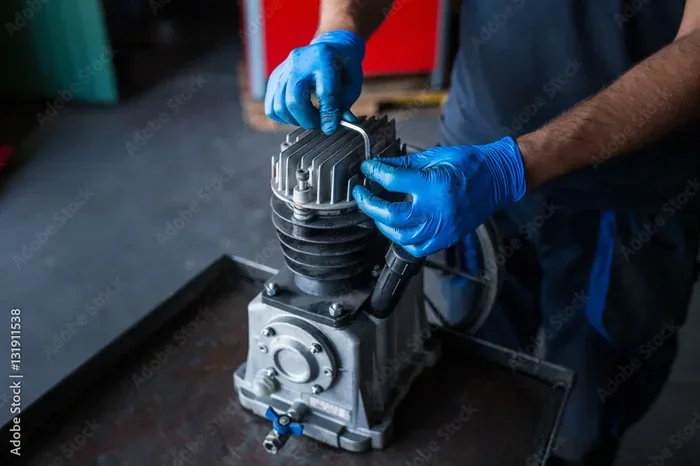
The compressor is the main pump in your fridge. It squeezes the refrigerant gas and pushes it through the system. This process creates the cooling effect that keeps your food fresh. Most modern fridges use a hermetic compressor, which means the motor and compressor are sealed together in one unit.
Inside the compressor, you will find a few critical sub-components. These include the compression chamber, the intake valve, and the discharge valve. Together, they move refrigerant through the system in a continuous loop. If any of these fail, your fridge will stop cooling properly.
The Compressor Motor
The motor is what makes the compressor run. It converts electrical energy into mechanical motion. This motion compresses the refrigerant gas and keeps the cooling cycle going. Most fridge compressor motors are single-phase, meaning they run on standard household current.
Motor windings are another important part to know about. These are coils of wire inside the motor that create a magnetic field. When the magnetic field interacts with the rotor, the motor spins. Over time, these windings can break down, especially if the fridge is older or has been under heavy use.
Want to learn more about how fridge compressors actually work? Check out our detailed guide on what a fridge compressor does for a deeper dive into the cooling process.
Key Electrical Components of Fridge Compressor Parts
The compressor does not work alone. Several electrical components help it start, run, and stop at the right times. These parts are small but mighty. When one of them fails, your fridge can stop cooling entirely.
The Start Relay
The start relay gives the compressor motor an extra boost when it first kicks on. Without it, the motor would struggle to start on its own. The relay provides a temporary surge of electricity that gets the motor spinning. Once the motor reaches a certain speed, the relay disconnects.
A faulty start relay is one of the most common causes of fridge compressor problems. You might hear clicking sounds or notice your fridge cycling on and off frequently. Replacing a start relay is usually inexpensive and straightforward.
The Run Capacitor
The run capacitor helps keep the compressor motor running smoothly after it starts. It stores electrical energy and releases it in a steady flow. This keeps the motor running at a consistent speed without overheating.
Capacitors can fail over time, especially in older fridges. A bad capacitor often causes the compressor to hum but not start. If you notice this symptom, the capacitor is a good place to look first.
The Overload Protector
The overload protector is a safety device. It monitors the temperature of the compressor and shuts it off if things get too hot. This prevents the compressor from burning out during heavy use or when the fridge is low on refrigerant.
Overload protectors can sometimes fail themselves, causing the compressor to stop working even when it is not overheating. If your fridge compressor will not turn on at all, a faulty overload protector could be the culprit.
For more on testing these electrical components, see our guide on how to test compressor windings for practical troubleshooting steps.
Common Fridge Compressor Problems and What Causes Them
Fridge compressor parts do not last forever. Wear and tear, electrical issues, and refrigerant problems can all lead to compressor failure. Knowing the common problems helps you catch issues early before they become expensive repairs.
Compressor Won’t Start
This is one of the most frequent complaints homeowners have. The compressor is silent when it should be running. There are several possible causes for this issue. The start relay could be bad, the capacitor might be failed, or the overload protector could have tripped.
Before you assume the compressor itself is dead, check the simpler parts first. A bad start relay costs a fraction of what a new compressor costs. Always rule out the easy fixes first.
Compressor Runs But Does Not Cool
Sometimes the compressor runs but your fridge still does not cool properly. This usually points to a refrigerant issue. Low refrigerant levels mean the compressor is working harder but producing less cooling. It could also indicate a leak somewhere in the system.
Another possibility is a blocked refrigerant line. Debris or moisture inside the line can restrict flow and reduce cooling performance. This type of problem often requires a professional technician to diagnose and fix.
Compressor Makes Strange Noises
A healthy compressor should hum steadily when it runs. Loud buzzing, clicking, or rattling sounds are not normal. These noises often indicate mechanical problems inside the compressor.
Loose internal parts, worn bearings, or a failing motor can all cause unusual sounds. If you hear grinding or loud clicking, turn off the fridge and investigate further. Running a damaged compressor can cause complete failure and expensive repairs.
Want to know the signs your compressor is failing? Read our article on how to know when your AC compressor is bad for symptoms that apply to fridge compressors too.
Compressor Keeps Shutting Off
A compressor that cycles on and off constantly is not operating efficiently. This short cycling can be caused by several factors. A clogged condenser coil, low refrigerant, or a faulty thermostat can all trigger this behavior.
Short cycling puts extra stress on the compressor motor and shortens its lifespan. If you notice this pattern, address it quickly. The longer you wait, the more damage it can do to your fridge compressor parts.
How to Maintain Your Fridge Compressor Parts
Prevention is always better than repair when it comes to your fridge compressor. Regular maintenance keeps all the parts working efficiently and extends the overall life of your appliance. The best part is that most maintenance tasks are simple and do not require special tools.
Clean the Condenser Coils
The condenser coils release heat from the refrigerant. When they get dusty and dirty, the compressor has to work harder to do its job. This extra strain leads to wear and tear over time. Cleaning the coils every six months can make a big difference.
You can use a vacuum or a coil brush to remove dust and debris. If your fridge has coils on the back, pull it away from the wall to access them. For coils on the bottom, check the grille at the base of the fridge.
Check the Door Seals
Worn door seals let warm air into the fridge. This forces the compressor to run longer and harder to maintain the right temperature. Inspect the rubber gaskets around your fridge doors regularly. If they look cracked or loose, replace them right away.
Simple test: close the door on a piece of paper. If you can pull the paper out easily, the seal is not doing its job. A new gasket is a cheap fix that saves your compressor from unnecessary work.
Keep the Fridge Well Stocked (But Not Overpacked)
This might sound surprising, but how full your fridge is affects the compressor. A well-stocked fridge retains cold air better because the food acts as insulation. However, overpacking blocks air circulation and forces the compressor to work harder.
Keep your fridge about three-quarters full for optimal performance. Leave enough space for air to flow around the items inside. This simple habit reduces the workload on your compressor parts and helps them last longer.
Set the Right Temperature
Setting your fridge too cold makes the compressor run constantly. The ideal fridge temperature is between 35 and 38 degrees Fahrenheit. The freezer should be at zero degrees or below. Use a fridge thermometer to check and adjust as needed.
Every degree below the recommended range adds unnecessary wear to the compressor. A small adjustment can save energy and extend the life of your fridge compressor parts significantly.
Schedule Professional Maintenance
While you can handle many maintenance tasks yourself, some things need a professional. A technician can check refrigerant levels, inspect electrical connections, and test the compressor windings. Annual professional maintenance catches small problems before they become big ones.
For more on what a professional inspection involves, see our guide on how to test an HVAC compressor to understand what experts look for during maintenance visits.
When to Replace vs. Repair Your Fridge Compressor
At some point, every homeowner faces the decision: fix or replace? Understanding the condition of your fridge compressor parts helps you make the right call. Sometimes a simple repair fixes the problem. Other times, a full replacement makes more sense financially.
Signs You Need a Replacement
Not all compressor problems can be fixed. Here are signs that replacement might be your best option:
- The compressor is making loud grinding or knocking sounds that do not go away.
- The compressor has seized completely and will not run at all, even after testing the electrical parts.
- Your fridge is more than 10 years old and the compressor has failed multiple times.
- Refrigerant leaks are severe and the system has been contaminated with moisture or debris.
- The cost of repair exceeds half the price of a new fridge.
Replacing a fridge compressor can cost anywhere from $400 to $1,000 or more, depending on the model and labor costs. Get a detailed quote before committing to a major repair. You want to make sure the investment makes sense for your situation.
When Repair Makes Sense
On the other hand, many compressor issues are fixable without replacing the whole unit. Electrical component failures like bad relays, capacitors, or overload protectors are usually inexpensive to repair. These parts are widely available and easy to swap out.
Refrigerant leaks can often be repaired and refilled at a reasonable cost. If the compressor motor is still in good shape and the failure is in an external component, repair is almost always the better choice.
For more information on repair options, check out our guide on how to repair a refrigerator compressor for detailed troubleshooting steps.
Cost Comparison Table
Here is a quick comparison of common repair versus replacement costs for fridge compressor parts:
- Start relay replacement: $20 to $60 (parts and labor)
- Run capacitor replacement: $30 to $80 (parts and labor)
- Overload protector replacement: $40 to $100 (parts and labor)
- Refrigerant leak repair: $150 to $400 depending on severity
- Full compressor replacement: $400 to $1,200 including labor
- New fridge purchase: $800 to $2,500+ depending on size and features
As you can see, replacing individual parts is almost always cheaper than replacing the entire compressor or the whole fridge. Always explore repair options first before making a big purchase decision.
Protecting Your Fridge Compressor Parts for Long Life
Your fridge compressor parts are a significant investment in your home. Taking a few simple steps can protect them and help them last for many years. Prevention is the best maintenance strategy you can follow.
Start by keeping the area around your fridge clean and well-ventilated. The compressor needs good airflow to dissipate heat. If your fridge is pushed tight against the wall, the compressor will run hotter and wear out faster. Leave at least a few inches of clearance on all sides.
Also, avoid opening the fridge door too frequently. Every time you open the door, warm air rushes in and the compressor has to work harder to cool things down. Be intentional about what you grab and close the door quickly. These small habits add up over time.
Finally, pay attention to warning signs. A fridge that is not cooling properly, making unusual noises, or cycling too frequently needs attention. Catching problems early prevents cascading failures that can damage multiple fridge compressor parts at once.
For more on what happens when compressor problems go untreated, read our article on what happens when the AC compressor goes out. The same principles apply to fridge compressors and can help you understand the consequences of neglect.
Taking care of your fridge compressor parts does not have to be complicated. A little knowledge and a few simple habits go a long way. Your fridge will reward you with years of reliable, efficient cooling. And you will save money on energy bills and repairs along the way.
Remember, the compressor is the engine of your fridge. Treat it well, and it will keep your food fresh and your kitchen running smoothly for years to come. Start with the basics today, and your future self will thank you every time you open that cold, refreshing fridge door.
Frequently Asked Questions
How long do fridge compressor parts typically last?
Most fridge compressors last between 10 and 15 years with proper maintenance. Electrical components like relays and capacitors may need replacement every 5 to 8 years. Regular care like cleaning coils and checking seals can extend the life of your fridge compressor parts significantly.
Can I replace fridge compressor parts myself?
Yes, many electrical components like start relays, capacitors, and overload protectors are easy to replace yourself. However, compressor replacement and refrigerant work should be left to a professional. Always unplug the fridge before working on any electrical parts.
How much does it cost to replace fridge compressor parts?
Small electrical parts like relays and capacitors cost between $20 and $100. A full compressor replacement runs $400 to $1,200 including labor. The exact cost depends on your fridge model and the specific part that needs replacing.
What causes fridge compressor parts to fail prematurely?
Common causes include dirty condenser coils, low refrigerant levels, power surges, and frequent power outages. Overworking the compressor by setting the temperature too low also shortens its lifespan. Poor door seals and blocked air vents contribute to premature wear as well.
How do I know if my compressor or another part is the problem?
Start by checking the simpler components first, like the start relay and capacitor. If those are working fine and the compressor still will not run, the compressor itself may be faulty. A multimeter can help you test electrical parts, but a professional diagnosis is best for the compressor unit.
Is it worth replacing fridge compressor parts in an older fridge?
If your fridge is more than 10 years old and the compressor has failed, replacement may not be cost-effective. Compare the repair cost against the price of a new energy-efficient fridge. Newer models use less electricity and often come with better compressor technology that saves money in the long run.