High Pressure Screw Air Compressor Guide and Buying Tips
A high pressure screw air compressor delivers reliable, continuous compressed air at pressures above 150 PSI, making it essential for demanding industrial tasks. This guide covers everything from how these machines work and what features matter most to practical buying tips and real-world applications. Whether you are upgrading your facility or buying your first unit, you will find clear advice to make a confident decision.
If you have ever walked through a busy factory floor, you have probably heard the steady hum of a high pressure screw air compressor running in the background. These machines are the unsung heroes of modern manufacturing. They power pneumatic tools, move materials, and keep production lines moving without interruption.
But choosing the right one is not as simple as picking the shiniest model on the showroom floor. Pressure ratings, airflow capacity, energy efficiency, and maintenance demands all play a role. This guide breaks everything down in plain language so you can make a smart, informed choice.
Whether you run a small workshop or manage a large industrial facility, understanding high pressure screw air compressor technology will save you time, money, and headaches. Let us dive in.
Key Takeaways
- High pressure screw air compressors provide continuous, oil-free or oil-lubricated compressed air at 150 PSI and above for heavy-duty industrial use.
- Key features to evaluate include CFM ratings, PSI range, motor size, cooling system, and air treatment equipment compatibility.
- Rotary screw compressors outperform reciprocating models in durability, maintenance needs, and continuous operation scenarios.
- Top applications include manufacturing, petrochemical, pharmaceutical, and automotive industries where reliable compressed air systems are critical.
- Buying the right unit requires matching your CFM and PSI requirements, evaluating lifecycle costs, and considering energy efficiency.
- Regular compressor maintenance extends lifespan, reduces downtime, and keeps energy consumption low.
- Always consult with a compressed air specialist before making a final purchase decision.
📑 Table of Contents
- What Is a High Pressure Screw Air Compressor?
- How Does a High Pressure Screw Air Compressor Work?
- Key Features to Look For
- High Pressure Screw Air Compressor vs. Other Types
- Top Applications and Industries
- Buying Tips and What to Consider
- Maintenance Tips to Keep Your Compressor Running Strong
- Conclusion
What Is a High Pressure Screw Air Compressor?
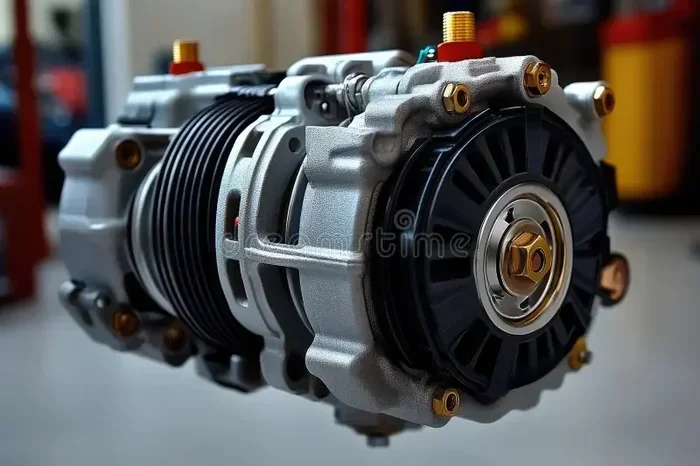
A high pressure screw air compressor is a type of rotary compressor that uses two interlocking helical screws to compress air. Unlike older piston-based machines, screw compressors deliver a steady stream of compressed air with minimal pulsation. They are designed to handle pressures well above 150 PSI, which puts them in the “high pressure” category.
These machines are also known as rotary screw compressors. They come in both oil-lubricated and oil-free configurations. The oil-free versions are especially popular in industries like food processing and pharmaceuticals, where even tiny traces of oil in the compressed air system can cause contamination.
What makes them stand out is reliability. A well-maintained screw compressor can run for decades. They handle continuous duty cycles better than almost any other type of industrial air compressor. That is why you see them in plants that never stop running.
How They Differ from Standard Compressors
Standard compressors typically operate at lower pressures, often below 100 PSI. A high pressure screw air compressor pushes well past that range, sometimes reaching 300 PSI or more. This makes them suitable for applications that need a serious push of air power.
They also tend to be larger and more expensive upfront. However, their compressor efficiency over time often makes them the cheaper option in the long run. Lower maintenance costs and longer service life balance out the initial investment.
How Does a High Pressure Screw Air Compressor Work?
Understanding the basics of how a high pressure screw air compressor works helps you appreciate why it performs so well. The process is elegant in its simplicity.
Air enters through an intake valve at one end of the compressor unit. Inside, two interlocking screws — often called rotors — spin in opposite directions. As the air moves along the screw threads, the volume decreases. This decrease in volume increases the pressure of the air naturally, without needing a piston or valve to force it.
The compressed air then exits through a discharge port and flows into a compressor tank or directly into your compressed air system. An air pressure regulator controls the output pressure to match your specific needs.
The Role of Cooling Systems
Compressing air generates significant heat. That is why almost every high pressure screw air compressor includes a cooling system. Air-cooled models use fans to dissipate heat, while water-cooled models circulate coolant through a separate circuit.
Water-cooled units are more efficient for high-pressure applications. They maintain lower operating temperatures, which reduces wear on internal components. If you are running a compressor at pressures above 200 PSI, cooling becomes a critical factor.
Oil-Lubricated vs. Oil-Free Models
Oil-lubricated screw compressors use oil to seal the rotors and reduce friction. They are highly durable and excellent for heavy industrial use. However, the oil must be filtered out before the air reaches your tools or products.
Oil-free models eliminate this step entirely. They use special coatings and tighter tolerances to compress air without oil contact. This makes them ideal for compressed air applications in cleanroom environments, food processing, and medical facilities.
Key Features to Look For
Not all high pressure screw air compressor units are created equal. When comparing models, focus on these essential features.
CFM and PSI Ratings
CFM stands for cubic feet per minute, and it measures how much air the compressor delivers. PSI stands for pounds per square inch, and it measures the pressure. Together, these two numbers define what your compressor can handle.
For most high pressure applications, you want a unit rated at 150 PSI or higher. But pressure alone does not tell the full story. You also need enough CFM to power all your tools and equipment simultaneously. Undersizing your unit leads to dropped pressure and lost productivity.
Motor Size and Power Source
The motor is the heart of your industrial air compressor. Larger motors deliver more power and higher CFM at elevated pressures. Most high-pressure screw compressors use electric motors, though some models run on diesel or gasoline for mobile applications.
Consider your facility’s power supply before choosing. A high voltage motor may require electrical upgrades, which adds to the upfront cost. Plan for this during your budgeting phase.
Energy Efficiency and Variable Speed Drives
Energy consumption is one of the biggest ongoing costs of running a compressor. Older fixed-speed models run at full power even when demand is low. This wastes electricity and increases wear.
Modern units often include variable speed drives (VSD). These adjust motor speed based on real-time air demand. The result is significant energy savings — sometimes 30% or more. If your facility runs the compressor for many hours each day, a VSD model pays for itself quickly.
Air Treatment and Filtration
Even the best compressed air system needs proper treatment. Moisture, oil vapor, and particles can contaminate your output. Look for units that integrate or pair well with air treatment equipment like dryers, filters, and separators.
Some manufacturers offer bundled packages that include the compressor, dryer, and filtration system. These can simplify installation and ensure everything works together seamlessly.
Noise Levels and Enclosures
Screw compressors are quieter than piston models, but they still generate noticeable noise. If your facility has strict noise regulations or your compressor is near workspaces, look for units with sound-dampening enclosures.
These enclosures can reduce noise by 10 to 15 decibels. That might not sound like much, but it makes a real difference for worker comfort and safety.
Quick Tips
- Always calculate your total CFM demand before selecting a unit size.
- Choose oil-free models for sensitive industries like food and pharma.
- Invest in a VSD model if your compressor runs more than 4 hours daily.
- Factor in installation costs like electrical upgrades and plumbing.
- Request a lifecycle cost analysis, not just the purchase price.
High Pressure Screw Air Compressor vs. Other Types
Before you commit to a high pressure screw air compressor, it helps to understand how it compares to alternatives. Different compressor types serve different needs.
Rotary Screw vs. Reciprocating Compressor
Reciprocating compressors use pistons to compress air. They are great for intermittent use and lower-volume applications. But they wear out faster under continuous high-pressure duty. Maintenance costs climb as you push them to higher PSI levels.
A rotary screw compressor handles continuous operation with ease. The rotors experience less mechanical stress than pistons, leading to longer service intervals and lower downtime. For any operation that runs 24/7 or near 24/7, the screw design wins hands down.
Rotary Screw vs. Centrifugal Compressor
Centrifugal compressors are another option for high-volume, high-pressure air. They use a spinning impeller to accelerate air, then convert that velocity into pressure. They excel at very large scales, often above 1000 CFM.
However, centrifugal units are expensive and complex. They require specialized maintenance and are sensitive to contamination. For most mid-to-large operations, a high pressure screw air compressor offers the best balance of performance, reliability, and cost.
Comparison Table
| Feature | Rotary Screw | Reciprocating | Centrifugal |
|---|---|---|---|
| Pressure Range | Up to 300+ PSI | Up to 150 PSI | Up to 200 PSI |
| Flow Rate (CFM) | 10–2000+ | 1–100 | 200–5000+ |
| Continuous Duty | Excellent | Poor | Excellent |
| Maintenance Needs | Low | High | Very High |
| Upfront Cost | Medium-High | Low-Medium | Very High |
| Best For | Industrial continuous use | Small shops, intermittent use | Very large facilities |
When to Choose Each Type
If you need steady, reliable compressed air at high pressure for long hours, go with a screw compressor. If you only need air occasionally for light tasks, a reciprocating model may suffice. For massive operations with very high airflow demands, consider a centrifugal unit.
For most businesses, the high pressure screw air compressor hits the sweet spot. It offers industrial-grade performance without the complexity and cost of a centrifugal system.
Top Applications and Industries
High pressure screw air compressors serve a wide range of industries. Their versatility and reliability make them indispensable in settings where downtime is costly.
Manufacturing and Assembly
Factories use compressed air to power pneumatic assembly tools, conveyor systems, and automated machinery. A consistent supply of air at the right PSI keeps production lines running smoothly.
Even a brief pressure drop can halt an entire line. That is why manufacturers trust screw compressors for their ability to maintain steady output under heavy demand.
Petrochemical and Oil & Gas
The petrochemical industry demands extremely clean, high-pressure air for processing and instrumentation. Oil-free high pressure screw air compressor units are the standard here. Any contamination could lead to safety hazards or product spoilage.
These compressors also power pneumatic actuators and valves in processing plants. Reliability is non-negotiable in this sector.
Pharmaceutical and Medical
Pharmaceutical manufacturing requires ultra-clean compressed air. The air treatment equipment paired with oil-free screw compressors ensures the air meets strict purity standards.
Medical facilities also rely on compressed air for ventilators, dental tools, and surgical instruments. A high pressure screw air compressor provides the dependable performance these critical applications demand.
Automotive and Body Shops
Auto body shops and manufacturing plants use compressed air for sandblasting, painting, and powering impact wrenches. High-pressure air delivers the force needed for stripping paint and driving heavy-duty fasteners.
Shop owners prefer screw compressors because they handle long shifts without overheating or losing pressure. The compressor maintenance burden is also lower than with piston models.
Food and Beverage Processing
Food processing plants use compressed air for packaging, sorting, and conveyor systems. Oil-free screw compressors prevent any risk of oil contamination reaching food products.
These facilities also require thorough moisture removal. Pairing the compressor with a quality refrigerated dryer and filtration system keeps the compressed air system clean and dry.
Expert Insights
Industry professionals consistently recommend matching your compressor to your peak demand, not your average demand. Running a unit at its maximum capacity continuously shortens its lifespan. Adding a buffer in your CFM rating gives you headroom for unexpected demand spikes and future equipment additions.
Buying Tips and What to Consider
Buying a high pressure screw air compressor is a significant investment. These are not impulse purchases. Taking the time to evaluate your options pays off in years of reliable service.
Assess Your Actual Air Demand
Start by listing every tool and machine that uses compressed air. Note the CFM and PSI requirements for each one. Add up the total demand, then add 20–30% for buffer. This ensures your compressor can handle peak loads without straining.
Many buyers make the mistake of sizing their compressor based on current needs alone. As your operation grows, you will wish you had chosen a slightly larger unit from the start.
Evaluate Lifecycle Costs, Not Just Purchase Price
The sticker price of a high pressure screw air compressor tells only part of the story. Energy costs, maintenance, and downtime often far exceed the initial purchase price over the machine’s lifetime.
Look at the total cost of ownership. A slightly more expensive unit with better compressor efficiency and lower maintenance needs can save thousands of dollars over five to ten years.
Choose a Reputable Manufacturer
Not all compressor brands are equal. Established manufacturers offer better build quality, longer warranties, and more accessible service networks. Look for brands with strong track records in industrial machinery and compressed air technology.
Read independent reviews and talk to other facility managers. Real-world experience often reveals more than marketing materials ever will.
Consider Installation and Facility Requirements
Your compressor needs adequate space, proper ventilation, and a suitable power supply. Measure your available space before ordering. Some high-pressure units are quite large and require dedicated rooms.
Also consider noise. If the compressor will be indoors near workers, invest in an enclosed or sound-attenuated model. Worker comfort directly impacts productivity.
Plan for Future Expansion
Choose a compressor that can grow with your business. Modular designs allow you to add units or upgrade components as demand increases. This approach spreads costs over time and avoids disruptive replacements.
Some manufacturers offer retrofit kits that boost pressure or CFM on existing units. This can be a cost-effective way to extend the life of your current compressed air system.
Common Mistakes to Avoid
- Undersizing the compressor to save money upfront.
- Ignoring energy costs when comparing models.
- Skipping regular compressor maintenance schedules.
- Choosing oil-lubricated models for cleanroom or food applications.
- Not factoring in future expansion when sizing the unit.
- Overlooking the importance of proper air treatment equipment.
Quick Tips for Buyers
- Get quotes from at least three suppliers before deciding.
- Ask about lead times and after-sales support.
- Request a site assessment from the manufacturer or distributor.
- Check whether the unit includes a warranty on parts and labor.
- Inquire about training for your maintenance team.
Maintenance Tips to Keep Your Compressor Running Strong
Owning a high pressure screw air compressor comes with responsibility. Regular maintenance keeps your machine running efficiently and extends its service life significantly.
Routine Maintenance Tasks
Check the oil level regularly if you have an oil-lubricated model. Change the oil and filters according to the manufacturer’s schedule. Inspect intake filters for clogs, as dirty filters reduce efficiency and increase energy consumption.
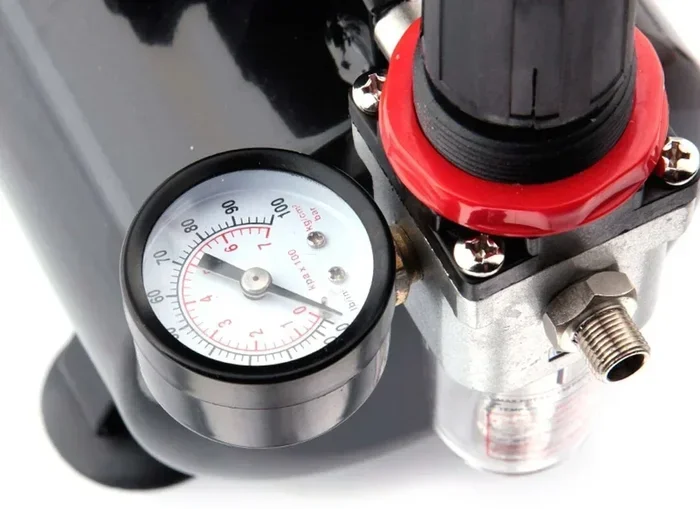
Monitor the air pressure regulator and safety valves. Test them periodically to ensure they function correctly. A failing pressure relief valve can be dangerous, especially at high pressures.
Monitoring Performance Over Time
Keep track of your compressor’s CFM and PSI output over time. A gradual decline in performance often signals wear or contamination. Catching these issues early prevents costly breakdowns.
Many modern units include monitoring systems that track operating conditions in real time. Use this data to optimize your compressor maintenance schedule and identify trends before they become problems.
When to Call a Professional
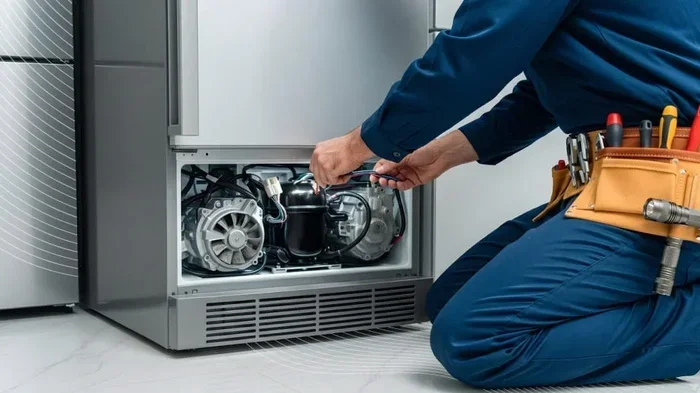
Some tasks are best left to trained technicians. Major overhauls, rotor inspections, and electrical repairs should always be performed by qualified professionals. Attempting complex repairs without proper expertise can void your warranty and create safety hazards.
Building a relationship with a trusted service provider ensures your industrial air compressor gets the care it needs. Many manufacturers offer service contracts that include regular inspections and priority repairs.
Conclusion
A high pressure screw air compressor is more than just a piece of equipment. It is the backbone of countless industrial operations. From manufacturing floors to pharmaceutical cleanrooms, these machines deliver the reliable, high-pressure compressed air that modern production depends on.
By understanding how they work, what features matter most, and how to avoid common buying mistakes, you can choose a unit that serves your needs for years to come. Focus on matching CFM and PSI to your actual demand, prioritize energy efficiency, and never underestimate the value of proper compressor maintenance.
Take your time, do your research, and invest wisely. The right high pressure screw air compressor will pay for itself many times over through reliability, efficiency, and years of dependable service. Your facility deserves nothing less.
Frequently Asked Questions
What PSI is considered high pressure for a screw air compressor?
A high pressure screw air compressor typically operates at 150 PSI or above. Some industrial models reach 300 PSI or more, depending on the application and configuration. Always check the specific pressure rating before purchasing to ensure it meets your needs.
How long does a high pressure screw air compressor last?
With proper compressor maintenance, a quality screw compressor can last 15 to 25 years or more. The rotors and bearings are designed for extended continuous use. Regular oil changes, filter replacements, and professional inspections all contribute to a longer lifespan.
Are oil-free high pressure screw compressors worth the extra cost?
Yes, for industries that require clean, contaminant-free air, oil-free models are worth the investment. They eliminate the need for additional air treatment equipment and reduce the risk of product contamination. This makes them ideal for food processing, pharmaceuticals, and electronics manufacturing.
Can I use a high pressure screw compressor for home or small shop use?
While these compressors are designed for industrial use, smaller models can work well for serious workshops and small manufacturing operations. However, the upfront cost is higher than simpler compressors. Evaluate whether the durability and continuous duty cycle justify the investment for your specific needs.
What is the difference between CFM and SCFM?
CFM stands for cubic feet per minute, which measures actual airflow at operating conditions. SCFM stands for standard cubic feet per minute, which measures airflow at standardized temperature and pressure. When comparing high pressure screw air compressor units, SCFM gives you a more accurate picture of performance because it removes the variables of temperature and pressure.
How much energy does a high pressure screw air compressor consume?
Energy consumption depends on the unit size, pressure rating, and hours of operation. A typical industrial high pressure screw air compressor uses between 10 and 100 kilowatts. Units with variable speed drives consume significantly less energy by adjusting output to match real-time demand, often reducing electricity costs by 20 to 40 percent.
=== CONCLUSION ===
Choosing the right high pressure screw air compressor comes down to understanding your needs and matching them to the right equipment. Focus on CFM, PSI, energy efficiency, and long-term maintenance costs. Avoid the common traps of undersizing and ignoring lifecycle costs. With the right unit and proper care, your compressed air system will deliver reliable performance for decades.