Auto AC Compressor Repair Everything You Need to Know
Auto AC compressor repair is essential for keeping your car comfortable in hot weather. This guide covers the most common signs of a failing compressor, what causes breakdowns, and how to fix the problem yourself or with a mechanic. You will learn practical tips, real costs, and expert advice to save time and money on your car AC compressor repair.
Your car’s air conditioning system works hard, especially during summer months. At the heart of that system sits the auto AC compressor. It is the component that pressurizes and circulates refrigerant through your car air conditioning system. When it goes wrong, your cabin turns into a sauna fast.
Whether you are hearing strange noises, noticing warm air from the vents, or dealing with a compressor that won’t engage at all, this guide has you covered. We will walk you through everything you need to know about auto AC compressor repair. From understanding how the compressor works to diagnosing problems and fixing them, you will find clear, practical advice here.
Many car owners put off AC repairs because they assume the cost will be high. But not all compressor problems require a full replacement. Some issues are simple and affordable to fix. This article breaks down every scenario so you can make informed decisions about your car AC compressor repair.
We have organized this guide into easy-to-follow sections. Each one tackles a different aspect of compressor repair. You will learn how to spot trouble early, understand what went wrong, and decide the best path forward. Let us dive in and get your car cooling again.
Key Takeaways
- Spot the Warning Signs Early: Knowing the symptoms of a bad AC compressor can save you from costly breakdowns on hot days.
- Understand the Root Causes: Refrigerant leaks, electrical issues, and worn clutch components are the top reasons compressors fail.
- DIY Repair Is Possible: Many common compressor problems can be fixed at home with basic tools and a little know-how.
- Know the Costs: AC compressor repair costs vary widely, ranging from minor fixes to full replacement.
- Prevent Future Failures: Regular maintenance and timely inspections extend the life of your auto AC compressor.
- Act Fast When Problems Appear: Ignoring AC compressor issues can lead to bigger, more expensive damage across the entire AC system.
📑 Table of Contents
- How Your Auto AC Compressor Works
- Common Symptoms of a Failing AC Compressor
- What Causes AC Compressor Failure
- How to Diagnose AC Compressor Problems
- How to Repair Your Auto AC Compressor
- Auto AC Compressor Repair Costs
- How to Prevent AC Compressor Problems
- When to Call a Professional vs DIY Repair
- Key Takeaways
How Your Auto AC Compressor Works
The AC compressor is often called the heart of your car’s air conditioning system. It compresses refrigerant gas and pushes it through the system. This process is what creates the cold air you feel inside your vehicle.
Here is a simple breakdown of how it works:
- The compressor draws in low-pressure refrigerant gas from the evaporator.
- It compresses that gas into high-pressure, high-temperature gas.
- The hot gas then flows to the condenser, where it releases heat.
- The refrigerant cools and becomes a liquid, then cycles back to the compressor.
The compressor clutch plays a key role in this process. It engages and disengages the compressor based on your AC settings. When you turn the AC on, the clutch connects the compressor to the engine. When you turn it off, the clutch releases. If the clutch fails, the compressor cannot do its job.
Understanding this basic cycle helps you grasp why certain symptoms point to specific problems. For example, if the clutch is not engaging, you might have an electrical issue or a worn clutch coil. If the compressor is making grinding noises, internal components may be damaged.
Common Symptoms of a Failing AC Compressor
Knowing the warning signs of a bad auto AC compressor is the first step toward fixing the problem. Catching these symptoms early can prevent further damage to your AC system and save you money.
Warm Air From the Vents
This is the most obvious sign. If your AC blows warm or room-temperature air, the compressor may not be compressing refrigerant properly. It could be a refrigerant leak, a failed clutch, or internal compressor damage.
Strange Noises When AC Is On
Listen for grinding, squealing, or clicking sounds. A grinding noise often means worn bearings inside the compressor. Clicking can indicate a failing clutch or loose components. Any unusual noise deserves immediate attention.
Compressor Clutch Not Engaging
If the clutch does not engage when you turn on the AC, the compressor stays idle. This could be caused by a bad clutch coil, low refrigerant, or a faulty high pressure switch. Sometimes the issue is as simple as a blown fuse or a wiring problem.
Refrigerant Leaks Around the Compressor
You may notice oily residue or visible leaks near the compressor shaft seal. Refrigerant leaks reduce system pressure and prevent proper cooling. Over time, low refrigerant levels cause the compressor to overheat and fail.
AC Compressor Tripping or Shutting Off
If your AC system cycles on and off frequently, the compressor may be overheating. This can happen due to low refrigerant, a clogged condenser, or electrical issues. Frequent cycling wears out the compressor faster.
What Causes AC Compressor Failure
Understanding the root causes of compressor failure helps you prevent future problems. Most compressor issues do not happen overnight. They develop over time due to neglect or specific damaging conditions.
Low Refrigerant Levels
When refrigerant levels drop, the compressor has to work harder to cool the air. This causes overheating and premature wear. Low refrigerant is usually a sign of a leak somewhere in the AC system. You should always fix the leak before recharging the system.
Moisture Contamination
Moisture entering the AC system can cause serious damage. It mixes with refrigerant and creates acidic compounds that corrode internal compressor parts. This is why it is important to have the system flushed properly during repairs.
Electrical Problems
Wiring issues, corroded connectors, or a faulty pressure switch can prevent the compressor from receiving power. Electrical problems are among the most common causes of compressor not turning on. A thorough AC compressor diagnosis should always include checking the electrical components.
Worn or Damaged Clutch
The compressor clutch endures a lot of wear over time. When the clutch wears out, it cannot engage the compressor properly. Replacing the clutch alone is often cheaper than replacing the entire compressor unit.
Blocked or Clogged Condenser
A clogged condenser restricts refrigerant flow and causes pressure buildup. This puts extra strain on the compressor and can lead to overheating. Cleaning or replacing the condenser can relieve this pressure and protect the compressor.
Lack of Regular Maintenance
Simple things like checking refrigerant levels, inspecting belts, and cleaning condenser fins go a long way. Skipping routine maintenance is one of the biggest reasons compressors fail prematurely. A little prevention goes a very long way.
How to Diagnose AC Compressor Problems
Diagnosing your auto AC compressor correctly is the key to choosing the right repair. You do not need to be a professional mechanic, but you should follow a systematic approach.
Step 1: Check the AC Compressor Clutch
Start the engine and turn the AC to maximum cold. Look at the compressor clutch. Does it engage? If not, check the electrical connections and the clutch coil for power. You can also try jump starting the AC compressor clutch to see if it responds. If the clutch engages when jumped, the problem is likely in the control circuit or pressure switch.
Step 2: Check Refrigerant Pressure
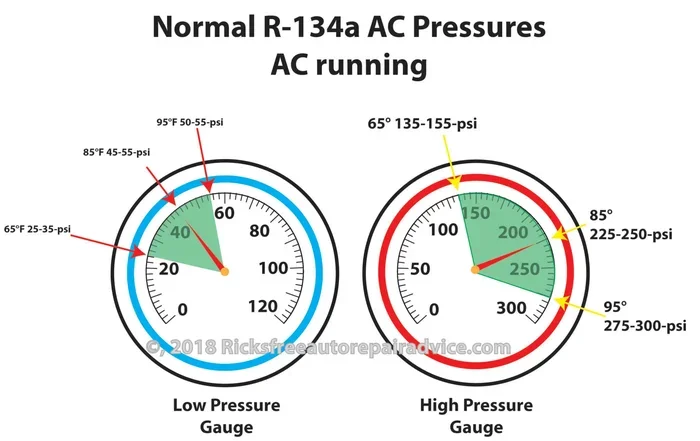
Use AC pressure gauges to check both high-side and low-side pressures. Low pressure on both sides often means a refrigerant leak. High pressure on the low side and low pressure on the high side may indicate a compressor that is not pumping correctly. Checking AC compressor pressure readings is one of the most valuable diagnostic steps you can take.
Step 3: Inspect for Visible Damage
Look at the compressor body for oil leaks, damaged wiring, or loose fittings. Check the drive belt for wear or looseness. A damaged belt can cause the compressor to slip or not engage at all.
Step 4: Test Compressor Windings
Using a multimeter, you can test the compressor windings for continuity. This helps determine if the compressor motor is still functional. Testing compressor windings is a straightforward process that can save you from unnecessary compressor replacement.
If you are not comfortable performing these checks yourself, take your vehicle to a qualified technician. A professional AC compressor diagnosis can pinpoint the exact problem quickly and accurately.
How to Repair Your Auto AC Compressor
Once you have identified the problem, it is time to fix it. The repair method depends on what is wrong with your compressor. Here are the most common repair approaches.
Fixing the Compressor Clutch
If the clutch is the only bad component, you may not need to replace the entire compressor. Replacing the clutch involves removing the old unit and installing a new one. This is a moderately challenging repair but well within reach for DIY enthusiasts. Make sure to disconnect the battery before starting any electrical work on the AC system.
Replacing Refrigerant and Sealing Leaks
If your compressor is failing due to low refrigerant, you must first find and repair any leaks. Common leak points include the shaft seal, fitting connections, and the condenser. After repairs, the system should be evacuated and recharged with the correct amount of refrigerant. Always use the recommended refrigerant type for your vehicle.
Repairing Electrical Issues
Fixing wiring problems, replacing pressure switches, or repairing the clutch coil can restore compressor function. Start by checking fuses and relays. Then inspect wiring harnesses for corrosion or damage. Clean connectors and replace any faulty components. These repairs are usually affordable and straightforward.
Full Compressor Replacement
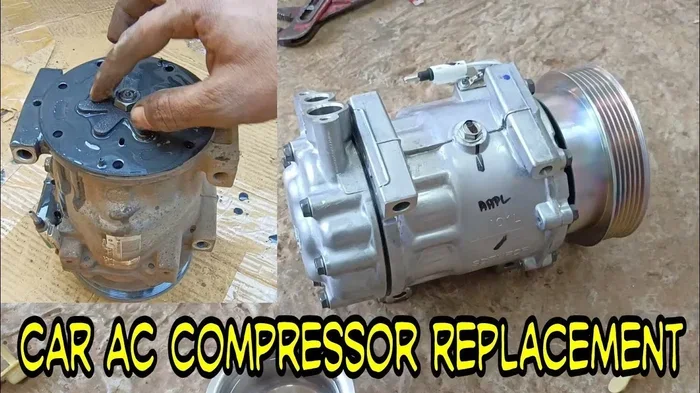
When the compressor is internally damaged beyond repair, full replacement is the only option. This involves removing the old compressor, installing a new one, and properly flushing the entire AC system. The system must also be evacuated and recharged with refrigerant and oil. How to fix an AC compressor through full replacement is a job best left to experienced technicians unless you have solid mechanical skills.
If you want to tackle the repair yourself, start by reading our guide on how to fix an AC compressor for detailed step-by-step instructions.
Auto AC Compressor Repair Costs
Cost is always a major factor when dealing with AC compressor repair. The final cost depends on the type of repair, your vehicle model, and whether you do the work yourself or hire a mechanic.
| Repair Type | Typical Cost Range | Difficulty Level |
|---|---|---|
| Clutch Replacement | $200 – $500 | Moderate |
| Refrigerant Leak Repair + Recharge | $150 – $400 | Easy to Moderate |
| Electrical Repair (Switch/Wiring) | $100 – $300 | Easy |
| Full Compressor Replacement | $800 – $1,500 | Hard |
Keep in mind that these are average estimates. Costs can vary based on your location, the make and model of your vehicle, and labor rates in your area. If you are considering a full replacement, you may want to check how much it costs to replace an AC compressor in a car for more detailed pricing information.
One important thing to remember: ignoring a failing compressor almost always leads to higher costs down the road. A small repair today can prevent a major expense tomorrow.
How to Prevent AC Compressor Problems
Prevention is always better than repair. A few simple habits can significantly extend the life of your auto AC compressor and keep your car AC repair costs low.
- Run your AC regularly: Even in winter, run the AC for a few minutes each week. This keeps the seals lubricated and prevents the system from drying out.
- Check refrigerant levels annually: Low refrigerant is the number one killer of AC compressors. Have a professional check your levels at least once a year.
- Replace cabin air filters: A clean filter allows proper airflow, which reduces strain on the entire AC system.
- Inspect the condenser: Keep the condenser free of debris, dirt, and bugs. A clean condenser improves efficiency and reduces compressor workload.
- Address leaks immediately: If you notice any refrigerant leaks, have them repaired right away. Driving with low refrigerant damages the compressor over time.
- Use the right refrigerant and oil: Always use manufacturer-recommended refrigerant and compressor oil. Mixing types can cause chemical reactions that damage internal parts.
If you want to learn more about what causes compressors to break down, read our article on what causes AC compressor to fail for in-depth insights into failure points and prevention strategies.
When to Call a Professional vs DIY Repair
Deciding between a DIY repair and calling a professional depends on your skill level, tools, and the complexity of the problem.
DIY is a good option when:
- The problem is simple, like a blown fuse or loose connection.
- You have basic hand tools and a multimeter.
- You feel comfortable working around refrigerant and electrical components.
- The repair involves the clutch or simple electrical parts.
Call a professional when:
- The compressor needs to be fully replaced.
- You need to evacuate and recharge the AC system.
- There are internal compressor failures that require specialized tools.
- You are unsure about the diagnosis and want a thorough inspection.
For those who prefer professional help, understanding the basics of auto AC compressor repair helps you communicate better with your mechanic. You will know what questions to ask and what repairs are truly necessary. This knowledge protects you from being quoted for unnecessary work.
Key Takeaways
- Know the warning signs: Warm air, strange noises, clutch issues, and refrigerant leaks are the top symptoms of a failing compressor.
- Diagnose systematically: Check the clutch, refrigerant pressure, visible damage, and electrical components in that order.
- Repair options vary: From simple clutch replacements to full compressor swaps, the fix depends on the severity of the problem.
- Costs range widely: Minor repairs cost $100 to $500, while full replacement can run $800 to $1,500 or more.
- Prevention pays off: Regular maintenance, running the AC year-round, and fixing leaks quickly keep your compressor healthy.
- Do not ignore symptoms: Early intervention saves money and prevents cascading damage to the entire AC system.
Auto AC compressor repair does not have to be intimidating. With the right knowledge and a systematic approach, you can tackle most common problems confidently. Whether you choose to fix it yourself or visit a mechanic, understanding your compressor is the first step toward a cooler, more comfortable ride.
Take action today. If your AC is not performing at its best, do not wait for summer heat to make the problem worse. Diagnose the issue, choose the right repair path, and get back to enjoying cool air on every drive. Your car AC compressor will thank you for it.
Frequently Asked Questions
How long does an auto AC compressor last?
Most auto AC compressors last between 8 and 12 years or around 100,000 to 150,000 miles with proper maintenance. However, driving habits, climate, and how well you maintain the system all affect compressor lifespan. Regular checks and timely repairs can help your compressor reach or even exceed its expected life.
Can I drive with a bad AC compressor?
Yes, you can usually drive with a bad AC compressor, but it depends on the severity of the problem. If the compressor is making loud noises or the clutch is dragging, it could affect the engine belt and cause additional issues. It is best to address compressor problems sooner rather than later to avoid bigger repairs down the road.
How much does it cost to repair an AC compressor in a car?
Repair costs vary widely depending on the issue. A clutch replacement might cost $200 to $500, while a full compressor replacement can range from $800 to $1,500. Electrical repairs are usually the most affordable, often under $300. Always get a detailed quote before authorizing any work.
What happens when the AC compressor goes out completely?
When the compressor fails completely, your AC system stops producing cold air entirely. The compressor may also make loud grinding or clicking noises. In some cases, a failed compressor can damage other components like the condenser or cause refrigerant leaks. It is important to address compressor failure promptly to protect the rest of the system.
Can low refrigerant cause AC compressor failure?
Yes, low refrigerant is one of the most common causes of AC compressor failure. When refrigerant levels drop, the compressor has to work harder and can overheat. Over time, this leads to premature wear and eventual failure. Always fix refrigerant leaks and recharge the system to the proper level.
Is it better to repair or replace an AC compressor?
It depends on the type of damage. If only the clutch is bad, replacing just the clutch is usually the better option. However, if the compressor has internal damage like worn bearings or a failed motor, full replacement is necessary. A professional diagnosis will help you determine which path makes the most sense for your situation.