What Does It Cost to Replace an Air Conditioner Compressor
The cost to replace an air conditioner compressor typically ranges from $1,200 to $2,800 for parts and labor combined. Several factors influence the final price, including the type of compressor, unit size, and whether you choose repair or full replacement. Understanding these costs helps you make informed decisions about your HVAC system.
Key Takeaways
- Average replacement cost: Expect to pay between $1,200 and $2,800 for compressor replacement.
- Compressor type matters: Scroll, reciprocating, and rotary compressors each have different price points.
- Repair vs. replacement: Sometimes replacing the entire AC unit is more cost-effective than just the compressor.
- Warranty can help: Many compressors come with warranties that cover parts or full replacement.
- DIY is risky: Compressor replacement requires professional HVAC skills and specialized tools.
- Timing matters: Replacing during off-season can save you hundreds of dollars.
📑 Table of Contents
- What Does It Cost to Replace an Air Conditioner Compressor?
- Understanding Your AC Compressor and Its Role
- Signs Your AC Compressor Needs Replacement
- Average Cost to Replace an AC Compressor
- Factors That Affect Compressor Replacement Cost
- Compressor Repair vs. Replacement: Which Makes Sense?
- How to Save Money on Compressor Replacement
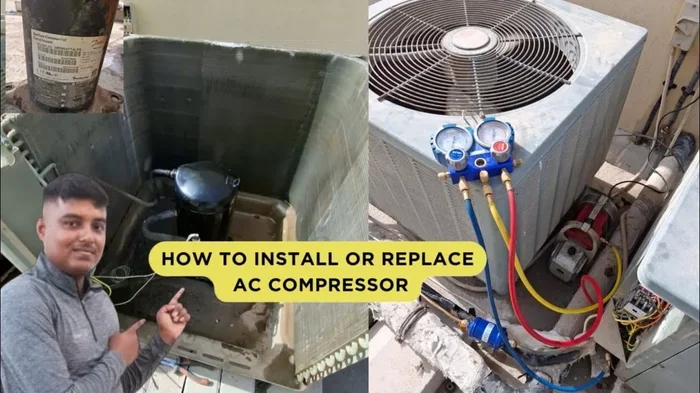
- The Compressor Replacement Process: What to Expect
- How Long Does a Compressor Last?
- When to Call a Professional vs. DIY
- FAQ Section
- Conclusion
What Does It Cost to Replace an Air Conditioner Compressor?
If your air conditioner has been acting up, you might be wondering about the air conditioner compressor replacement cost. The good news is that this is a common repair, and most homeowners can find a solution that fits their budget. In this guide, we break down everything you need to know about replacing your AC compressor.
The AC compressor replacement cost varies based on several factors. These include the type of compressor, the size of your unit, and where you live. On average, most homeowners spend between $1,200 and $2,800. This covers both parts and labor. But the range can go higher depending on your specific situation.
Your air conditioning compressor is the heart of your cooling system. It pumps refrigerant through the unit and keeps your home comfortable. When it fails, the whole system stops working. That is why understanding the costs and options is so important.
Let us walk through everything step by step. By the end of this article, you will know exactly what to expect and how to save money.
Understanding Your AC Compressor and Its Role
The compressor is one of the most important parts of your central air conditioning compressor system. Without it, your AC cannot cool your home. It works by compressing refrigerant gas and pushing it through the coils to remove heat from your indoor air.
How the Compressor Works
Think of the compressor as the engine of your air conditioner. It takes low-pressure gas and turns it into high-pressure gas. This process generates heat, which is then released outside. The refrigerant cools down and cycles back inside to absorb more heat.
This cycle repeats over and over. When the compressor works well, you barely notice it. But when it starts to fail, you will feel the difference right away.
Common Types of AC Compressors
Not all compressors are the same. Different types come with different price tags and performance levels. Here is a quick look at the most common types:
- Scroll compressors: These are the most common in modern homes. They are reliable and quiet. Replacement cost typically falls in the mid-range.
- Reciprocating compressors: These use pistons to compress refrigerant. They are durable but can be noisier. They are common in older units.
- Rotary compressors: These are compact and energy-efficient. They are often found in smaller units and mini-split systems.
- Variable-speed compressors: These adjust their speed based on cooling demand. They are the most efficient but also the most expensive to replace.
The type of compressor you have will directly affect the AC compressor replacement cost. Scroll compressors are the easiest and cheapest to replace. Variable-speed units cost more but offer better efficiency over time.
Signs Your AC Compressor Needs Replacement
Not all compressor problems mean you need a full replacement. But certain signs point to a serious issue. Here are the most common warning signals:
- Warm air from vents: If your AC blows warm air, the compressor may not be pumping refrigerant properly.
- Strange noises: Clicking, grinding, or rattling sounds can indicate compressor damage.
- Frequent cycling: If your unit turns on and off too often, the compressor may be struggling.
- Ice buildup on coils: This often signals low refrigerant, which can stress the compressor.
- High energy bills: A failing compressor works harder and uses more electricity.
- Age of the unit: Compressors in units over 10 to 15 years old are more likely to fail.
If you notice any of these signs, call an HVAC professional right away. Catching the problem early can sometimes save you from a full compressor replacement cost. A simple repair might do the trick.
Average Cost to Replace an AC Compressor
The compressor replacement cost depends on several factors. Let us break down the numbers so you have a clear picture.
Parts and Labor Breakdown
Here is a general cost breakdown for replacing an air conditioner compressor:
- Compressor part alone: $400 to $1,200 depending on the type and brand.
- Labor costs: $500 to $1,500 for installation and refrigerant recharge.
- Additional parts: $100 to $300 for filters, capacitors, or refrigerant lines if needed.
- Total average cost: $1,200 to $2,800 for most residential units.
Keep in mind that these are national averages. Your actual cost may be higher or lower depending on where you live and the specifics of your unit.
Cost by Compressor Type
Different compressor types come with different price ranges. Here is a quick comparison:
- Scroll compressor replacement: $1,200 to $2,000
- Reciprocating compressor replacement: $1,000 to $2,200
- Rotary compressor replacement: $1,500 to $2,500
- Variable-speed compressor replacement: $1,800 to $3,500
Variable-speed compressors cost more upfront. But they save money on energy bills over time. This is an important factor to consider when weighing your options.
Factors That Affect Compressor Replacement Cost
Why does the air conditioner compressor replacement cost vary so much? Several key factors play a role.
Size and Capacity of Your Unit
Larger units need bigger compressors. A 3-ton unit will cost less to replace than a 5-ton unit. The size of your system directly affects both the part cost and the labor involved.
Getting the right size is critical. If your compressor is too small, it will work overtime and fail sooner. If it is too large, it will short-cycle and waste energy. Proper sizing is the foundation of a good installation.
Age and Condition of Your AC Unit
Older units often have compressors that are harder to find. This can drive up the parts cost. In some cases, the AC unit compressor may be obsolete, requiring a full unit replacement instead.
Newer units under warranty may have the compressor covered. Always check your warranty before paying out of pocket. Many manufacturers offer 5 to 10-year compressor warranties on newer models.
Geographic Location
Where you live affects labor costs significantly. HVAC labor rates are higher in cities and areas with a high cost of living. Rural areas may have lower labor costs but fewer available technicians.
Seasonal demand also plays a role. During peak summer months, technicians charge more because demand is high. Scheduling your replacement in the spring or fall can save you money.
Refrigerant Type and Recharge
Older units may use R-22 refrigerant, which is being phased out. Recharging with R-22 is expensive and increasingly difficult. Newer units use R-410A or R-32 refrigerant, which is more affordable and widely available.
If your unit uses R-22, you might want to consider replacing the entire unit. The cost of refrigerant alone can add several hundred dollars to your bill.
Electrical and Ductwork Considerations
Sometimes compressor replacement reveals other issues. Old wiring, damaged ductwork, or failing capacitors may need attention. These additional repairs can add $200 to $800 to the total cost.
It is a good idea to ask your technician to inspect the full system while they are working. Catching other problems early prevents surprises down the road.
Compressor Repair vs. Replacement: Which Makes Sense?
Not every compressor problem requires a full replacement. Sometimes a repair is all you need. But how do you know which option makes sense?
When Repair Is the Better Choice
Consider repair if:
- Your unit is less than 5 years old.
- The repair cost is less than $500.
- The issue is minor, like a faulty capacitor or refrigerant leak.
- Your compressor is still under warranty.
Minor repairs can extend the life of your compressor by several years. A simple refrigerant recharge or capacitor replacement costs much less than a full compressor motor replacement.
When Replacement Is the Better Choice
Consider replacement if:
- Your unit is over 10 years old.
- The repair cost exceeds $1,500.
- The compressor has seized or suffered internal damage.
- You have multiple recurring issues with the same unit.
Replacing an old compressor in an aging unit is often not worth the money. You may spend $2,000 or more on a compressor that could fail again in a year or two. In these cases, replacing the entire unit is usually the smarter investment.
Some homeowners also use this opportunity to upgrade to a more efficient system. A new central air conditioning compressor unit can save you 20 to 40 percent on cooling costs each year.
How to Save Money on Compressor Replacement
Replacing a compressor does not have to break the bank. Here are some practical tips to help you reduce costs.
Get Multiple Quotes
Always get at least three quotes from licensed HVAC professionals. Prices can vary widely between contractors. Comparing quotes gives you a better sense of fair pricing in your area.
Ask each contractor for a detailed breakdown of parts and labor. This transparency helps you spot any inflated charges or unnecessary add-ons.
Check Your Warranty
Many compressors come with a parts warranty or a labor warranty. If your unit is still under the manufacturer’s warranty, you could save hundreds of dollars. Keep your warranty documents handy when you call for service.
Consider Off-Season Timing
HVAC companies often offer lower rates during the spring and fall. These are off-peak seasons when demand is lower. Scheduling your replacement outside of summer can save you 10 to 20 percent on labor costs.
This is also a great time to explore other home system upgrades. For example, if you are replacing your compressor, you might also want to look into backup power options. Many homeowners ask about how much does a generator cost as a way to keep their home running during outages. Having a backup generator can protect your new HVAC system from power surges and keep your home comfortable year-round.
Maintain Your System Regularly
The best way to avoid costly compressor replacements is through regular maintenance. Simple steps like changing filters, cleaning coils, and scheduling annual tune-ups can extend the life of your compressor significantly.
Most HVAC professionals recommend a maintenance visit at least once a year. Spring is the best time to prepare your AC for the summer cooling season.
Explore Financing Options
If the cost is too high to pay upfront, many HVAC companies offer financing plans. These allow you to spread the cost over several months or years. Some manufacturers also offer promotional financing for new units.
Check with your contractor about available financing options. This can make a big air conditioner compressor replacement more manageable for your budget.
The Compressor Replacement Process: What to Expect
Understanding the replacement process helps you feel more confident and prepared. Here is what typically happens when you replace an AC compressor.
Step 1: Diagnosis and Inspection
The technician will start by diagnosing the problem. They will check refrigerant levels, inspect electrical connections, and test the compressor motor. This step usually takes 30 to 60 minutes.
Step 2: System Shutdown and Recovery
Next, the technician will safely shut down the system and recover any remaining refrigerant. This must be done properly to comply with environmental regulations. Refrigerant recovery takes about 30 minutes.
Step 3: Compressor Removal and Installation
The old compressor is carefully removed and the new one is installed. This is the most labor-intensive step and typically takes 2 to 4 hours. The technician will also check and replace any related components like capacitors or contactors.
Step 4: Refrigerant Recharge and Testing
After installation, the system is recharged with refrigerant. The technician will then run the unit to test for proper operation. They will check for leaks, measure pressure, and verify cooling performance. This final testing phase takes about 30 to 60 minutes.
The entire process typically takes one full day. Some complex installations may require a second visit. Your technician will give you a clear timeline before starting the work.
During the installation, you may also want to discuss electrical upgrades with your technician. If you are considering adding a backup power source, learning about how to hook a generator to your house can be very valuable. A properly connected generator can protect your new compressor and entire HVAC system from power-related damage during outages.
How Long Does a Compressor Last?
Most AC compressors last between 12 and 15 years with proper maintenance. Some units last even longer, reaching 20 years or more. But compressor lifespan depends on several factors.
Regular maintenance is the biggest factor in compressor longevity. Units that receive annual tune-ups tend to last significantly longer than neglected systems. Other factors include:
- Usage patterns: Units in hot climates run more and may wear out faster.
- Installation quality: A properly installed compressor lasts longer than a poorly installed one.
- Refrigerant levels: Low refrigerant puts extra strain on the compressor motor.
- Electrical stability: Power surges and voltage fluctuations can damage compressors over time.
If your compressor is approaching the end of its lifespan, replacement may be more practical than repeated repairs. Planning ahead gives you time to budget and choose the best option for your home.
When to Call a Professional vs. DIY
Some homeowners wonder if they can replace a compressor themselves. The short answer is: no. Compressor replacement is a complex job that requires professional training and equipment.
Here is why you should always hire a licensed HVAC professional:
- Refrigerant handling: Federal law requires certified technicians to handle refrigerant.
- Electrical safety: Compressors involve high-voltage electrical connections that can be dangerous.
- Specialized tools: Proper installation requires tools like vacuum pumps, pressure gauges, and refrigerant scales.
- Warranty protection: DIY installation often voids the manufacturer’s warranty on the new compressor.
Trying to save money with a DIY approach can lead to costly mistakes. A botched installation can damage the new compressor, void your warranty, and even create safety hazards. Always leave this job to the professionals.
When hiring a contractor, look for licensed and insured HVAC companies with good reviews. Ask about their experience with your specific compressor type. A well-chosen contractor will ensure the job is done right the first time.
FAQ Section
How much does it cost to replace an air conditioner compressor?
The average cost to replace an air conditioner compressor ranges from $1,200 to $2,800. This includes both the compressor part and labor. The exact price depends on the compressor type, unit size, and your location. Getting multiple quotes from licensed HVAC professionals will give you the most accurate estimate for your situation.
Is it worth replacing a compressor on an old AC unit?
It depends on the age and condition of your unit. If your AC is less than 5 years old, replacing the compressor is usually worth it. If the unit is over 10 years old and has other issues, replacing the entire unit may be a better investment. A professional HVAC technician can help you evaluate the best option based on your specific situation.
How long does compressor replacement take?
Most compressor replacements take one full day, typically 6 to 8 hours. The process includes diagnosis, refrigerant recovery, compressor removal and installation, and system testing. Some complex installations may require additional time or a second visit. Your technician will provide a clear timeline before starting the work.
Can a compressor be repaired instead of replaced?
Yes, some compressor problems can be repaired. Minor issues like a faulty capacitor or refrigerant leak are often repairable. However, internal compressor damage or a seized compressor usually requires full replacement. A professional diagnosis will determine whether repair or replacement is the right choice for your unit.
Does homeowners insurance cover compressor replacement?
It depends on your policy and the cause of the failure. Most standard homeowners insurance policies do not cover wear-and-tear failures. However, if the compressor was damaged by a covered event like a power surge or storm, insurance may cover the cost. Check with your insurance provider for specific details about your coverage.
What is the lifespan of an AC compressor?
Most AC compressors last between 12 and 15 years with proper maintenance. Some units can last 20 years or more. Regular maintenance, proper refrigerant levels, and stable electrical conditions all contribute to a longer compressor lifespan. If your compressor is approaching the end of its life, planning a replacement ahead of time is a smart move.
Conclusion
The cost to replace an air conditioner compressor is a significant home expense, but it does not have to be overwhelming. Understanding the factors that drive the price helps you make informed decisions and avoid unnecessary costs.
Remember that the average replacement cost falls between $1,200 and $2,800. Your actual cost will depend on the compressor type, unit size, warranty coverage, and where you live. Always get multiple quotes and check your warranty before committing to a replacement.
Regular maintenance is your best defense against unexpected compressor failures. Simple steps like annual tune-ups, filter changes, and prompt repairs can add years to your compressor’s life. And when replacement is necessary, working with a licensed HVAC professional ensures the job is done safely and correctly.
Take the time to evaluate your options. Whether you choose a repair or a full replacement, the goal is the same: a comfortable, efficient home. With the right information and a trusted professional, you can handle your compressor replacement with confidence.