What Does Air Compressor Mean Everything You Need to Know
An air compressor is a machine that converts power into stored energy in the form of compressed air. It powers tools, inflates tires, and runs industrial equipment. Understanding air compressor meaning helps you choose the right unit for your needs.
Have you ever wondered what an air compressor actually is? Maybe you have seen one at a garage or construction site and thought, what does that machine do? The air compressor meaning is simpler than you think. It is a device that takes in air and squeezes it into a smaller space. This creates pressure that can power all kinds of tools and machines.
Air compressors are everywhere. They sit in garages, factories, and even on job sites. Whether you need to inflate a tire, spray paint a car, or run a nail gun, the compressed air from these machines makes it possible. In this guide, we will break down everything you need to know about air compressor meaning, how they work, and why they matter.
Key Takeaways
- Air compressor meaning: A device that pressurizes air and stores it for later use in tools and equipment.
- Multiple types exist: Reciprocating, rotary screw, and portable models serve different purposes.
- Key parts matter: The tank, motor, pressure switch, and unloader valve are essential components.
- Maintenance is simple: Regular oil checks and tank draining keep your compressor running smoothly.
- Choose wisely: Match the PSI, CFM, and horsepower to your specific tasks.
📑 Table of Contents
- What Is an Air Compressor? The Simple Definition
- How Does an Air Compressor Work?
- Types of Air Compressors
- Common Uses for Air Compressors
- How to Choose the Right Air Compressor
- Air Compressor Maintenance Tips
- Quick Tips for Beginners
- Common Mistakes to Avoid
- Expert Insights on Air Compressor Meaning and Usage
- Final Thoughts
What Is an Air Compressor? The Simple Definition
At its core, the air compressor definition is straightforward. An air compressor is a machine that converts energy from a motor or engine into potential energy stored in compressed air. Think of it like a balloon. When you blow air into a balloon, you are creating pressure. An air compressor does the same thing, but much more powerfully and with a purpose.
The compressed air gets stored in a tank. When you need it, you release it through a hose or tool. This pressurized air delivers a lot of force in a small package. That is why pneumatic tools (tools powered by air) are so popular. They are lightweight, powerful, and easy to use.
Here are some common things air compressors do every day:
- Inflate tires on cars, bikes, and trucks
- Power impact wrenches and other pneumatic tools
- Spray paint surfaces smoothly and evenly
- Run sandblasting equipment for cleaning surfaces
- Inflate air mattresses and pool toys
- Power nail guns for construction work
The beauty of an air compressor is its versatility. One machine can do dozens of jobs. That is why homeowners and professionals alike keep one in their workspace.
How Does an Air Compressor Work?
The Basic Process
Understanding how a compressed air system works helps you appreciate the air compressor meaning even more. The process follows a simple cycle:
- Intake: The machine pulls in regular air from the room.
- Compression: A piston or rotor squeezes the air into a smaller volume.
- Storage: The compressed air moves into the air tank.
- Release: When you turn on a tool, the pressurized air flows out and does the work.
That is it. The whole process is clean and efficient. No messy fuels or complicated setups. Just plain air, squeezed and ready to go.
Key Components of an Air Compressor
Every air compressor has a few essential parts that make it work. Let us look at each one:
- Motor or Engine: This provides the power. It can be electric or gas-powered depending on the model.
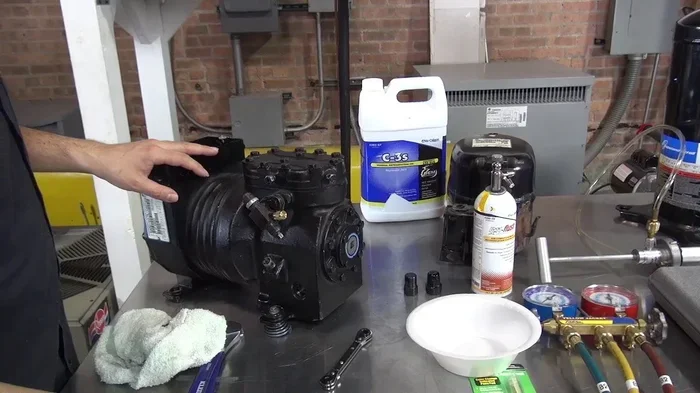
- Compressor Pump: This is the heart of the machine. It compresses the air and pushes it into the tank.
- Air Tank: The tank holds the compressed air until you need it. Bigger tanks mean longer running time.
- Pressure Switch: This controls when the motor turns on and off based on the tank pressure. If you want to learn more about how this works, check out our guide on air compressor pressure switch 220v.
- Unloader Valve: This releases pressure from the pump when the motor stops. It makes starting easier and protects the motor.
- Pressure Gauge: This shows you how much pressure is in the tank at any given time.
- Drain Valve: Located at the bottom of the tank, this lets you release moisture and keep the system clean.
Each part plays a role. If one fails, the whole machine suffers. That is why regular air compressor maintenance is so important.
Types of Air Compressors
Not all compressors are the same. Different types serve different needs. Here is a look at the most common ones you will encounter.
Reciprocating Compressors
Also called piston compressors, these are the most common type for home and small shop use. They use a back-and-forth piston motion to compress air. These units are affordable, durable, and great for light-duty tasks like inflating tires or running basic pneumatic tools.
Reciprocating compressors come in single-stage and two-stage models. Single-stage compressors compress air once. Two-stage compressors compress it twice, which gives higher pressure and cooler output. For most DIY users, a single-stage unit works perfectly.
Rotary Screw Compressors
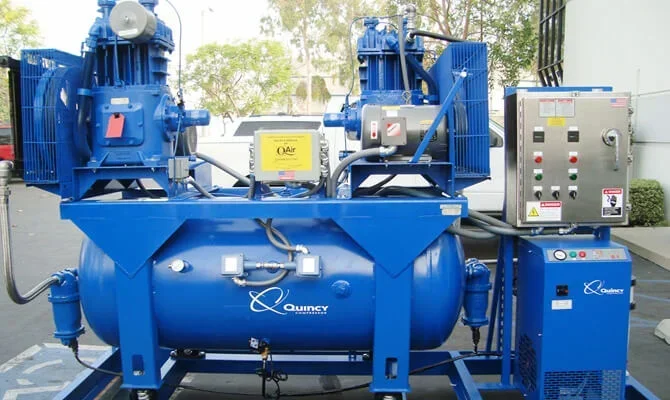
These are the workhorses of the industrial world. Rotary screw compressors use two spinning rotors to compress air continuously. They run cooler, last longer, and handle heavy-duty tasks with ease.
You will find these in factories, auto shops, and large construction sites. They are more expensive than reciprocating models, but they deliver consistent power all day long. If you run a busy shop, the investment pays off fast.
Portable Compressors
Portable compressors are small, lightweight units designed for on-the-go use. You can strap one to a truck or carry it by hand. They are perfect for inflating tires on the road, powering small tools at remote sites, or light household tasks.
One popular type is the pancake compressor. It gets its name from its flat, round tank design. Pancake compressors are compact and lightweight. They are ideal for home garages where space is limited.
Comparison Table: Types of Air Compressors
| Type | Best For | Power Source | Price Range |
|---|---|---|---|
| Reciprocating | Home garages, light tasks | Electric or Gas | Budget-friendly |
| Rotary Screw | Industrial, heavy use | Electric | Higher cost |
| Portable/Pancake | On-the-go, light tasks | Electric | Affordable |
| Centrifugal | Large-scale industrial | Electric or Gas | High cost |
Choosing the right type depends on your needs. Think about what tasks you will run, how often you will use it, and where you will store it. These factors will guide your decision.
Common Uses for Air Compressors
The air compressor meaning really comes alive when you see all the ways people use them. These machines are not just for mechanics. They serve a wide range of purposes across many industries.
Home and Garage Use
At home, a compressor makes life easier. You can inflate sports balls, air mattresses, and pool toys in seconds. You can also use it to clean dust off workbenches or power a small nail gun for home projects. Many homeowners keep a small portable compressor in the garage for quick tire inflation.
Automotive Shops
Auto shops rely heavily on compressed air. Mechanics use impact wrenches, air ratchets, and paint sprayers. A compressor powers all of these tools at once. It saves time and energy compared to manual or electric alternatives.
Construction Sites
On a construction site, compressors power nail guns, sandblasters, and jackhammers. These tools need a lot of air pressure to work properly. A heavy-duty compressor delivers the consistent flow needed for demanding jobs.
Industrial Manufacturing
Factories use compressors to run conveyor systems, packaging machines, and pneumatic robots. The compressed air provides clean, safe power in environments where electricity might be a hazard.
How to Choose the Right Air Compressor
Buying the right compressor can feel overwhelming with so many options. But it does not have to be. Here are the key factors to consider.
PSI and CFM Ratings
PSI stands for pounds per square inch. It measures how much pressure the compressor can deliver. CFM stands for cubic feet per minute. It measures how much air flows out per minute. Together, these numbers tell you what a compressor can handle.
Check the PSI and CFM requirements of the tools you plan to use. Your compressor should meet or exceed those numbers. If you want to understand more about PSI, our article how much PSI air compressor do I need can help.
Tank Size
A bigger tank holds more compressed air. This means the motor runs less often and you get longer tool run times. For quick tasks like inflating a tire, a small tank works fine. For continuous tools like sandblasters or spray guns, a larger tank is better.
Horsepower
Horsepower measures the motor strength. More horsepower means the compressor can build pressure faster and handle heavier loads. However, bigger is not always better. Match the horsepower to your actual needs to avoid wasting energy and money.
Electric vs. Gas
Electric compressors are quieter, cleaner, and easier to maintain. They are perfect for indoor use and home garages. Gas compressors deliver more raw power and work well in outdoor or remote locations where electricity is not available.
Air Compressor Maintenance Tips
Keeping your compressor in good shape extends its life and keeps it running safely. Here are some simple tips you can follow.
- Check the oil regularly. Most compressors need oil for the pump to run smoothly. Learn how to check your levels in our guide on how to check air compressor oil level.
- Drain the tank after each use. Moisture builds up inside the tank over time. Draining it prevents rust and keeps the air clean.
- Inspect hoses and fittings. Look for cracks, leaks, or loose connections. Even a small leak wastes air and reduces efficiency.
- Clean the air filter. A dirty filter restricts airflow and makes the motor work harder. Replace or clean it on a regular schedule.
- Store it properly. Keep your compressor in a dry, ventilated area. Avoid extreme temperatures and moisture.
Following these simple steps keeps your machine reliable for years. If you ever suspect something is wrong, check out our guide on how to know if air compressor is bad to troubleshoot common issues.
Quick Tips for Beginners
New to compressors? Here are some quick tips to get you started:
- Start small. A portable or pancake compressor is perfect for beginners. You can always upgrade later.
- Read the manual. Every model has specific instructions. Following them keeps you safe and avoids damage.
- Wear safety gear. Always use eye protection and ear protection when running a compressor.
- Do not exceed the tank rating. Every tank has a maximum pressure limit. Going over it is dangerous.
- Let it cool down. Give your compressor breaks during long use sessions to prevent overheating.
Common Mistakes to Avoid
Even experienced users make mistakes. Here are a few to watch out for:
- Ignoring moisture buildup. Not draining the tank leads to rust and can eventually cause tank failure.
- Using the wrong oil. Always use the oil type recommended by the manufacturer. Using the wrong oil can damage the pump.
- Overloading the compressor. Running too many high-demand tools at once can trip the motor or cause it to overheat.
- Skipping maintenance. Regular upkeep is cheap compared to replacing a burned-out compressor.
- Placing the compressor in a closed space. Compressors need ventilation. Running one in a cramped area creates heat and moisture buildup.
Expert Insights on Air Compressor Meaning and Usage
Industry professionals agree that understanding your compressor is the first step to using it effectively. According to experienced technicians, the most common mistake beginners make is buying a compressor without checking the tool requirements first. Always match your compressor’s output to the tools you plan to run.
Another expert tip is to invest in quality air compressor parts from the start. Cheap parts may save money upfront, but they wear out faster and can cause bigger problems down the road. Whether you need a replacement air compressor pressure switch or a new hose, using quality components keeps your system running efficiently.
Experts also emphasize the importance of understanding your compressor’s duty cycle. The duty cycle is the percentage of time the compressor can run continuously before it needs to cool down. Running a compressor beyond its duty cycle shortens its lifespan significantly.
Final Thoughts
The air compressor meaning goes far beyond just “a machine that squeezes air.” It is a versatile, powerful tool that makes countless tasks faster and easier. From inflating a simple tire to running industrial equipment, compressors are essential in homes, shops, and factories around the world.
Now that you understand the basics, you can make smarter decisions about buying, using, and maintaining your own compressor. Start with the right type for your needs, keep up with maintenance, and always follow safety guidelines. A good compressor will serve you well for many years.
Whether you are a weekend DIYer or a full-time professional, knowing your way around a compressor gives you an edge. The power of compressed air is in your hands.
Frequently Asked Questions
What is the basic air compressor meaning in simple terms?
An air compressor is a machine that takes in air, squeezes it into a smaller space, and stores it under pressure. That pressurized air can then be used to power tools, inflate items, or clean surfaces. It is essentially a way to store energy in the form of compressed air.
What are the main parts of an air compressor?
The main parts include the motor, compressor pump, air tank, pressure switch, unloader valve, pressure gauge, and drain valve. Each part plays a specific role in drawing in air, compressing it, storing it, and releasing it when needed. Together they form a complete compressed air system.
How do I know which size air compressor I need?
Check the PSI and CFM requirements of the tools you plan to use. Your compressor should meet or exceed those numbers. For light home tasks, a small portable unit works great. For heavy-duty or continuous use, you will need a larger tank and more horsepower.
Can I use an air compressor indoors?
Yes, electric compressors are safe for indoor use. They are quieter and do not produce exhaust fumes like gas models. Just make sure your workspace has good ventilation. Keep the compressor away from moisture and flammable materials.
How often should I drain my air compressor tank?
You should drain the tank after every use or at least once a week if you use it regularly. Moisture from the compressed air collects at the bottom of the tank. If left unchecked, it causes rust and can damage the tank and tools.
What is the difference between PSI and CFM?
PSI measures pressure, or how hard the air is pushed. CFM measures flow, or how much air comes out per minute. Both numbers matter when choosing a compressor. Higher PSI means more force, while higher CFM means more continuous air supply for running tools.
=== CONCLUSION ===
Understanding the air compressor meaning opens the door to using one of the most versatile tools available. Whether you are inflating tires, powering pneumatic tools, or running industrial equipment, a compressor gets the job done efficiently. Choose the right type, maintain it properly, and it will serve you for years to come.