Freezer Compressor Not Running Quick Fixes That Work
A freezer compressor not running is one of the most common reasons your freezer stops cooling. Whether it is a faulty relay, a tripped overload, or low refrigerant, most causes are fixable without a technician. This guide walks you through the top quick fixes, diagnostic steps, and prevention tips to get your freezer back up and running. You will learn what to check first, what to avoid, and when to call a pro.
Nothing is more frustrating than opening your freezer and finding everything has thawed out. A freezer compressor not running is usually the root cause. The compressor is the heart of your freezer’s cooling system. When it stops, everything inside warms up fast.
Here is the good news. Most of the time, this problem has a simple fix. You do not need to be a professional technician to troubleshoot it. In this guide, we will walk you through every step to get your freezer compressor working again. We will cover the most common causes, quick fixes you can do today, and warning signs that mean it is time to call for help.
Key Takeaways
- Check the power supply first: A tripped breaker or loose plug is the simplest reason a freezer compressor not running happens.
- The start relay and capacitor are common culprits: These small parts fail often and are cheap to replace.
- Low refrigerant can freeze up your compressor: If the unit is low on freon, the compressor may not start at all.
- Overheating causes thermal overload shutdowns: Dirty condenser coils or poor ventilation can trip the overload protector.
- Knowing when to call a pro saves money: Some compressor issues need professional tools and expertise.
- Regular maintenance prevents most failures: Cleaning coils and checking refrigerant levels keeps your freezer running smoothly.
📑 Table of Contents
- Why Your Freezer Compressor Might Stop Running
- Signs Your Freezer Compressor Is Failing
- Quick Fixes to Try When Your Freezer Compressor Is Not Running
- How to Diagnose a Freezer Compressor Problem
- When to Call a Professional for Freezer Compressor Repair
- Preventing Freezer Compressor Problems
- Common Mistakes to Avoid When Troubleshooting a Freezer Compressor
- Expert Insights on Freezer Compressor Longevity
- Final Thoughts on Fixing a Freezer Compressor Not Running
Why Your Freezer Compressor Might Stop Running
A freezer compressor not running does not always mean the compressor is broken. In fact, many causes are external or related to small electrical components. Understanding why your compressor stops is the first step to fixing it.
Power Supply Issues
The most common reason is the simplest one. Your freezer might not be getting power. A tripped circuit breaker, a blown fuse, or a loose outlet connection can cut power to the compressor. Before you dig into complex repairs, check the basics first.
- Check your home’s electrical panel for a tripped breaker.
- Make sure the freezer plug is firmly seated in the outlet.
- Test the outlet with another appliance to confirm it works.
- Inspect the power cord for visible damage or fraying.
If the breaker keeps tripping after you reset it, there may be a deeper electrical issue. Do not keep resetting it repeatedly. This could cause further damage to the freezer compressor or create a safety hazard.
Faulty Start Relay
The start relay gives your compressor the initial jolt of energy it needs to kick on. When this small component fails, the compressor will not start. You might hear a clicking sound coming from the back of the freezer. That clicking is the relay trying and failing to engage.
A bad start relay is one of the most frequent reasons a compressor not running happens in older freezers. The good news is replacing it is inexpensive and straightforward.
Low Refrigerant Levels
Your freezer needs the right amount of refrigerant to operate. If there is a leak somewhere in the system, the refrigerant level drops. When that happens, the compressor not turning on can be the result. Low refrigerant puts extra strain on the compressor, and eventually, it may shut down entirely to protect itself.
Unlike a relay or breaker issue, a refrigerant leak requires professional attention. You cannot simply refill the refrigerant without finding and fixing the leak first.
Overheating and Thermal Overload
Freezers generate a lot of heat during normal operation. The condenser coils release that heat to the surrounding air. When those coils get clogged with dust or pet hair, the heat cannot escape. The compressor overheats, and the thermal overload protector kicks in to shut it down.
This is your freezer’s built-in safety mechanism. It prevents the compressor from burning out. But if it trips repeatedly, you have a ventilation or coil-cleaning problem to solve.
Signs Your Freezer Compressor Is Failing
Catching a failing compressor early can save you from a full replacement. Watch for these warning signs that your freezer compressor not running problem is getting worse.
Unusual Noises
A healthy compressor hums steadily when it runs. If you hear loud banging, grinding, or screeching sounds, something is wrong. A compressor making clicking noises that never starts is a classic sign of a relay failure. A compressor that hums but does not run may have a seized motor.
Warm Air Coming from the Freezer
This one is obvious, but people often ignore it at first. If the back of your freezer feels warm and the inside is getting warmer by the day, the compressor is likely not running. Check the condenser coils first, but if they are clean, the compressor itself may be the issue.
Ice Buildup on the Coils
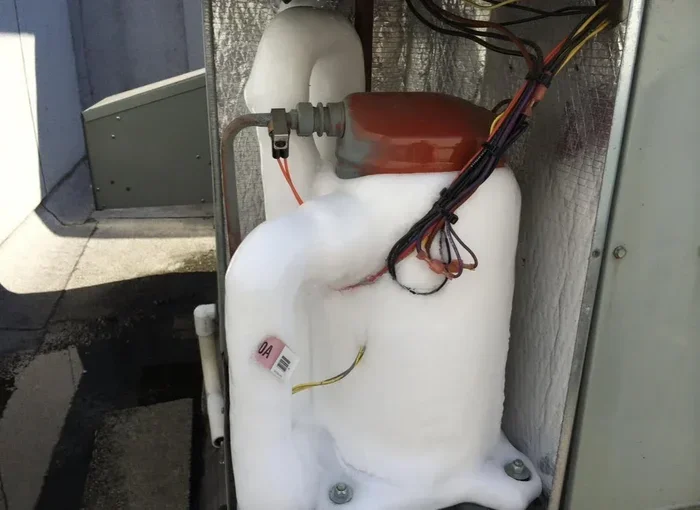
Excessive frost or ice on the evaporator coils can indicate a refrigerant problem. When the system is low on refrigerant, the evaporator coils get too cold and ice over. This restricts airflow and puts extra stress on the compressor.
Frequent Cycling
Your compressor should run in steady cycles. If it turns on and off every few minutes, something is wrong. Short cycling puts enormous wear on the compressor motor and can lead to complete failure if left unchecked.
Quick Fixes to Try When Your Freezer Compressor Is Not Running
Before you call a technician, try these practical fixes. Many homeowners have brought their freezers back to life with these simple steps.
Fix 1: Reset the Power Supply
Start with the most obvious solution. Unplug the freezer from the wall. Wait at least five minutes. Then plug it back in and turn the thermostat to the correct setting. This reset can clear minor electrical glitches that prevent the compressor from starting.
After plugging it back in, listen carefully. You should hear a faint hum within a minute or two. If you hear nothing at all, move to the next step.
Fix 2: Clean the Condenser Coils
Locate the condenser coils, usually found at the back or underneath the freezer. Use a vacuum cleaner with a brush attachment or a coil brush to remove dust and debris. Clean coils allow proper heat dissipation, which prevents overheating and thermal overload shutdowns.
This is one of the most overlooked maintenance tasks. Cleaning your coils once every six months can prevent many compressor issues from developing in the first place.
Fix 3: Replace the Start Relay
If you hear clicking but the compressor never starts, the start relay is likely the problem. You can test this by removing the relay from the compressor and shaking it gently. If you hear rattling inside, the relay is bad and needs replacement.
Start relays are inexpensive and widely available. Make sure you match the model number of your freezer before purchasing a replacement. Disconnect the power before attempting any electrical work.
Fix 4: Check the Start Capacitor
The start capacitor works alongside the relay to provide that initial burst of energy. A failing capacitor often looks swollen or has a burnt smell. Use a multimeter to test the capacitor for continuity. If it fails the test, replacing it is a quick fix that costs very little.
Be careful when handling capacitors. Even a disconnected capacitor can hold a charge. Discharge it safely before touching any wires.
Fix 5: Clear the Defrost Drain
A clogged defrost drain can cause water to pool inside the freezer. In extreme cases, this water can reach electrical components near the compressor area. Clearing the drain with warm water and a pipe cleaner can resolve cooling issues caused by ice blockages.
Fix 6: Check the Evaporator Fan
Sometimes the compressor is running, but you cannot tell because the evaporator fan is not blowing cold air. A broken fan blade or a failed fan motor can mimic the symptoms of a non-running compressor. Open the freezer door and listen for the fan. If you do not hear it, the fan motor may need replacement.
How to Diagnose a Freezer Compressor Problem
Diagnosing the exact cause of a freezer compressor not running requires a systematic approach. You do not need expensive tools, but you do need patience and a logical process.
Step 1: Verify Power Is Reaching the Compressor
Use a multimeter to check for voltage at the compressor terminals. If there is no power reaching the compressor, trace the wiring back to the outlet and breaker. Look for loose connections, damaged wires, or a failed control board.
Step 2: Test the Start Relay
Remove the start relay from the compressor. Shake it gently to check for loose components inside. Then test it with a multimeter for continuity. A relay that shows no continuity must be replaced.
Step 3: Check the Running Relay and Overload Protector
The running relay keeps the compressor motor spinning once it starts. A failed running relay will cause the compressor to stall immediately after starting. The overload protector is a safety device that shuts off power when the compressor overheats. Test both components with a multimeter to rule them out.
Step 4: Inspect the Compressor Windings
Compressor windings can be tested for continuity and resistance. An open winding means the compressor motor is burned out. A shorted winding indicates internal damage. In either case, the compressor will need to be replaced.
Step 5: Check Refrigerant Pressure
Low refrigerant pressure is a sign of a leak. This requires a licensed technician with the proper gauges and recovery equipment. Never attempt to add refrigerant yourself unless you are certified to do so.
Following these diagnostic steps helps you pinpoint the exact problem. It also prevents you from replacing parts that are not actually faulty.
When to Call a Professional for Freezer Compressor Repair
Not every compressor problem is a DIY fix. Some situations demand professional expertise and specialized tools. Knowing when to call for help saves you time, money, and potential safety risks.
Signs You Need a Technician
- The compressor is making loud grinding or banging noises.
- You smell burning insulation or see scorch marks on the compressor.
- The compressor trips the breaker every time you turn it on.
- You have checked all relays, capacitors, and wiring, but the compressor still will not start.
- You suspect a refrigerant leak and need professional recovery and recharge.
For serious issues like a compressor repair involving refrigerant handling, always work with a certified HVAC or appliance technician. Handling refrigerant improperly is illegal in many areas and dangerous to your health.
Cost Considerations
Replacing a freezer compressor can be expensive. The compressor itself may cost several hundred dollars, and labor adds to the total. In many cases, the cost of a new compressor exceeds the value of an older freezer. Your technician can help you decide whether repair or replacement makes more financial sense.
Preventing Freezer Compressor Problems
The best way to deal with a freezer compressor not running is to prevent it from happening in the first place. Simple maintenance habits go a long way toward extending the life of your compressor.
Keep the Coils Clean
Dust and debris on the condenser coils force the compressor to work harder. Clean the coils at least twice a year. If you have pets, you may need to clean them more frequently.
Maintain Proper Ventilation
Your freezer needs space around it for airflow. Keep at least two inches of clearance on all sides. Do not place the freezer near heat sources like ovens or direct sunlight.
Check the Door Seal Regularly
A worn door gasket lets warm air into the freezer. This forces the compressor to run longer and harder. Inspect the seal for cracks, gaps, or gaps. Replace it if it is not sealing properly.
Do Not Overload the Freezer
Overpacking the freezer restricts airflow inside. The evaporator fan cannot circulate cold air efficiently, and the compressor runs longer than it should. Keep your freezer about 75% full for optimal airflow.
Schedule Regular Professional Maintenance
A yearly inspection by a qualified technician can catch small problems before they become big ones. They can check refrigerant levels, test electrical components, and clean internal parts that are hard to reach.
Common Mistakes to Avoid When Troubleshooting a Freezer Compressor
Many well-meaning homeowners make mistakes that worsen the problem. Here are the most common ones to avoid.
Skipping the Basics
People often jump to complex diagnostics without checking the simple things first. Always verify the power supply, thermostat setting, and door seal before diving into electrical testing.
Ignoring the Clicking Sound
A clicking compressor that never starts is a clear sign of a failed start relay or capacitor. Ignoring it will not fix the problem and can lead to further damage.
Using the Wrong Replacement Part
Not all relays and capacitors are interchangeable. Using the wrong part can damage the compressor or create a safety hazard. Always match the part number to your freezer model.
Attempting Refrigerant Repairs Without Certification
Handling refrigerant requires EPA certification in the United States. Attempting to recharge or repair a refrigerant system without certification is illegal and unsafe.
Delaying Repairs
Waiting too long to address a failing compressor can cause cascading damage to other components. The longer you run the freezer with a struggling compressor, the more expensive the eventual repair becomes.
Expert Insights on Freezer Compressor Longevity
A well-maintained freezer compressor should last between 10 and 15 years. Some units last even longer with proper care. The key factors that determine compressor lifespan are:
- Usage patterns: A freezer that runs 24/7 in a hot garage will wear out faster than one in a climate-controlled basement.
- Maintenance habits: Regular coil cleaning and seal inspection dramatically extend compressor life.
- Electrical quality: Voltage surges and inconsistent power supply can damage compressor windings over time.
- Refrigerant management: Keeping the system properly charged prevents the compressor from overworking.
If your freezer is over 15 years old and the compressor has failed, replacement may be the most cost-effective option. New energy-efficient models use significantly less electricity and can save you money on your utility bills over time.
Final Thoughts on Fixing a Freezer Compressor Not Running
A freezer compressor not running is a stressful problem, but it is rarely a total loss. Most of the time, the cause is something simple and affordable to fix. Start with the basics: power supply, clean coils, and a working start relay. These steps resolve the majority of compressor no-start issues.
When the problem is more serious, such as a refrigerant leak or a burned-out motor, calling a professional is the smartest move. Trying to fix complex issues without the right tools and training can lead to costly mistakes.
Prevention is your best strategy. Keep your freezer well-maintained, and your compressor will reward you with years of reliable service. The few minutes you spend cleaning coils and checking seals today can save you hundreds of dollars tomorrow.
Frequently Asked Questions
Why is my freezer compressor not running but the light is on?
This usually means the compressor has its own separate electrical circuit. A failed start relay, a bad capacitor, or a tripped thermal overload could be the cause. Check the relay and capacitor first, as these are the most common and affordable fixes.
Can low refrigerant cause a freezer compressor not running?
Yes. When the refrigerant level drops too low, the compressor may not start as a protective measure. Low refrigerant also causes ice buildup on the evaporator coils, which further restricts cooling. A professional should check for leaks and recharge the system.
How much does it cost to repair a freezer compressor?
Repair costs vary widely. A start relay replacement might cost $50 to $150 including parts and labor. A full compressor replacement can range from $400 to $1,000 or more, depending on the freezer model and age. Sometimes replacement is more cost-effective than repair.
How do I know if my freezer compressor is bad?
Signs of a bad compressor include loud clicking without starting, grinding noises, frequent short cycling, warm air blowing from the freezer, and a compressor that trips the breaker repeatedly. Use a multimeter to test the windings for a definitive diagnosis.
Can a freezer compressor not running be caused by a clogged defrost drain?
Indirectly, yes. A clogged defrost drain causes water to pool inside the freezer. If that water reaches electrical components or freezes around the compressor area, it can interfere with normal operation. Clearing the drain is a simple fix that can resolve cooling issues.
How long should a freezer compressor run each day?
A healthy freezer compressor runs about 8 to 10 hours per day in normal conditions. It cycles on and off to maintain the set temperature. If the compressor runs constantly or not at all, something is wrong and needs investigation.
=== CONCLUSION ===
A freezer compressor not running does not have to mean the end of your freezer. Most causes are simple, affordable, and fixable with basic tools and a little patience. Start with the power supply, clean your condenser coils, and check the start relay and capacitor. These steps solve the problem in the majority of cases.
When the issue is beyond a DIY fix, do not hesitate to call a qualified technician. Knowing your limits saves you from making costly mistakes. And remember, consistent maintenance is the single best way to keep your freezer compressor running strong for years to come. Take care of your freezer today, and it will take care of your food tomorrow.