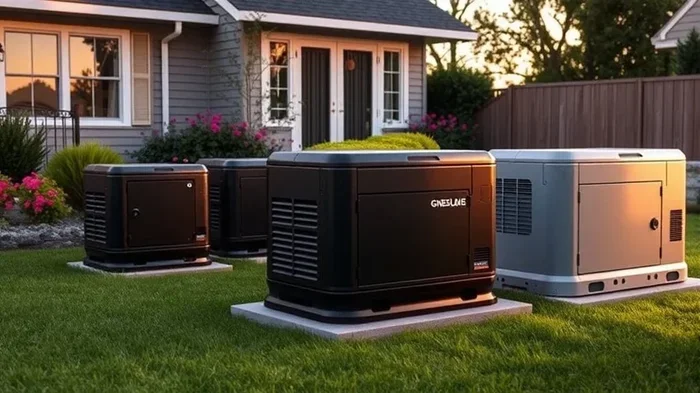
How to Find the Perfect Size Generator for Your Home
Finding the right generator size starts with knowing your home’s power needs. This guide walks you through how to size a generator for your home in simple steps, from calculating wattage to choosing the right type. You will learn about starting wattage, running wattage, and common mistakes to avoid. By the end, you will feel confident picking the perfect backup power solution for your household.
Power outages can strike at any time. Storms, grid failures, and equipment breakdowns all leave homes in the dark. When the lights go out, a generator becomes your best friend. But here is the problem many families face. They buy a unit that is too small or way too big. A generator that is too small will trip and shut down when you need it most. A unit that is too big wastes money on fuel and installation. So how do you find the sweet spot?
Learning how to size a generator for your home is easier than you think. You do not need to be an electrician or a math genius. This guide breaks everything down into simple steps. You will understand wattage, calculate your needs, and avoid costly errors. By the end, you will know exactly what size backup power system your home requires. Let us get started.
Key Takeaways
- Know Your Wattage: Always add starting wattage and running wattage together to get accurate power needs.
- Measure Essential Circuits: Focus on the appliances and systems you cannot live without during an outage.
- Choose the Right Type: Portable generators work for basics, while standby generators power your whole house.
- Avoid Common Sizing Mistakes: Undersizing or oversizing wastes money and can damage your generator.
- Use a Generator Size Calculator: Online tools make the math fast and painless for any homeowner.
- Plan for Future Needs: Leave room for growth, especially if you plan to add new appliances or systems.
📑 Table of Contents
Why Sizing Your Generator Matters
Size is everything when it comes to home generators. The right size means reliable power during an outage. It also means better fuel efficiency and a longer machine lifespan. An undersized unit struggles to keep up. It overheats, shuts off, and may even damage your appliances. On the other hand, an oversized unit costs more upfront. It also runs inefficiently at partial load, wasting fuel and money.
Think of it like choosing the right air conditioner for a room. Too small and it never cools the space. Too big and it cycles on and off, wasting energy. A properly sized generator runs smoothly and efficiently. It handles your load without breaking a sweat. This is why taking the time to size correctly matters so much.
What Happens When You Undersize
An undersized generator for home use will try its best to meet your demand. But it simply cannot keep up. Here is what goes wrong when the unit is too small:
- Overloading and shutdown: The generator trips its breaker and shuts off when demand exceeds capacity.
- Appliance damage: Surges from an overloaded unit can harm sensitive electronics like TVs and computers.
- Shortened lifespan: Running at maximum capacity all the time wears out the engine faster.
- No power to essentials: You may lose heating, refrigeration, or medical equipment when you need them most.
What Happens When You Oversize
Oversizing is not as dangerous as undersizing, but it still causes problems. A too-large generator costs more to buy and more to run. It sits idle most of the time, which can lead to wet stacking. This is a condition where unburned fuel builds up in the exhaust system. It reduces efficiency and can cause long-term damage. You also pay more for installation and maintenance on a larger unit. The goal is to find the Goldilocks zone — not too big, not too small.
Understanding Wattage: Starting vs Running
Before you can calculate generator size, you need to understand two types of wattage. These are starting wattage and running wattage. They are very different, and confusing them is the number one mistake homeowners make.
What Is Running Wattage?
Running wattage is the continuous power a device needs to operate. For example, a refrigerator might need 700 watts to run steadily once it is up and going. A light bulb might need 60 watts. These numbers stay constant while the device is on. Running wattage is also called rated wattage or sustained wattage. It is the baseline power draw you plan around.
What Is Starting Wattage?
Starting wattage, also known as surge wattage, is the extra power a device needs to kick on. Motors in appliances like refrigerators, air conditioners, and well pumps need a big burst of energy to start. This surge can be two to three times the running wattage. A refrigerator that runs at 700 watts might need 2,100 watts to start up. That is a huge difference.
When you size a generator for home use, you must account for both numbers. Always add the highest starting wattage to the total running wattage of all devices you plan to run at the same time. This gives you the true peak load your generator must handle.
Quick Tip: Check the Nameplate
Every appliance has a nameplate or label that lists its wattage. You can find it on the back, bottom, or inside the door. Look for both running watts and starting watts. If the label only shows amps and volts, you can calculate watts by multiplying the two. For example, 10 amps times 120 volts equals 1,200 watts. This simple step helps you build an accurate list for your wattage requirements.
How to Calculate Your Home’s Power Needs
Now that you understand wattage, let us walk through the actual calculation. This process is simpler than it sounds, and it is the most important step in how to size a generator for your home.
Step 1: List Your Essential Appliances
Start by listing every device and appliance you want to power during an outage. Focus on essentials first. These typically include:
- Refrigerator and freezer
- Lights in key rooms
- Heating or cooling system
- Well pump or sump pump
- Medical equipment
- Television and phone chargers
- Microwave or cooking appliance
Write down the running wattage and starting wattage for each item. Use the nameplate data or a generator size calculator online to look up typical values.
Step 2: Add Up the Running Watts
Next, add up the running wattage of all devices. This gives you the base load. For example:
- Refrigerator: 700 watts
- Freezer: 500 watts
- Lights (5 bulbs): 300 watts
- Television: 200 watts
- Phone chargers: 50 watts
Total running watts: 1,750 watts. This is your baseline number.
Step 3: Add the Highest Starting Wattage
Now, find the device with the highest starting wattage. In our example, the refrigerator has a starting wattage of 2,100 watts. Add this to your total running watts.
1,750 running watts + 2,100 surge watts = 3,850 watts peak. A generator sized at 4,000 to 5,000 watts would handle this load comfortably.
Step 4: Add a Safety Buffer
Always add a buffer of 10 to 20 percent to your total. This protects the generator from running at full capacity all the time. It also gives you room if you need to add a device later. So if your total is 3,850 watts, aim for a 4,500 to 5,000 watt generator at minimum.
Step 5: Consider Your Electrical Panel
Your home’s electrical panel also plays a role. Most panels are rated for 100, 150, or 200 amps. A 200 amp panel can handle more load than a 100 amp panel. If you want to power your entire home, a larger panel supports a bigger whole house generator. A licensed electrician can help you understand your panel capacity and recommend the right size.
Types of Generators and Their Sizes
Not all generators are the same. Different types serve different purposes, and each comes in a range of sizes. Choosing the right type is just as important as choosing the right size.
Portable Generators
Portable generators are the most affordable option. They typically range from 1,000 to 7,500 watts. These units are great for powering a few essentials during a short outage. You can plug devices directly into the generator’s outlets using extension cords. They run on gasoline, propane, or dual fuel. However, they require manual setup and refueling. They also cannot power your entire home at once.
A portable generator for home backup works well for renters or homeowners on a budget. They are also useful for camping, tailgating, and job sites. Just remember that a portable unit will not power central air conditioning or a well pump for long without a large capacity model.
Standby Generators
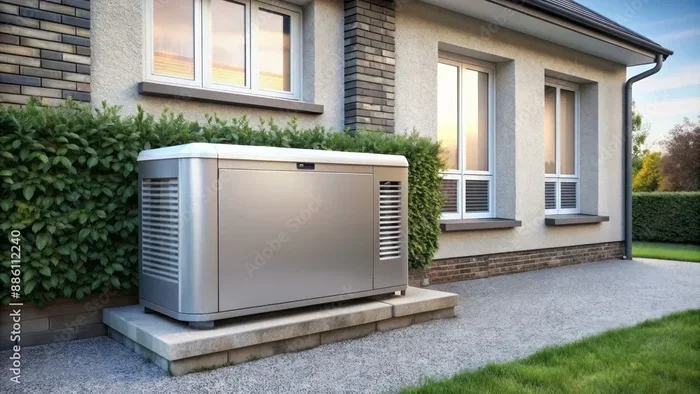
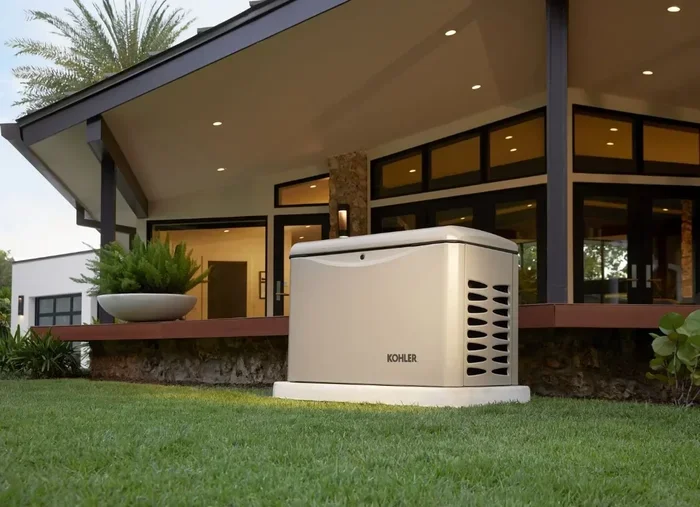
Standby generators are the heavy-duty choice for whole-home backup power. They range from 7,000 watts to 30,000 watts or more. These units install outside your home and connect directly to your electrical panel. They run on natural gas or propane and kick on automatically when the power goes out. You do not need to plug anything in or refuel manually.
A whole house generator keeps everything running — lights, HVAC, appliances, and electronics. They are more expensive upfront, but they offer unmatched convenience and comfort. Many homeowners say a standby generator pays for itself the first time it saves their food from spoiling or keeps their home safe during a long outage.
Inverter Generators
Inverter generators produce clean, stable power safe for sensitive electronics. They are typically smaller, ranging from 1,000 to 4,000 watts. They are lightweight and fuel-efficient, making them a popular choice for camping and outdoor activities. For home use, an inverter model works well for charging phones, running a laptop, and powering a few lights. They are not ideal for heavy-duty appliances like central air or electric stoves.
Comparison Table: Generator Types
| Generator Type | Typical Size Range | Best For | Auto Start | Fuel Type |
|---|---|---|---|---|
| Portable | 1,000 – 7,500 W | Essentials, camping | No | Gas, propane |
| Standby | 7,000 – 30,000+ W | Whole house backup | Yes | Natural gas, propane |
| Inverter | 1,000 – 4,000 W | Electronics, outdoor use | No | Gas |
Common Mistakes When Sizing a Generator
Even with the best intentions, many homeowners make mistakes when sizing a generator. Avoiding these errors saves money and frustration.
Mistake 1: Ignoring Starting Wattage
This is the most common mistake. Many people only look at running wattage and forget about the surge needed to start motors. This leads to a generator that trips constantly when you try to start the fridge or AC. Always factor in starting wattage for any motor-driven appliance.
Mistake 2: Not Planning for Future Needs
Your power needs may change. Maybe you plan to add a hot tub, a workshop, or an electric vehicle charger. If you size your generator based only on today’s needs, you may outgrow it quickly. Add a buffer and think about what you might need in the next five years.
Mistake 3: Skipping the Transfer Switch
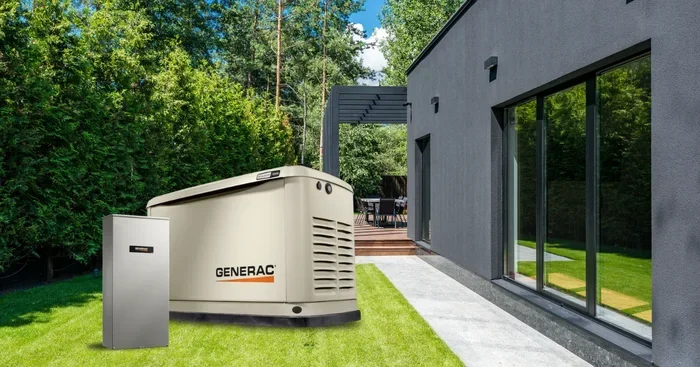
A transfer switch is a device that safely connects your generator to your home’s wiring. Skipping it is dangerous and often violates electrical codes. A transfer switch prevents backfeed, which can endanger utility workers. It also makes switching between grid power and generator power seamless and automatic.
Mistake 4: Choosing Fuel Type Without Thinking
Gasoline generators are common but have a short shelf life for fuel. Propane and natural gas burn cleaner and store longer. If you live in an area prone to long outages, a natural gas or propane generator is a smarter choice. You also want to consider fuel availability during a disaster. Gas stations may run out, but your natural gas line will likely keep flowing.
Mistake 5: Forgetting About Noise
Generators can be loud. A noisy unit disturbs your family and your neighbors. Check the decibel rating before you buy. Inverter generators tend to be much quieter than conventional models. If you live in a neighborhood with noise rules, this matters more than you might think.
Tips for Choosing the Right Generator Size
Now that you know what to avoid, here are some practical tips to help you choose the right size with confidence.
Use a Generator Size Calculator
Online generator size calculators take the guesswork out of the process. You enter your appliances, their wattage, and how many hours you plan to run them. The tool tells you the minimum kilowatt rating you need. Many appliance retailers and generator dealers offer free calculators on their websites. Use one before you shop so you have a clear target in mind.
Consult a Licensed Electrician
If you are unsure, hire a licensed electrician. They can assess your home’s electrical system, review your panel capacity, and recommend the right generator size for your situation. This is especially important for standby generators, which require professional installation. An electrician also ensures your transfer switch is wired correctly and up to code.
Read the Owner’s Manual Before Buying
Every generator has an owner’s manual that lists its capacity, fuel requirements, and maintenance schedule. Read it before you buy. Look for details about maximum load, recommended maintenance intervals, and noise levels. This helps you compare models and find the best fit for your home.
Consider Your Climate
Where you live affects your power needs. If you live in a hot climate, you may rely heavily on air conditioning. A central AC unit can draw 3,000 to 5,000 watts on its own. In cold climates, heating systems are the big draw. A heating system powered by electricity may need 5,000 watts or more. Always factor in your climate-specific needs when you calculate your wattage requirements.
Think About Runtime and Fuel Efficiency
A generator’s runtime depends on its fuel tank size and load. A larger tank means longer runtime between refills. Look for models with economy or eco modes that adjust fuel consumption based on load. This saves money and extends the time between refueling. For home backup, aim for at least 24 hours of runtime on a full tank.
Key Takeaways for Sizing Your Generator
Let us quickly recap the most important points:
- Always calculate both starting and running wattage for every device.
- Add a 10 to 20 percent safety buffer to your total.
- Choose the generator type that fits your needs — portable, standby, or inverter.
- Never skip the transfer switch for safety and code compliance.
- Use online calculators and consult a professional when in doubt.
- Think about your climate, future needs, and fuel type before you buy.
Conclusion
Learning how to size a generator for your home does not have to be complicated. You just need to understand your wattage, list your essentials, and choose the right type of unit. A properly sized generator gives you peace of mind during any power outage. It keeps your family safe, your food cold, and your home comfortable. Take the time to do the math, avoid common mistakes, and invest in the right size for your household. Your future self will thank you the next time the lights go out.
Whether you choose a portable generator for basics or a standby generator for whole-home power, the key is sizing it correctly. Use the steps in this guide, lean on generator size calculators, and do not be afraid to call a professional. With the right backup power system in place, you will never worry about an outage again.
Frequently Asked Questions
What size generator do I need for a 2000 square foot house?
For a 2000 square foot home, a generator between 5,000 and 7,500 watts typically covers essential circuits. This range can power your refrigerator, lights, furnace blower, and a few outlets. If you want to run central air conditioning, you may need 10,000 watts or more. The exact size depends on the appliances and systems you plan to run at the same time.
Can I use a portable generator to power my whole house?
A portable generator can power some essential circuits, but it is not practical for running your entire house. Portable units usually max out at 7,500 watts, which is not enough for heavy loads like central air or electric heating. For whole-home coverage, a standby generator is the better choice. It connects directly to your electrical panel and powers everything automatically.
What is the difference between starting wattage and running wattage?
Running wattage is the continuous power a device needs to stay on. Starting wattage is the extra burst of power needed to start motors and compressors. For example, a refrigerator might need 700 watts to run but 2,100 watts to start. You must account for both when you calculate your generator size to avoid overloading the unit.
How do I know if my generator is the right size?
If your generator runs smoothly without tripping its breaker, it is likely the right size. Signs of an undersized unit include frequent shutdowns, dimming lights, and appliances struggling to start. An oversized unit wastes fuel and costs more to run. Use a generator size calculator to verify your numbers and make sure your load matches the unit’s capacity.
Do I need a transfer switch with my generator?
Yes, a transfer switch is essential for safety and code compliance. It prevents backfeed, which can electrocute utility workers repairing power lines. A transfer switch also makes switching between grid power and generator power seamless. For standby generators, a transfer switch is required for proper operation. Always have a licensed electrician install it.
What fuel type is best for a home generator?
Natural gas and propane are the most popular fuel types for home generators. They burn clean, store well, and connect directly to your home’s fuel supply. Gasoline is common in portable units but has a shorter shelf life. Your choice depends on your budget, local fuel availability, and how long you need to run the generator during outages.
=== CONCLUSION ===
Sizing a generator for your home is one of the smartest investments you can make for your family’s comfort and safety. The process starts with understanding wattage requirements, calculating your essential loads, and choosing the right type of unit. By avoiding common sizing mistakes and using the tips in this guide, you will find the perfect fit for your household. Take action today, and you will be ready the next time the power goes out.