How Often Should I Run My Generator for Best Results
Knowing how often should i run my generator is essential for keeping your home backup power system reliable and ready. A generator that sits unused for too long can develop fuel problems, battery drain, and engine damage that leave you stranded during a power outage. Regular use, proper load testing, and a consistent maintenance routine will extend the life of your unit and ensure it starts when you need it most.
Running a generator might seem simple, but knowing how often should i run my generator makes all the difference. Whether you own a portable generator or a standby unit, regular use keeps your system ready for the next power outage. Many people make the mistake of letting their generator sit for months without starting it. This can lead to serious problems when you need it most.
The truth is, a generator that sits unused for too long can develop fuel issues, battery drain, and even engine damage. So how often should i run my generator to keep it in top shape? The answer depends on the type of generator you have, how often you use it, and your storage conditions. In this guide, we will walk you through everything you need to know about generator run schedules, best practices, and common mistakes to avoid.
Think of your generator like a car. If you leave a car sitting in the garage for months, the battery dies, the fuel goes bad, and the engine gets stiff. The same thing happens with your generator. Regular use, even if it is just for a short period, keeps everything flowing smoothly. Let us break down exactly how often you should start up your unit and what you should do each time.
Key Takeaways
- Run your generator at least once a month for 15 to 30 minutes to keep the fuel system and engine in good condition.
- Standby generators need less frequent exercise than portable units because they have automatic weekly self-tests built in.
- Stale fuel is the number one enemy of any generator, so always use fuel stabilizer and drain old fuel before long storage.
- Load testing is critical — running your generator under no load can cause wet stacking and carbon buildup.
- Check the oil, spark plug, and air filter before every run to catch small issues before they become big problems.
- Never run your generator indoors — carbon monoxide is a silent and deadly risk that requires proper ventilation.
- Follow the manufacturer’s guidelines in your owner manual for the most accurate run schedule and maintenance intervals.
📑 Table of Contents
How Often Should You Run Your Generator
The general recommendation from most manufacturers is to run your generator at least once a month. This monthly generator run helps keep all the internal components lubricated and prevents moisture buildup inside the engine. A short 15 to 30 minute run cycle is usually enough for most units. However, the exact frequency depends on several factors that we will cover below.
The General Rule of Thumb
If you want a simple answer to how often should i run my generator, here it is: run it at least once every month. This applies to most portable generators and standby units that are not in constant use. The goal is to keep the engine components moving, the fuel flowing, and the battery charged. A monthly run also gives you a chance to check for any issues before an emergency strikes.
For generators that are used more frequently — say, during camping trips or construction work — you probably do not need a separate monthly exercise cycle. The regular use itself keeps everything in good shape. But for backup home generators that only turn on during a power outage, a scheduled monthly run is essential.
Monthly vs. Weekly Running
Some standby generators come with an automatic exercise feature that runs the unit weekly. This is great because it takes the guesswork out of the equation. The automatic transfer switch triggers the generator to start and run for about 10 to 15 minutes every week. If you have this feature, you do not need to manually start your unit as often.
For portable generators without an auto-exercise feature, you will need to set a reminder. Mark your calendar or set a phone alarm for the first weekend of every month. This small habit can save you from a generator that refuses to start when the power goes out.
Quick Tips for Generator Run Time
- Set a monthly reminder on your phone or calendar to start your generator.
- Run the generator for at least 15 minutes each time to allow the engine to reach full operating temperature.
- Use a load bank or plug in a small appliance during the run to ensure the generator is under load.
- Check the oil level before each run and top off if needed.
- Listen for unusual sounds like knocking, sputtering, or rattling that could signal a problem.
Why Running Your Generator Regularly Matters
You might wonder why it matters so much. Can not you just start the generator when the power goes out and hope for the best? Unfortunately, that approach leads to a lot of failed starts and frustrating nights in the dark. Regular generator exercise serves several important purposes that directly impact your generator’s reliability and lifespan.
Keeps the Fuel System Clean
When a generator sits idle, fuel sitting in the carburetor and fuel lines can break down and form sticky residues. This gum buildup clogs small jets and passages, making it hard for fuel to reach the engine. Running your generator regularly pushes fresh fuel through the system and keeps everything clean. Think of it like running water through a pipe to prevent rust and buildup.
Using a fuel stabilizer before storage also helps, but it is not a replacement for regular use. The stabilizer slows down fuel degradation, but it does not prevent it entirely. A monthly run cycle works hand in hand with fuel stabilizer to keep your fuel system in top condition.
Maintains Battery Health
Your generator battery can drain over time if the unit is not used regularly. Just like the battery in your car, the generator battery needs periodic charging to stay healthy. When you run your generator, the alternator recharges the battery, keeping it ready for the next start. A dead battery is one of the most common reasons a generator fails to start during an emergency.
If you store your generator for an extended period, consider using a battery maintainer or trickle charger. This keeps the battery topped off without needing to run the entire unit. But for regular use, a monthly run cycle is the simplest and most effective way to maintain battery health.
Prevents Stale Fuel Problems
Gasoline degrades over time, typically within 30 to 60 days. As fuel breaks down, it forms varnish and deposits that can clog the fuel system and reduce engine performance. Running your generator regularly ensures that you are cycling through fresh fuel and burning off any old fuel that may have started to degrade.
If you store your generator with fuel in the tank for long periods, always add a fuel stabilizer. And when you do run the generator, let it run long enough to burn through the fuel in the carburetor bowl as well. This prevents stale fuel from sitting in the small passages where it can cause the most damage.
Generator Run Schedule by Type
Not all generators are the same, and neither are their run schedules. The type of generator you own plays a big role in determining how often you should run it. Let us look at the different types and what their ideal exercise schedules look like.
Portable Generator Schedule
Portable generators are the most common type for home backup and recreational use. Because they are often stored for long periods between uses, they need a regular exercise routine. Run your portable generator at least once a month for 20 to 30 minutes. Make sure to plug in a load — even a simple lamp or space heater — to put a draw on the engine.
Before each run, check the oil level, inspect the air filter, and make sure the fuel valve is open. After the run, let the generator cool down before storing it. If you plan to store the generator for more than a month, drain the fuel tank and carburetor or add fuel stabilizer.
Standby Generator Schedule
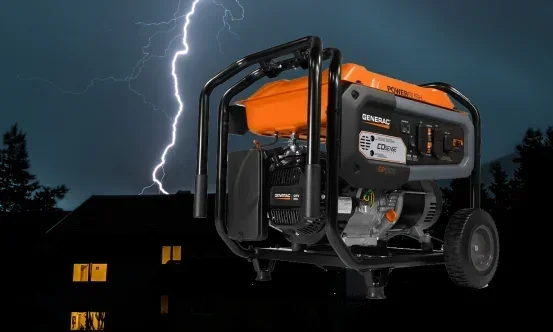
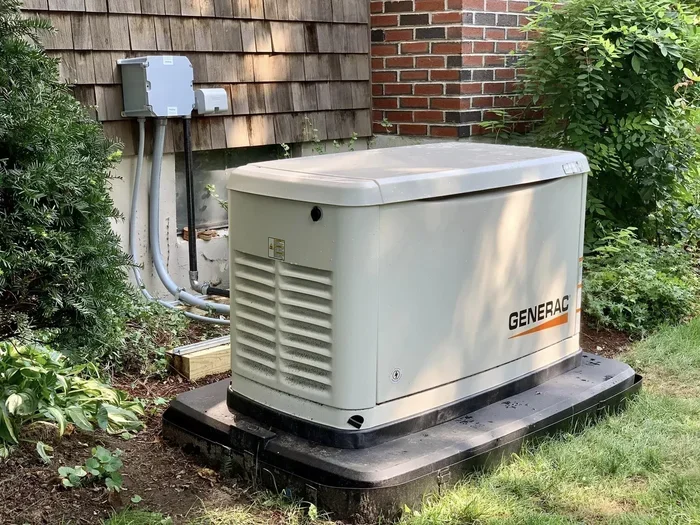
Standby generators are permanently installed outside your home and connected to your electrical system through an automatic transfer switch. Most standby generators have a built-in exercise feature that runs the unit automatically every week or every other week. This typically runs for about 10 to 15 minutes.
If your standby generator does not have an auto-exercise feature, you should manually run it at least once a month. Standby generators are more reliable overall because they are designed for frequent use, but they still benefit from regular exercise to keep all systems functioning properly.
Inverter Generator Schedule
Inverter generators are known for their clean power output and fuel efficiency. They are commonly used for camping, RV trips, and small backup power needs. Because they have more sensitive electronics, inverter generators benefit from regular run cycles just like any other type. Run your inverter generator at least once a month for 15 to 20 minutes under a light load.
Inverter generators also tend to have smaller fuel tanks, so be mindful of run time and fuel levels. Do not run an inverter generator dry, as this can damage the fuel pump and internal components.
Comparison Table: Generator Run Schedules by Type
| Generator Type | Recommended Run Frequency | Minimum Run Time | Load Required |
|---|---|---|---|
| Portable Generator | Once a month | 15–30 minutes | Yes, partial load |
| Standby Generator | Weekly (auto) or monthly (manual) | 10–15 minutes | Yes, auto-regulated |
| Inverter Generator | Once a month | 15–20 minutes | Yes, light load |
| RV Generator | Every 2 weeks if in use, monthly if stored | 15–20 minutes | Yes, typical RV load |
| Home Backup Generator | Weekly (auto) or bi-weekly (manual) | 10–20 minutes | Yes, auto-regulated |
What Happens If You Do Not Run Your Generator
Skipping regular generator runs might seem harmless in the short term, but the consequences add up over weeks and months. Understanding what goes wrong when a generator sits idle can motivate you to stick to a regular exercise schedule.
Fuel Degradation and Gum Buildup
When fuel sits in the system for weeks or months, it begins to break down chemically. The lighter compounds evaporate, leaving behind heavier residues that form a sticky, varnish-like substance. This gum coats the inside of your fuel lines, carburetor, and fuel filter, restricting flow and causing poor engine performance.
In severe cases, the carburetor jets can become completely clogged, and the generator will not start at all. Cleaning or replacing a clogged carburetor is an unnecessary expense that a simple monthly run cycle could have prevented.
Battery Drain and Failure
Generator batteries slowly lose their charge over time, especially when the unit is not used. A fully charged battery can lose a significant portion of its charge within a few weeks of inactivity. By the time you need the generator during a power outage, the battery may be too weak to turn the starter motor.
Regular running recharges the battery through the alternator, keeping it in good condition. If you store your generator for an extended period, a battery maintainer is a smart investment to keep the battery topped off between uses.
Seized Engine Components
Engine oil settles and loses its lubricating properties over time when a generator is not run. Metal components that rely on a thin oil film for protection can start to corrode or seize. This is especially true for the piston rings and cylinder walls, which need constant lubrication to move freely.
A seized engine is one of the most expensive and devastating generator problems. It often means the entire unit needs to be replaced. Regular runs keep the oil circulating and the components lubricated, preventing this costly damage.
Tips for Running Your Generator Safely
Running your generator safely is just as important as running it regularly. A generator that is not operated correctly can be dangerous to you, your family, and your home. Follow these safety tips every time you start up your unit.
Load Testing Best Practices
Load testing means running your generator while connected to an actual electrical load. This is important because it tests the generator’s ability to handle real-world demand. Without a load, the generator may run smoothly but fail when you actually need to power your home.
For load testing, plug in appliances that draw a steady amount of power. A space heater, a hair dryer, or a power tool all work well. Start with a lighter load and gradually increase it to avoid overloading the generator. Most generators perform best when running at 50 to 75 percent of their rated capacity.
Ventilation and Safety
Never run your generator indoors or in an enclosed space. Generators produce carbon monoxide, which is odorless, colorless, and deadly. Even running a generator in a garage with the door open is dangerous. Always place your generator outdoors in a well-ventilated area, away from windows, doors, and vents.
Keep the generator on a level surface and away from combustible materials. Make sure the exhaust is pointing away from your home and any neighboring structures. A generator cover or canopy can protect the unit from rain, but never use a tarp or enclosed cover while the generator is running.
Monitoring Run Time
Keep track of how long you run your generator each time. Most portable generators are not designed to run continuously for more than 8 to 12 hours on a single tank of fuel. Check the oil level every few hours during extended runs, and never let the generator run dry.
For standby generators, the automatic run cycle is typically controlled by a timer and needs no manual monitoring. However, it is still a good idea to visually inspect the unit during and after each auto-exercise cycle to make sure everything looks and sounds normal.
Common Mistakes People Make
Even well-meaning generator owners can fall into habits that shorten the life of their unit. Here are the most common mistakes and how to avoid them.
Running Without a Load
Running a generator with no load, also known as wet stacking, causes unburned fuel to accumulate in the exhaust system. Over time, this carbon buildup can damage the engine, clog the exhaust, and reduce efficiency. Always run your generator with at least a partial load to ensure complete combustion of fuel.
Ignoring the Owner Manual
Every generator model is different, and the manufacturer’s owner manual contains specific guidelines for run schedules, maintenance intervals, and safety precautions. Skipping the manual means you might miss important information that is unique to your unit. Take a few minutes to read through the manual and keep it in a safe place for future reference.
Skipping Maintenance Between Runs
Running your generator on a schedule is great, but it means nothing if you skip basic maintenance between runs. Check the oil before every use, inspect the air filter monthly, and replace the spark plug at least once a year. These small tasks take just a few minutes but can prevent major breakdowns when you need your generator most.
Using Old or Contaminated Fuel
Fuel that has been sitting in the gas can for more than 30 days may have degraded. Using old fuel can cause starting problems, rough running, and engine damage. Always use fresh gasoline and add a fuel stabilizer if you plan to store fuel for more than a few weeks. Consider using ethanol-free gasoline for even better long-term storage stability.
Conclusion
Knowing how often should i run my generator is one of the simplest yet most impactful things you can do as a generator owner. A monthly run cycle of 15 to 30 minutes keeps the fuel system clean, the battery charged, and the engine lubricated. It prevents costly repairs and ensures your generator starts reliably when a power outage hits.
Remember that the exact schedule depends on your generator type, how often you use it, and your local storage conditions. Portable generators need at least a monthly run, standby generators benefit from weekly auto-exercise, and inverter generators should be run monthly under a light load. Always follow the manufacturer’s recommendations in your owner manual, and never skip basic maintenance between runs.
Taking a few minutes each month to start up and test your generator can save you from the stress and danger of a failed unit during an emergency. Make generator exercise a habit, and you will have peace of mind knowing your home backup power system is always ready to go. Start today — set a reminder on your calendar and give your generator the attention it deserves.
Frequently Asked Questions
How long should I run my generator each time?
Aim for at least 15 to 30 minutes per run cycle. This gives the engine enough time to reach full operating temperature, which burns off moisture and fuel residues. Shorter runs may not be effective at preventing fuel system buildup and engine issues.
Can I run my generator too often?
Running your generator more than the recommended schedule is generally not harmful, but it does use fuel and increase wear on components. Stick to the manufacturer’s recommended exercise schedule. If you use your generator frequently for regular power needs, the regular use itself serves as adequate exercise.
Do I need to put a load on my generator when I run it?
Yes, always run your generator under a partial load. Running without a load causes wet stacking, which leads to carbon buildup and exhaust system damage. A simple space heater or lamp works well for load testing during your monthly exercise cycle.
What is the best fuel stabilizer for generator storage?
Look for a fuel stabilizer that is specifically designed for small engines. Products like STA-BIL or Sea Foam are popular choices that prevent fuel degradation for up to 12 months. Add the stabilizer to fresh fuel before storing the generator for extended periods.
Should I drain the fuel before long-term storage?
It is best to either drain the fuel tank and carburetor or add fuel stabilizer and run the generator briefly to circulate the treated fuel through the system. Draining the fuel completely prevents gum and varnish buildup, but it also means you will need to refill and restart when you bring the generator out of storage.
How do I know if my generator battery needs replacing?
If your generator fails to start or the starter motor turns slowly, the battery may be weak or dead. Use a multimeter to check the battery voltage — it should read at least 12.6 volts when fully charged. If the voltage is below 12 volts, consider charging or replacing the battery.