How Does a Home Generator Work Keep Your Power Running
Understanding how does a home generator work is essential for every homeowner who wants reliable backup power. A home generator converts fuel energy into electrical power through a process involving an engine, alternator, and transfer switch. This guide breaks down every step of the process so you can make informed decisions about your home’s energy needs.
Power outages can happen anytime. Storms roll in. Equipment fails. The grid goes down. When the lights go out, having a reliable backup source of energy makes all the difference. A home generator keeps your lights on, your fridge running, and your family comfortable. But how exactly does a home generator work? What happens inside that machine when the power goes out?
In this guide, we will walk you through everything you need to know. We will break down the core parts, explain the step-by-step process, and help you choose the right unit for your home. Whether you are considering a standby unit or a portable option, understanding how a home generator works gives you confidence and control. Let us dive in.
Knowing how your generator produces power also helps you maintain it properly. When you understand the basics of power production, you can spot problems early. You can talk to technicians with confidence. And you can make smart decisions about fuel type, sizing, and installation. This guide covers it all.
Key Takeaways
- How a Generator Produces Power: A home generator uses a fuel-powered engine to spin an alternator, creating electrical current that flows through your home’s wiring.
- Automatic Operation: Modern standby generators detect power outages and start automatically within seconds, keeping your home running without manual intervention.
- Multiple Fuel Options: Home generators run on propane, natural gas, or diesel, giving you flexibility based on availability and budget.
- Proper Sizing Matters: Matching your generator’s wattage capacity to your home’s electrical needs ensures efficient and safe power production.
- Regular Maintenance Is Key: Routine generator maintenance including oil changes and fuel system checks keeps your unit running reliably for years.
- Transfer Switches Are Essential: A transfer switch safely connects your generator to your home’s electrical panel and prevents backfeeding into the grid.
- Common Mistakes Are Avoidable: Simple errors like oversizing, skipping maintenance, or ignoring ventilation can cause serious problems with your generator set.
📑 Table of Contents
- What Is a Home Generator and Why Does It Matter?
- The Core Parts That Make a Generator Run
- How Does a Home Generator Work Step by Step
- Types of Home Generators You Can Choose
- Sizing Your Generator for Your Home’s Needs
- Maintenance Tips That Keep Your Generator Running Strong
- Expert Insights: What Technicians Want You to Know
- Conclusion
What Is a Home Generator and Why Does It Matter?
A home generator is a device that produces electrical energy when your main power source fails. Think of it as your home’s insurance policy against darkness. These machines come in different sizes and types, but they all serve the same purpose: keeping your essential systems running during a power outage.
Generators are not just for rural homes. Urban homeowners benefit from them too. A short outage can spoil food, damage electronics, or disrupt your heating and cooling. A reliable generator set prevents all of that. It gives you peace of mind no matter what the weather brings.
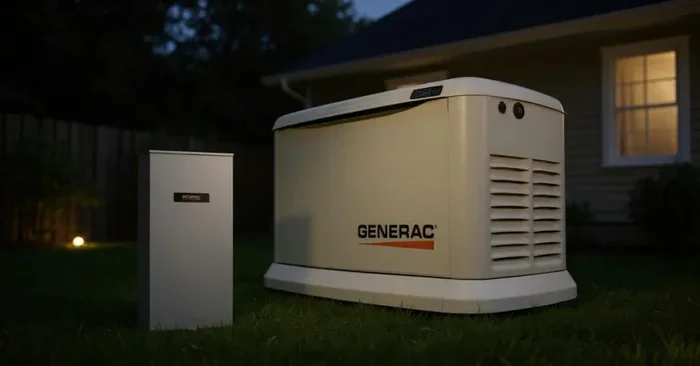
The two most common types are standby generators and portable generators. Standby units are permanent installations that turn on automatically. Portable units are movable and need manual setup. Both have their place. Both keep your home running. The key is choosing the right one for your situation.
The Core Parts That Make a Generator Run
Every home generator has several key components that work together to produce electricity. Understanding these parts helps you appreciate how the whole system functions. Let us look at each one.
The Generator Engine
The engine is the heart of any generator set. It burns fuel to create mechanical energy. Most home units use gasoline, propane, or natural gas as their fuel source. The engine spins at a steady speed, usually 3600 revolutions per minute, to produce a consistent electrical output.
Engine size matters. A bigger engine produces more power. But it also uses more fuel. The engine connects directly to the alternator. Together, they form the core of your power production system. Regular engine maintenance keeps everything running smoothly.
The Alternator
The alternator is where the real magic happens. Also called the head, the alternator converts mechanical energy into electrical energy. It contains a rotor and a stator. The rotor spins inside the stator, creating a magnetic field. This field generates electrical current.
Without the alternator, your generator is just a machine that burns fuel. The alternator is what makes it useful. The quality of the alternator determines how clean and stable your electrical output will be. A good alternator produces steady power that is safe for your appliances.
The Fuel System
The fuel system stores and delivers energy to the engine. It includes the fuel tank, fuel lines, and injectors or carburetor. The size of the fuel tank determines how long your generator can run without refueling.
Different fuel type options affect runtime and convenience. Propane tanks can be large and last a long time. Natural gas connects directly to your home’s gas line. Diesel fuel offers high energy density. Your choice depends on availability, cost, and how long you need power during an outage.
The Voltage Regulator
The voltage regulator keeps your electrical output stable. It prevents voltage spikes that could damage your appliances. Think of it as a thermostat for electricity. It adjusts the output based on demand.
When you turn on more appliances, the regulator increases power production. When demand drops, it scales back. This keeps your electrical output consistent and safe. A failing voltage regulator can cause flickering lights or damaged electronics.
The Cooling System
Generators produce a lot of heat. The cooling system prevents overheating. Most home units use a combination of fans and radiators. Some larger standby models use liquid cooling.
Keeping your unit cool extends its lifespan. Overheating can damage the engine and the alternator. Make sure your cooling system is clear of debris. Check it regularly as part of your generator maintenance routine.
How Does a Home Generator Work Step by Step
Now that you know the parts, let us walk through the process. Understanding how a home generator works step by step makes the whole system clear.
Step 1: Power Outage Detection
When the grid goes down, your standby generator detects the loss of power. A sensor in the unit monitors the incoming electrical signal. The moment it senses an interruption, it sends a signal to the control panel. This whole process takes just a few seconds.
Portable generators do not have this automatic detection. You must manually start them. This is one of the biggest differences between standby and portable units. Automatic detection is a major convenience feature of modern standby systems.
Step 2: Automatic Start
Once the control panel receives the signal, it triggers the automatic start sequence. The engine fires up using the fuel from the tank. The starter motor spins the engine until it catches and runs on its own.
This entire process takes about 10 to 30 seconds. You do not need to be home for it to happen. The generator starts itself and begins producing power. This is why standby units are so popular for families who travel or are often away from home.
Step 3: Power Production
As the engine runs, it spins the alternator. The alternator creates electrical current through electromagnetic induction. This current flows through the generator’s wiring and out to your home’s electrical panel.
The generator produces alternating current, or AC power. This is the same type of electricity that comes from the utility grid. Your appliances do not know the difference. They run just as they would on normal power. The wattage capacity of your unit determines how many appliances you can run at once.
Step 4: Transfer Switch Activation
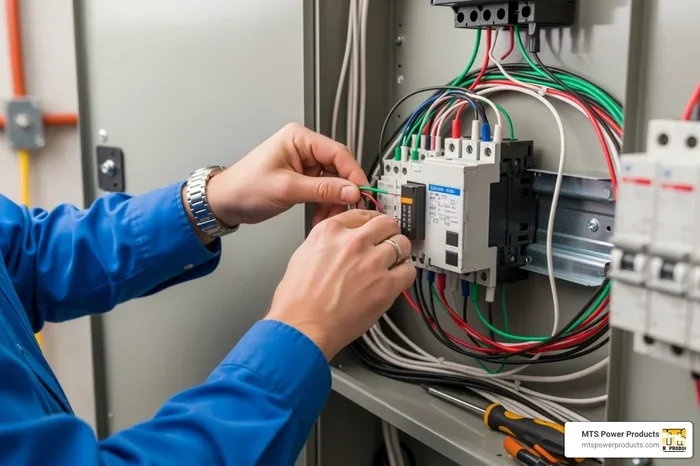
The transfer switch is a critical safety component. It connects your generator to your home’s electrical panel. More importantly, it disconnects your home from the grid while the generator is running.
This prevents backfeeding. Backfeeding is when electricity flows back into the grid. It is dangerous for utility workers. The transfer switch ensures your generator powers only your home. It also prevents overloads that could damage the generator or your electrical system.
Step 5: Running and Monitoring
Once everything is connected, your generator runs continuously. It monitors its own performance and adjusts output as needed. The control panel displays runtime, fuel level, and any error codes.
When grid power returns, the generator detects it and shuts down automatically. It waits a cool-down period, then goes back to standby mode. The whole cycle is seamless. You barely notice it happened. This is the beauty of a modern standby home backup generator.
Types of Home Generators You Can Choose
Not all generators are the same. Different types serve different needs. Here is a look at the main options available to homeowners.
| Type | Fuel Type | Power Output | Installation | Best For |
|---|---|---|---|---|
| Standby Generator | Natural gas, propane | 7,000 – 24,000 watts | Professional installation | Whole house backup |
| Portable Generator | Gasoline, propane | 1,000 – 8,000 watts | No installation needed | Essential circuits only |
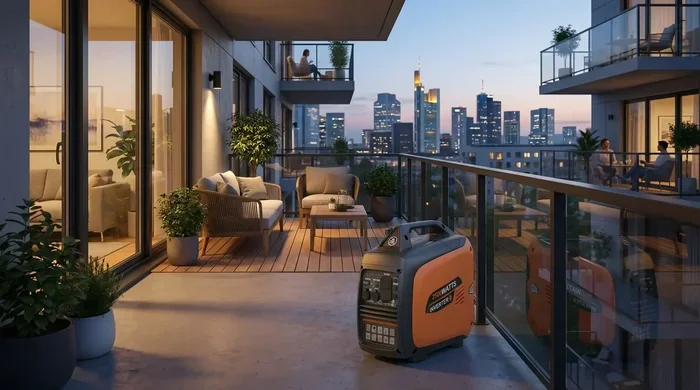
| Inverter Generator | Gasoline | 1,000 – 4,000 watts | No installation needed | Sensitive electronics |
| Whole House Generator | Natural gas, propane | 10,000 – 48,000 watts | Professional installation | Full home power |
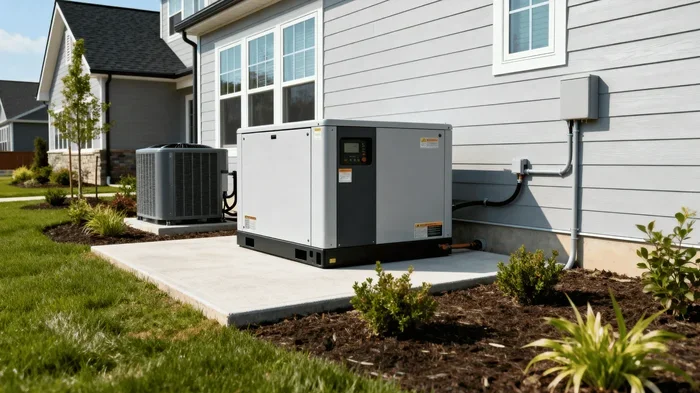
Standby generators are the most popular choice for homeowners who want full coverage. They connect to your natural gas or propane line and run automatically. A whole house generator can power everything from your HVAC system to your washing machine.
Portable generators are more affordable and easier to move. They work well for camping trips or temporary power needs. However, they require manual setup and refueling. Inverter generators produce cleaner power, making them ideal for laptops and phones.
Your choice depends on your budget, your power needs, and how much convenience you want. A home backup generator is a worthwhile investment for any homeowner who wants to avoid the hassle of outages.
Sizing Your Generator for Your Home’s Needs
Choosing the right size is one of the most important decisions you will make. A unit that is too small will overload. One that is too big wastes fuel and money. Here is how to find the right fit.
Start by listing the essential appliances you want to run during an outage. Add up their wattage requirements. Include startup watts for motor-driven appliances like refrigerators and air conditioners. This gives you your total wattage capacity needs.
Most homes need between 5,000 and 10,000 watts for essential circuits. A whole house setup may require 15,000 to 20,000 watts or more. Consult with a licensed electrician to get an accurate assessment. They can also advise on the best fuel type for your area.
Do not guess on sizing. An improperly sized unit can damage your appliances or fail when you need it most. Take the time to calculate your needs correctly. Your future self will thank you during the next outage.
Maintenance Tips That Keep Your Generator Running Strong
A generator is only as reliable as its maintenance routine. Regular care keeps your unit ready for action whenever you need it. Here are the most important maintenance tasks.
Check the oil regularly. Just like your car, your generator needs clean oil to run properly. Change it after every 100 hours of use or at least once a season. Use the oil type recommended by the manufacturer.
Inspect the fuel system. Old fuel can gum up the carburetor and injectors. Use fuel stabilizer if you store your unit for long periods. Drain old fuel before extended storage.
Test the battery. The automatic start system relies on a battery. Test it monthly and replace it every two to three years. A dead battery means your generator will not start when you need it.
Run the generator regularly. Even if the power never goes out, run your unit for about 30 minutes every month. This keeps the engine lubricated and the battery charged. It also lets you spot problems early.
Keep it clean and clear. Remove debris from around the unit. Check the cooling system for blockages. Make sure the exhaust is clear. Good airflow keeps the unit running at safe temperatures.
Schedule professional inspections. A yearly checkup by a qualified technician catches issues you might miss. They can test the electrical output, inspect the transfer switch, and verify everything is working correctly. Professional generator maintenance extends the life of your unit significantly.
Quick Tips
- Keep a maintenance log to track oil changes, inspections, and repairs.
- Store fuel in approved containers in a cool, well-ventilated area.
- Never run a generator indoors or in an enclosed space. Carbon monoxide is deadly.
- Use heavy-duty extension cords rated for outdoor use with portable units.
- Install a carbon monoxide detector near your generator and in sleeping areas.
Common Mistakes to Avoid
- Skipping oil changes leads to engine wear and eventual failure.
- Overloading the unit by running too many appliances at once.
- Ignoring warning lights or error codes on the control panel.
- Running a generator without a transfer switch creates serious safety hazards.
- Neglecting to test the unit regularly means you may discover problems only when you need it most.
Expert Insights: What Technicians Want You to Know
We spoke with several generator technicians to get their top advice. Here is what they shared.
“The number one mistake we see is homeowners waiting until the power goes out to test their unit. By then, it is too late if something is wrong. Run your generator regularly and keep it maintained. A well-maintained unit will start every single time.”
“Pay attention to the fuel type available in your area. If natural gas is not an option, propane is a great alternative. Make sure your fuel tank is sized appropriately for how long you need the generator to run. And never, ever skip the transfer switch installation.”
“Sizing is everything. We see units that are too small for the homes they serve. A professional load calculation takes the guesswork out of it. It is worth the investment upfront to avoid problems later.”
These insights from experienced professionals reinforce the importance of proper installation, regular maintenance, and correct sizing. A generator is a long-term investment in your home’s resilience.
Conclusion
Understanding how does a home generator work empowers you as a homeowner. You now know the core parts, the step-by-step process, and how to choose the right unit for your needs. You understand why maintenance matters and what mistakes to avoid.
A home backup generator is more than a convenience. It is a safeguard for your family’s comfort and safety. Power outages are unpredictable, but your preparation does not have to be. With the right unit, proper installation, and regular care, you can face any outage with confidence.
Take the time to assess your home’s needs. Research your options. Talk to professionals. The knowledge you gain from this guide puts you ahead of most homeowners. Apply what you have learned and enjoy the peace of mind that comes with reliable backup power.
Your home deserves to stay running no matter what. A well-chosen and well-maintained generator makes that possible. Start your research today and take the first step toward uninterrupted power for your family.
Frequently Asked Questions
How long can a home generator run continuously?
A standby generator connected to natural gas or a large propane tank can run continuously for days or even weeks. Portable generators typically run 8 to 12 hours on a full tank of fuel. The runtime depends on your fuel tank size, the load you are running, and the generator’s fuel efficiency. Always check your specific model’s runtime specifications.
What fuel type is best for a home generator?
The best fuel type depends on your situation. Natural gas is convenient because it connects directly to your home’s gas line and never runs out. Propane stores well and burns cleanly. Diesel offers high energy output but requires more maintenance. Consider what is available in your area and how long you need power during an outage when choosing your fuel type.
Do I need a transfer switch with my generator?
Yes, a transfer switch is essential for safety. It connects your generator to your home’s electrical panel while keeping you disconnected from the grid. This prevents backfeeding, which is dangerous for utility workers. A transfer switch also protects your generator from overload damage. Always have a licensed electrician install the transfer switch.
How often should I maintain my home generator?
You should perform basic checks monthly, including running the unit for 30 minutes and checking the oil level. Oil changes should happen after every 100 hours of use or at least once per season. A professional inspection should be done annually. Regular generator maintenance ensures your unit starts reliably when you need it most.
Can a home generator power my entire house?
Yes, a whole house generator can power your entire home. These units typically range from 10,000 to 48,000 watts and can handle your HVAC system, appliances, electronics, and lighting. The key is proper sizing. A licensed electrician can perform a load calculation to determine the right wattage capacity for your home’s needs.
What size generator do I need for my home?
The size you need depends on what you want to power during an outage. For essential circuits like lights, fridge, and furnace, a 5,000 to 7,500 watt unit works well. For a full home setup including air conditioning and multiple appliances, you may need 15,000 watts or more. Always consult a professional to get the right sizing for your specific situation.