Can You Put Gas in a Generator While Its Running Safely
Can you put gas in a generator while it’s running? The short answer is no. Adding fuel to a hot, running engine creates a serious fire and explosion risk. Always turn off the generator and let it cool before refueling. This simple habit keeps you safe and prevents costly damage.
If you have ever asked yourself can you put gas in a generator while it’s running, you are not alone. Many people wonder about this during a power outage. The quick answer is no. Adding fuel to a hot, running engine is dangerous. It can lead to fires, explosions, and serious burns.
Generators provide essential emergency power when the grid fails. They run on gasoline, which is highly flammable. The engine gets hot, and the exhaust releases heat. Fuel vapors can ignite from a tiny spark. That is why safety must come first. This article explains the risks and the right way to refuel. You will learn simple steps to keep yourself and your family safe.
Key Takeaways
- Never refuel a running generator: It can cause fires, explosions, and severe burns.
- Turn it off and let it cool: Wait at least 10-15 minutes before adding fuel.
- Use a spill-proof container: Prevents fuel spills and vapor ignition.
- Check your manual: Different generator types have specific refueling rules.
- Keep a fire extinguisher nearby: Always be prepared for emergencies.
- Avoid static electricity: Ground yourself before touching the fuel cap.
📑 Table of Contents
- Can You Put Gas in a Generator While Its Running? The Safety Truth
- The Risks of Adding Gas While the Engine Is Hot
- How to Safely Refuel Your Generator
- Generator Types and Their Refueling Rules
- Common Mistakes and How to Avoid Them
- Expert Tips for Long-Term Fuel Safety
- Conclusion: Can You Put Gas in a Generator While Its Running?
Can You Put Gas in a Generator While Its Running? The Safety Truth
The idea of refueling a running generator might seem convenient. You are in the middle of a blackout, and the lights are fading. Stopping to turn off the machine feels like a hassle. But convenience is not worth the danger. A generator engine runs hot, often exceeding 200 degrees Fahrenheit. The exhaust manifold glows with heat. Gasoline vapors are heavier than air and can travel along the ground.
A single spark from the exhaust, a static discharge, or even a loose fuel cap can ignite those vapors. The result can be a flash fire or an explosion. The generator itself can become a fireball. That is why every manufacturer explicitly states: turn off the engine before adding fuel. This rule applies to all portable and standby units. It is not a suggestion. It is a life-saving safety precaution.
So, can you put gas in a generator while it’s running? No. Never do it. The risk is too high. Always follow the fuel safety guidelines in your owner’s manual. Your safety depends on this simple habit.
The Dangers of Fueling a Hot Engine
When a generator runs, it produces heat and sparks. The engine block, cylinder head, and exhaust all become extremely hot. Gasoline has a low flash point, meaning it evaporates quickly at room temperature. The vapors mix with air and can travel far from the fuel tank. A hot engine part can ignite those vapors instantly.
Even if the engine looks cool to the touch, internal parts retain heat. The catalytic converter or muffler can stay hot for a long time. Fuel spilled on these parts will vaporize and catch fire. This is a common cause of generator fires. Many people do not realize how quickly a fuel spill can turn into a disaster. Always treat the generator as a hot appliance, even after it stops.
Fire and Explosion Risks
A fire hazard exists whenever fuel meets an ignition source. A running generator has many ignition sources. The spark plug creates a spark inside the cylinder. The exhaust releases hot gases. Electrical components can produce small arcs. Static electricity can build up while you move the fuel jug.
If gasoline vapors reach any of these sources, they ignite. The fire can spread to the fuel tank. A full tank of gasoline can explode with tremendous force. The blast can throw the generator across a room. It can start a house fire. The injuries from such an event are often severe. Burns, blast trauma, and smoke inhalation are common. Never risk your life for a few minutes of convenience.
The Risks of Adding Gas While the Engine Is Hot
Understanding the specific risks helps you make safe choices. When you put gas in a generator while it’s running, you invite multiple dangers. Let us break them down clearly.
Fuel Spills and Vapor Ignition
Fuel spills are the most immediate risk. When you hold a gas can and try to pour into a fuel tank, spills happen easily. The fuel nozzle can drip. The can can tip. A hot engine surface will instantly ignite the spilled liquid. The fire can travel back up into the fuel can.
Even without a visible spill, fuel vapors escape constantly. Gasoline gives off vapors even in a closed container. Those vapors settle near the ground and around the generator. A running engine can draw those vapors into the exhaust. The result is a fire that starts outside the machine. You may not even see the vapors, but they are there.
Carbon Monoxide and Ventilation
Generators produce carbon monoxide, a deadly silent gas. Running a generator indoors or in a garage kills people every year. Adding fuel while the engine runs does not change this risk. In fact, a fuel spill can increase the vapor load in the air. If you are refueling in a poorly ventilated space, the danger multiplies.
Always place the generator outside, far from windows and doors. The carbon monoxide can seep into your home through small openings. Never assume you have time to refuel safely indoors. The fuel can wait. Your life cannot.
Static Electricity and Sparks
Static electricity is an invisible spark hazard. When you walk across a carpet or move a plastic fuel jug, static builds up. Touching the fuel cap can discharge that static spark. The spark can ignite gasoline vapors right at the filler neck.
This is a real and common cause of fires at gas stations. The same principle applies to your generator. Always touch a metal part of the generator frame before handling the fuel cap. This grounds you and dissipates any static charge. A simple step that can save your life.
How to Safely Refuel Your Generator
Safe generator refueling is easy when you follow a clear routine. The process takes only a few extra minutes. Those minutes can save your home and your life. Here is the step-by-step guide.
Step-by-Step Refueling Guide
- Turn off the generator completely. Switch the engine off. Do not just idle it down. A cool engine is a safe engine.
- Let the generator cool down. Wait at least 10 to 15 minutes. The engine block, exhaust, and muffler need time to lose their heat.
- Move the fuel can away from the generator. Place the gas jug on the ground, a few feet from the unit. Never hold it in your hand while pouring.
- Open the fuel cap. This releases any pressure that built up in the tank. Fuel vapors will escape slowly.
- Pour the fuel slowly. Use a funnel if needed. Avoid splashing. Fill the tank to the bottom of the filler neck. Do not overfill.
- Wipe up any spills immediately. Use a clean rag. Dispose of the rag safely. Do not leave fuel-soaked materials near the generator.
- Secure the fuel cap tightly. A loose cap allows vapors to escape. It also lets debris enter the fuel system.
- Wait a few more minutes before starting. This lets any residual vapors dissipate. You want a clean air space around the generator before you restart.
- Start the generator outdoors. Never operate a generator inside a garage, basement, or enclosed porch.
How Long to Let It Cool
The cooling time depends on how long the generator ran. A generator that ran for 30 minutes may still be very hot. A generator that ran for 8 hours needs a longer wait. As a rule, wait at least 10 minutes after turning it off. If the engine feels warm to the touch, wait longer. Use the back of your hand to check the metal frame. If it feels hot, give it more time. Patience is a key part of fuel safety.
Quick Tip: Keep a small timer or clock nearby when refueling. It helps you resist the urge to rush. A few extra minutes of waiting can prevent a catastrophic fire.
Common Refueling Mistakes
Many people make avoidable mistakes when they refuel a generator. Knowing these errors helps you prevent them.
- Refueling while the engine is still warm. Even if it sounds quiet, heat remains. Always wait for a full cool-down.
- Overfilling the fuel tank. Extra gasoline can leak into the engine compartment or spill onto hot surfaces.
- Using a dirty or damaged fuel can. A cracked can or one with a loose cap can spill fuel easily.
- Failing to ground yourself. Touching a metal frame before handling the cap prevents static sparks.
- Refueling in a confined space. Even outdoors, wind can blow vapors toward ignition sources. Choose a well-ventilated spot away from any flames.
Generator Types and Their Refueling Rules
Not all generators are the same. The refueling rules apply to all, but some details differ. Let us look at the two main types.
Portable Generators
Portable generators are the most common for home use. They run on gasoline and plug directly into appliances. Because they are small and mobile, people often want to refuel them quickly during an outage. The temptation to add fuel while it runs is high. But the danger is identical.
Portable generators have a fuel tank located near the engine. The fuel line connects directly to the carburetor. A spill can easily reach the hot engine. The exhaust is close to the fuel tank. Always turn off a portable generator before refueling. Let it cool completely. Use a clean, approved fuel container. Never use a siphon pump that creates sparks.
Standby Generators
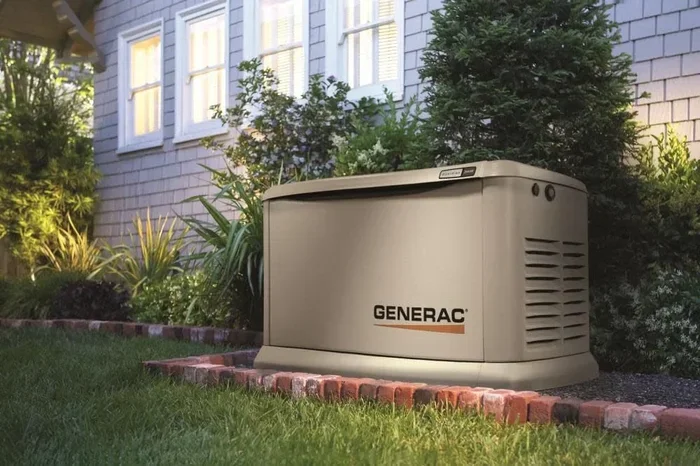
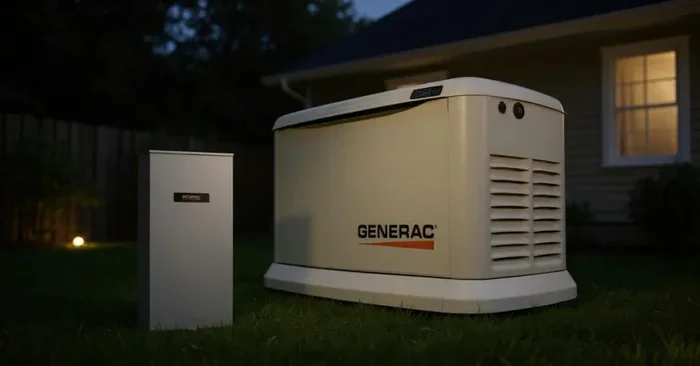
Standby generators are larger permanent units. They run on natural gas or propane, but many models also use diesel or gasoline. They automatically kick in during a power outage. Because they are outside and wired into the home, people sometimes forget they need refueling.
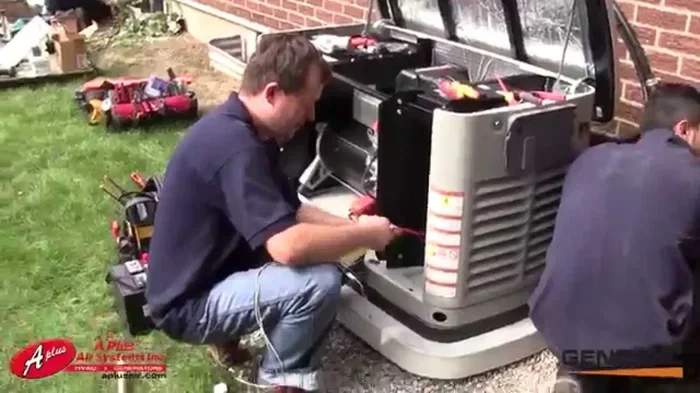
Standby generators with a diesel or gasoline tank must also be turned off before refueling. The engine and exhaust are just as hot. The fuel system is under pressure. A fuel spill on a hot engine compartment can cause a severe fire. Follow the manufacturer’s instructions for your specific standby model. Never assume it is safe to add fuel while the unit is running.
| Generator Type | Refueling While Running? | Cooling Time | Safety Notes |
|---|---|---|---|
| Portable Gasoline | Never | 10-15 minutes minimum | Turn off engine, let cool, use spill-proof container |
| Standby Diesel/Gasoline | Never | 15-20 minutes minimum | Shut off fuel valve, let cool, check for leaks |
| Standby Natural Gas/Propane | N/A (no refueling needed) | N/A | Ensure gas lines are secure and leak-free |
So, can you put gas in a generator while it’s running regardless of type? No. The rule is the same for every generator. Always turn it off, let it cool, and then refuel safely.
Common Mistakes and How to Avoid Them
Mistakes happen when we are in a hurry or feel confident. During a long power outage, fatigue sets in. You may think you can save time by refueling quickly. That mindset leads to accidents. Here are the most common errors and how to avoid them.
Ignoring the Manual
Your generator’s owner manual contains the exact refueling instructions. Every model is slightly different. The manual tells you the correct fuel type, the proper fill level, and the safety warnings. Skipping the manual means you might miss a critical detail. For example, some generators have a fuel shutoff valve that must be closed before refueling. Others have a specific cool-down period. Read the manual once and keep it in a safe place. It is your best safety guide.
Using the Wrong Fuel
Using the wrong fuel can damage the engine and increase fire risk. Most portable generators run on regular unleaded gasoline. Never use gasoline with a high ethanol blend, such as E15 or E85. Ethanol attracts moisture and can corrode fuel lines. It also burns differently and can cause engine knocking. Always use fresh fuel and store it in an approved container. Old fuel degrades over time and can cause starting problems and unsafe combustion.
Skipping the Cool-Down
This is the most common and most dangerous mistake. You turn off the generator and immediately pop the fuel cap. The engine is still glowing with heat. The exhaust is still hot. A small splash of fuel on the hot cylinder head can ignite instantly. You may not even see the flame until it is too late. Always wait the full cooling period. Do not shortcut this step.
Refueling in the Dark
During a blackout, visibility is poor. You might try to refuel by flashlight or porch light. A dim light makes it hard to see spills. You could overfill the tank or miss a drip on the hot engine. If possible, use a battery-powered lantern placed safely away from the fuel area. Better yet, refuel before darkness falls if you anticipate a long outage.
Expert Tips for Long-Term Fuel Safety
Fuel safety goes beyond the refueling moment. How you store and handle gasoline matters just as much. Here are expert tips to keep your fuel storage safe and your generator running well.
Storage and Handling
Store gasoline in an approved, spill-proof container. Never use glass jars or non-rated plastic jugs. Keep the container in a cool, well-ventilated shed or garage, away from direct sunlight and heat sources. Gasoline expands in heat. A container left in the sun can build pressure and leak. Label the container clearly with the date you filled it. Use fuel within 30 days for best performance. Old fuel can degrade and cause engine problems.
When transporting fuel, secure the container upright in the bed of a truck or trunk. Never carry it in the passenger cabin. A spill inside your car can create a deadly vapor hazard. Keep the windows open and drive carefully. If you spill fuel on the car, clean it immediately before starting the engine.
Emergency Response
Despite your best efforts, accidents can happen. If you smell gasoline near the generator, do not start or stop the engine. The engine’s electrical system can spark. Turn off the generator if it is safe to do so. Move away from the area and call for help. Keep a fire extinguisher rated for gasoline fires (Class B) near your generator. Know how to use it before an emergency arises.
If a fuel fire starts, do not try to fight it if it is large. Get everyone out of the house and call 911. Small spills on a cool surface can often be wiped up safely. But a fire involving fuel vapors or a burning generator requires professional response. Your safety always comes first.
Expert Insight: “The number one rule of generator fuel safety is simple: turn it off and let it cool. No job is so urgent that it is worth risking a fire. A few minutes of patience can save a lifetime of regret.” – Fire Safety Specialist
Conclusion: Can You Put Gas in a Generator While Its Running?
The answer is clear and simple. Can you put gas in a generator while it’s running? No, you cannot. The risks are too severe. A running generator is a hot machine with many ignition sources. Adding fuel to it can cause a flash fire, an explosion, and life-threatening injuries. Always turn off the generator and let it cool for at least 10 to 15 minutes before refueling. Use a spill-proof container, ground yourself, and follow the manufacturer’s instructions.
Safe generator operation starts with safe refueling habits. Whether you have a portable unit for camping or a standby system for your home, the rules are the same. Turn it off, let it cool, and refuel carefully. These simple steps protect your family, your home, and your investment. Share this safety knowledge with everyone in your household. A power outage is stressful enough without the added danger of a fuel fire. Stay safe, stay prepared, and always prioritize fuel safety.
Frequently Asked Questions
What happens if you accidentally put gas in a generator while it’s running?
If you spill fuel on a hot engine, it can ignite immediately. The fire can spread to the fuel tank and cause an explosion. Even a small spill on the exhaust can start a flash fire. If this happens, do not try to fight the fire yourself. Get to a safe distance and call emergency services immediately.
How long should you let a generator cool before refueling?
You should wait at least 10 to 15 minutes after turning the generator off. If it ran for a long time, wait longer. The engine block, exhaust, and muffler retain heat. Touch the metal frame to check. If it feels warm, wait more. Always let the generator cool completely before adding fuel.
Can you refuel a portable generator while it is idling?
No, you cannot. Idling still means the engine is running and hot. The exhaust and engine parts are at high temperatures. Fuel vapors can ignite from the exhaust or a spark plug. Always turn the generator off completely and let it cool before refueling, even if it is just idling.
Is it safe to store gasoline near a generator?
It is not safe to store gasoline right next to a running generator. Fuel vapors can travel and find an ignition source. Store fuel in an approved container, away from the generator and any heat sources. Keep it in a cool, ventilated area. Always follow local fire codes for fuel storage.
What type of fuel container should you use for a generator?
Use an approved, spill-proof fuel container made for gasoline. Look for containers that meet UL or ASTM standards. Never use glass jars, milk jugs, or non-rated plastic bottles. A proper container has a secure cap, a pour spout, and vapor-proof sealing to prevent leaks and spills.
Do standby generators need to be turned off before refueling?
Yes, standby generators must be turned off before refueling. They have hot engines and exhaust systems just like portable units. If your standby generator runs on diesel or gasoline, follow the same safety rules. Shut it down, let it cool, and then refuel. Never add fuel while the unit is operating.