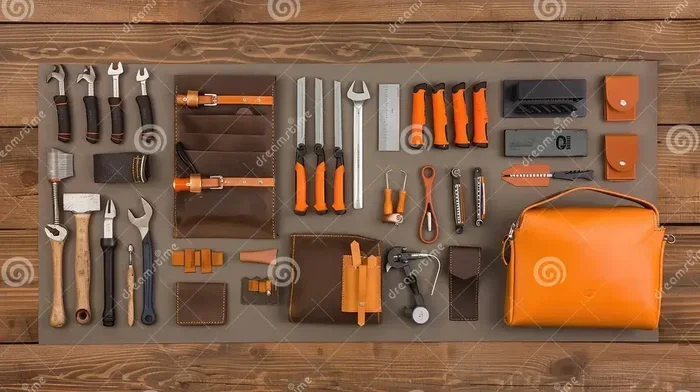
Everything You Need in a Leather Tool Kit for Beginners
A leather tool kit for beginners gives you everything you need to start crafting beautiful leather goods at home. This guide breaks down every essential tool, from cutting mats to stitching needles, so you can shop with confidence. You will learn what to look for, how to set up your workspace, and which beginner projects are perfect for your first try.
Starting a new hobby can feel overwhelming. There are so many tools to choose from, and the prices can add up fast. If you have been eyeing leather crafting, the good news is that getting started is simpler than you think. A well-chosen leather tool kit for beginners removes all the guesswork. It gives you exactly what you need to create your first leather goods without wasting money on things you do not need.
In this guide, we walk you through every tool that belongs in a starter kit. We also share tips on choosing the right kit, setting up your workspace, and tackling your first leather project. Whether you want to make wallets, keychains, or custom bags, this article has you covered. Let us dive in and help you build a strong foundation for your new hobby.
Key Takeaways
- Start with the basics: A quality beginner leather tool kit should include an awl, mallet, cutting mat, stitching needles, and leather glue.
- Quality matters more than quantity: A smaller kit with durable tools beats a large kit with flimsy ones every time.
- Set up a dedicated workspace: A clean, flat surface with good lighting makes leather crafting safer and more enjoyable.
- Practice on scrap leather first: Always test your techniques on scrap pieces before working on your final project.
- Budget-friendly options exist: You can build a solid leather tool kit for under $100 as a complete beginner.
- Avoid common mistakes: Skipping edge finishing and using dull blades are the top errors new leather crafters make.
📑 Table of Contents
- What Is a Leather Tool Kit for Beginners?
- Essential Tools Every Leather Tool Kit for Beginners Should Include
- How to Choose the Right Leather Tool Kit for Beginners
- Setting Up Your Leather Working Space
- Beginner Leather Projects to Try
- Common Mistakes Beginners Make and How to Avoid Them
- Expert Tips for Getting Started with Leather Crafting
- How Much Should You Spend on a Beginner Leather Tool Kit?
- Final Thoughts on Starting Your Leather Crafting Journey
What Is a Leather Tool Kit for Beginners?
A leather tool kit for beginners is a curated collection of the basic tools you need to start working with leather. These kits are designed to give you everything essential without overwhelming you with advanced equipment. Think of it as your starter pack for leather crafting. It includes tools for cutting, punching, stitching, and finishing leather pieces.
Most beginner kits range from simple pouches with five or six tools to larger boxes with dozens of items. The best kits focus on quality over quantity. They include tools you will actually use on a regular basis. A starter kit typically costs between $30 and $150, depending on the brand and the number of tools included.
Why Start with a Kit Instead of Buying Individual Tools?
Buying a pre-assembled kit saves you time and money. When you purchase individual tools one by one, you often end up with gaps in your collection. You might forget something essential and have to buy it later. A leather tool kit for beginners ensures you have a balanced set of tools right from the start.
Kits also come with helpful extras like storage cases and instructional guides. These additions make your learning journey smoother. You do not have to figure out how to organize your tools or search for beginner tutorials separately. Everything is bundled together for your convenience.
Essential Tools Every Leather Tool Kit for Beginners Should Include
Not all kits are created equal. Some include tools you will barely use, while others leave out essentials. Here is a breakdown of the must-have tools every beginner leather crafter needs.
1. Leather Cutting Tools
Cutting is the first step in almost every leather project. You need a sharp, reliable cutting tool to get clean lines and precise shapes.
- Rotary cutter: Great for cutting straight lines across larger pieces of leather.
- Round knife: A classic choice for general leather cutting. It handles curves and straight cuts well.
- Cutting mat: Protects your table and keeps your cuts accurate. A self-healing mat is ideal.
- Stainless steel ruler: Helps you measure and guide your cuts for straight edges.
2. Punching and Marking Tools
Punching tools create holes for stitching and mark lines for cutting or folding. These are essential for any leatherworking project.
- Leather awl: A pointed tool used to mark stitch lines and create pilot holes. An awl is one of the most important tools in any starter kit.
- Stitching punch: Creates evenly spaced holes along your stitch line. A 4-prong punch is perfect for beginners.
- Wing divider: Helps you mark straight lines and curves on leather before cutting or stitching.
- Groover: Creates a groove along the leather edge for stitching. It keeps your stitches flush and neat.
3. Stitching and Sewing Tools
Stitching is what holds your leather pieces together. Having the right sewing tools makes a huge difference in the quality of your finished work.
- Stitching needles: Blunt-tipped needles designed specifically for leather. They push through holes without tearing the material.
- Stitching chisels: Similar to a punch but creates cleaner, more uniform holes for hand stitching.
- Thread and needle threader: Use waxed polyester thread for durability. A needle threader saves you frustration when working with small needles.
4. Finishing and Assembly Tools
Finishing tools give your leather projects a professional look. They help you smooth edges, add color, and protect your work.
- Mallet or hammer: Used for tapping punches, setting rivets, and flattening seams. A rawhide mallet is gentle on your tools.
- Edge beveler: Shaves the edge of leather to create a clean, rounded finish before burnishing.
- Sponge and daubers: Used for applying leather dye and conditioner evenly across the surface.
- Leather glue: Bonds pieces together before stitching. A good adhesive makes assembly much easier.
- Burnishing tool: Creates a smooth, polished edge on your leather pieces for a professional finish.
How to Choose the Right Leather Tool Kit for Beginners
With so many options on the market, choosing the right kit can be tricky. Here are the key factors to consider before you buy.
Consider Your Budget
Set a realistic budget before shopping. A decent beginner leather tool kit costs between $40 and $100. Kits under $30 often include low-quality tools that will dull or break quickly. Spending a little more upfront saves you money in the long run because you will not need to replace tools as often.
On the other hand, you do not need to spend hundreds of dollars to get started. Focus on kits that include the essential tools listed above. You can always expand your collection as you grow more confident in your leatherworking skills.
Check the Tool Quality
Look for kits that use stainless steel or carbon steel tools. These materials stay sharp longer and resist rust. Avoid kits with plastic handles or thin metal blades. They will bend, dull, or break after just a few uses.
Read reviews from other beginners. Real user experiences tell you a lot about tool durability. Pay attention to comments about how well the tools hold up over time and whether they feel comfortable in your hand.
Look for Storage and Organization
A good leather tool kit for beginners comes with a sturdy storage case. This keeps your tools organized and protected when you are not working. Look for kits with foam-lined boxes or roll-up cases with pockets.
Good storage also prevents tools from getting dull or damaged. A proper case makes it easy to find what you need quickly. It also encourages you to keep your workspace clean, which is important for quality leatherwork.
Does the Kit Include Instructions?
As a beginner, step-by-step guidance is incredibly valuable. Many quality kits include beginner-friendly instruction booklets or access to online tutorials. These resources help you learn proper techniques from day one.
Some kits also include starter pieces of leather so you can practice immediately. This is a great bonus because it means you can start crafting right out of the box without making a separate purchase.
Setting Up Your Leather Working Space
Having a proper workspace makes leather crafting safer, more enjoyable, and more productive. You do not need a large workshop. A small dedicated area in your home works perfectly for beginners.
Choose the Right Surface
Your work surface should be flat, stable, and easy to clean. A large wooden table or a dedicated cutting board works great. Avoid soft surfaces like beds or couches because they make cutting inaccurate and can damage your tools.
Place a cutting mat on your work surface to protect the table underneath. A self-healing mat also provides a non-slip surface that keeps your leather steady while you cut or punch holes.
Organize Your Tools
Keep your tools within arm’s reach but organized. Use a tool roll, a pegboard, or a toolbox with compartments. When everything has a designated spot, you spend less time searching and more time crafting.
Store sharp tools like knives and awls in protective sheaths or rolls. This keeps them safe and prevents accidents. A well-organized workspace also reduces frustration and helps you stay focused on your leather projects.
Ensure Good Lighting
Proper lighting is often overlooked but extremely important. You need to see fine details clearly when marking, cutting, and stitching leather. A bright desk lamp or overhead light works well for most beginners.
Natural light is also excellent for leather work. If possible, set up your workspace near a window during daytime hours. Good lighting helps you spot mistakes early and produces cleaner, more professional results.
Beginner Leather Projects to Try
Now that you have your leather tool kit and workspace ready, it is time to start creating. Here are some beginner-friendly projects to build your skills and confidence.
1. Leather Keychain
A keychain is the perfect first project. It requires minimal leather, takes less than an hour, and teaches you basic cutting, punching, and stitching techniques. Start with a small piece of vegetable-tanned leather, cut it to your desired shape, punch stitch holes, and sew it together. Add a rivet or snap for the keyring attachment.
2. Simple Wallet
Once you have mastered the keychain, try a simple bi-fold wallet. This project introduces you to more complex assembly, edge finishing, and dyeing. You will practice cutting precise pieces, gluing layers together, and creating clean stitch lines. A wallet is also a useful item you can carry every day or gift to someone special.
3. Leather Coaster Set
Coasters are a fun and low-pressure project. Cut four or six circles or squares from leather, punch stitch holes around the edges, and sew them together. You can experiment with different leather colors and dye techniques to create a matching set. Coasters also make wonderful handmade gifts.
4. Leather Bracelet
A leather bracelet is a quick and satisfying project. Cut a strip of leather, add a buckle or snap closure, and dye it in your favorite color. This project teaches you about sizing, edge finishing, and adding hardware. You can make several in different styles to build your leatherworking confidence.
Common Mistakes Beginners Make and How to Avoid Them
Every beginner makes mistakes, but some are easily preventable. Here are the most common errors new leather crafters make and how you can avoid them.
Buying Cheap, Low-Quality Tools
It is tempting to buy the cheapest kit available, but this often leads to frustration. Poor-quality tools dull quickly, break easily, and make the learning process harder. Invest in a mid-range leather tool kit for beginners with solid stainless steel tools. Your tools are the foundation of your craft, so treat them as an investment.
Skipping the Cutting Mat
Cutting directly on a table or countertop damages both your surface and your blades. Always use a cutting mat. It protects your workspace, gives you a non-slip surface, and extends the life of your cutting tools. This is one of the easiest mistakes to avoid.
Using Dull Blades
A dull blade tears leather instead of cutting it cleanly. This leads to jagged edges and imprecise shapes. Keep your blades sharp and replace them when they start to drag. A sharp blade makes every step of the leatherworking process easier and more enjoyable.
Rushing the Stitching Process
New leather crafters often rush through stitching to finish faster. This results in uneven stitches, skipped holes, and messy thread tension. Take your time. Use a stitching guide or wing divider to mark even spacing. Consistent, neat stitching is what separates amateur-looking pieces from professional ones.
Forgetting to Finish Edges
Raw leather edges look rough and unfinished. Always bevel, burnish, and seal your edges for a polished look. Edge finishing is one of the most important skills in leathercraft. It transforms a simple project into something that looks store-bought quality.
Expert Tips for Getting Started with Leather Crafting
Here are some insider tips from experienced leather crafters to help you succeed from day one.
- Start small: Do not try to tackle a large bag or complex project right away. Build your skills with simple items first.
- Use vegetable-tanned leather: It is the best leather for beginners because it is easy to cut, stamp, and dye.
- Practice your stitches: Before stitching your final project, practice on scrap leather to get comfortable with the rhythm and tension.
- Keep a leather journal: Track your projects, note what worked, and record what you want to try next. This helps you improve over time.
- Join a community: Online forums and local leatherworking groups offer support, advice, and inspiration. Learning alongside others keeps you motivated.
- Clean your tools after each session: Wipe down your blades and store them properly. Clean tools last longer and perform better.
How Much Should You Spend on a Beginner Leather Tool Kit?
The cost of a leather tool kit for beginners varies widely. Entry-level kits with basic tools start around $30 and can go up to $150 for more comprehensive sets. Here is a quick breakdown of what to expect at different price points.
- Budget kits ($30-$50): Include basic cutting, punching, and stitching tools. Quality is acceptable for learning but may need replacement over time.
- Mid-range kits ($50-$100): Offer better tool quality, more variety, and often include a storage case and beginner leather pieces. This is the sweet spot for most new crafters.
- Premium kits ($100-$200): Feature professional-grade tools, premium storage, and extensive starter materials. Best for hobbyists who plan to pursue leathercraft long-term.
Remember that your first kit does not need to be perfect. Start with a solid mid-range option, learn the basics, and upgrade as your skills develop. The most important thing is to begin.
Final Thoughts on Starting Your Leather Crafting Journey
A leather tool kit for beginners is your gateway into a rewarding and creative hobby. With the right tools, a clean workspace, and a willingness to learn, you can create beautiful leather goods in just a few weeks. Start with the essentials, practice regularly, and do not be afraid to make mistakes. Every project teaches you something new.
The leather crafting community is welcoming and full of experienced makers happy to share advice. Take advantage of online tutorials, forums, and local workshops to accelerate your learning. Most importantly, enjoy the process. There is something deeply satisfying about creating something with your hands from start to finish.
Pick a kit that fits your budget, gather your tools, and dive into your first project. You will be surprised at what you can create. Leather crafting is a skill that brings joy for a lifetime, and it all starts with the right leather tool kit for beginners.
Frequently Asked Questions
What tools are included in a basic leather tool kit for beginners?
A basic kit typically includes an awl, a round knife, a cutting mat, a stitching punch, a mallet, stitching needles, thread, leather glue, and an edge beveler. Some kits also come with a groover, wing divider, and a storage case. These tools cover all the essential techniques you need to get started with leather crafting.
How much should I spend on a leather tool kit for beginners?
Most quality beginner kits cost between $50 and $100. This price range gives you durable stainless steel tools and usually includes a storage case and some starter leather pieces. Avoid kits under $30 because they often contain low-quality tools that will not last. Think of your first kit as an investment in your new hobby.
Can I use a leather tool kit for beginners to make wallets and bags?
Absolutely. Beginner kits include all the tools you need for simple wallets, cardholders, small bags, and accessories. As you gain experience, you can take on more complex projects like larger bags or belts. Start with smaller items to build your confidence and technique before moving on to bigger pieces.
Do I need any special skills to use a leather tool kit for beginners?
No special skills are required. Most beginner kits come with step-by-step instructions and are designed for people with zero leatherworking experience. If you can follow basic directions and have patience, you can learn leathercraft. The key is to start with simple projects and practice regularly.
What type of leather is best for beginners?
Vegetable-tanned leather is the best choice for beginners. It is easy to cut, stamp, stitch, and dye. It also holds shape well and produces clean edges. Start with medium-weight leather (around 3 to 4 ounces) for your first projects. It is forgiving and versatile enough for a wide range of beginner projects.
How do I care for and maintain my leather tools?
Wipe your metal tools with a dry cloth after each use to prevent moisture buildup. Store them in a protective case or roll to avoid dulling. Keep your cutting blades sharp and replace them when they start to drag. Clean your workspace regularly, and always store your leather and tools in a dry, cool place to prevent damage.
=== CONCLUSION ===
A leather tool kit for beginners is the single best investment you can make when starting your leathercraft journey. It gives you everything you need to learn, practice, and create beautiful handmade leather goods. From cutting and punching to stitching and finishing, the right set of tools makes every step easier and more enjoyable.
Start with a quality mid-range kit, set up a simple workspace, and dive into beginner-friendly projects like keychains and wallets. Practice your techniques, learn from your mistakes, and celebrate your progress. Leather crafting is a fulfilling hobby that lets you create something real with your own hands.
Grab your leather tool kit for beginners today, and take the first step toward a creative new passion. You will be amazed at what you can make.