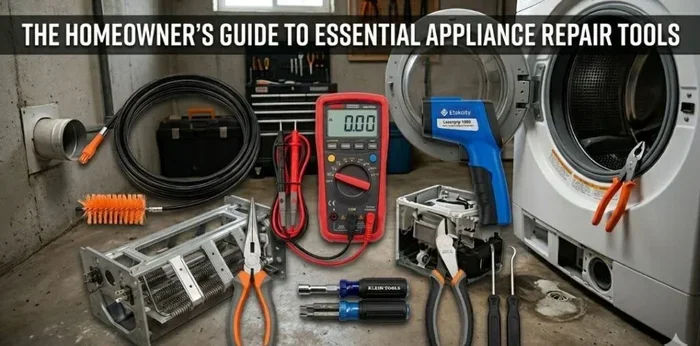
The Ultimate Appliance Repair Tool Kit for Beginners
An appliance repair tool kit is the essential starter pack for anyone who wants to fix common household appliances at home. With the right appliance repair tool kit, you can save hundreds of dollars on service calls and tackle repairs yourself in minutes. This guide walks you through every tool you need, how to pick the best kit, and simple tips to get started right away.
Every homeowner faces this moment. A fridge stops cooling. A washing machine makes a loud noise. A dishwasher won’t drain. And suddenly, you are staring at a repair bill that could cost hundreds of dollars.
But what if you could fix many of these problems yourself? That is exactly where a good appliance repair tool kit comes in. With the right set of tools in your hands, you can diagnose issues, replace parts, and get your appliances running again without waiting for a technician.
This guide is for beginners who want to take the first step into DIY appliance repair. We will cover everything from the basic tools you need to expert tips that make repairs easier and safer. By the end, you will know exactly what to look for in an appliance repair tool kit and how to use it with confidence.
Key Takeaways
- A solid appliance repair tool kit saves you time, money, and frustration when household appliances break down.
- Basic hand tools like screwdrivers, pliers, and wrenches form the foundation of any repair toolkit.
- Electrical diagnostic tools such as a multimeter are essential for troubleshooting appliance electrical issues.
- Choosing the right kit depends on your skill level, budget, and the types of appliances you own.
- Avoiding common mistakes like buying cheap tools or skipping safety gear can make your repairs safer and more effective.
- Regular maintenance with your toolkit keeps appliances running longer and reduces costly repairs.
📑 Table of Contents
What Is an Appliance Repair Tool Kit?
An appliance repair tool kit is a collection of tools designed specifically for fixing household appliances. These kits range from simple starter sets with basic hand tools to advanced kits that include electrical testing equipment and specialty attachments.
Think of it as your first line of defense when something goes wrong at home. Instead of calling a repair technician for every little issue, you can handle common problems on your own. The right home appliance tools give you the power to troubleshoot, diagnose, and fix a wide range of appliances.
Why You Need One
There are several strong reasons to invest in a repair toolkit for your home:
- Cost savings: Professional repair calls can cost $100 or more just for a visit. With your own tools, many repairs cost only the price of the replacement part.
- Convenience: You can fix problems on your own schedule. No waiting days for an appointment or coordinating with a service provider.
- Learning opportunity: Each repair teaches you something new about how your appliances work. Over time, you become more skilled and self-sufficient.
- Emergency readiness: When a fridge stops working on a weekend, having the right tools means you can act fast instead of panicking.
Beyond the basics, a well-stocked tool organizer keeps everything in one place. You do not want to be searching through drawers while your food spoils or your laundry piles up.
What Is Inside a Basic Appliance Repair Kit?
A standard appliance repair tool kit for beginners typically includes these core items:
- Screwdriver set (Phillips and flathead)
- Adjustable wrench
- Pliers set (needle-nose and standard)
- Socket wrench set
- Multimeter for electrical testing
- Tape measure
- Flashlight or headlamp
- Work gloves and safety glasses
- Tool bag or case for storage
These basic repair tools handle the majority of common appliance issues. You can tighten loose connections, remove panels, test electrical components, and replace worn parts. As you gain experience, you can expand your collection with more specialized items.
Must-Have Tools for Your Appliance Repair Kit
Not all tools are created equal. Some are essential for almost every repair job, while others are more specialized. Let us break down the most important tools you should have in your appliance maintenance kit.
Hand Tools You Cannot Skip
Hand tools are the backbone of any DIY appliance repair effort. They are simple, reliable, and easy to use. Here are the hand tools every beginner should own:
- Screwdrivers: A set of Phillips and flathead screwdrivers in various sizes handles most panel and component screws. Look for magnetic tips — they make a huge difference.
- Adjustable wrench: This versatile tool adjusts to fit different nut sizes. It is perfect for tightening or loosening fittings on washing machines, dishwashers, and refrigerators.
- Pliers: Needle-nose pliers reach into tight spaces, while standard slip-joint pliers grip and twist. Both are essential for electrical and mechanical repairs.
- Socket wrench set: A ratchet with a set of metric sockets covers most appliance fasteners. It makes removing panels much faster than using individual wrenches.
- Tape measure: You need accurate measurements when ordering replacement parts or checking clearances inside appliance cabinets.
These hand tools set items are affordable and take up very little space. A quality set from a reputable brand will last you for years of repairs.
Electrical and Diagnostic Tools
Many appliance problems are electrical in nature. A fridge that will not start, a dryer that stops mid-cycle, or a microwave that sparks all point to electrical issues. That is why diagnostic tools are so important in any appliance repair tool kit.
The single most important tool for electrical diagnosis is a multimeter. This device measures voltage, continuity, and resistance. With a multimeter, you can test whether a heating element is working, check if a fuse has blown, or verify that power is reaching a component.
Here are other electrical tools worth considering:
- Electrical tester: A simple non-contact voltage tester lets you quickly check if a wire is live without touching it. It is a great safety tool.
- Wire strippers: When you need to repair or replace wiring, wire strippers cleanly remove insulation without damaging the wire inside.
- Insulated screwdrivers: These protect you from electrical shock when working on live components. Safety always comes first.
Investing in a quality multimeter is one of the best decisions you can make. It transforms you from someone who guesses at problems to someone who can diagnose them accurately.
Specialty Tools for Specific Appliances
Some appliances need specialized tools for certain repairs. For example, if you work on refrigerators or air conditioning units, you may encounter compressor repair tasks. In those cases, having the right tools becomes even more important.
For compressor-related repairs, you might need specific compressor valve repair kits and tools designed for working with refrigerant lines and compressor components. These are more advanced, but they show how a general appliance repair tool kit can grow with your skills.
Other specialty tools include:
- Fan blade puller: Useful for safely removing fan blades from dryers and refrigerators without damaging them.
- Coil brush: Cleans condenser coils on refrigerators and AC units, which is a common maintenance task.
- Vacuum pump: Needed for more advanced refrigerant work, though this is usually for experienced technicians.
As a beginner, focus on the essentials first. You can always add specialty tools as you take on more complex jobs. The goal is to build a tool organizer that grows with your confidence and skills.
How to Choose the Right Appliance Repair Tool Kit
Walking into a store or browsing online, you will find dozens of appliance repair tool kits. How do you know which one is right for you? Let us look at the key factors.
Beginner vs. Pro Kits
Manufacturers design kits for different skill levels. Beginner kits focus on the essential hand tools and a basic multimeter. They are affordable, usually under $50, and perfect for someone who wants to handle simple repairs like replacing a door hinge, fixing a loose connection, or swapping out a worn gasket.
Professional-level kits include advanced diagnostic equipment, more specialized tools, and higher-quality materials. These kits can cost $150 or more. They are better suited for someone who plans to do serious appliance parts and repair work regularly.
For most beginners, a mid-range kit that includes quality hand tools, a decent multimeter, and a sturdy carrying case strikes the right balance. You get what you need without overspending.
Budget-Friendly Options
You do not need to spend a lot to get started. Many excellent repair toolkit options are available for under $40. Here are some tips for finding a great kit on a budget:
- Look for combo sets: Many brands offer screwdriver and wrench combo kits that include a carrying pouch. These are often cheaper than buying individual tools.
- Check reviews: Read user reviews carefully. A kit with many positive reviews and a solid warranty is usually a safe bet.
- Start small: You do not need every tool at once. Buy a basic kit first, then add tools as you encounter specific repair needs.
- Prioritize quality over quantity: Ten good-quality tools are better than thirty cheap ones that break after a few uses.
What to Look for in a Quality Kit
When comparing appliance repair tool kits, look for these features:
- Durable construction: Tools made from hardened steel last much longer than those made from cheap alloy.
- Comfortable grips: You will be using these tools for extended periods. Ergonomic handles reduce hand fatigue.
- Carrying case: A good case keeps tools organized and protected. Look for cases with labeled compartments.
- Warranty: A warranty shows the manufacturer stands behind their product. It also gives you peace of mind.
Keep in mind that some appliances involve compressor motor repair or compressor valve repair kits, which require more specialized tools. As you grow your skills, you can add these to your collection gradually.
Common Mistakes to Avoid
Even with the best appliance repair tool kit, beginners can make mistakes that slow them down or cause problems. Here are the most common ones to watch out for:
- Skipping safety gear: Always wear work gloves and safety glasses. Appliances involve sharp edges, electrical components, and sometimes moving parts. Protecting yourself is non-negotiable.
- Using the wrong size tool: Forcing a screwdriver or wrench that does not fit can strip screws, damage fittings, and make repairs harder. Use the right size every time.
- Not unplugging the appliance: This is the most important safety rule. Always disconnect power before opening any appliance. Working on a live appliance can cause serious injury.
- Buying the cheapest tools: Bargain tools break easily and can damage the appliance parts you are trying to fix. Spend a little more on quality tools that will last.
- Not documenting your disassembly: Take photos before you remove any parts. It is easy to forget which screw goes where, especially when an appliance has many small components.
- Rushing the repair: Patience is key. If you feel frustrated, take a break. Rushing leads to mistakes and sometimes broken parts.
Avoiding these common mistakes will make your DIY repair experience much more positive and productive.
Expert Tips for Using Your Appliance Repair Tool Kit
Experienced technicians have learned a few tricks over the years that make repairs faster and easier. Here are some expert insights to help you get the most from your appliance repair tool kit.
Keep a Repair Log
After every repair, write down what you fixed, what parts you replaced, and what tools you used. Over time, this log becomes a valuable reference. You will start to notice patterns — maybe your washing machine always needs a new pump after two years, or your fridge condenser coils need cleaning every six months.
Organize by Frequency of Use
Store the tools you use most often in the most accessible part of your tool organizer. Your screwdriver, pliers, and multimeter should be easy to grab. Specialty tools that you rarely use can go in the back of the case.
Keep Your Tools Clean and Maintained
Dirty tools can damage appliances. Wipe down your tools after each use, and occasionally oil any moving parts in your wrench set. A well-maintained appliance repair tool kit works better and lasts longer.
Learn From Each Repair
Every repair is a learning opportunity. Even if a fix does not work, you now know what does not work. That knowledge is valuable. Over time, you will develop an intuition for diagnosing problems quickly, which is the real power of having the right tools and experience.
Conclusion
Building your own appliance repair tool kit is one of the smartest investments you can make as a homeowner. It saves you money, gives you independence, and builds real skills that serve you for years. Start with the basics — a quality set of screwdrivers, wrenches, pliers, and a multimeter — and grow your collection as your confidence grows.
Remember that every expert was once a beginner. The first repair might feel intimidating, but with the right tools and a little patience, you will be surprised at what you can accomplish. The next time an appliance acts up, reach for your appliance repair tool kit and take control. You have got this.
And when you encounter more complex issues involving compressor parts and repair, know that your toolkit and growing knowledge will put you in a much better position to handle them. Start small, stay safe, and enjoy the satisfaction of fixing things with your own hands.
Frequently Asked Questions
What tools are included in a basic appliance repair tool kit?
A basic appliance repair tool kit typically includes screwdrivers, an adjustable wrench, pliers, a socket wrench set, a multimeter, a flashlight, and a carrying case. These basic repair tools handle the majority of common household appliance repairs for beginners.
How much should I spend on an appliance repair tool kit?
Good beginner kits are available for $30 to $60. You do not need to spend a lot to get quality tools. Focus on durability and a comfortable grip rather than the price tag. A well-made budget kit will serve you well for years.
Can I use a general tool kit instead of an appliance-specific one?
Yes, a general hand tools set can work for many appliance repairs. However, appliance-specific kits often include tools sized for the smaller screws and fittings found inside appliances. They also tend to be better organized for repair work.
Do I need electrical tools if I am a beginner?
Absolutely. A multimeter and a non-contact electrical tester are essential for diagnosing electrical problems safely. Many appliance issues are electrical, and these tools help you identify problems accurately without guessing.
How do I know which appliance repair I can do myself?
Start with simple repairs like replacing a gasket, tightening a loose connection, or swapping a worn belt. If the repair involves electrical wiring or refrigerant, proceed with caution. Always unplug the appliance first and consult a repair guide specific to your model. For complex compressor motor repair or refrigerant work, consider calling a professional.
Is it cheaper to repair or replace an appliance?
As a rule of thumb, if the repair costs less than half the price of a new appliance, repair is usually the better choice. With your own appliance repair tool kit, many repairs cost only the price of the replacement part, making DIY repair the most affordable option by far.