How the Compressor Function Works and Why It Matters
The compressor function is the heart of any cooling or pneumatic system, responsible for pressurizing refrigerant or air to keep things running smoothly. Without a working compressor, your AC, refrigerator, or air tool setup simply cannot do its job. This guide breaks down how the compressor function works, the main types, common problems, and easy tips to keep your compressor running strong for years.
Have you ever wondered what makes your air conditioner, refrigerator, or air compressor actually work? The answer comes down to one core piece: the compressor function. This small but powerful machine is what keeps cool air flowing and pressure building. Without it, none of these systems would do their job.
In this guide, we will walk through everything you need to know about how the compressor function works. We will cover the basic science, the different types you might find, and the most common problems people run into. Whether you are a homeowner, a DIY hobbyist, or just curious, this article will give you clear answers you can use right away.
Key Takeaways
- Compressor function explained: The compressor squeezes refrigerant or air, raising pressure and temperature so heat can be released and cooling can happen.
- Multiple compressor types exist: Reciprocating, rotary, scroll, and centrifugal compressors each serve different needs and applications.
- Common problems are fixable: Issues like low refrigerant, dirty coils, or worn windings often cause compressor failure and can be prevented.
- Regular maintenance extends life: Simple habits like cleaning coils, checking refrigerant levels, and draining tanks can add years to your compressor.
- Knowing the signs of failure saves money: Catching symptoms early means cheaper repairs and less downtime.
- Professional help is sometimes needed: Complex issues like winding tests or refrigerant leaks benefit from a trained technician.
📑 Table of Contents
- What Is the Compressor Function and Why Does It Matter?
- Types of Compressors and How They Work
- How to Tell if Your Compressor Is Working Properly
- What Happens When the Compressor Goes Out
- Common Causes of Compressor Failure
- How to Keep Your Compressor Running Strong
- Quick Tips for Compressor Health
- Final Thoughts on the Compressor Function
What Is the Compressor Function and Why Does It Matter?
At its simplest, the compressor function is the process of taking a gas or air and squeezing it into a smaller space. When you compress something, two things happen. The pressure goes up, and the temperature goes up too. This basic idea is what drives almost every cooling and pneumatic system you will ever encounter.
Think of it like this. Imagine you have a bike pump. When you push down on the handle, you are compressing the air inside. The air gets hotter and more pressurized. Now imagine doing that thousands of times a minute. That is basically what a compressor does, just on a much larger and more controlled scale.
The compressor function matters because it is the engine of the whole system. In an air conditioner, the compressor pushes refrigerant through the coils so heat can move outside. In a refrigerator, it keeps the inside cold by cycling refrigerant continuously. In an air compressor tool setup, it builds up enough pressure to power nails, paint sprayers, or inflating guns. If the compressor stops working, everything else stops too.
The Science Behind Compression
Let us keep this simple. Gas molecules spread out when they are warm and loose. When you squeeze them together, they bounce off each other more. That creates heat and pressure. The compressor function uses a motor to drive a piston, rotor, or scroll that does this squeezing work over and over again.
Here is the basic cycle in a cooling system:
- Step 1: Low-pressure gas enters the compressor.
- Step 2: The compressor squeezes the gas into a high-pressure state.
- Step 3: The hot, pressurized gas moves to the condenser coil.
- Step 4: Heat releases outside, and the gas becomes a liquid.
- Step 5: The liquid flows back inside to absorb heat again.
This cycle never stops as long as the system is running. The compressor function is the driving force that keeps it all moving. Without that squeeze, no heat transfer happens, and no cooling occurs.
Types of Compressors and How They Work
Not all compressors are the same. Different types use different methods to achieve the compressor function, and each one works best for certain jobs. Let us look at the four main types you will run into.
Reciprocating Compressors
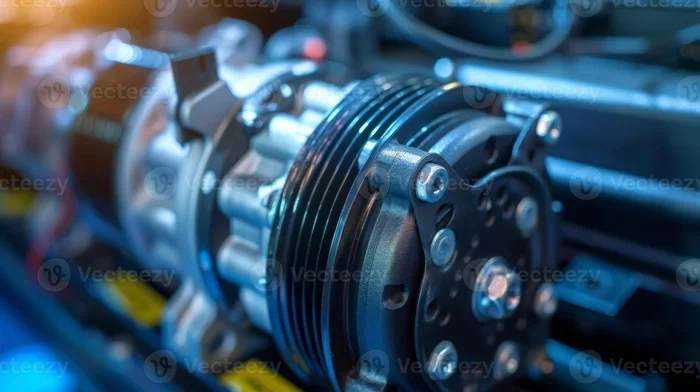
This is the most common type you will find in home AC units and refrigerators. A reciprocating compressor uses a piston that moves up and down inside a cylinder. As the piston goes down, it pulls in gas. As it goes up, it compresses the gas and pushes it out.
These compressors are rugged and reliable. They handle a lot of different pressure levels well. The downside is that they have more moving parts, which means more wear over time. If you own a central air system, there is a good chance you have a reciprocating compressor running your cooling.
Rotary Compressors
A rotary compressor uses a spinning rotor to compress air or refrigerant. These are quieter and smoother than reciprocating models. They are common in smaller window units and some commercial HVAC systems.
Because they have fewer moving parts, rotary compressors tend to last longer with less maintenance. They are also more compact, which makes them great for tight spaces. The tradeoff is that they usually cannot handle the very high pressures that reciprocating models can.
Scroll Compressors
Scroll compressors use two spiral-shaped pieces that orbit each other. One stays fixed while the other moves in a circle. As they move, the space between them gets smaller, which compresses the gas.
These are very efficient and run very smoothly. You will often find scroll compressors in modern residential AC systems and heat pumps. They are also popular in commercial settings because they are quiet and reliable. Many homeowners prefer them because they tend to need less compressor repair over their lifetime.
Centrifugal Compressors
Centrifugal compressors use a spinning impeller to fling gas outward, creating pressure through centrifugal force. These are used in large commercial and industrial systems where huge amounts of air or refrigerant need to be moved.
You will not find one in a home window unit. But if you work in a large building, a factory, or a data center, chances are good a centrifugal compressor is doing the heavy lifting. These are powerful but complex, and they need professional maintenance.
How to Tell if Your Compressor Is Working Properly
Knowing how the compressor function works is only half the battle. You also need to know when something goes wrong. Catching problems early can save you a lot of money and hassle.
Signs Your Compressor May Be Failing
Watch for these warning signs. If you notice any of them, it is time to investigate further:
- Warm air from vents: If your AC blows warm or lukewarm air, the compressor may not be pumping refrigerant properly.
- Strange noises: Grinding, clicking, or rattling sounds often mean internal parts are wearing out.
- Frequent cycling: If your system turns on and off too often, the compressor may be struggling to build pressure.
- Ice buildup: Ice on the refrigerant lines or coils can signal low refrigerant or poor airflow, both of which stress the compressor.
- Higher energy bills: A failing compressor works harder, which uses more electricity and drives up your bills.
If you want a deeper look at the symptoms, check out our guide on how do you know when your AC compressor is bad. It covers each warning sign in detail and helps you decide whether a repair or replacement makes sense.
Quick Diagnostic Tips
Here are a few simple things you can do at home to check on your compressor:
- Listen carefully. A healthy compressor makes a steady humming sound. Loud banging or clicking is a red flag.
- Feel the lines. The suction line should feel cool and moist. The discharge line should feel warm. If both feel the same, something is off.
- Check the breaker. A compressor that trips the breaker repeatedly may have an electrical problem or be overheating.
- Look for leaks. Oil spots or greasy residue near the compressor can mean a refrigerant leak, which directly affects the compressor function.
If you suspect an electrical issue, our article on how to test compressor windings walks you through the testing process step by step. This is one of the best ways to figure out if the motor inside the compressor is still good.
What Happens When the Compressor Goes Out
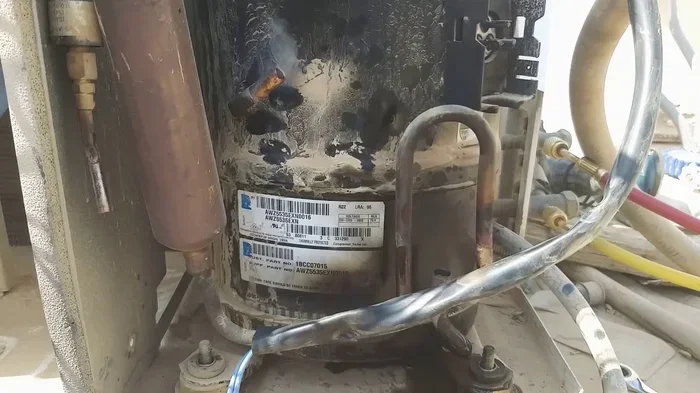
A dead compressor is a big deal. It does not just mean no cool air. It can affect the entire system and lead to costly repairs if you do not act quickly.
When the compressor function stops, refrigerant stops moving. That means no heat transfer happens. In an AC system, your home will slowly get warmer. In a refrigerator, food will start to spoil. In a pneumatic system, all your air tools go quiet.
Here are the most common consequences of a failed compressor:
- Complete cooling loss: The system cannot cool or refrigerate at all.
- System damage: A failed compressor can send debris through the lines, damaging other components.
- High repair costs: Replacing a compressor is one of the most expensive repairs you will face.
- Energy waste: A struggling compressor draws more power but delivers less cooling.
For a full breakdown of what happens when things go wrong, read our detailed piece on what happens when the AC compressor goes out. It explains the chain reaction of failure and what you should do right after it happens.
Can You Still Run the System Without a Working Compressor?
The short answer is no. You should never run a system with a known compressor problem. Doing so can cause further damage to the condenser, evaporator coils, and expansion valve. It also wastes energy and can shorten the life of the entire unit. If you suspect compressor failure, turn the system off and call a professional.
Common Causes of Compressor Failure
Understanding what goes wrong helps you prevent it. Most compressor failures are not random. They happen because of specific, avoidable causes. Here are the top reasons a compressor breaks down.
Low Refrigerant Levels
This is the number one cause of compressor problems. When refrigerant runs low, the compressor has to work harder to do its job. Over time, this extra strain causes overheating and eventual failure. Low refrigerant is usually caused by a leak somewhere in the system. If you notice your AC losing cooling power, have a tech check for leaks before the compressor gets damaged.
Dirty Condenser Coils
Dirty coils make it harder for the system to release heat. This means the compressor has to run longer and harder to achieve the same cooling. Over months and years, this extra work wears out the motor and internal components. Simple coil cleaning can go a long way toward protecting your compressor.
Electrical Problems
Power surges, faulty wiring, or a failing capacitor can all damage the compressor motor. Electrical issues are especially common in older systems. If you live in an area with frequent power fluctuations, consider installing a surge protector for your HVAC system.
Lack of Maintenance
Many people forget about their compressor until something breaks. Regular maintenance, like checking refrigerant levels, cleaning coils, and replacing filters, keeps everything running smoothly. A little prevention goes a long way.
Contamination and Moisture
Moisture or debris entering the refrigerant system can cause serious damage to the compressor. Acid forms when moisture mixes with refrigerant, and this eats away at internal components. Proper system charging and sealing are essential to prevent this.
How to Keep Your Compressor Running Strong
Maintenance is the best way to protect the compressor function and extend the life of your system. Here are some practical tips you can follow right now.
Routine Maintenance Checklist
- Clean or replace filters every 1 to 3 months. Clogged filters restrict airflow and force the compressor to work harder.
- Keep the outdoor unit clear of debris. Leaves, dirt, and grass clippings can block airflow around the condenser.
- Schedule professional tune-ups annually. A trained tech can spot small issues before they become big problems.
- Check refrigerant levels regularly. If you notice a drop, have a professional find the leak.
- Drain your air compressor tank after each use. Moisture buildup in the tank can cause rust and pressure issues.
When to Call a Professional
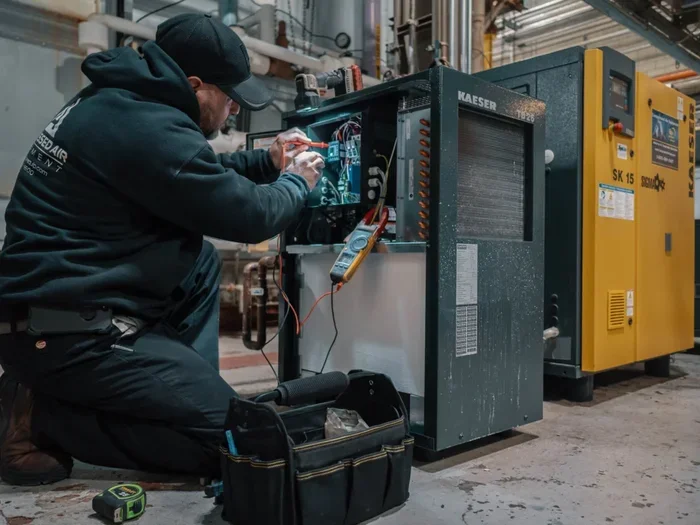
Some tasks are best left to the experts. If you need to repair your AC compressor, it is smart to call a licensed technician. Compressor work involves refrigerant handling, electrical testing, and system pressure checks that require special tools and training. Trying to DIY a compressor repair without the right knowledge can make things worse and even be dangerous.
A professional can also run a full compressor diagnosis, which includes checking refrigerant charge, testing electrical connections, measuring pressure differentials, and inspecting internal components. This thorough approach ensures you get the right fix the first time.
How Long Should a Compressor Last?
A well-maintained compressor should last between 10 and 15 years. Some systems go even longer with proper care. The key factors that determine lifespan include usage patterns, maintenance frequency, and environmental conditions. If your compressor is running in a hot, dusty, or humid environment, it will wear out faster than one in a clean, climate-controlled space.
If you want more details on expected lifespan, check out our guide on how long should an AC compressor last. It covers real-world expectations and what you can do to push your compressor past the average.
Quick Tips for Compressor Health
Here are some fast, easy tips you can use today to protect your compressor:
- Do not ignore strange sounds. A new noise is almost always a warning sign.
- Keep the area around outdoor units clean. At least two feet of clearance on all sides helps airflow.
- Do not set the thermostat too low. Setting it to an extreme temperature forces the compressor to run constantly, which wears it out faster.
- Use a programmable thermostat. This reduces unnecessary cycling and gives the compressor time to rest.
- Check your condensate drain regularly. A clogged drain can cause water damage and affect system performance.
Final Thoughts on the Compressor Function
The compressor function is truly the heartbeat of any cooling or pneumatic system. It takes in low-pressure gas, squeezes it into a high-pressure state, and drives the entire cycle that keeps your home cool, your food fresh, or your air tools running. Without a healthy compressor, nothing else works the way it should.
The good news is that understanding how your compressor works puts you in a much better position to take care of it. Regular maintenance, quick attention to warning signs, and knowing when to call a professional can add years to your system and save you a lot of money along the way.
Remember, most compressor problems do not happen overnight. They build up slowly from small issues like low refrigerant, dirty coils, or electrical stress. Stay on top of these small things, and your compressor will reward you with reliable performance for many years to come.
Take a few minutes today to check your system. Clean the coils, change the filter, and listen for anything unusual. These small habits make a big difference. Your compressor works hard for you every day. A little attention now can prevent a big expense later.
Frequently Asked Questions
What is the main job of a compressor?
The main job of a compressor is to squeeze gas or refrigerant into a smaller space, raising its pressure and temperature. This process drives the cooling cycle in AC systems, keeps refrigerators cold, and powers pneumatic tools. Without the compressor function, none of these systems can work properly.
How do I know if my compressor is bad?
Common signs include warm air from vents, strange noises like grinding or clicking, frequent on-and-off cycling, ice buildup on coils, and rising energy bills. If you notice any of these, it is worth investigating further. You can also read our guide on how do you know when your AC compressor is bad for a detailed breakdown.
Can a compressor be repaired or does it need full replacement?
It depends on the problem. Some issues like refrigerant leaks, capacitor failures, or electrical faults can be repaired without replacing the whole unit. However, if the compressor motor or internal mechanical parts are damaged, full replacement is usually the best option. For more on repair options, see our how to repair AC compressor guide.
What causes a compressor to fail prematurely?
The most common causes are low refrigerant levels from leaks, dirty condenser coils, electrical problems like power surges, lack of regular maintenance, and moisture or contamination in the refrigerant lines. All of these put extra stress on the compressor and shorten its lifespan.
How often should I have my compressor serviced?
You should have a professional inspect your compressor and entire system at least once a year, ideally before the cooling season starts. In between, you can do simple tasks like cleaning coils, changing filters, and checking for visible leaks. Regular care keeps the compressor function running at peak efficiency.
Is it expensive to replace a compressor?
Compressor replacement is one of the pricier HVAC repairs, typically ranging from several hundred to over a thousand dollars depending on the system type and model. The exact cost varies based on the unit size, refrigerant type, and labor rates in your area. Getting a professional diagnosis first helps you understand whether repair or replacement makes the most sense.