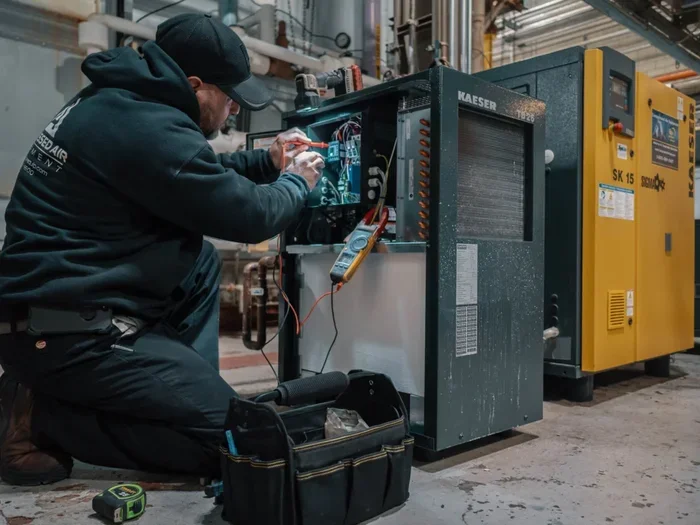
Compressor Repair Secrets That Will Save You Money
Compressor repair doesn’t have to drain your wallet. This guide reveals proven secrets that help you fix common air compressor problems, avoid costly mistakes, and extend the life of your machine. You’ll learn when to handle repairs yourself and when to call in an expert.
Your compressor works hard every day. It powers tools, keeps your workspace running, and handles jobs that would take you hours by hand. But when it breaks down, the stress hits fast. You’re stuck with a machine that won’t start, won’t build pressure, or makes scary noises you’ve never heard before.
Here’s the good news. compressor repair doesn’t have to be expensive or complicated. Most problems have simple causes. And with the right knowledge, you can tackle many of them yourself. This guide shares real compressor repair secrets that will save you money, time, and headaches.
Whether you own a small rotary compressor or a heavy-duty reciprocating compressor, you’ll find practical advice inside. We’ll walk through the most common problems, show you how to fix them, and teach you how to prevent future breakdowns. Let’s get started.
Key Takeaways
- Regular maintenance prevents most compressor failures: Simple upkeep like oil changes and filter replacements can save you hundreds in repair costs.
- Know the warning signs early: Unusual noise, pressure drops, and overheating are clear signals that your compressor needs attention.
- DIY repairs work for minor issues: Many common problems like leaks and clogged filters can be fixed at home with basic tools.
- Understanding repair costs helps you budget: Knowing what parts and labor typically cost prevents overpaying for service.
- Professional help is essential for major failures: Motor burnout and valve damage require specialized skills and equipment.
- Prevention is always cheaper than repair: A solid maintenance schedule keeps your compressor running efficiently for years.
📑 Table of Contents
- Why Compressor Repair Matters More Than You Think
- Common Compressor Problems and How to Fix Them
- DIY Compressor Repair Tips That Actually Work
- Compressor Repair Cost: What You Should Expect
- When to Call a Professional for Compressor Repair
- Preventing Future Compressor Failures
- Final Thoughts on Compressor Repair
Why Compressor Repair Matters More Than You Think
A compressor is the heart of many workshops, garages, and job sites. When it goes down, everything stops. Tools won’t power up. Projects stall. And the longer you ignore the problem, the worse it gets.
Many people make the mistake of waiting until a compressor completely fails before doing anything about it. By then, the damage is often worse. What could have been a simple fix becomes a major compressor repair job. And that means a bigger bill.
Regular compressor maintenance catches small issues before they grow. A little attention goes a long way. Think of it like changing the oil in your car. Skip it long enough, and you’ll face a much bigger problem down the road.
The Hidden Cost of Ignoring Compressor Problems
When a compressor starts acting up, it’s tempting to push through. “It’s still running,” you tell yourself. But ignoring warning signs costs money in hidden ways:
- Energy waste: A struggling compressor uses more electricity. Your utility bills creep up without you noticing.
- Reduced tool performance: Low pressure means your tools don’t work at their best. You lose time and quality.
- Cascading damage: One small problem can strain other parts. A worn seal today can destroy a valve next month.
- Shortened lifespan: Compressors that aren’t properly maintained fail years earlier than they should.
Addressing problems early through compressor repair keeps your machine efficient and extends its life significantly.
Common Compressor Problems and How to Fix Them
Most compressors fail in predictable ways. Once you know what to look for, you can diagnose and fix many issues yourself. Here are the most common problems and their solutions.
Compressor Won’t Start
This is the most frustrating problem. You flip the switch and nothing happens. Before you call a technician, check these things first:
- Check the power supply. Make sure the outlet works and the cord isn’t damaged. A tripped breaker is a common culprit.
- Inspect the pressure switch. If the tank pressure is above the startup threshold, the compressor won’t kick on. Release some pressure and try again.
- Look at the motor capacitor. A faulty capacitor prevents the motor from starting. This is an easy and cheap part to replace.
- Check the unloader valve. A stuck unloader valve can prevent the motor from starting under load.
In most cases, a compressor that won’t start has a simple electrical cause. compressor troubleshooting starts with the basics before you move to complex repairs.
Compressor Runs But Won’t Build Pressure
Your compressor fires up and runs, but the pressure gauge barely moves. This points to a few possible culprits:
- Leaking intake valve: Air escapes back through the intake instead of being compressed. You may hear a hissing sound near the tank.
- Worn piston rings: Old rings let air bypass the compression chamber. This is more common in older machines.
- Tank drain valve left open: It sounds obvious, but a partially open drain valve lets all the compressed air escape.
- Clogged air filter: A dirty filter restricts airflow and prevents proper pressure buildup.
Start with the air filter and tank drain valve. These are free or cheap fixes. If those check out, you may need to inspect the valves and piston rings. That’s where compressor repair gets more involved.
Compressor Makes Strange Noises
Your compressor should hum steadily. Any new sound deserves attention. Here’s what common noises mean:
- Knocking or banging: This often signals a loose piston or connecting rod. Internal parts may be worn or broken.
- Squealing or squeaking: Lack of lubrication is the usual cause. Check the oil level and add compressor oil if needed.
- Rattling: A loose component like a pressure gauge or vibration mount can cause rattling. Tighten what you can.
- Hissing: Air is leaking from a seal, fitting, or hose. Inspect all connections and replace worn gaskets.
Ignoring unusual noises during compressor repair troubleshooting can lead to catastrophic failure. A small bearing problem today becomes a seized motor tomorrow.
Compressor Overheating
Compressors generate heat during normal operation. But if the machine gets too hot to touch or shuts off automatically, something is wrong. Overheating causes include:
- Low oil level: Compressor oil lubricates and cools internal parts. Without enough oil, friction builds heat fast.
- Blocked ventilation: Dust and debris clog the cooling fins and vents. Clean them regularly.
- Ambient temperature: Running a compressor in a hot, enclosed space makes overheating more likely.
- Faulty thermal switch: The safety switch that shuts off the motor may be malfunctioning.
If your compressor overheats frequently, don’t just let it cool down and restart it. Repeated overheating damages the motor windings and shortens the compressor’s life. Proper compressor service includes checking the cooling system regularly.
DIY Compressor Repair Tips That Actually Work
You don’t need to be a mechanic to handle many compressor repairs. With basic tools and some patience, you can save serious money on labor costs. Here are proven DIY tips that deliver real results.
Always Start With the Basics
Before diving into complex repairs, rule out the simple stuff first. Check the power cord, the circuit breaker, the pressure switch settings, and the tank drain valve. Nine times out of ten, the fix is something obvious you can handle in minutes.
Keep a Compressor Repair Kit Ready
Having the right parts on hand saves time and trips to the store. A basic repair kit should include:
- Assorted O-rings and gaskets
- Compressor oil (check your manual for the right type)
- A replacement pressure switch
- Air filter replacements
- Teflon tape for threaded connections
- A set of basic wrenches and screwdrivers
With these supplies ready, you can handle most common air compressor repair jobs without waiting for parts to arrive.
Replace Worn Hoses and Fittings
Air leaks are one of the biggest energy wasters in any compressed air system. A small leak might seem harmless, but it adds up. Studies show that leaks can waste 20 to 30 percent of a compressor’s output.
Inspect all hoses and fittings monthly. Replace any that show cracks, wear, or corrosion. Use thread sealant on all threaded connections. This simple step improves compressor pressure and efficiency immediately.
Change Oil and Filters on Schedule
Oil-lubricated compressors need regular oil changes. Most manufacturers recommend every 500 to 1,000 operating hours. Dirty oil doesn’t lubricate properly, which leads to increased wear and overheating.
Replace the intake filter every three to six months, or more often in dusty environments. A clean filter means better airflow, lower energy use, and fewer compressor repair calls.
Expert Insight: “The single biggest mistake I see is people skipping oil changes. Fresh oil is cheap. A burned-out compressor motor is not.” — Mike Torres, Industrial Equipment Specialist
Test the Pressure Switch Regularly
The pressure switch controls when the compressor turns on and off. If it malfunctions, your compressor either runs constantly or won’t start at all. You can test it with a simple pressure gauge and a screwdriver. Adjust the cut-in and cut-out pressures according to your manual’s specifications.
Compressor Repair Cost: What You Should Expect
Understanding compressor repair cost helps you make smart decisions. You’ll know when a repair is worth it and when replacement makes more sense.
Average Repair Costs by Problem Type
The table below shows typical repair costs for common compressor problems. Keep in mind that prices vary by region, compressor type, and the severity of the issue.
| Problem | DIY Cost | Professional Cost | Complexity |
|---|---|---|---|
| Air leak / loose fitting | $5 – $20 | $50 – $100 | Low |
| Clogged air filter | $10 – $30 | $30 – $60 | Low |
| Pressure switch replacement | $20 – $50 | $80 – $150 | Medium |
| Valve repair or replacement | $30 – $75 | $100 – $250 | Medium |
| Piston ring replacement | $50 – $100 | $200 – $400 | High |
| Motor replacement | Not recommended | $300 – $800 | Very High |
| Full compressor rebuild | Not recommended | $500 – $1,500 | Very High |
When Repair Makes Sense vs. Replacement
Not every broken compressor is worth fixing. Use this simple rule of thumb:
- Repair if: The compressor is less than 10 years old, the repair cost is under 50% of a new unit, and the problem is not related to the motor.
- Replace if: The compressor is over 15 years old, the motor is burned out, or the repair cost exceeds half the price of a new machine.
Sometimes a compressor replacement is the smarter financial move. Newer models are more energy-efficient and reliable. They save you money on electricity and reduce future compressor maintenance costs.
When to Call a Professional for Compressor Repair
DIY repairs work for many issues, but some problems need a trained technician. Knowing the difference saves you time, money, and frustration.
Signs You Need a Pro
Call a professional compressor repair service when you notice any of these warning signs:
- The compressor trips the circuit breaker repeatedly. This suggests an electrical problem that could be dangerous to troubleshoot on your own.
- You hear metal-on-metal grinding. This usually means internal bearings or pistons are severely worn.
- The compressor emits smoke or burning smells. A burning smell indicates motor windings are overheating or failing.
- Oil is leaking from the tank or lines. Internal seal failures require disassembly and specialized sealing knowledge.
- Pressure drops rapidly even after a full charge. This points to internal valve or piston damage that needs professional diagnosis.
Choosing the Right Repair Service
Not all compressor repair services are created equal. Follow these tips to find a reliable technician:
- Look for specialization. Choose a service that works on your specific compressor brand and type.
- Ask for a written estimate. A reputable shop will explain the problem and provide a clear cost breakdown before starting work.
- Check certifications. Technicians with manufacturer certifications have the right training and tools.
- Read reviews and ask for references. Other customers’ experiences tell you a lot about service quality.
- Ask about warranties. Good repair shops stand behind their work with a written guarantee.
Common Mistakes to Avoid: Don’t hire the cheapest service just to save money. Poorly done repairs often cost more in the long run. A botched valve replacement can damage the compressor head, turning a $200 repair into a $1,000 replacement.
Preventing Future Compressor Failures
The best compressor repair is the one you never need. A solid prevention plan keeps your machine running smoothly and saves you money over the long haul.
Create a Maintenance Schedule
Consistency is the key to compressor longevity. Set up a simple schedule and stick to it:
- Daily: Drain the tank moisture after each use. Check for visible leaks.
- Weekly: Inspect the air filter and clean or replace if dirty.
- Monthly: Check the oil level and top off if needed. Inspect all hoses and fittings.
- Every 3 months: Change the oil and oil filter. Test the pressure switch.
- Annually: Have a professional inspect the compressor. This includes checking belt tension, valve condition, and motor performance.
Invest in Quality Parts and Accessories
Cheap replacement parts might save a few dollars upfront, but they often fail faster and cause more damage. Use OEM (original equipment manufacturer) parts or high-quality aftermarket equivalents. Quality seals, gaskets, and filters protect your compressor from the inside out.
Train Your Team on Proper Use
If multiple people use the compressor, make sure everyone knows how to operate it correctly. Common misuse includes:
- Running the compressor beyond its duty cycle
- Ignoring pressure gauge readings
- Using the wrong type of compressor oil
- Skipping the break-in period on new compressors
Proper training reduces accidental damage and keeps your compressor service intervals on track.
Monitor Performance Over Time
Keep a simple log of your compressor’s performance. Track pressure readings, run times, and any unusual behavior. Over time, this data helps you spot trends. A gradual pressure drop might indicate a slow leak developing. Increased run times could signal a failing valve. Catching these trends early makes compressor troubleshooting much easier.
Expert Insight: “The best compressor owners keep a maintenance log. It takes five minutes a month and pays for itself many times over by catching small problems before they become big ones.” — Sarah Chen, Compressor Systems Technician
Final Thoughts on Compressor Repair
Compressor repair doesn’t have to be intimidating or expensive. With the right knowledge, you can handle most common problems yourself and save real money on labor costs. The secrets aren’t hidden — they’re just about paying attention, staying proactive, and knowing when to call for help.
Start with the basics. Check your oil, clean your filters, and listen for unusual sounds. These simple habits prevent most major failures. When problems do arise, use the troubleshooting steps in this guide to diagnose and fix them quickly.
Remember that prevention always beats repair. A regular maintenance schedule is the single best investment you can make in your compressor’s longevity. It keeps your machine running efficiently, your tools performing at their best, and your budget intact.
Take action today. Review your compressor’s maintenance history, stock up on essential supplies, and share this guide with anyone who operates your equipment. The more people who understand compressor repair basics, the less likely your machine is to surprise you with an unexpected breakdown.
Your compressor works hard for you. Give it the care and attention it deserves, and it will keep delivering reliable performance for years to come.
Frequently Asked Questions
How much does basic compressor repair cost?
Basic compressor repairs like fixing air leaks, replacing filters, or swapping out a pressure switch typically cost between $50 and $150 when done professionally. DIY repairs can be even cheaper, often under $50 for parts. The exact compressor repair cost depends on the problem and your compressor model.
Can I repair my compressor myself?
Yes, many common compressor issues are DIY-friendly. Air leaks, clogged filters, and pressure switch problems are great candidates for home repair. However, motor issues, internal valve damage, and piston problems usually require professional compressor service. Always check your warranty before attempting repairs.
How often should I maintain my compressor?
Daily tasks like draining the tank should be done after each use. Oil changes and filter replacements should happen every 500 to 1,000 operating hours. Annual professional inspections are recommended for most compressors. Consistent compressor maintenance dramatically reduces the need for major repairs.
What causes a compressor to overheat?
The most common causes are low oil levels, blocked ventilation, and running the compressor in a hot environment. A faulty thermal switch can also cause overheating. Regular compressor troubleshooting should always include checking the oil level and cleaning cooling fins. Overheating damages the motor if not addressed quickly.
How long should a compressor last with proper care?
A well-maintained compressor can last 15 to 20 years or more. Without proper care, many compressors fail within 5 to 10 years. The difference comes down to consistent maintenance, prompt attention to warning signs, and using quality parts during any compressor repair work.
Is it better to repair or replace an old compressor?
If your compressor is under 10 years old and the repair cost is less than half the price of a new unit, repair is usually the better choice. For older compressors with motor failure or extensive internal damage, replacement often makes more financial sense. Newer models also offer better energy efficiency and lower operating costs.


One Comment