Why Your AC Compressor Fan Is Not Spinning and How to Fix It
An AC compressor fan that won’t spin can turn your home into a sauna, but the fix is often simpler than you think. This guide walks you through the most common reasons your condenser fan has stopped turning, from a dead capacitor to a seized compressor, and gives you clear steps to get cool air flowing again. You will learn how to diagnose the problem safely, when a quick DIY repair will work, and exactly when you need to call a professional technician.
There are few things more miserable than walking into your home on a hot day and feeling warm air pouring from the vents. The heart of your cooling system is the AC compressor fan, and when that fan stops spinning, the entire air conditioning cycle grinds to a halt. You might hear the compressor humming, or you might hear absolutely nothing. Either way, the result is the same: your house gets hotter and your comfort disappears.
Before you panic or start googling replacement costs, take a breath. Many reasons a condenser fan will not turn are things you can check and even fix yourself with basic tools and a little patience. This article breaks down every common cause, from electrical gremlins to mechanical wear, and gives you a clear path to a solution. We will also cover when the problem is serious enough that you should pick up the phone and call a licensed HVAC technician.
The AC compressor fan is not just a simple blade on a motor. It works in concert with the compressor, the refrigerant, and the control board to move heat out of your home. When any part of that system fails, the fan often stops as a protective measure or because the motor itself has given up. Understanding how the pieces fit together is the first step toward getting your cooling system back online.
Key Takeaways
- Start with the obvious: Check the power supply, breaker, and thermostat before diving into complex repairs.
- A faulty run capacitor is the #1 culprit: It’s cheap, easy to test, and often stops the fan motor dead in its tracks.
- Listen for clues: A humming compressor with a still fan points to a fan motor or relay issue, while a silent unit may have a dead contactor.
- Do not ignore refrigerant leaks: Low charge can cause the compressor to trip and the fan to stop as a safety response.
- Know when to call a pro: If the compressor itself is seized or you smell burning, stop troubleshooting and get expert help.
- Prevent future failures: Clean condenser coils, clear debris, and schedule annual maintenance to keep the fan spinning reliably.
📑 Table of Contents
Why Your AC Compressor Fan Is Not Spinning
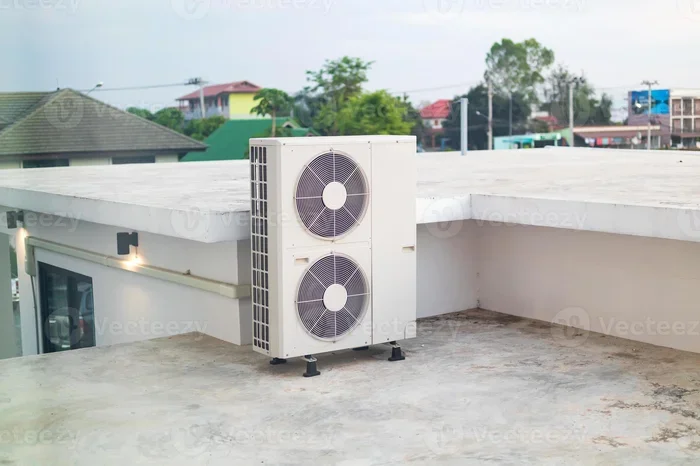
The condenser unit outside your home has one job: reject heat from the refrigerant. To do that, the fan pulls air across the condenser coils. If the AC compressor fan is not spinning, heat builds up, pressure rises, and the system either shuts down or runs inefficiently. Sometimes the fan motor burns out completely. Other times, the fan spins but too slowly to provide adequate airflow. Both situations lead to the same miserable outcome: warm air inside.
It helps to think of the fan as the lungs of your air conditioning system. Just as you cannot breathe properly if something blocks your airway, the compressor cannot dump heat if the condenser fan is not moving air. That is why even a partially blocked fan can cause the compressor to overheat and trip the high-pressure switch.
Is the Fan Motor or the Compressor the Problem?
A common point of confusion is whether the fan or the compressor itself has failed. If you hear a humming sound but the fan blade is still, the motor might be receiving power but is unable to turn. If the compressor is running but the fan is not, the issue is isolated to the fan circuit. If nothing is happening at all, you may be dealing with a power loss, a tripped breaker, or a failed control board. Figuring out which component is the culprit saves you time and money.
Common Causes of a Non-Spinning AC Compressor Fan
Several things can stop a condenser fan from spinning. Some are simple fixes you can do in ten minutes; others require a technician and a replacement part. Here are the most common reasons your AC compressor fan has gone silent.
1. Failed Run Capacitor
The run capacitor sends a jolt of electricity to get the fan motor spinning and keeps it running smoothly. When this small cylindrical component fails, the motor hums but cannot turn the blade. Capacitors are inexpensive and easy to test with a multimeter. Replacing one is one of the most common repairs for a fan that will not start.
2. Bad Fan Motor Windings
Over time, the motor windings can short out or burn up, especially if the unit is older or has been running in a dusty environment. A burned-out motor will smell like burning plastic and often trip a breaker. If the motor is seized, you may hear a grinding noise when you try to start it. In these cases, the entire fan motor needs to be replaced.
3. Faulty Contactors or Relays
The contactor is the switch that sends power to the fan motor and compressor. If the contactor’s contacts are pitted or stuck, electricity cannot reach the fan. You can often see a blackened or melted contactor when you remove the service panel. Replacing a contactor is a straightforward repair that costs very little.
4. Low Refrigerant Charge
Your cooling system relies on the right amount of refrigerant to operate safely. When the charge drops because of a leak, the compressor may overheat and trigger a safety switch that shuts down the fan. Low refrigerant also causes the evaporator coil to freeze, which further restricts airflow. You will need to find and repair the leak before recharging the system.
5. Electrical Wiring Issues
Loose connections, corroded wires, or a damaged wiring harness can cut power to the fan motor. Sometimes the problem is as simple as a wire that has vibrated loose over time. Other times, a rodent has chewed through the insulation. Always turn off the power at the breaker before inspecting any electrical components.
6. Seized Compressor
In the worst-case scenario, the compressor itself has seized. When the compressor locks up, it can stall the fan motor through the shared belt or direct-drive connection. A seized compressor often means a full system replacement, which is expensive. This is why catching a fan issue early can save you from a much larger bill.
| Cause | Symptom | DIY Fix Possible? | Cost Range |
|---|---|---|---|
| Failed Run Capacitor | Fan hums but does not spin | Yes | $10–$30 |
| Bad Fan Motor | No spin, burning smell | Yes, with motor replacement | $150–$350 |
| Faulty Contactor | No power to fan, clicking sound | Yes | $20–$50 |
| Low Refrigerant | Fan stops, ice on lines | No, needs leak repair | $200–$500 |
| Wiring Problem | Intermittent or no operation | Yes, if simple | $0–$100 |
| Seized Compressor | Total system silence or trip | No | $1,500+ |
How to Diagnose a Non-Spinning Fan
Diagnosing the problem is like being a detective. You start with the easiest checks and work your way toward the more complex ones. Always prioritize safety: turn off the power at the breaker before you touch anything inside the condenser unit.
Step 1: Check the Thermostat and Power Supply
Make sure your thermostat is set to cool and the temperature is set below the room temperature. Verify that the outdoor disconnect switch is in the on position and that the breaker has not tripped. Sometimes a simple reset is all it takes to bring the fan back to life.
Step 2: Inspect the Fan Blade
Remove the grille and look at the fan blade. Is it physically blocked by leaves, dirt, or a plastic bag? Spin the blade by hand. If it wobbles or does not move freely, the motor bearings may be seized. If the blade spins easily but the motor does not run, the problem is likely electrical.
Step 3: Test the Capacitor
The run capacitor is the most common electrical failure. You can discharge it safely with an insulated screwdriver and test it with a multimeter set to capacitance. If the reading is far below the microfarad rating printed on the side, replace it. This is a quick fix that solves the problem in many cases.
Step 4: Listen for the Contactor
When the thermostat calls for cooling, you should hear a click from the contactor and then the fan and compressor should start. If you hear the click but nothing else happens, the contactor may be failing to pass voltage. If you hear no click at all, the control board or thermostat may be the issue.
Step 5: Check for Refrigerant Leaks
Look for oily residue around the copper lines or fittings. A hissing sound or bubbles in the liquid line can also indicate a leak. Low refrigerant is a serious issue that not only stops the fan but can damage the compressor if you keep running the system.
Step-by-Step Fixes You Can Do Yourself
If you have basic mechanical skills and are comfortable working around electricity, several fixes are within reach. Always confirm the power is off before you start.
Replacing the Run Capacitor
Buy a replacement capacitor with the exact same microfarad and voltage rating. Discharge the old capacitor, disconnect the wires, and connect the new one matching the labeled terminals. This fix often takes less than fifteen minutes and costs under thirty dollars.
Cleaning the Condenser Coils
Dirty coils restrict airflow and cause the system to overheat. Use a garden hose with a gentle spray to wash away dirt, pollen, and debris from the fins. Never use a pressure washer, as it can bend the delicate fins. Clean coils allow the fan to move air efficiently and can restore normal operation.
Replacing a Faulty Contactor
Swap the old contactor for a new one with the same amperage and voltage rating. Take a photo of the wiring before you disconnect anything so you can replicate it exactly. This is a five-minute repair that can bring your fan back to life instantly.
Resetting the High-Pressure Switch
If the system tripped on high pressure, the switch may need a manual reset. Locate the red button on the compressor or the pressure switch and press it. If it trips again immediately, you have a real problem like a clogged condenser coil or low refrigerant that needs professional attention.
When to Call a Professional
Not every repair is a DIY job. If you smell burning insulation, see sparks, or hear a loud grinding noise, turn the system off and call a licensed technician. Compressors that have seized or motors that have shorted internally require specialized tools and knowledge to replace safely.
Also, if you suspect a refrigerant leak, you need a certified professional to handle the refrigerant legally and properly. Releasing refrigerant into the atmosphere is illegal and harmful to the environment. A tech will have the gauges, leak detection tools, and recovery equipment to do the job right.
Before you hire someone, it helps to understand what you are facing. If you want to learn more about how to identify a failing compressor early, check out this guide on how to check if your AC compressor is bad. That knowledge can help you have a more informed conversation with your technician and avoid unnecessary repairs.
Prevention Tips to Keep Your Fan Spinning
The best way to deal with a non-spinning fan is to prevent the problem from happening in the first place. A little regular maintenance goes a long way toward keeping your condenser unit running smoothly for years.
- Clean the condenser coils twice a year: Spring and fall cleanings remove buildup that restricts airflow and causes overheating.
- Clear debris from around the unit: Keep plants, leaves, and grass clippings at least two feet away from the condenser so air can flow freely.
- Inspect the fan blade annually: Look for cracks, bent blades, or wobbling. A damaged blade creates vibration that wears out the motor bearings.
- Schedule professional tune-ups: A yearly inspection catches loose wiring, failing capacitors, and low refrigerant before they leave you in the heat.
- Replace the air filter regularly: A clogged filter makes the whole system work harder, which stresses the compressor and fan motor.
Many homeowners ask whether they can prevent a compressor failure altogether. While you cannot stop aging, you can certainly slow it down. Keeping the refrigerant charge correct and ensuring the condenser has proper airflow are the two most impactful things you can do. If you want to dive deeper into what leads to compressor breakdowns, this article on what causes an AC compressor to fail explains the top factors in detail.
Another helpful resource is understanding the relationship between the compressor and the fan clutch. A sticking clutch can prevent the fan from engaging even when the compressor is running. Learning how to test the AC compressor clutch can save you from replacing parts that are still good.
Final Thoughts
A AC compressor fan that is not spinning does not have to be a disaster. In many cases, the fix is a $20 capacitor or a quick cleaning. By following the diagnostic steps in this guide, you can narrow down the cause and decide whether a DIY repair is safe and practical. Always respect electricity and refrigerant; when in doubt, call a professional.
The most important takeaway is this: do not ignore a fan that will not spin. Running your system with a dead condenser fan can overheat the compressor and lead to a much more expensive failure. Take action at the first sign of trouble, and your cooling system will reward you with years of reliable service.
Frequently Asked Questions
Why is my AC compressor fan not spinning but the compressor is running?
This usually means the fan motor has failed, the run capacitor is dead, or the contactor is not passing voltage to the fan circuit. The compressor can run on its own, but without the fan moving air across the condenser coils, the system will overheat and eventually trip the high-pressure switch. Check the capacitor and contactor first, as those are the most common and inexpensive fixes.
Can a tripped breaker cause the AC compressor fan to stop spinning?
Yes. If the breaker that supplies power to the outdoor unit trips, both the compressor and the fan will stop. Reset the breaker and see if the fan starts. If it trips again immediately, you have a short circuit or a grounded wire that needs professional diagnosis. Never keep resetting a breaker that trips right away.
How much does it cost to replace a condenser fan motor?
A condenser fan motor replacement typically costs between $150 and $350 for parts and labor. The motor itself is usually $50 to $150, and the rest is the technician’s time. If you are handy, you can buy the motor and do the swap yourself, which saves the labor charge. Always match the motor’s horsepower and rotation direction to the original.
Will low refrigerant cause the AC compressor fan to stop?
Low refrigerant can cause the compressor to overheat and trigger a safety switch, which may shut down the fan as a protective measure. The system will not cool properly, and you may notice ice forming on the indoor evaporator coil or the suction line. A technician needs to find the leak, repair it, and recharge the system to the correct level.
How do I know if my run capacitor is bad?
A bad run capacitor often causes the fan to hum but not spin, or it causes the fan to start slowly and then stop. You can test it with a multimeter set to capacitance. If the measured value is more than 10% below the rating on the capacitor’s label, it has failed and needs replacement. Always discharge the capacitor before removing it to avoid a shock.
Can a dirty condenser coil stop the fan from spinning?
A dirty coil does not directly stop the fan motor, but it restricts airflow so much that the system overheats. The high-pressure switch may then shut the compressor and fan off as a safety response. Cleaning the coils restores proper airflow and allows the fan to operate normally. Use a gentle hose spray and avoid high-pressure washers that can bend the fins.