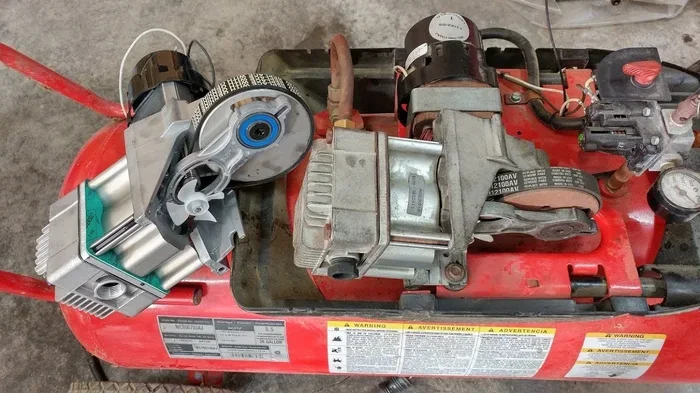
Air Compressor Pump and Motor Replacement Made Easy
Replacing your air compressor pump and motor doesn’t have to be scary. This guide walks you through every step with clear instructions and practical tips. You will learn how to spot signs of failure, choose the right parts, and do the job safely at home or in your shop.
Your air compressor is the heart of many workshops, garages, and job sites. But what happens when the air compressor pump and motor replacement becomes necessary? It can feel overwhelming, especially if you have never done it before.
The good news is that swapping out a pump or motor is a task most DIYers can handle with the right guidance. You do not need to be a master mechanic or an electrical wizard. You just need patience, the right tools, and a clear roadmap.
This guide breaks down the entire process into simple, easy-to-follow steps. We will cover how to tell when your pump or motor is failing, how to pick the correct replacement parts, and how to do the swap safely. By the end, you will feel confident tackling this repair on your own.
Key Takeaways
- Know the Warning Signs: Learn to identify common symptoms of pump and motor failure early.
- Pick the Right Parts: Choose compatible pumps and motors that match your compressor model.
- Save Money with DIY: Doing the replacement yourself can cut costs significantly.
- Safety Comes First: Follow all safety steps to avoid injury and damage.
- Maintenance Prevents Failures: Regular care extends the life of your new pump and motor.
- Know When to Call a Pro: Some situations are best left to trained technicians.
📑 Table of Contents
- Why Pumps and Motors Fail
- Signs You Need a Pump or Motor Replacement
- Choosing the Right Replacement Parts
- Tools and Preparation for the Job
- Step-by-Step Replacement Process
- Common Mistakes to Avoid
- Maintenance Tips After Replacement
- When to Call a Professional
- Cost Considerations for Pump and Motor Replacement
- Final Thoughts on Air Compressor Pump and Motor Replacement
Why Pumps and Motors Fail
Understanding why your air compressor pump and motor replacement is needed helps you make smarter decisions. Compressors work hard, and over time, wear and tear takes a toll. Here are the most common reasons these parts give out.
Normal Wear and Tear
Every compressor has a finite lifespan. The pump handles thousands of compression cycles. The motor spins continuously during use. Over months and years, seals wear thin, bearings degrade, and internal parts loosen. This is just the nature of heavy use.
Overheating and Motor Burnout
When a compressor runs too hot, the motor windings can burn out. Overheating happens for several reasons. Dirty cooling vents block airflow. Low oil levels starve the pump. Voltage fluctuations push the motor beyond its limits. A burned-out motor is one of the top reasons people need a motor replacement.
Moisture and Corrosion
Water inside the pump causes rust and corrosion. This weakens internal components over time. If you live in a humid climate or do not drain your tank regularly, moisture damage is a real threat. Corroded valves and cylinder walls lead to poor performance and eventually pump failure.
Lack of Regular Maintenance
Skipping oil changes and filter replacements speeds up wear dramatically. Many owners forget basic air compressor maintenance until something breaks. A little prevention goes a long way, but even well-maintained compressors eventually need part swaps.
Signs You Need a Pump or Motor Replacement
Catching the early warning signs of failure saves you time and money. Do not ignore these red flags from your compressor troubleshooting checklist.
Unusual Noises
Grinding, squealing, or knocking sounds from your compressor are never good. These noises often point to failing bearings inside the motor or worn pump components. A healthy compressor runs smoothly and quietly.
Loss of Pressure
If your compressor takes longer to build pressure or cannot reach its cut-out pressure, the pump may be leaking internally. Worn seals or damaged valves let air escape before it reaches the tank. This is one of the clearest signs you need pump replacement.
Tripping Breakers
A motor that keeps tripping the circuit breaker is struggling. Short-circuiting windings or a failing capacitor can cause this issue. Continuing to run a tripping motor makes the damage worse and can lead to a full electric motor replacement.
Excessive Vibration
Your compressor should sit steady during operation. If it shakes or rattles more than usual, internal parts may be loose or damaged. Vibrations stress mounts and connections, leading to further problems down the road.
Oil Leaks
Pools of oil under your compressor signal a serious problem. Worn pump seals, cracked housing, or damaged gaskets all cause leaks. Running a compressor low on oil destroys the pump quickly.
Burning Smell
A burning odor from the motor area is a major red flag. It usually means the insulation on motor windings is breaking down. Shut it off immediately and investigate before the motor fails completely.
Choosing the Right Replacement Parts
Picking the correct pump and motor is the most important step in the whole process. The wrong parts will not fit or perform properly. Here is how to make sure you get the right match for your air compressor pump and motor replacement project.
Check Your Compressor Model
Start by finding your compressor’s model and serial number. This information is usually on a nameplate near the motor or on the tank. The model number tells you the exact specifications, including pump type, motor horsepower, and voltage requirements.
Match the Pump Type
Compressors use different pump designs. The two main types are:
- Reciprocating compressors use pistons and cylinders. They are common in smaller, portable units and shop compressors.
- Rotary screw compressors use two meshing rotors. They are found in larger industrial setups and provide continuous airflow.
Your replacement pump must match the original type exactly. A reciprocating pump will not work in a rotary screw system, and vice versa.
Match the Motor Specifications
The replacement motor needs to match several key specs:
- Horsepower: Same or higher HP rating
- Voltage: Match the electrical supply (120V, 208V, 240V, or 480V)
- Phase: Single-phase or three-phase
- RPM: Must match the pump’s required speed
- Frame size: Determines physical fit and mounting
Getting any of these wrong can cause poor performance or damage. When in doubt, consult the manufacturer or a knowledgeable supplier.
Consider a Pump Rebuild Kit
Sometimes the pump does not need full replacement. A pump rebuild kit includes seals, gaskets, valves, and rings. If the damage is minor, a rebuild can restore performance at a fraction of the cost. This is a great option for compressors with moderate hours on the clock.
Tools and Preparation for the Job
Before you start the air compressor pump and motor replacement, gather everything you need. Being prepared keeps the job moving smoothly and prevents frustrating delays.
Essential Tools
- Socket set and wrenches (metric and standard)
- Screwdrivers (Phillips and flathead)
- Torque wrench
- Multimeter for electrical testing
- Pipe wrench
- Jack and jack stands or crane hoist
- Safety glasses and gloves
- Clean rags and solvent for cleaning
Safety Preparation
Safety must come first every single time. Start by disconnecting all power. Unplug the compressor from the wall outlet. If it is a hardwired unit, turn off the breaker and lock it out. Release all pressure from the tank by opening the drain valve. These steps protect you from electric shock and accidental startups.
Work Area Setup
Clear a spacious, well-lit area for the job. Lay down a clean drop cloth to keep parts organized. Have a parts tray or magnetic mat to hold small bolts and screws. Taking photos of the original setup before disassembly helps during reassembly. This simple tip saves hours of confusion.
Step-by-Step Replacement Process
Now for the hands-on part. Here is a clear walkthrough for replacing both the pump and motor on a typical reciprocating air compressor. Always refer to your specific model’s manual for any unique steps.
Step 1: Remove the Old Pump
Start by disconnecting the intake filter and any airlines connected to the pump. Remove the bolts that secure the pump housing to the tank. Carefully lift the old pump off the mounting bracket. Set it aside and clean the mounting surface thoroughly.
Step 2: Detach the Old Motor
Disconnect the electrical wiring and take a photo for reference. Remove the motor mounting bolts. You may need a jack to lower the motor if it sits below the pump. Slide the old motor out carefully, supporting its weight as you go.
Step 3: Install the New Motor
Position the new motor in place and hand-tighten the mounting bolts. Check that the shaft aligns with the pump coupling. Misalignment causes vibration and premature wear. Use a straight edge or laser alignment tool for precision.
Step 4: Connect the New Pump
Mount the new pump onto the tank bracket. Secure it with bolts and tighten to the manufacturer’s torque specifications. Reconnect all airlines and the intake filter. Double-check every connection for tightness.
Step 5: Wire the New Motor
Follow your reference photos to reconnect the wiring. Match each wire to its original terminal. If you are unsure about the wiring diagram, consult the new motor’s manual or an electrician. A wrong connection can damage the motor or create a safety hazard.
Step 6: Test the System
Before powering on, double-check that the tank drain valve is closed. Restore power at the breaker. Start the compressor and listen for unusual sounds. Check for leaks at all connections. Verify that pressure builds normally and the unloader valve works correctly.
Common Mistakes to Avoid
Even experienced DIYers make mistakes during air compressor pump and motor replacement. Here are the most common ones and how to avoid them.
Skipping the Alignment Check
Misaligned pumps and motors vibrate excessively. This shakes loose bolts, damages bearings, and shortens the life of your new parts. Always take the time to check alignment properly before final tightening.
Using the Wrong Oil
Not all compressor oils are the same. Using the wrong viscosity or type can cause poor lubrication and premature wear. Check your manual for the recommended oil type and weight before running the new pump.
Forgetting to Replace Seals
Old seals from the previous pump can contaminate the new one. Always replace seals and gaskets during a pump swap. A pump rebuild kit includes these and ensures a clean, leak-free seal.
Ignoring Electrical Safety
Never assume the power is off. Always verify with a multimeter. Working on live circuits is dangerous and can cause serious injury or death. When it comes to electricity, caution is never overkill.
Over-Tightening Bolts
Cranking bolts too tight strips threads and cracks housing pieces. Use a torque wrench and follow the manufacturer’s specs. Gentle and precise beats forceful and risky every time.
Maintenance Tips After Replacement
Your new pump and motor deserve proper care to give you the longest service life. Follow these simple habits to keep your air compressor pump and motor replacement running strong for years.
Regular Oil Changes
Change the compressor oil every 500 to 1,000 hours of operation. Fresh oil lubricates internal parts, reduces friction, and carries heat away from the pump. Check the oil level before each use and top off as needed.
Keep It Clean
Wipe down the compressor regularly. Remove dust and debris from cooling fins and vents. A clean compressor runs cooler and lasts longer. Pay special attention to the motor ventilation openings.
Check for Leaks
Inspect all fittings, hoses, and connections weekly. Even a small leak wastes energy and reduces efficiency. Use soapy water on joints to spot tiny leaks that are hard to see otherwise.
Drain the Tank
Moisture collects in the tank every time the compressor runs. Open the drain valve after each use to release trapped water. This prevents corrosion inside the tank and keeps your system healthy.
Monitor Performance
Keep an eye on pressure build times and unusual sounds. Catching small issues early prevents them from becoming big, expensive problems. A quick check before each use takes only a few seconds.
When to Call a Professional
DIY replacement works great for most homeowners and shop owners. But some situations call for a trained technician. Here are signs you should call in the experts.
- Your compressor uses three-phase power and you are not familiar with electrical systems
- The motor requires rewinding or internal electrical repair
- You are dealing with a large rotary screw compressor
- The tank shows signs of rust or structural damage
- You are unsure about any step in the process
A qualified compressor technician has the experience and tools to handle complex jobs safely. There is no shame in calling for help. Protecting yourself and your equipment is always the right call.
Cost Considerations for Pump and Motor Replacement
The cost of air compressor pump and motor replacement varies widely depending on several factors. Understanding what drives the price helps you budget and avoid surprises.
A replacement pump for a small reciprocating compressor typically costs between $200 and $600. Larger industrial pumps can run $1,000 to $3,000 or more. Motor prices depend on horsepower and voltage. A standard 5-horsepower motor might cost $300 to $800, while larger three-phase motors can exceed $1,500.
Labor costs add up if you hire a professional. Expect to pay $100 to $200 per hour for compressor service technicians. A full pump and motor swap by a pro could cost $500 to $1,500 in labor alone, depending on the complexity.
Doing it yourself eliminates labor costs entirely. You save the most money on larger compressors where professional labor is highest. Even factoring in the cost of a pump rebuild kit or new parts, DIY usually saves hundreds of dollars.
Final Thoughts on Air Compressor Pump and Motor Replacement
Replacing the pump and motor on your air compressor is a rewarding project that saves money and builds valuable skills. With the right parts, proper tools, and this guide, you can tackle the job confidently. Start by diagnosing the problem accurately, choose compatible replacement parts, follow each step carefully, and prioritize safety throughout the process.
Remember that regular maintenance after the swap keeps everything running smoothly for years to come. Your compressor is an investment, and treating it well pays off in reliable performance and lower repair bills over time. Take your time, do the job right, and enjoy the satisfaction of a job well done.
Frequently Asked Questions
How long does an air compressor pump and motor replacement take?
Most DIYers complete the job in 3 to 5 hours, depending on the compressor size and their experience level. First-time replacements may take longer while you get familiar with the process. Having all tools and parts ready beforehand cuts the time significantly.
Can I replace just the pump without replacing the motor?
Yes, in most cases you can replace only the pump. If the motor is still running smoothly and drawing normal amperage, there is no need to swap it out. Just make sure the new pump matches the motor’s shaft size and speed requirements.
Is it cheaper to replace parts or buy a new compressor?
For most compressors under 10 horsepower, replacement parts are much cheaper than buying a new unit. A new pump and motor cost a fraction of a brand-new compressor. However, if the tank is severely corroded or the unit is very old, a new compressor might be the better long-term choice.
What type of oil should I use after replacing the pump?
Use the compressor oil recommended by the manufacturer. Most reciprocating compressors use standard 20-weight or 30-weight non-detergent compressor oil. Synthetic oils offer better protection and longer change intervals. Never use regular motor oil, as it can cause excessive wear and carbon buildup.
How do I know if my motor needs replacement or just a capacitor swap?
A failing capacitor often causes the motor to hum but not start. If the motor runs but overheats or trips breakers, the windings may be damaged and a full motor replacement is needed. Use a multimeter to test the capacitor first. If the capacitor checks out and the motor still fails, the motor itself is the problem.
Does replacing the pump void the compressor warranty?
This depends on your warranty terms and who performs the work. Many manufacturers void the warranty if non-authorized parts or labor are used. Check your warranty documentation before starting. If your compressor is still under warranty, contact the manufacturer or an authorized service center first.