Samsung Fridge Compressor Noise Troubleshooting Tips
A noisy samsung fridge compressor noise problem is common but fixable. This guide covers the top causes, easy DIY fixes, and warning signs that mean you need a pro. You will learn how to quiet your fridge fast and prevent future problems.
If your samsung fridge compressor noise is keeping you up at night, you are not alone. Many samsung refrigerator owners deal with loud or unusual sounds coming from the back of their unit. This guide will help you understand what causes compressor noise and how to fix it step by step. You will learn about common noise types, easy troubleshooting tips, and when to call a professional. By the end, you will know exactly how to quiet your fridge and keep it running smoothly.
A noisy fridge compressor can be more than just annoying. It can signal a real problem that needs attention fast. Whether you hear a compressor humming sound, a loud clicking noise, or something that sounds like your fridge is about to take off, this guide has you covered.
Most people ignore strange sounds from their samsung refrigerator until the problem gets worse. But catching issues early can save you money and prevent a full refrigerator repair bill. Let us dive into the most common causes of samsung fridge compressor noise and how you can fix them yourself.
Key Takeaways
- Know the Noise Type: Different sounds mean different things. Humming, clicking, rattling, and squealing each point to a specific cause.
- Try Simple Fixes First: Cleaning condenser coils, checking the start relay, and leveling the fridge solve most issues.
- Safety Comes First: Never open the compressor housing yourself. Always unplug the fridge before any repair work.
- Prevent Future Problems: Regular cleaning and proper placement keep your fridge compressor running quietly for years.
- Call a Pro When Needed: Some compressor issues need professional handling. Know the warning signs that mean it is time to call an expert.
📑 Table of Contents
- Why Is Your Samsung Fridge Compressor Making Noise?
- Common Samsung Fridge Compressor Noise Types
- Samsung Fridge Compressor Noise Comparison
- How to Diagnose Samsung Fridge Compressor Noise
- Samsung Fridge Compressor Noise Fix: Step-by-Step Solutions
- When to Call a Professional for Samsung Fridge Compressor Noise
- Preventing Samsung Fridge Compressor Noise in the Future
- Conclusion
Why Is Your Samsung Fridge Compressor Making Noise?
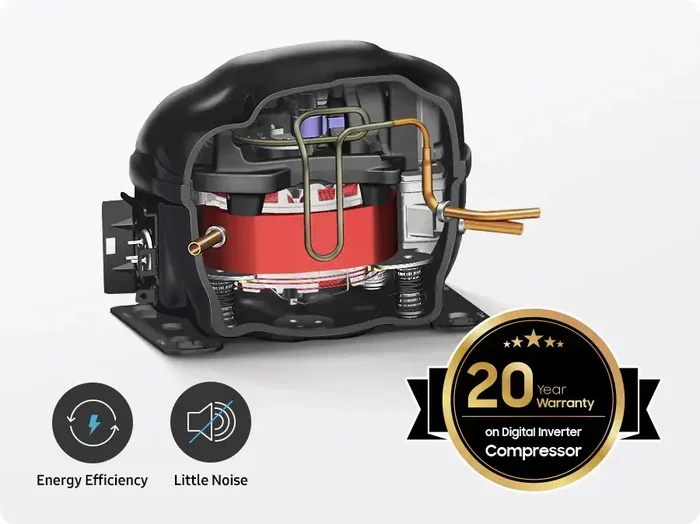
Your fridge compressor is the heart of the cooling system. It pumps refrigerant through the coils to keep your food cold. When it works right, you barely notice it. But when something goes wrong, the noise can be hard to ignore.
There are many reasons a fridge compressor starts making sound. Some are simple to fix. Others need a trained technician. Let us look at the most common reasons first.
How a Fridge Compressor Works
The compressor sits at the back of your samsung refrigerator, usually near the bottom. It compresses refrigerant gas and sends it through the condenser coils. This process removes heat from inside the fridge. A small fan, called the evaporator fan, helps move cold air around.
When any part of this system is off balance, noise can follow. A loose part, a dirty coil, or a worn relay can all cause problems. Understanding this basic setup helps you figure out where the sound is coming from.
Normal vs. Abnormal Sounds
Not all compressor sounds are bad. A soft compressor humming or a gentle click when the fridge kicks on is normal. These sounds mean the compressor is doing its job.
But here are signs the noise is abnormal:
- Loud buzzing that does not stop
- Rattling or vibrating sounds from the back
- High-pitched squealing or screaming
- Rapid clicking that keeps repeating
- Gurgling sounds that are louder than usual
If you hear any of these, it is time to dig deeper. The good news is that most refrigerator compressor troubleshooting starts at home.
Common Samsung Fridge Compressor Noise Types
Not all compressor noise sounds the same. The type of sound gives you a big clue about what is wrong. Here are the most common noise types and what they mean.
Humming or Buzzing Sounds
A low compressor humming is usually normal. But if the hum gets louder or turns into a buzz, something is off. This often happens when the condenser coils are dirty. Dust and grime build up over time and make the compressor work harder.
Another cause is a fridge that is not level. When the unit tilts even a little, the compressor vibrates more. This extra vibration creates a buzzing sound you can hear from the room.
Clicking or Ticking Noises
Occasional clicking when the compressor starts is normal. But constant fridge compressor clicking is a red flag. This usually points to a bad compressor start relay. The relay helps the compressor kick on. When it fails, you get rapid clicking over and over.
A failing compressor overload protector can also cause clicking. This part shuts the compressor off if it gets too hot. If it is worn out, it clicks on and off nonstop.
Loud Rattling or Vibrating Sounds
If your samsung fridge compressor noise sounds like something is loose inside, check a few things first. The fridge might be sitting unevenly on the floor. A loose fan blade or a broken fan motor can also cause rattling.
Sometimes the compressor vibration is just from the unit touching the wall. Pull your fridge out and make sure there is a few inches of space on all sides. This alone can fix a lot of rattling.
High-Pitched Screaming or Squealing
This is one of the most alarming sounds. A loud, high-pitched scream from the back of the fridge often means the compressor is under too much pressure. It can also mean the evaporator fan motor is failing.
Do not ignore this sound. A screaming compressor can mean the unit is overheating. Turn the fridge off and call for help if the noise does not stop after a few minutes.
Samsung Fridge Compressor Noise Comparison
Use this table to quickly match the sound you hear with the most likely cause and the best fix.
| Noise Type | Likely Cause | DIY Fix? | Call a Pro? |
|---|---|---|---|
| Loud Humming | Dirty condenser coils | Yes | No |
| Constant Clicking | Bad compressor start relay | Yes | If unsure |
| Rattling | Loose part or unlevel fridge | Yes | No |
| Squealing | Failing evaporator fan | Maybe | Yes, if severe |
| Buzzing | Overworked compressor | Try cleaning coils | If it continues |
| Gurgling | Normal refrigerant flow | No fix needed | No |
This table makes refrigerator compressor troubleshooting much easier. Start with the top row and work your way down. Most of the time, the fix is simple and free.
How to Diagnose Samsung Fridge Compressor Noise
Before you try any fix, you need to find the source of the compressor noise. Diagnosing the problem correctly saves you time and money. Here is a simple step-by-step process.
Step-by-Step Diagnostic Process
Step 1: Unplug the fridge. Safety first. Always disconnect the power before you open the back panel or touch any parts.
Step 2: Pull the fridge away from the wall. Give yourself room to work. You need clear access to the back of the unit.
Step 3: Listen carefully. Plug the fridge back in for just a minute. Listen to where the sound is loudest. Is it from the top, the bottom, or the side?
Step 4: Check the condenser coils. These are usually at the bottom or back of the fridge. Use a flashlight to look for dust, pet hair, or debris.
Step 5: Inspect the fan blades. The evaporator fan and the condenser fan should spin freely. Look for cracks, bent blades, or anything blocking the fan.
Step 6: Feel for vibration. Put your hand gently near the compressor (do not touch it directly). Does it vibrate more than usual? A shaky compressor often makes more noise.
Quick Tips for Identifying the Source
- Place your ear close to the back panel to pinpoint the sound.
- Use a cardboard tube to funnel sound to your ear, like a stethoscope.
- Check if the noise happens only when the compressor starts or runs constantly.
- Note when the noise started. Did it follow a power outage or a heavy load of groceries?
Common Mistakes to Avoid
Here are mistakes many people make when diagnosing samsung fridge compressor noise:
- Ignoring the problem: Small sounds get bigger fast. A $5 relay fix can turn into a $500 compressor replacement.
- Opening the compressor housing: This part contains refrigerant gas. It is sealed for a reason. Never open it yourself.
- Using the wrong tools: Do not try to clean condenser coils with sharp metal objects. Use a brush or a vacuum attachment instead.
- Forgetting to unplug the fridge: This is the most important safety rule. Always disconnect power first.
Samsung Fridge Compressor Noise Fix: Step-by-Step Solutions
Now that you know what is causing the sound, here are the best fixes. Start with the easiest and cheapest solutions first.
Fix 1: Clean the Condenser Coils
Dirty condenser coils are the number one cause of loud fridge compressor noise. When coils are covered in dust, the compressor works overtime. This extra effort creates more sound and wastes energy.
Here is how to clean them:
- Unplug the fridge.
- Find the condenser coils. They are usually at the bottom behind a kick plate or at the back.
- Use a coil brush or a vacuum with a narrow attachment.
- Gently remove all dust, pet hair, and debris.
- Wipe the area clean with a damp cloth.
- Plug the fridge back in and listen for changes.
This simple fix takes about 15 minutes and costs nothing. It fixes the problem more often than you might think.
Fix 2: Check the Compressor Start Relay
The compressor start relay helps the compressor turn on. When it goes bad, you get that constant fridge compressor clicking sound. Sometimes the relay even smells burnt.
To check it:
- Unplug the fridge and pull it out.
- Remove the back panel near the compressor.
- Find the relay, which is a small white or gray box plugged into the compressor.
- Pull it out gently and shake it. If you hear rattling inside, the relay is bad.
- Buy a replacement relay that matches your samsung fridge model.
- Plug in the new relay and test the fridge.
Replacement relays are cheap, usually under $20. This is one of the easiest fridge compressor fixes you can do yourself.
Fix 3: Inspect the Evaporator Fan
The evaporator fan blows cold air into the fridge compartment. If the fan blade is bent or the motor is wearing out, it makes a loud squealing or rattling sound.
To check the fan:
- Unplug the fridge and remove the back panel inside the freezer section.
- Locate the evaporator fan, which is usually near the top of the freezer.
- Spin the fan blade by hand. It should turn smoothly with no resistance.
- Look for ice buildup around the fan. Frost can block the blades and cause noise.
- If the fan motor is noisy or does not spin freely, you need a replacement.
Evaporator fan motors cost between $40 and $100. Replacing them is a moderate DIY job if you are comfortable working inside your fridge.
Fix 4: Level the Refrigerator
An unlevel fridge causes the compressor to vibrate more than it should. This extra vibration creates compressor vibration noise that can travel through the walls.
Here is how to level your fridge:
- Use a bubble level on top of the fridge.
- Adjust the front leveling legs with a wrench.
- The fridge should be level side to side and slightly tilted back (about 1 inch).
- Check that all four feet are firmly on the floor.
- Plug the fridge back in and listen for changes.
This fix takes 5 minutes and makes a big difference. Many people skip this step and it solves the noise problem right away.
Fix 5: Replace the Compressor Overload Protector
The compressor overload protector is a safety device. It shuts off the compressor if it draws too much current. When this part fails, it can cause the compressor to short-cycle, making rapid clicking or buzzing sounds.
Replacing an overload protector is similar to replacing a start relay. You need to:
- Unplug the fridge and access the compressor area.
- Disconnect the wires from the old protector.
- Remove the old part and install the new one.
- Plug the fridge back in and test it.
Overload protectors cost about $15 to $30. This is a safe and easy fix for most samsung refrigerator owners.
Expert Insight
According to appliance repair professionals, over 60% of samsung fridge compressor noise cases are caused by dirty condenser coils or a faulty start relay. These two fixes should always be your first step before moving on to more complex repairs.
When to Call a Professional for Samsung Fridge Compressor Noise
Not every compressor problem is a DIY fix. Some issues need a trained technician. Here are the warning signs that mean it is time to call for refrigerator repair help.
Warning Signs You Should Not Ignore
- The compressor runs constantly and never shuts off. This can mean the refrigerant is low or the compressor is failing.
- You hear grinding or metal-on-metal sounds. This suggests internal compressor damage that cannot be fixed at home.
- The fridge is not cooling properly. If the compressor is noisy and your food is not staying cold, the problem is serious.
- You see oil leaks near the compressor. This means the compressor seal is broken and refrigerant may be escaping.
- The noise started after a power surge. Electrical damage can harm the compressor in ways that are not visible.
Samsung Fridge Compressor Replacement Cost
If your fridge compressor needs to be replaced, the cost can range from $400 to $1,000 or more. This includes the part and labor. The samsung fridge compressor replacement cost depends on your model and the technician’s rates in your area.
Here is a rough breakdown:
- Compressor part only: $200 to $500
- Labor costs: $150 to $300
- Refrigerant recharge: $50 to $100
- Total estimated cost: $400 to $900
Before you spend money on a replacement, get at least two quotes from licensed technicians. Sometimes the cost of a new compressor is close to the price of a new fridge. In those cases, replacing the whole unit makes more sense.
Key Takeaways
- Try simple fixes first: Cleaning coils and checking the relay solve most noise problems.
- Know your limits: If the compressor itself is failing, do not try to repair it yourself.
- Get multiple quotes: Always compare repair costs before committing to a big fix.
- Keep your receipt: If the fridge is under warranty, compressor repairs may be covered.
Preventing Samsung Fridge Compressor Noise in the Future
The best way to deal with samsung fridge compressor noise is to prevent it from happening in the first place. A little regular maintenance goes a long way.
Here is what you should do to keep your fridge compressor running quietly:
- Clean the condenser coils every 6 months. Dust and pet hair build up fast. A quick cleaning keeps the compressor from working too hard.
- Keep the fridge level at all times. Check the leveling once or twice a year. Floors can shift over time, especially in older homes.
- Leave space around the fridge. Make sure there is at least 2 inches of clearance on all sides for proper airflow.
- Do not overload the fridge. Too much food blocks air vents and makes the compressor run longer than it should.
- Check the door seals regularly. Worn gaskets let cold air escape, which forces the compressor to work harder.
- Avoid placing the fridge near heat sources. Keep it away from ovens, dishwashers, and direct sunlight.
Following these simple steps can add years to the life of your compressor. It also keeps your samsung refrigerator running efficiently and quietly.
Remember, a little prevention beats a big repair bill every time. Spend 15 minutes every few months on maintenance, and your fridge will thank you with years of quiet, reliable service.
Conclusion
Dealing with samsung fridge compressor noise does not have to be stressful. Most of the time, the cause is simple and the fix is easy. Start by identifying the type of noise you hear. Then try the DIY solutions in this guide, from cleaning coils to checking the start relay. These steps solve the majority of compressor noise problems.
If the noise continues or you notice warning signs like constant running or grinding sounds, do not hesitate to call a professional. A trained technician can diagnose deeper issues and help you decide whether a repair or replacement makes more sense.
Above all, remember that prevention is your best tool. Regular maintenance keeps your fridge compressor healthy and your kitchen quiet. Take care of your samsung refrigerator today, and it will keep your food cold and your home peaceful for years to come.
Frequently Asked Questions
Why is my Samsung fridge compressor making a loud humming noise?
A loud compressor humming usually means the condenser coils are dirty or the fridge is not level. Dust on the coils forces the compressor to work harder, which creates more noise. Try cleaning the coils and leveling the fridge first. If the humming continues, the compressor start relay may need replacement.
Can I fix Samsung fridge compressor noise myself?
Yes, many causes of samsung fridge compressor noise are easy DIY fixes. Cleaning condenser coils, checking the start relay, and leveling the fridge are all things you can do at home with basic tools. However, never open the compressor housing or work with refrigerant. Those jobs need a licensed professional.
How much does it cost to replace a Samsung fridge compressor?
The samsung fridge compressor replacement cost typically ranges from $400 to $900. This includes the compressor part ($200-$500), labor ($150-$300), and refrigerant recharge ($50-$100). The exact cost depends on your fridge model and your local repair rates. Always get at least two quotes before proceeding.
Is compressor noise dangerous for a Samsung refrigerator?
Most compressor noise is not dangerous, but it can signal a problem that gets worse over time. A constantly running or overheating compressor can drive up your energy bill and eventually fail completely. If you hear grinding, squealing, or smell burning, turn the fridge off and call for help right away.
How often should I clean my Samsung fridge condenser coils?
You should clean the condenser coils every 6 months. If you have pets or live in a dusty area, clean them every 3 to 4 months. Dirty coils are the most common cause of fridge compressor noise and make the compressor work harder than it needs to. A quick cleaning takes just 15 minutes.
What should I do if my Samsung fridge compressor clicks but will not start?
A fridge compressor that clicks but does not start usually has a bad start relay or overload protector. These parts are inexpensive and easy to replace yourself. Unplug the fridge, locate the relay near the compressor, and swap it out. If the new relay does not fix the problem, the compressor itself may be failing and you should call a professional.