Best Electric Air Compressor Oil Type For Your Machine
Choosing the right electric air compressor oil type is one of the most important decisions you can make for your machine’s longevity and performance. The wrong oil can cause overheating, increased wear, and even premature compressor failure. This guide breaks down every electric air compressor oil type so you can pick the best fit with confidence.
Your electric air compressor oil type plays a bigger role in machine performance than most people realize. It lubricates internal parts, reduces heat buildup, and keeps everything running quietly. Picking the wrong one can lead to costly repairs or even a dead compressor.
Whether you run a small garage compressor or a heavy-duty workshop unit, the oil you choose directly affects compressor performance and lifespan. In this guide, we walk through every electric air compressor oil type so you can make a confident choice. No fluff, no confusing jargon — just clear, practical advice you can use right away.
Key Takeaways
- Synthetic oil is the top choice: It offers superior thermal stability and longer change intervals for most electric compressors.
- Mineral oil works for light use: It’s affordable and suitable for occasional DIY projects with lower duty cycles.
- Viscosity matters more than brand: Always match your oil to the ISO viscosity grade recommended by your compressor manufacturer.
- Oil-free compressors exist: They eliminate the need for lubricant but may have a shorter lifespan under heavy use.
- Regular oil changes extend compressor life: Changing oil every 500-1000 hours keeps your machine running smoothly and efficiently.
- Never use regular motor oil: Detergent additives in standard motor oil can damage compressor internals and clog oil separators.
- Check your manual first: Every compressor model has specific oil requirements that override general recommendations.
📑 Table of Contents
- Why Choosing the Right Electric Air Compressor Oil Type Matters
- Different Types of Electric Air Compressor Oil
- How to Choose the Best Oil for Your Compressor
- Top Electric Air Compressor Oil Brands Reviewed
- How Often Should You Change Your Compressor Oil?
- Common Mistakes When Choosing Compressor Oil
- Quick Tips for the Best Results
- Conclusion
Why Choosing the Right Electric Air Compressor Oil Type Matters
Think of your compressor oil as the lifeblood of the machine. Without proper lubrication, metal parts grind against each other. This creates friction, heat, and eventually wear. The right electric air compressor oil type prevents all of that.
Here is why it matters so much:
- Lubrication reduces friction: The pump has many moving parts that need smooth operation. Quality compressor lubricant keeps them from wearing out fast.
- Heat dissipation: Compressors generate a lot of heat during use. The right oil pulls heat away from critical components.
- Seal protection: Oil helps maintain the integrity of internal seals. This prevents air leaks that reduce efficiency.
- Longer oil separator life: Clean oil keeps the separator from clogging, which saves you money on replacements.
- Quieter operation: Properly lubricated compressors run smoother and quieter than those running on degraded or wrong oil.
Skimping on oil or using the wrong kind might save a few dollars today. But it can cost you hundreds in repairs down the road. That is why understanding electric air compressor oil type options is so important before you make a purchase.
What Happens When You Use the Wrong Oil
Using incorrect oil in your compressor is a common mistake. Many people grab whatever motor oil they have lying around. But standard motor oil contains detergent additives that do not work well in compressors. These additives create sludge buildup inside the pump.
Over time, this sludge clogs oil passages and reduces lubrication. Your compressor runs hotter, works harder, and wears out faster. In severe cases, the pump can seize entirely. That is a costly repair that proper air compressor maintenance could have easily prevented.
The right electric air compressor oil type avoids all of these problems. It is formulated specifically for the unique demands of compressor pumps. It handles high pressures and temperatures without breaking down.
Different Types of Electric Air Compressor Oil
Not all compressor oils are created equal. There are several distinct categories, and each one serves different needs. Let us break them down so you understand what works best for your machine.
Synthetic Oil for Compressors
Synthetic oil for compressor use is widely considered the premium choice. It is engineered in a lab to deliver consistent performance under extreme conditions. Unlike conventional oils, synthetic compressor lubricant has a uniform molecular structure.
This uniformity gives it several advantages:
- Excellent thermal stability: Synthetic oil resists breakdown even at high temperatures. This means fewer oil changes and less downtime.
- Better cold-weather performance: It flows smoothly even in cold garages during winter months.
- Longer service life: Many synthetic oils can go 2,000 hours or more between changes.
- Reduced wear: The anti-wear additives in synthetic formulas protect pump components more effectively.
- Cleaner operation: Synthetic oil produces less residue, keeping internal parts cleaner for longer.
If you run your compressor frequently or in demanding conditions, synthetic electric air compressor oil type is the way to go. It costs more upfront but saves money over time through fewer changes and less wear.
Mineral Oil for Compressors
Mineral oil compressor formulations are derived from refined petroleum. They have been the standard for decades and work well for light-duty applications. If you use your compressor occasionally for DIY projects, mineral oil can be a solid budget option.
Here is what you should know about mineral oil:
- Affordable: It costs significantly less than synthetic alternatives.
- Good for low-use scenarios: If you run your compressor only a few hours per month, mineral oil performs fine.
- Wider availability: You can find it at most hardware stores and auto parts shops.
- Shorter change intervals: Mineral oil breaks down faster than synthetic, requiring more frequent changes.
- Less heat resistant: It degrades more quickly under sustained high-temperature operation.
For casual home users, mineral oil gets the job done. But if you rely on your compressor daily for work, you will want to upgrade to a better electric air compressor oil type.
Oil-Free Compressor Options
Some compressors come designed to run without any oil at all. These oil-free compressors use special coatings on internal parts instead of liquid lubrication. They are popular for home users who want to avoid the maintenance of oil changes.
Here are the key points about oil-free models:
- No oil changes needed: You never have to buy or dispose of compressor oil.
- Lighter weight: Oil-free compressors tend to be more portable and easier to move around.
- Lower upfront cost: They often cost less than oil-lubricated models.
- Shorter lifespan under heavy use: Without oil cooling and lubrication, pump parts wear faster during prolonged operation.
- Not ideal for continuous duty: They work best for intermittent use, not running all day.
An oil-free compressor is great for occasional tasks like inflating tires or powering a nail gun for a weekend project. But for professional or heavy-duty work, an oil-lubricated machine with the right electric air compressor oil type will last much longer.
High-Duty Cycle Compressor Oils
If you run a compressor for extended periods — say, in a busy workshop or painting operation — you need a high-duty cycle formula. These specialized compressor pump oil products are designed to handle sustained heat and pressure without breaking down.
Look for these features in high-duty cycle oils:
- High oxidation resistance: The oil stays stable even when exposed to heat for hours.
- Strong anti-wear properties: It forms a protective barrier on metal surfaces under heavy load.
- Low moisture absorption: It resists picking up water from the air, which can cause corrosion.
- Compatible with oil separators: High-quality oils extend the life of your separator filter.
Choosing the right electric air compressor oil type for your duty cycle is one of the smartest things you can do. It keeps your machine efficient and prevents premature failure during demanding jobs.
How to Choose the Best Oil for Your Compressor
With so many options on the shelf, picking the right oil can feel overwhelming. But it does not have to be. Follow these steps to find the perfect electric air compressor oil type for your specific machine.
Check Your Owner Manual First
Your compressor’s manual is the best place to start. Every manufacturer specifies exactly what oil their machine needs. They will tell you the recommended ISO viscosity grade and whether synthetic or mineral oil is acceptable.
Some brands even sell their own proprietary oil. While this is convenient, you can often find compatible aftermarket options that perform just as well at a lower price. The key is matching the specifications, not the brand name.
Understand ISO Viscosity Grades
Compressor oil viscosity refers to how thick or thin the oil is at different temperatures. The ISO system standardizes these ratings so you can compare products easily.
Here is a quick breakdown:
- ISO 22: Thinner oil, best for colder climates and lighter compressors.
- ISO 32: A versatile middle-ground option that works in most conditions.
- ISO 46: Thicker oil for warmer environments and heavier-duty compressors.
- ISO 68: The heaviest standard grade, used in large industrial compressors.
Using the wrong viscosity can cause problems. Oil that is too thin will not protect parts adequately. Oil that is too thick can strain the motor and reduce efficiency. Always match your electric air compressor oil type to the recommended viscosity grade.
Look for Key Additive Packages
Quality compressor oils contain special additives that enhance performance. These are not the same as the detergent additives found in regular motor oil. Instead, look for these compressor-specific formulations:
- Anti-wear agents: Reduce friction on metal surfaces during operation.
- Antioxidants: Prevent oil breakdown from heat exposure.
- Anti-foam additives: Prevent air bubbles that reduce lubrication effectiveness.
- Corrosion inhibitors: Protect internal parts from moisture damage.
A well-formulated compressor lubricant with a balanced additive package will keep your machine running smoothly for years. This is one area where you should not try to save money by buying cheap oil.
Consider Your Climate and Working Conditions
Where you use your compressor matters for oil selection. In hot climates, oil breaks down faster and needs higher thermal stability. In cold environments, you need oil that flows easily at lower temperatures.
If you work in a dusty or dirty environment, your oil will pick up more contaminants. You may need to change it more frequently. Similarly, high-humidity conditions can introduce moisture into the oil, which affects air compressor upkeep and performance.
Think about your typical working conditions when choosing your electric air compressor oil type. Matching the oil to your environment is a simple step that pays big dividends.
Top Electric Air Compressor Oil Brands Reviewed
The market is full of compressor oil brands, and not all of them are equal. Here is a look at some of the most trusted options for electric air compressor oil type selection.
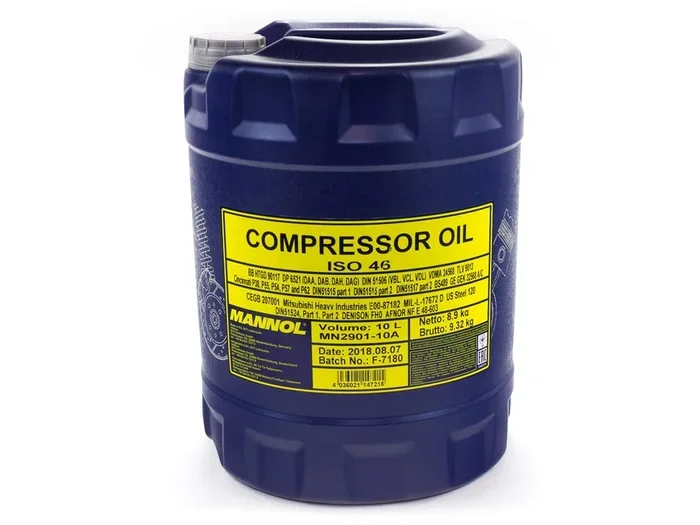
Mannol Compressor Oil
Mannol offers a well-regarded synthetic compressor oil that is popular among both hobbyists and professionals. It has strong thermal stability and works well across a wide temperature range. Many users report smooth operation and extended time between oil changes.
Air King Compressor Oil
Air King is a dedicated compressor lubricant brand. Their oil is formulated specifically for rotary screw compressor oil and reciprocating models alike. It provides excellent anti-wear protection and is available in multiple viscosity grades.
Campbell Hausfeld Compressor Oil
Campbell Hausfeld sells a compressor oil that is compatible with many of their own machines. It is a solid mineral oil option for light-duty users who want a straightforward, no-fuss choice. It is affordable and widely available.
Synthetic Blend Options
Several brands offer synthetic blend oils that sit between pure mineral and full synthetic. These can be a good middle ground if you want better performance than mineral oil but do not want to pay the full synthetic price. They offer decent thermal stability and reasonable change intervals.
When comparing brands, focus on the specifications rather than the label. Check the ISO viscosity grade, look for anti-wear certifications, and verify that the oil is non-detergent. These factors matter more than brand reputation when it comes to electric air compressor oil type quality.
How Often Should You Change Your Compressor Oil?
Regular oil changes are one of the most important parts of air compressor maintenance. Fresh oil keeps the pump lubricated, cool, and protected. But how often should you actually do it?
The answer depends on your compressor type and how often you use it:
- Light home use (under 5 hours per week): Change oil every 3 to 6 months, or after about 500 hours of operation.
- Regular workshop use (5-15 hours per week): Change oil every 2 to 3 months, or after about 1,000 hours.
- Heavy-duty or professional use (15+ hours per week): Change oil every month or after 500 hours, whichever comes first.
- Synthetic oil users: You can extend intervals by up to 50% compared to mineral oil users.
Always check the oil level before each use. Low oil means your compressor is running without proper lubrication, which can cause serious damage quickly. Make oil level checks part of your routine air compressor upkeep habits.
When you do change the oil, make sure to drain it completely while the machine is still warm. Warm oil flows better and carries more contaminants out of the system. Replace the drain plug securely and refill with the correct electric air compressor oil type to the recommended level.
Common Mistakes When Choosing Compressor Oil
Even experienced compressor users sometimes make mistakes when selecting oil. Here are the most common errors to avoid.
Using Regular Motor Oil
This is the number one mistake people make. Standard automotive motor oil contains detergent additives designed for car engines. These additives create harmful sludge in compressor pumps. Never use regular motor oil as a compressor oil substitute. Always use oil specifically formulated for compressors.
Ignoring Viscosity Recommendations
Some users grab whatever oil thickness they have available. But using the wrong viscosity grade can starve the pump of proper lubrication or cause the motor to work too hard. Always follow the manufacturer’s viscosity recommendation for your electric air compressor oil type.
Skipping Oil Changes
It is tempting to skip oil changes when the compressor seems to be running fine. But oil degrades over time even if you cannot see it. Old oil loses its lubricating properties and begins to break down internally. This leads to increased wear that you cannot see until it is too late.
Overfilling the Oil Reservoir
More oil is not better. Overfilling can cause excess pressure in the system, oil foaming, and even oil leaking into the air lines. Always fill to the recommended level and no higher. Check your manual for the exact fill line.
Mixing Oil Types
Do not mix synthetic and mineral oils, or oils from different brands with different additive packages. Mixing can cause chemical reactions that reduce the oil’s effectiveness. When changing oil types, flush the system first and then refill with your chosen electric air compressor oil type.
Avoiding these common mistakes will keep your compressor healthy and performing at its best for many years. A little knowledge goes a long way when it comes to compressor oil selection.
Quick Tips for the Best Results
- Store oil properly: Keep compressor oil in a cool, sealed container away from direct sunlight. Heat and moisture degrade oil quality over time.
- Use a funnel: When adding oil, use a clean funnel to prevent contamination from dirt or debris entering the reservoir.
- Check for leaks: After an oil change, inspect the area around the drain plug and fill cap for any signs of leakage.
- Keep records: Note the date and hours of each oil change. This helps you stay on schedule and track your compressor’s maintenance history.
- Dispose of used oil properly: Take old compressor oil to a recycling center. Do not pour it down drains or into the trash.
- Run the compressor for a few minutes after filling: This circulates the new oil through the system and helps you check for leaks.
Conclusion
Choosing the right electric air compressor oil type does not have to be complicated. The key is understanding your compressor’s needs and matching them with the right oil formulation. Whether you go with synthetic oil for compressor use or a quality mineral option depends on how often you run your machine and what conditions you work in.
Always check your manual first, match the ISO viscosity grade, and use oil specifically designed for compressors. Avoid the common trap of using regular motor oil. Change your oil on schedule, and your compressor will reward you with years of reliable service.
Take a few minutes today to review your current oil and compare it against what we have covered. A simple oil change with the right electric air compressor oil type can make a real difference in how your machine runs. Your compressor will run cooler, smoother, and last longer. That is a win for both your tools and your wallet.
Frequently Asked Questions
Can I use regular motor oil in my electric air compressor?
No, you should never use regular motor oil in a compressor. Standard motor oil contains detergent additives that create harmful sludge inside compressor pumps. Always use oil specifically formulated for compressors to protect your machine and ensure proper air compressor maintenance.
What is the best electric air compressor oil type for a home workshop?
For most home workshops, a synthetic electric air compressor oil type in ISO 32 or ISO 46 viscosity is the best choice. It offers excellent protection, longer change intervals, and performs well across a range of temperatures. If you only use your compressor occasionally, a quality mineral oil can also work well.
How do I know which ISO viscosity grade to use?
Check your compressor’s owner manual. The manufacturer will specify the recommended ISO viscosity grade for your model. Using the wrong viscosity can reduce lubrication and cause premature wear. When in doubt, ISO 32 is a safe versatile option for most standard electric compressors.
Can I use synthetic oil in a compressor that originally used mineral oil?
Yes, in most cases you can switch from mineral to synthetic oil. Synthetic oil is generally a superior upgrade that offers better thermal stability and longer life. Just make sure to drain the old oil completely before refilling with your chosen electric air compressor oil type.
How long does compressor oil last before it needs changing?
It depends on your usage. For light home use, change oil every 500 hours or every 3 to 6 months. For heavy-duty use, change it every 500 hours or monthly. Synthetic oils can extend these intervals. Always check your oil level before each use as part of routine air compressor upkeep.
What happens if I overfill my compressor with oil?
Overfilling causes excess pressure inside the system, which can lead to oil foaming, leaks, and even oil entering your air lines. This reduces efficiency and can damage your tools. Always fill to the recommended level and no higher. If you accidentally overfill, drain the excess immediately.