Used Air Compressor Buying Guide for Savvy Shoppers
Buying a used air compressor is one of the smartest moves you can make for your home workshop or business. This guide covers everything you need to know, from understanding compressor types and key specs to finding the best deals and avoiding costly mistakes. You will learn how to pick the right used air compressor that fits your needs and budget without sacrificing quality.
Key Takeaways
- Save Big: A used air compressor can cost 40 to 60 percent less than a new unit while still delivering reliable performance.
- Know Your Needs: Understanding CFM, PSI, and tank size helps you choose the right compressor for your projects.
- Inspect Before You Buy: Always check for leaks, rust, motor condition, and hose integrity before purchasing.
- Buy from Trusted Sources: Online marketplaces, local dealers, and auctions each have pros and worth considering.
- Maintenance Matters: A well-maintained used unit can last just as long as a brand-new one with proper care.
- Avoid Common Pitfalls: Skipping the test run and ignoring warranty status are the top mistakes shoppers make.
📑 Table of Contents
- Why Buy a Used Air Compressor?
- Key Specifications to Check Before Buying
- Where to Find Used Air Compressors for Sale
- Inspecting a Used Air Compressor Before Buying
- How to Get the Best Deal on a Used Air Compressor
- Common Mistakes to Avoid When Buying a Used Air Compressor
- Expert Insights on Choosing the Right Compressor
- How Long Does a Used Air Compressor Last?
- Final Thoughts
Why Buy a Used Air Compressor?
Air compressors are incredibly useful machines. They power pneumatic tools, inflate tires, and run spray guns for painting. But brand-new units can carry a heavy price tag. That is exactly why many savvy shoppers turn to a used air compressor instead.
The savings are real. You can often get a high-quality machine for less than half the cost of a new one. And here is the best part. Many used compressors still have plenty of life left in them. Manufacturers build these machines to last. With a little care and regular compressor maintenance, a used unit can run smoothly for years.
Whether you are a DIY hobbyist or a small business owner, a used air compressor for sale can meet your needs. The key is knowing what to look for. This guide walks you through every step of the buying process.
Let us start with the different types of compressors available on the secondhand market.
Types of Used Air Compressors You Will Encounter
Not all compressors are the same. Different types serve different purposes. Before you start shopping, it helps to understand the main categories.
Reciprocating compressors are the most common type found in home workshops. They use pistons to compress air. These units are great for DIY projects and light-duty tasks. They tend to be affordable and easy to find as used models.
Rotary screw compressors are built for heavier work. They run cooler and last longer under continuous use. Many industrial air compressor units fall into this category. You will often see them in factories and auto shops. A used rotary screw compressor can still be a solid investment if it has been well cared for.
Portable air compressor units are compact and lightweight. They are perfect for on-site jobs or small garages. If you need mobility, look for a used portable air compressor. These are widely available and budget-friendly.
Oil-free compressors do not require lubricating oil in the compression chamber. They are lower maintenance and great for applications where clean air matters, like painting. Many homeowners prefer an oil-free used air compressor for home use.
Two-stage compressors compress air in two steps. This allows for higher pressure and better efficiency. They are often found in professional settings. A used two-stage compressor can handle demanding tasks with ease.
Here is a quick comparison of the main types you will find in the used market.
| Type | Best For | Average Used Price Range | Maintenance Level |
|---|---|---|---|
| Reciprocating | Home workshops, light tasks | $200 – $800 | Medium |
| Rotary Screw | Continuous industrial use | $1,500 – $5,000 | Low to Medium |
| Portable | On-site jobs, small garages | $150 – $600 | Low |
| Oil-Free | Painting, clean air tasks | $200 – $700 | Low |
| Two-Stage | Heavy-duty professional work | $1,000 – $4,000 | Medium |
Now that you know the types, let us talk about the specifications that matter most.
Key Specifications to Check Before Buying
Not every used air compressor is created equal. Some are built for light tasks. Others can handle heavy industrial work. Understanding the key specs helps you make the right choice.
CFM Rating
CFM stands for Cubic Feet per Minute. It measures how much air the compressor delivers. The higher the CFM, the more tools it can power at once. For basic pneumatic tools like nail guns, a lower CFM is fine. For sandblasters or impact wrenches, you need a higher rating.
Check the CFM requirements of the tools you plan to use. Then choose a compressor that meets or exceeds that number. This is one of the most important steps when buying any air compressor for sale.
PSI Rating
PSI means Pounds per Square Inch. It measures the pressure the compressor can generate. Most home tools work fine at 90 to 150 PSI. Industrial tools may require 200 PSI or more.
Always match the PSI rating to your tool requirements. A compressor with too low a PSI will struggle. One with too high a PSI is not necessarily a problem, but it may use more energy.
Tank Size
The tank size determines how much compressed air is stored. Larger tanks deliver air more steadily. They also reduce the number of times the motor needs to kick on and off.
For intermittent tasks like nail guns, a smaller tank works well. For continuous tools like sanders or spray guns, a larger tank is better. Think about your workflow and choose accordingly.
Horsepower
Horsepower (HP) indicates the motor strength. More horsepower generally means the compressor can handle heavier loads. But HP alone does not tell the full story. A well-designed compressor with moderate HP can outperform a high-HP unit with poor engineering.
Duty Cycle
The duty cycle tells you how long the compressor can run before needing a cooldown. A 50 percent duty cycle means it can run for 10 minutes out of every 20. For heavy use, look for a higher duty cycle rating.
Where to Find Used Air Compressors for Sale
Finding a good deal on a used air compressor is easier than ever. There are many places to look, each with its own advantages.
Online Marketplaces
Websites like Craigslist, Facebook Marketplace, and eBay are popular spots for finding compressors for sale. You can often negotiate the price directly with the seller. The downside is you cannot test the machine before buying. Always ask for detailed photos and a video of the unit running if possible.
Local Equipment Dealers
Many tool dealers sell refurbished units alongside new inventory. A refurbished air compressor has been inspected, repaired, and tested. These units often come with a compressor warranty. This gives you peace of mind that a random online listing may not offer.
Industrial Auctions
Factory closings and business auctions are goldmines for used equipment. You can find heavy-duty industrial air compressor units at steep discounts. The challenge is that auctions move fast. You need to do your homework before bidding.
Facebook Groups and Forums
Online communities dedicated to tools and workshops often have used equipment sections. Members share honest reviews and tips. You may find a well-maintained unit from a seller who used it only a few times.
Rental Equipment Companies
Some rental companies sell off their older units. These machines have been serviced regularly. A used rental air compressor can be an excellent value because it has been maintained properly.
Inspecting a Used Air Compressor Before Buying
This is the most important part of the process. Never skip a thorough inspection. A quick look is not enough. Here is what to check step by step.
Check for Leaks
Start the compressor and listen for hissing sounds. Leaks in the hoses or fittings waste compressed air. They also put extra strain on the motor. Even a small leak can reduce efficiency significantly.
Look for Rust and Corrosion
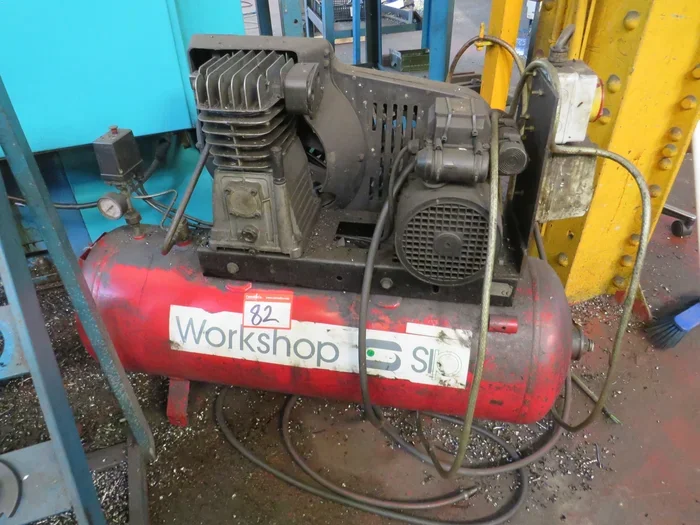
Examine the tank carefully. Surface rust is common and usually not a dealbreaker. But deep rust or holes in the tank are serious problems. A corroded tank can fail under pressure. That is a safety hazard.
Test the Motor
Listen to the motor when it starts. It should run smoothly without grinding or squealing. Unusual noises often signal internal wear. A motor replacement can be expensive, so factor that into your compressor price negotiation.
Inspect the Hoses and Fittings
Check all hoses for cracks, bulges, or worn spots. Fittings should be tight and free of damage. Replacing hoses and fittings adds to your total cost.
Review the Gauge and Pressure Switch
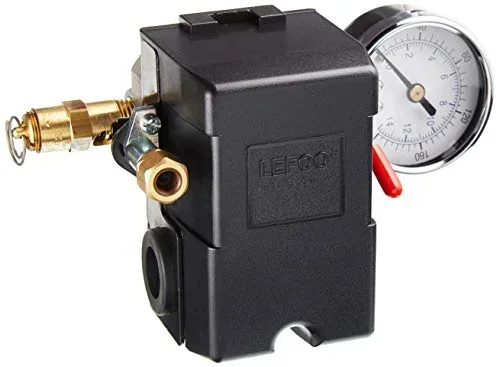
The pressure gauge should read accurately. The pressure switch should turn the motor on and off at the correct PSI levels. If either is faulty, it affects performance and can damage the motor over time.
Ask About Maintenance History
A well-documented maintenance history is a great sign. It tells you the owner took good care of the unit. Ask about oil changes, filter replacements, and any past repairs. A used air compressor with service records is worth more than one with none.
Quick Tips for Inspection
- Always test the compressor before purchasing if possible.
- Bring a pressure gauge to verify the readings.
- Check the drain valve for proper operation.
- Look at the belts for cracking or wear.
- Verify the amperage draw matches the motor specifications.
How to Get the Best Deal on a Used Air Compressor
Finding a good used air compressor is only half the battle. Getting the best price is the other half. Here are proven strategies that work.
Know the Market Value
Before you negotiate, research the going rate. Check listings on multiple platforms for similar models. Knowing the compressor price range gives you confidence during negotiations.
Buy Off-Season
Compressor prices often drop in late fall and winter. Fewer people need them for outdoor projects during colder months. If you can wait, buying off-season can save you real money.
Negotiate Confidently
Do not be afraid to haggle. Point out any issues you found during inspection. A compressor that needs new hoses or a belt is worth less than a fully functional one. Use that as leverage to lower the price.
Consider Bundle Deals
Some sellers include accessories like hoses, fittings, and air tools with the compressor. A bundle deal can save you money on extras you would need to buy separately.
Check for Warranty or Return Policy
Even used equipment can come with a short warranty. Some dealers offer 30-day return policies. This protection adds value and reduces your risk.
Build a Relationship with the Seller
Friendly sellers are often more willing to negotiate. Ask questions about the compressor’s history. Show genuine interest. A good relationship can lead to better deals and future opportunities.
Common Mistakes to Avoid When Buying a Used Air Compressor
Even experienced shoppers can make mistakes. Here are the most common ones to watch out for.
Skipping the Test Run
Never buy a compressor without running it. A unit that looks fine on the outside may have internal problems. The test run reveals issues with pressure buildup, noise levels, and motor performance.
Ignoring the Duty Cycle
A low duty cycle compressor will overheat if you use it continuously. This is a common mistake for buyers who do not read the specs carefully. Match the duty cycle to your intended use.
Overlooking Hose and Accessory Costs
A cheap compressor with worn hoses is not a bargain. Factor in the cost of replacement parts when comparing prices. A slightly higher-priced unit with good hoses may be the better deal.
Buying Based on Price Alone
The lowest price is not always the best value. A used air compressor that is too cheap may have hidden problems. Always balance price with condition, age, and maintenance history.
Forgetting to Check Compatibility
Not every compressor works with every tool. Check the CFM and PSI requirements of your tools before buying. Compatibility issues can render a compressor useless for your needs.
Neglecting Future Maintenance
Even the best used compressor needs regular upkeep. Budget for oil, filters, and belt replacements. Skipping maintenance shortens the lifespan of any machine.
Expert Insights on Choosing the Right Compressor
We spoke with several professionals who work with compressors daily. Here is what they had to say.
Match the Compressor to Your Work
“The biggest mistake we see is people buying a compressor based on what they want to do, not what they actually do,” says Mark T., a professional auto body technician. “If you are only using a nail gun for trim work, you do not need a massive industrial unit. Match the machine to the task.”
Refurbished Can Be Better Than Used
“A refurbished unit from a reputable dealer often beats a random used one,” adds Sarah L., a workshop manager. “You get the inspection, the warranty, and the peace of mind. That is worth the extra cost.”
Do Not Ignore the Electrical Requirements
“I have seen people buy a compressor that their electrical system cannot handle,” warns Dave R., a construction foreman. “Check the voltage and amperage requirements before you bring it home. An upgrade to your electrical panel can add hundreds to your total cost.”
Consider Your Noise Tolerance
“Not all compressors are created equal when it comes to noise,” notes Jenny W., a home workshop enthusiast. “If you are working in a garage attached to your house, look for a quieter model. Some oil-free compressors run much quieter than their oil-lubricated counterparts.”
How Long Does a Used Air Compressor Last?
The lifespan of a used air compressor depends on several factors. The type of compressor matters. A reciprocating unit typically lasts 10 to 15 years with proper care. Rotary screw compressors can last 20 years or more.
Usage frequency plays a big role too. A compressor used daily in a workshop will wear faster than one used occasionally for weekend projects. The maintenance history also matters greatly.
A well-maintained used air compressor can deliver years of reliable service. Regular oil changes, filter replacements, and drain tank moisture all extend the lifespan. Following the manufacturer’s maintenance schedule is the best thing you can do.
When shopping, ask the seller how long they have owned the unit and what maintenance they have performed. This information helps you estimate how much life is left in the machine.
Final Thoughts
Buying a used air compressor does not mean settling for less. With the right knowledge and a careful approach, you can find a machine that delivers excellent performance at a fraction of the cost.
Start by understanding the types and specifications that matter most for your projects. Inspect every unit thoroughly before committing to a purchase. Buy from trusted sources and do not be afraid to negotiate. And remember that ongoing compressor maintenance keeps your machine running strong for years to come.
The world of air compressors for sale is full of great options. Whether you need a compact portable air compressor for light home tasks or a powerful industrial air compressor for your business, the used market has something for everyone. Take your time, do your research, and you will find the perfect machine at a price that makes sense.
Happy shopping, and may your next compressor serve you well for many projects to come.
Frequently Asked Questions
Is it safe to buy a used air compressor?
Yes, it is safe as long as you inspect the unit carefully. Check for rust, leaks, motor condition, and proper pressure readings. Buying from a reputable seller or dealer adds an extra layer of safety and reliability.
How much should I expect to pay for a used air compressor?
Prices vary widely based on type, size, and condition. Small portable units can be found for $150 to $400. Larger industrial models may range from $1,000 to $5,000. Always compare prices across multiple platforms before making a decision.
Can a used air compressor be as good as a new one?
Absolutely. Many used compressors have been well maintained and still have years of service left. A refurbished air compressor with service records can perform just as reliably as a brand-new unit. The key is thorough inspection and smart purchasing.
What CFM do I need for home use?
Most home users need between 2 and 5 CFM for basic tools like nail guns and brad nailers. If you plan to use sanders or spray guns, aim for 5 to 10 CFM. Check the requirements of your specific tools to find the right match.
How do I know if a used compressor has been well maintained?
Ask the seller for maintenance records and service history. Look for clean oil, intact hoses, and a smoothly running motor. A unit with documented oil changes and filter replacements is a strong indicator of good care.
Should I buy an oil-free or oil-lubricated used compressor?
Oil-free compressors require less maintenance and are great for clean air applications like painting. Oil-lubricated models tend to run cooler and last longer under heavy use. Your choice should depend on your specific needs and how often you plan to use the compressor.
=== CONCLUSION ===
A used air compressor is a smart investment for anyone who needs reliable compressed air without the high price tag. By understanding the different types, checking key specifications like CFM, PSI, and tank size, and inspecting each unit thoroughly, you can find a machine that delivers excellent value. Buy from trusted sources, negotiate with confidence, and commit to regular maintenance. With the right approach, your used air compressor will serve you well for many years of productive work.