Everything You Need About Reefer Compressor and Parts
The reefer compressor and parts form the heart of every refrigeration system used in shipping and cold storage. Whether you manage cargo containers or operate a cold chain facility, understanding how these components work helps you keep goods fresh and avoid costly downtime. This guide covers everything from core components to maintenance, repair, and replacement decisions for reefer compressor systems.
If you have ever stood on a dock watching a refrigerated shipping container roll by, you might not think much about what keeps the inside cold. But behind that smooth, quiet operation is a powerful machine called the reefer compressor. It works around the clock to pull heat out of the container and keep cargo at the right temperature. Without it, millions of tons of food, medicine, and other temperature-sensitive goods would spoil before reaching their destination.
The reefer compressor and parts together form a complete refrigeration system that is essential for modern trade. From the condensing unit on the outside of the container to the evaporator coil inside, every piece plays a role. Understanding how these components work — and how to care for them — is valuable whether you are a shipping operator, a warehouse manager, or someone just curious about how cold chain logistics actually function.
This guide breaks down everything you need to know. We will walk through how the system works, what each part does, the most common problems you will face, and how to keep your reefer compressor running smoothly for years. By the end, you will have a clear picture of reefer compressor maintenance, compressor replacement decisions, and practical tips that save real money.
Key Takeaways
- The reefer compressor is the core driver of the entire refrigeration cycle, pumping refrigerant through the system to maintain precise temperature control for perishable cargo.
- Knowing your compressor parts — such as the condensing unit, evaporator coil, and compressor valve — helps you diagnose problems faster and make smarter repair decisions.
- Regular maintenance extends compressor life and prevents unexpected breakdowns that can spoil entire shipments and lead to expensive losses.
- Choosing the right parts matters — OEM and aftermarket options each have trade-offs in cost, compatibility, and durability that every operator should understand.
- Common reefer compressor problems like overheating, refrigerant leaks, and compressor overload are often preventable with proper care and timely inspections.
- Replacement vs. repair depends on age and damage severity, and knowing when to choose each option saves both money and time.
- Cold chain logistics rely on reliable compressor performance — a single failure can disrupt temperature control across the entire supply chain.
📑 Table of Contents
- What Is a Reefer Compressor and How Does It Work?
- Key Components of a Reefer Compressor System
- Common Problems with Reefer Compressors and Parts
- How to Choose the Right Reefer Compressor and Parts
- Maintenance Tips for Reefer Compressor Longevity
- When to Replace vs. Repair Your Reefer Compressor
- The Role of Reefer Compressors in Cold Chain Logistics
- Conclusion
What Is a Reefer Compressor and How Does It Work?
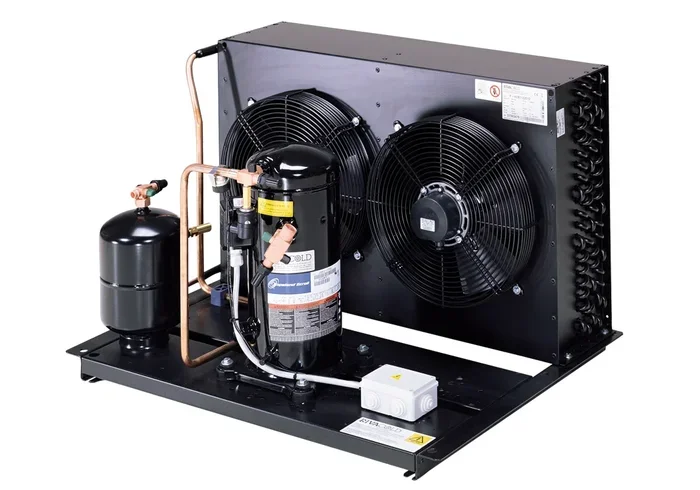
A reefer compressor is the engine of a refrigeration system designed for shipping containers and cold storage units. It compresses refrigerant gas and pushes it through the system, enabling the continuous cycle of heat removal that keeps cargo cold. Think of it as the pump that never stops while the container is in transit.
The refrigeration cycle starts when the compressor draws in low-pressure gas from the suction line. It then compresses that gas into a high-pressure, high-temperature state. This hot gas flows to the condensing unit, where it releases heat and turns into a liquid. The liquid passes through a thermal expansion valve, which drops its pressure and temperature. Finally, the cold liquid moves through the evaporator coil, absorbing heat from inside the container and cooling the cargo space.
The Role of the Compressor Motor
Inside the reefer compressor, the compressor motor provides the mechanical force needed to compress the refrigerant. This motor is built to run continuously under tough conditions — high humidity, salt air, and constant vibration. The motor’s performance directly affects how efficiently the entire cargo cooling system operates. If the motor struggles, the whole temperature control process suffers.
Most reefer compressors use Hermetic or Semi-Hermetic motor designs. Hermetic motors are sealed inside the compressor housing, which protects them from moisture and contamination. This design is common in marine reefer units because it reduces the risk of failure in harsh environments.
Understanding the Refrigeration Cycle in Simple Terms
Let us break the cycle down into four clear steps:
- Compression — The compressor valve opens and the motor pushes refrigerant gas into a smaller space, raising its pressure and temperature.
- Condensation — The hot, high-pressure gas moves to the condenser, where it releases heat to the outside air and becomes a liquid.
- Expansion — The liquid refrigerant passes through the thermal expansion valve, which lowers its pressure and temperature dramatically.
- Evaporation — The cold refrigerant flows through the evaporator coil, absorbing heat from inside the container and cooling the cargo.
This cycle repeats nonstop while the reefer unit is running. Each step depends on the one before it, which is why a problem with any single compressor part can disrupt the entire system.
Key Components of a Reefer Compressor System
A reefer compressor and parts system is more than just the compressor itself. It is a team of components working together. Let us look at each one and understand what it does.
The Condensing Unit
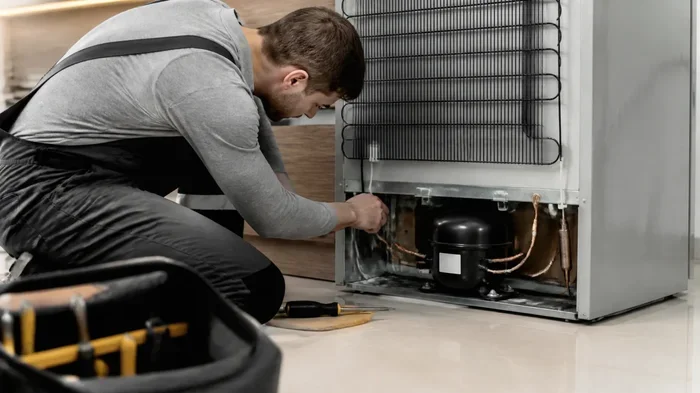
The condensing unit sits on the outside of the reefer container and serves as the heat exchanger. It takes the hot, high-pressure gas from the compressor and releases that heat into the surrounding air. Fans blow air across coils to speed up this process. In hot climates or crowded ports, the condensing unit works especially hard, which makes regular compressor maintenance essential.
The Evaporator Coil
Inside the container, the evaporator coil absorbs heat from the cargo space. As warm air passes over the cold coils, the refrigerant inside them picks up that heat and turns back into a gas. This gas then travels back to the compressor to start the cycle again. A dirty or damaged evaporator coil reduces cooling efficiency and can cause temperature control problems.
The Thermal Expansion Valve
The thermal expansion valve (or TXV) regulates the flow of refrigerant into the evaporator coil. It ensures the right amount of liquid refrigerant enters at the correct pressure. If the valve is stuck or worn, the system cannot cool properly. This is one of the most overlooked compressor parts during routine inspections.
Refrigeration Oil and Its Importance
Refrigeration oil lubricates the moving parts inside the compressor. It reduces friction, prevents overheating, and helps seal the compression chambers. Over time, this oil can break down or become contaminated with moisture and debris. Checking and changing the refrigeration oil at recommended intervals is a simple step that prevents major compressor repair costs later.
Suction Line and Discharge Line
The suction line carries low-pressure gas from the evaporator back to the compressor. The discharge line carries high-pressure gas from the compressor to the condenser. Both lines must be properly insulated and free of leaks. A leak in either line causes the system to lose refrigerant, which directly impacts cooling performance and can lead to compressor overload.
| Component | Function | Common Issues |
|---|---|---|
| Condensing Unit | Releases heat from refrigerant gas | Fan failure, coil blockage, dirty fins |
| Evaporator Coil | Absorbs heat from cargo space | Frost buildup, leaks, reduced airflow |
| Thermal Expansion Valve | Regulates refrigerant flow and pressure | Sticking, incorrect superheat settings |
| Compressor Motor | Drives the compression process | Overheating, electrical failure, worn bearings |
| Refrigeration Oil | Lubricates internal compressor parts | Contamination, low oil levels, breakdown |
| Suction and Discharge Lines | Transport refrigerant gas throughout the system | Leaks, insulation damage, blockages |
Common Problems with Reefer Compressors and Parts
Even well-built reefer compressor and parts systems experience problems over time. The key is catching them early before they turn into expensive breakdowns. Here are the most common issues operators face.
Compressor Overload
Compressor overload happens when the motor draws more current than it is designed for. This can be caused by low refrigerant gas levels, a blocked suction line, or a failing compressor valve. When the compressor runs under overload conditions for too long, the motor windings overheat and can burn out. Installing an overload relay helps protect the motor, but the root cause must be addressed.
Refrigerant Leaks
Leaks in the suction line or discharge line cause the system to lose refrigerant. Low refrigerant means the cargo cooling system cannot remove heat efficiently. You may notice the container is not reaching the set temperature, or the compressor is running constantly without cycling off. Common leak points include valve cores, connection joints, and the evaporator coil itself.
Overheating and Poor Ventilation
The condensing unit needs good airflow to release heat. In ports or stacked container yards, units can get blocked by other containers, cargo, or debris. Poor ventilation causes the compressor to overheat, which reduces efficiency and shortens component life. This is a frequent issue in shipping container refrigeration operations where space is tight.
Worn Compressor Valves
The compressor valve controls the flow of refrigerant gas into and out of the compression chamber. Over time, these valves wear out from constant use and high pressure. Worn valves cause compression inefficiency, which means the system struggles to maintain the target temperature. Signs of valve problems include unusual noises from the compressor and inconsistent cooling.
Electrical Issues
Problems with wiring, connectors, or the compressor motor itself can cause intermittent failures or complete shutdowns. Salt air and moisture in marine environments accelerate corrosion on electrical connections. Regular inspection of wiring and terminals should be part of every compressor maintenance routine.
Quick Tips
- Check refrigerant levels monthly — a sudden drop often signals a leak.
- Listen for unusual sounds from the compressor. Grinding or clicking can indicate valve or motor problems.
- Keep the condensing unit clean and free of obstructions at all times.
- Monitor the compressor’s running amperage against its rated values to catch overload early.
Common Mistakes to Avoid
- Ignoring small leaks — a tiny leak today becomes a major refrigerant loss tomorrow.
- Skipping oil changes — degraded oil causes internal wear that no amount of cleaning can fix.
- Using the wrong refrigerant — mixing refrigerant types or using incorrect grades damages the system.
- Delaying repairs — a minor issue left unaddressed often cascades into a compressor failure.
How to Choose the Right Reefer Compressor and Parts
Selecting the right reefer compressor and parts is one of the most important decisions you will make for your operation. The wrong choice leads to inefficiency, higher energy costs, and frequent breakdowns. Here is what you need to consider.
OEM vs. Aftermarket Parts
OEM (Original Equipment Manufacturer) parts are made by the same company that built the compressor. They are designed to exact specifications and offer the best fit and performance. However, OEM parts often come at a higher price. Aftermarket parts are made by third-party manufacturers and are usually more affordable. Quality aftermarket parts from reputable suppliers can perform just as well, but you need to verify compatibility and build quality.
For critical components like the compressor valve or compressor motor, OEM parts are generally the safer choice. For less critical items like filters, gaskets, and some coils, quality aftermarket options can save significant money without sacrificing reliability.
Matching the Compressor to Your Application
Not all reefer compressor and parts setups are the same. A compressor designed for a 20-foot container may not have the capacity for a 40-foot high-cube unit. Similarly, a system built for frozen cargo requires different specifications than one designed for chilled produce. Consider these factors:
- Cargo type — frozen, chilled, or ambient temperature requirements.
- Container size — 20-foot, 40-foot, or 40-foot high-cube.
- Transit duration — long ocean voyages demand more robust and efficient systems.
- Operating environment — tropical climates, temperate zones, or extreme cold.
- Energy source — some units run on diesel, others on electric power from the ship or shore.
Compatibility and System Integration
When replacing compressor parts, always verify compatibility with the existing refrigeration system. A compressor from a different model or brand may not match the refrigerant type, pressure ratings, or electrical specifications. Mixing incompatible parts can cause immediate failure or gradual damage over time. Always consult the system manual or a qualified technician before ordering replacements.
Expert Insight
Industry professionals recommend keeping a detailed log of every reefer compressor part you install, including the date, part number, and supplier. This records the maintenance history and makes future troubleshooting much faster. It also adds value if you ever sell or transfer the unit.
Maintenance Tips for Reefer Compressor Longevity
Proper compressor maintenance is the single best way to extend the life of your reefer compressor and parts and avoid unexpected failures. A well-maintained system runs more efficiently, uses less energy, and keeps cargo at the correct temperature consistently.
Create a Preventive Maintenance Schedule
Do not wait for something to break before you act. A structured maintenance schedule catches small problems before they grow. Here is a simple schedule to follow:
- Daily — Check temperature readings and listen for unusual sounds from the compressor.
- Weekly — Inspect the condensing unit for debris, clean the fins, and check for visible leaks.
- Monthly — Test refrigerant levels, inspect electrical connections, and check refrigeration oil levels.
- Quarterly — Perform a full system inspection including the evaporator coil, thermal expansion valve, and all line connections.
- Annually — Conduct a comprehensive service that includes oil change, valve inspection, motor testing, and refrigerant recharge if needed.
Keep It Clean
Dirt, salt, and debris accumulate on the condensing unit and evaporator coil over time. This buildup acts like insulation, trapping heat and reducing cooling efficiency. Regular cleaning with appropriate tools and solutions keeps the system running at peak performance. For marine applications, washing the condensing unit with fresh water after each voyage helps prevent salt corrosion.
Monitor Refrigerant Levels Closely
Refrigerant gas is the lifeblood of the system. Low refrigerant forces the compressor to work harder, which increases energy consumption and wear. If you notice the compressor running longer cycles or the container struggling to reach the set temperature, check the refrigerant level immediately. Addressing a leak quickly prevents further damage to the compressor valve and motor.
Train Your Team
The people who operate and monitor the reefer unit every day are your first line of defense. Train them to recognize early warning signs like unusual vibrations, temperature fluctuations, or strange odors. Empowering your team with basic compressor troubleshooting knowledge can prevent minor issues from becoming major failures.
When to Replace vs. Repair Your Reefer Compressor
At some point, every reefer compressor and parts system reaches a decision point: repair or replace? Making the right call saves money and prevents downtime.
Signs You Need a Repair
Not every problem requires a full replacement. Here are signs that compressor repair is the right path:
- The compressor is less than 10 years old and has a solid maintenance history.
- The issue is isolated to a single part like the thermal expansion valve, a gasket, or a wiring connection.
- The compressor motor is still running but has a minor electrical fault that can be fixed.
- Refrigerant leaks are small and localized to a specific joint or valve.
- The cargo cooling system is still reaching target temperatures, even if it takes longer than usual.
Signs You Need a Replacement
Sometimes repair is not enough. Consider compressor replacement if:
- The compressor is over 15 years old and has had multiple major repairs.
- The compressor motor has burned out and replacement costs exceed 60 percent of a new unit.
- The system uses outdated refrigerant that is being phased out by environmental regulations.
- Frequent breakdowns are disrupting operations and causing cargo spoilage.
- The compressor valve and internal components are extensively worn and cannot be restored.
When you do replace the compressor, consider upgrading to a more energy-efficient model. Newer units often use less power, run quieter, and provide better temperature control than older systems. The improved efficiency can offset the replacement cost through lower energy bills over time.
Cost Considerations
The cost of reefer compressor repair versus replacement depends on the specific issue, the age of the unit, and parts availability. A simple valve replacement might cost a few hundred dollars, while a full compressor motor rebuild could run into the thousands. A complete reefer compressor replacement with installation can range from several thousand to tens of thousands of dollars depending on the unit size and model. Always weigh the repair cost against the value of the cargo you protect and the downtime you avoid.
The Role of Reefer Compressors in Cold Chain Logistics
Cold chain logistics depends entirely on reliable temperature control from origin to destination. The reefer compressor is the backbone of this process. Every link in the chain — from the farm or factory to the port, the ship, the warehouse, and finally the retailer — relies on uninterrupted refrigeration.
A single failure in the cargo cooling system can have serious consequences. Spoiled food means financial loss and potential health risks. Damaged pharmaceuticals can render entire shipments unusable. In shipping container refrigeration, where containers may spend weeks at sea, the compressor must perform reliably without interruption.
This is why investing in quality reefer compressor and parts and maintaining them properly is not just an operational concern — it is a business-critical priority. Companies that prioritize compressor maintenance and keep spare parts on hand consistently experience fewer disruptions, lower costs, and better cargo outcomes.
Quick Tips for Cold Chain Operators
- Always carry spare compressor parts like filters, gaskets, and relay switches on board.
- Pre-cool the container before loading cargo to reduce the initial workload on the reefer compressor.
- Monitor temperature data loggers throughout transit and review them upon arrival.
- Build relationships with reliable compressor repair providers in the ports you frequently use.
Conclusion
The reefer compressor and parts system is the unsung hero of global trade. It keeps our food safe, our medicines effective, and our supply chains moving. Understanding how this system works — from the compressor motor to the evaporator coil — gives you the knowledge to maintain it properly and make smart decisions when problems arise.
Regular compressor maintenance, prompt repairs, and informed part selection go a long way in preventing costly breakdowns. Whether you choose OEM or aftermarket compressor parts, the key is compatibility, quality, and consistency. And when the time comes to decide between repair and replacement, the right choice always comes down to the age of the unit, the nature of the problem, and the cost of downtime.
Take what you have learned here and apply it to your operations. Check your systems regularly, keep spare parts stocked, and never underestimate the power of a well-maintained reefer compressor. A little attention today saves a lot of trouble tomorrow.
Frequently Asked Questions
What does a reefer compressor do?
A reefer compressor is the core component of a refrigeration system used in shipping containers and cold storage. It compresses refrigerant gas and pumps it through the system to remove heat from the cargo space, maintaining the precise temperature control needed for perishable goods.
How often should I service my reefer compressor?
You should perform basic checks daily and schedule a full compressor maintenance service at least once a year. Monthly inspections of refrigerant levels, electrical connections, and the condensing unit help catch small problems before they become expensive repairs.
Can I use aftermarket parts for my reefer compressor?
Yes, quality aftermarket parts can work well, especially for less critical components like filters and gaskets. However, for essential parts like the compressor valve or compressor motor, OEM parts are generally recommended to ensure compatibility and reliability with your specific reefer unit.
What causes a reefer compressor to overheat?
Compressor overload is the most common cause of overheating. It can result from low refrigerant gas levels, a blocked suction line, poor ventilation around the condensing unit, or a failing compressor valve. Regular maintenance and prompt leak repairs help prevent overheating.
How long does a reefer compressor typically last?
With proper compressor maintenance, a reefer compressor can last 15 to 20 years or more. However, the lifespan depends on operating conditions, how frequently the unit runs, and whether the reefer compressor and parts are replaced or repaired promptly when issues arise.
What is the difference between a reefer compressor and a regular air conditioning compressor?
A reefer compressor is specifically designed for cargo cooling systems and operates under different conditions than standard air conditioning units. It must handle larger temperature ranges, longer continuous run times, and harsher environments like salt air and vibration on ships. The refrigeration cycle components are also built to higher standards for reliability in cold chain logistics.