Ingersoll Rand Compressor Repair Guide You Can Trust
This Ingersoll Rand compressor repair guide covers everything you need to know. You will learn how to spot common problems, perform simple DIY fixes, and decide when to call a pro. We break down repair costs, preventive maintenance, and expert tips to save you time and money.
Air compressors are the unsung heroes of many workshops, garages, and industrial sites. They power nail guns, paint sprayers, and pneumatic tools with quiet reliability. But when your Ingersoll Rand compressor starts acting up, it can bring your entire operation to a halt. That is where this Ingersoll Rand compressor repair guide comes in.
Whether you run a small garage or manage a large facility, knowing how to handle air compressor repair saves time and money. This guide walks you through the most common problems, practical fixes, and smart prevention strategies. You do not need to be a mechanic to understand your machine better. Let us get started.
Ingersoll Rand has built a strong reputation for durable industrial compressors. Their rotary screw compressors and reciprocating models are trusted worldwide. But even the best machines need attention over time. Understanding your compressor’s needs is the first step toward keeping it in top shape.
Key Takeaways
- Know your machine: Understanding your Ingersoll Rand compressor model helps you troubleshoot faster and avoid costly mistakes.
- DIY repairs save money: Simple fixes like checking the pressure switch or draining the tank are easy to do at home.
- Safety comes first: Always disconnect power and release pressure before attempting any repair on your compressor.
- Know when to call a pro: Complex issues like motor failure or refrigerant leaks need professional attention.
- Preventive maintenance cuts costs: Regular upkeep dramatically reduces the need for expensive Ingersoll Rand compressor repair.
- Repair costs vary widely: Small fixes may cost under $100, while major repairs can reach $500 or more.
- Warranty matters: Check your warranty before scheduling any repair to avoid paying out of pocket.
📑 Table of Contents
- What Is an Ingersoll Rand Compressor and Why Does It Need Repair?
- Common Ingersoll Rand Compressor Problems and How to Fix Them
- DIY Ingersoll Rand Compressor Repair: What You Can Do Yourself
- When to Call a Professional for Ingersoll Rand Compressor Repair
- Ingersoll Rand Compressor Repair Costs: What to Expect
- Preventive Maintenance Tips to Avoid Future Repairs
- Ingersoll Rand Compressor Repair: Frequently Asked Questions
- Conclusion
What Is an Ingersoll Rand Compressor and Why Does It Need Repair?
An Ingersoll Rand compressor is a heavy-duty machine designed to compress air and store it in a tank. This compressed air powers a wide range of tools and equipment. The two most popular types are rotary screw compressors and reciprocating compressors. Each type has unique parts that may need attention over time.
Like any mechanical device, compressors experience wear and tear. Daily use puts stress on motors, valves, belts, and seals. Over time, small issues can grow into bigger problems if ignored. That is why timely Ingersoll Rand compressor repair matters so much.
How Your Ingersoll Rand Compressor Works
Here is a simple breakdown of how an industrial compressor works:
- Intake: The machine pulls in ambient air through a filter.
- Compression: A motor-driven pump reduces the air volume, increasing pressure.
- Storage: Compressed air moves into a receiver tank.
- Delivery: Air flows out through a hose to power your tools.
Each of these stages involves parts that can fail. A clogged filter, a worn pump, or a leaking seal can all reduce performance. Understanding this basic process helps you troubleshoot more effectively.
Why Regular Maintenance Matters
Many owners wait until something breaks before thinking about their air compressor repair needs. But regular upkeep prevents most breakdowns. Simple tasks like draining the tank, checking oil levels, and inspecting hoses can extend your compressor’s life by years.
Think of it like changing the oil in your car. A small effort now saves you from a major headache later. The same logic applies to your compressor maintenance routine.
Common Ingersoll Rand Compressor Problems and How to Fix Them
Every compressor owner encounters issues at some point. The good news is that most problems have clear causes and straightforward solutions. Here are the most frequent issues you may face with your Ingersoll Rand compressor repair needs.
Compressor Won’t Start
This is one of the most common complaints. If your industrial compressor refuses to start, check these things first:
- Make sure the power cord is plugged in securely.
- Check the circuit breaker or fuse box for a tripped switch.
- Verify that the pressure switch is set correctly.
- Look at the unloader valve for any blockages.
Often, the problem is as simple as a tripped breaker. If everything looks fine electrically, the issue may be with the motor or pressure switch. In that case, Ingersoll Rand compressor repair by a qualified technician is the safest route.
Compressor Runs but Produces No Pressure
If your machine hums along but delivers no air, you likely have a leak or a valve issue. Start by spraying soapy water around all connections. Bubbles will reveal any air leak points. Common culprits include:
- Loose fittings and connectors
- Cracked hoses
- Worn gaskets on the tank
- A faulty check valve
Tightening connections or replacing a damaged hose is often a quick fix. But if the problem is internal, such as a failed valve plate, professional compressor troubleshooting is recommended.
Compressor Makes Strange Noises
Unusual sounds from your compressor noise situation should never be ignored. Grinding, squealing, or knocking noises point to specific problems:
- Grinding: May indicate worn bearings or insufficient lubrication.
- Squealing: Often caused by a loose or worn compressor belt.
- Knocking: Could signal a loose piston or internal component failure.
Catching these sounds early prevents more serious damage. A quick inspection can save you from a costly compressor motor replacement.
Compressor Overheating
Overheating is a serious issue that can shorten your compressor’s lifespan. Common causes include:
- Blocked ventilation openings
- Low oil levels
- A dirty or clogged air filter
- Ambient temperatures that are too high
Start by cleaning the vents and checking the oil level. If the problem persists, the pressure gauge or thermal sensor may be malfunctioning. In that case, seek professional Ingersoll Rand compressor repair services right away.
DIY Ingersoll Rand Compressor Repair: What You Can Do Yourself
Not every repair needs a professional. Many common issues are simple enough to handle on your own. Here is a look at DIY compressor repair tasks that most owners can do safely.
Safety First: Before You Start Any Repair
Safety is not optional when working with compressed air systems. Follow these steps before touching any part of your machine:
- Disconnect power: Unplug the unit from the electrical outlet.
- Release pressure: Open the drain valve and let all air out of the tank.
- Check the manual: Refer to your Ingersoll Rand model’s user manual for specific guidance.
- Wear protective gear: Safety glasses and gloves protect you from debris and residual pressure.
Taking these precautions seriously keeps you safe and prevents accidental damage to your compressor parts.
Easy Fixes You Can Do at Home
Here are some simple repairs that most people can handle without special training:
- Drain the tank: Open the drain valve at the bottom of the tank after each use. This prevents moisture buildup and rust.
- Replace the air filter: A clogged filter restricts airflow and causes overheating. Swap it out every few months.
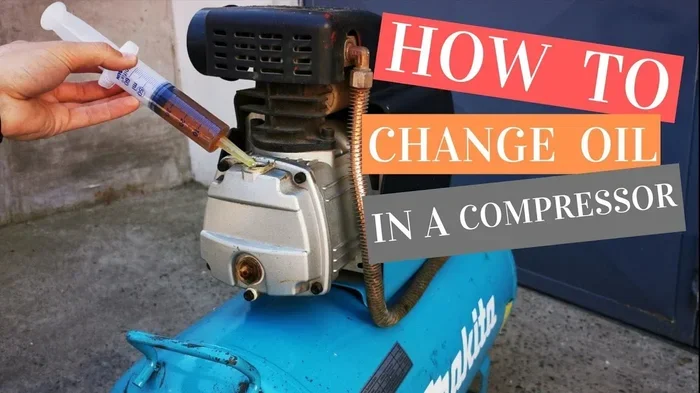
- Check the oil level: For oil-lubricated models, low oil leads to increased friction and wear. Top it up as needed.
- Tighten fittings: A loose connection causes air leaks. Use a wrench to snug up any fittings that feel loose.
- Inspect the hose: Look for cracks, holes, or wear. Replace damaged hoses immediately to maintain pressure.
These small tasks add up to big savings. Regular DIY compressor repair keeps your machine running efficiently and extends its service life.
Quick Tips for Ingersoll Rand Owners
- Keep a repair log to track issues and fixes over time.
- Stock common spare parts like filters, gaskets, and belts.
- Never exceed the recommended pressure for your specific model.
- Clean the exterior regularly to prevent dust buildup.
- Schedule a professional inspection at least once a year.
When to Call a Professional for Ingersoll Rand Compressor Repair
While DIY fixes handle many issues, some problems require expert attention. Knowing the difference saves you time, money, and potential injury.
Signs You Need Professional Help
Watch for these warning signs that point to a serious problem:
- Strange vibrations: Excessive shaking during operation often means internal parts are loose or damaged.
- Oil leaks: Oil pooling around the compressor signals a seal or gasket failure that needs professional attention.
- Tripping breakers: If your breaker trips repeatedly, the motor or wiring may have a serious fault.
- Low pressure that won’t build: A persistent pressure drop may indicate a failed pump or valve plate.
- Burning smell: This is a red flag. Shut down the machine immediately and call for Ingersoll Rand compressor repair.
Choosing the Right Repair Service
Not all repair shops are created equal. When selecting a service provider for your air compressor repair, consider these factors:
- Experience with Ingersoll Rand models: Not every technician specializes in this brand.
- Certifications and training: Look for certified compressor technicians.
- Warranty on repairs: A reputable shop stands behind their work.
- Response time: Downtime costs money. Choose a service that responds quickly.
- Customer reviews: Check online reviews and ask for references.
Taking the time to find the right repair partner pays off in the long run. A good technician will not just fix the problem, they will help you prevent it from happening again.
Ingersoll Rand Compressor Repair Costs: What to Expect
Understanding repair costs helps you budget and make informed decisions. The price of Ingersoll Rand compressor repair varies widely depending on the issue, model, and labor rates in your area.
Breakdown of Common Repair Costs
Here is a general idea of what different repairs might cost:
- Pressure switch replacement: $75 – $200 (parts and labor)
- Unloader valve repair: $50 – $150
- Air filter replacement: $20 – $60
- Belt replacement: $30 – $100
- Motor repair or replacement: $300 – $1,500+
- Pump overhaul: $400 – $1,200
- Full compressor rebuild: $1,500 – $3,000+
These are rough estimates. Your actual costs may differ based on your specific model and location. Always ask for a detailed quote before authorizing any repair work.
Is Repair or Replacement Better?
Sometimes the best decision is to replace rather than repair. Here is a simple rule of thumb:
- If repair costs exceed 50% of a new unit’s price, replacement often makes more sense.
- Older compressors (10+ years) may not be worth the investment in repairs.
- Newer models with energy-saving features can lower your operating costs long-term.
Your repair technician can help you weigh the pros and cons. They can give you an honest assessment of whether your current machine is worth fixing.
Preventive Maintenance Tips to Avoid Future Repairs
The best Ingersoll Rand compressor repair is the one you never need. A solid preventive maintenance routine keeps your machine running smoothly and avoids unexpected breakdowns.
Daily Maintenance Tasks
- Drain moisture from the tank after every use.
- Check the pressure gauge to ensure normal readings.
- Listen for unusual sounds during operation.
- Wipe down the exterior to remove dust and debris.
Weekly Maintenance Tasks
- Inspect all hoses and connections for leaks.
- Check the oil level on lubricated models.
- Clean or replace the air filter if it looks dirty.
- Inspect the compressor belt for wear or looseness.
Monthly Maintenance Tasks
- Check the unloader valve for proper function.
- Inspect the pressure switch for accurate readings.
- Clean the cooling fins and ventilation areas.
- Review your repair log for recurring issues.
Annual Professional Inspection
Even with diligent DIY upkeep, schedule a professional inspection once a year. A trained technician can spot problems you might miss. They will also perform deeper maintenance tasks like checking valve clearances and testing electrical connections.
Think of annual maintenance as a health checkup for your compressor. It catches small issues before they become expensive air compressor repair jobs. Most owners find that this single annual visit saves them hundreds of dollars in emergency repairs.
Common Mistakes to Avoid
Even the best intentions can lead to mistakes. Here are common errors to watch out for:
- Ignoring small leaks: A tiny leak wastes energy and worsens over time. Fix it early.
- Skipping oil changes: Dirty oil causes increased wear on internal components.
- Overworking the compressor: Running it beyond recommended duty cycles leads to overheating.
- Using wrong parts: Always use genuine Ingersoll Rand or manufacturer-approved compressor parts.
- Neglecting the manual: Your user manual contains model-specific guidance that is invaluable.
Avoiding these mistakes keeps your compressor healthy and your repair bills low. Prevention is always cheaper than cure.
Expert Insights: What Technicians Want You to Know
Experienced compressor technicians share a few insights that every owner should know:
- Moisture is the enemy. Regular tank draining prevents internal rust and corrosion that leads to expensive repairs.
- Temperature matters. Operating your compressor in a well-ventilated, temperature-controlled space reduces stress on all components.
- Buy quality filters. Cheap filters let contaminants through, which damages the pump and motor over time.
- Keep spare parts on hand. Having a gasket, belt, or filter ready means you can fix problems fast and avoid downtime.
- Track your compressor’s hours. Knowing how much your machine has been used helps you anticipate when parts will need replacing.
These tips come from years of hands-on experience with industrial compressor systems. Following them puts you ahead of most compressor owners.
Ingersoll Rand Compressor Repair: Frequently Asked Questions
Here are answers to the most common questions about Ingersoll Rand compressor repair that owners ask.
How often should I have my Ingersoll Rand compressor professionally serviced?
Most experts recommend a professional inspection at least once a year. However, if you use your compressor heavily or in harsh conditions, consider scheduling service every six months. Regular servicing catches small issues before they become expensive problems. It also keeps your warranty valid in many cases.
Can I repair my Ingersoll Rand compressor myself?
Yes, for simple tasks like draining the tank, replacing filters, or tightening connections. However, complex issues involving the motor, pump, or electrical systems should be left to professionals. Always refer to your model’s manual before attempting any repair. Safety should always come first.
How long does an Ingersoll Rand compressor typically last?
With proper maintenance, most Ingersoll Rand compressors last 10 to 15 years or more. Heavy-duty industrial models often last even longer. Regular upkeep, timely repairs, and sensible usage all contribute to a longer lifespan. Treating your compressor well pays off in the long run.
What is the average cost of Ingersoll Rand compressor repair?
Costs range from about $50 for simple fixes like gasket replacement to $1,500 or more for motor or pump repairs. The exact cost depends on your model, the problem, and local labor rates. Always get a detailed estimate before approving any repair work. Ask about warranty coverage on the repair itself.
How do I know if my compressor needs a new motor or just a repair?
A technician can diagnose this by testing the motor’s windings and checking for internal damage. Signs that point to motor failure include persistent overheating, burning smells, and the compressor tripping breakers. Sometimes a motor repair is enough, but severe damage may require full replacement. Your technician will give you a clear recommendation.
Does Ingersoll Rand offer warranty coverage for repairs?
Yes, many Ingersoll Rand compressors come with a manufacturer warranty that covers parts and labor for a set period. Check your warranty documentation before scheduling any repair. Some extended warranty plans are also available. Using authorized service providers often ensures your warranty remains valid.
Conclusion
Taking care of your Ingersoll Rand compressor does not have to be complicated. With the right knowledge and a proactive approach, you can handle many repairs yourself and know exactly when to call in the experts. This Ingersoll Rand compressor repair guide has given you the tools to understand your machine, troubleshoot common problems, and prevent future issues.
Remember that regular maintenance is your best investment. A few minutes of daily care and a professional inspection each year can save you thousands of dollars in repairs. Keep spare parts on hand, stay alert to unusual sounds or performance changes, and never ignore a small problem.
Your compressor works hard for you every day. It deserves the same care and attention you give to any other important piece of equipment. Apply the tips in this guide, and your air compressor repair needs will be far fewer. Keep your machine running strong, and it will keep powering your work for years to come.