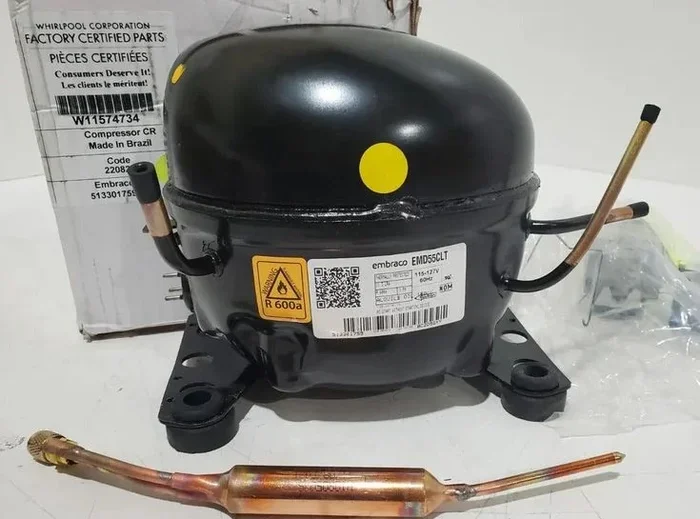
Compressor Not Working Why It Happens And How To Fix It
A compressor not working can ruin your entire workflow, whether you use it for home projects or industrial tasks. The most common causes include electrical failures, pressure switch issues, motor burnout, and clogged components. This guide walks you through every major reason your compressor might fail and gives you clear, step-by-step fixes you can do yourself. We also cover preventive maintenance tips that keep your machine running smoothly for years.
Nothing is more frustrating than stepping up to your machine and finding that your compressor not working. You flip the switch, wait for pressure to build, and… nothing happens. Maybe it makes a strange noise, trips the breaker, or just sits there silently. Whatever the symptom, a dead compressor brings work to a halt fast.
The good news? Most compressor problems have straightforward causes and even simpler fixes. You do not need to be a professional mechanic to solve many of these issues. With a little patience and the right guidance, you can get your machine back up and running in no time. Let us walk through exactly why this happens and how you can fix it.
Air compressor troubleshooting starts with understanding the basic parts of your machine. Every compressor has a motor, a pump, a tank, a pressure switch, and several valves. When any one of these components fails, the whole system stops. The key is to diagnose the problem correctly before you start tearing things apart. This guide will help you do exactly that.
Key Takeaways
- Electrical faults are the #1 culprit: Tripped breakers, bad capacitors, and faulty wiring stop compressors instantly.
- Pressure problems have simple fixes: Leaks, stuck unloader valves, and clogged filters often cause low pressure.
- Overheating kills compressors fast: Dirty coils, low oil, and blocked vents lead to thermal overload shutdowns.
- Regular maintenance prevents 80% of failures: Drain the tank, change oil, and inspect belts on a schedule.
- Know when to call a pro: Motor burnout, internal valve damage, and wiring issues need expert attention.
- Safety always comes first: Disconnect power before any repair and follow lockout/tagout procedures.
📑 Table of Contents
Why Your Compressor Is Not Working
When your compressor not working, the root cause usually falls into one of a few categories. Electrical problems, pressure issues, mechanical failures, or overheating can all lead to the same frustrating result. The trick is figuring out which category your problem belongs to. Start by listening to what your machine tells you. Does it click but not start? Does it run but never build pressure? Does it shut off after a few seconds? Each symptom points to a different fix.
Common Symptoms to Watch For
Before you dive into repairs, pay attention to what your compressor is doing (or not doing). Here are the most common signs:
- Complete silence when you flip the switch: This usually points to a power supply issue or a dead motor.
- Clicking sound but no start: A faulty capacitor or starter relay is often the cause.
- Runs but does not build pressure: Leaks, a bad check valve, or a worn pump seal could be at fault.
- Shuts off after a few minutes: Overheating or a tripped thermal overload is likely.
- Trips the breaker immediately: Electrical short, bad motor windings, or a wiring fault.
Once you identify the symptom, you can narrow down the cause quickly. This saves you time and prevents you from replacing parts you do not need.
Electrical Problems That Stop Your Compressor
Electrical issues are the most common reason a compressor not working. In fact, they account for the majority of compressor repair calls. The good thing is that most electrical problems are easy to diagnose and fix with basic tools. Always unplug your machine before you open any panel or touch any wiring. Safety comes first, every single time.
Tripping Breaker Issues
If your compressor tripping breaker the moment you turn it on, do not just keep resetting it. That is your machine telling you something is wrong. The most common cause is a short circuit in the motor windings. Over time, heat and moisture break down the insulation inside the motor. This causes the wires to touch each other or the motor housing, which draws too much current and trips the breaker.
Another frequent cause is a grounded wire somewhere in the power cord or internal wiring. Check the cord for visible damage first. If the cord looks fine, the problem is likely inside the motor or the control board. A multimeter can help you test for continuity and ground faults. If you are not comfortable with electrical testing, it is perfectly fine to call a technician for this repair.
Faulty Capacitor
The start capacitor gives your motor the extra kick it needs to begin running. When this small but important part fails, your compressor will click but never start. A bad run capacitor causes similar problems, especially with compressors that struggle to reach full speed.
Testing a capacitor is simple with a multimeter set to the capacitance setting. Compare the reading to the rating printed on the capacitor. If the value is far off or reads zero, the capacitor is dead and needs replacement. Always disconnect power and discharge the capacitor before you remove it. These parts are cheap and easy to swap out, making this one of the most satisfying DIY fixes you can do.
Power Supply Failures
Sometimes the problem is not your compressor at all. It is the power supply. Check the outlet first. Use a different appliance in the same outlet to confirm it is working. A loose outlet, a tripped GFCI, or a damaged extension cord can all mimic compressor failure. Never run a compressor through an extension cord unless it is rated for the amperage and the cord is short and heavy gauge.
Also check your home breaker panel. A partially tripped breaker or a loose wire connection in the panel can cause intermittent power loss. These small issues are easy to overlook but can be the reason your compressor not working even though everything else looks fine.
Pressure and Airflow Issues
When your compressor runs but does not build pressure, the problem is in the air system. This is a very common scenario and usually easier to fix than electrical issues. Air leaks, stuck valves, and clogged filters all prevent your machine from reaching the right pressure level.
Compressor Not Building Pressure
If your compressor runs constantly but never reaches the cut-out pressure, air is escaping somewhere it should not be. Start by checking all the fittings, connectors, and hoses for leaks. A simple soapy water test works great for this. Mix dish soap with water in a spray bottle and spray it on every connection while the compressor runs. Bubbles will form at any leak point, making it easy to spot.
The pressure switch is another common culprit. This small device controls when the motor starts and stops based on tank pressure. If the contacts inside the switch are worn or corroded, the switch may not send power to the motor correctly. Cleaning the contacts or replacing the pressure switch often solves this problem quickly.
Check Valve and Unloader Valve Problems
The check valve sits between the pump and the tank. Its job is to prevent air from flowing back into the pump when the motor stops. When the check valve fails, air leaks back, and the compressor has to rebuild pressure every time you need it. You will hear the motor running constantly but the pressure gauge dropping.
The unloader valve releases trapped air when the motor stops. If this valve gets stuck or clogged, it can prevent the compressor from starting under load. A stuck unloader valve also causes the motor to draw too much current, which can trip breakers or damage the capacitor over time. Cleaning or replacing these small valves is a quick fix that many people overlook.
Clogged Air Filter and Regulator
A dirty air filter restricts airflow and forces your compressor to work harder. Over time, dust and debris build up and choke the intake. Check your filter regularly and clean or replace it when it looks dirty. A clogged regulator can also limit airflow and make it seem like your compressor is not working properly, even when the motor and pump are fine.
Mechanical Failures in Your Compressor
Not all compressor problems are electrical or air-related. Mechanical wear and tear on internal parts can also cause your machine to fail. These issues require a bit more hands-on work, but many of them are still DIY-friendly with basic tools.
Motor Burnout
A burned-out motor is one of the most serious compressor repair issues. It happens when the motor overheats repeatedly or runs under too much load for too long. Signs of motor burnout include a burning smell, strange noises, and the motor not starting even with a good capacitor and power supply.
To check for motor burnout, use a multimeter to test the resistance between each motor winding and the ground. If you read zero resistance or very low resistance to ground, the motor windings are shorted and the motor needs replacement. In some cases, you can rewind the motor, but for most users, replacing the motor or the entire unit is more practical.
Belt and Pump Issues
If your compressor uses a belt-driven system, a worn or broken belt will prevent the pump from running. Check the belt for cracks, fraying, or stretching. A loose belt will also slip and cause the pump to turn slowly, which means your compressor will not build pressure properly. Replacing a belt is one of the easiest and cheapest repairs you can do.
The pump itself can also wear out over time. Worn piston rings, damaged valve plates, or scored cylinder walls all lead to poor compression and low pressure. Pump repairs require more advanced mechanical skills and specialized parts. If you are not comfortable with this type of repair, a professional compressor repair service can handle it efficiently.
Low Oil Level
Oil-lubricated compressors need the right oil level to run smoothly. Low oil causes increased friction, overheating, and eventually mechanical failure. Check the oil level before every use and top it off with the type of oil recommended by the manufacturer. Never run an oil-lubricated compressor without sufficient oil, even for a short time.
Overheating and Thermal Problems
Overheating is one of the most common reasons a compressor shuts down unexpectedly. When the thermal overload trips, it cuts power to protect the motor. If your compressor keeps shutting off after a few minutes of running, overheating is almost certainly the cause.
Several factors lead to compressor overheating. Dirty cooling fins block airflow and trap heat around the motor. Clogged intake filters starve the motor of cool air. Low oil levels increase friction and generate excess heat. Ambient temperature also plays a role. Running your compressor in a hot garage or enclosed space makes overheating much more likely.
To prevent overheating, keep your machine clean and well-ventilated. Blow out the cooling fins and motor housing regularly with compressed air. Check the oil level before each use. Make sure the intake filter is clean and unobstructed. If your compressor keeps overheating despite these steps, the motor may be failing and need professional inspection.
Preventive Maintenance Tips
The best way to deal with a compressor not working is to prevent the problem before it starts. Regular maintenance keeps your machine running efficiently and extends its lifespan significantly. Most maintenance tasks take just a few minutes and can be done with basic tools.
- Drain the tank after every use: Moisture builds up inside the tank and causes rust and corrosion. Open the drain valve at the bottom of the tank after each session to release trapped water.
- Check oil levels regularly: For oil-lubricated models, inspect the oil before each use and change it according to the manufacturer’s schedule.
- Inspect hoses and fittings: Look for cracks, leaks, and loose connections. Replace damaged hoses immediately to prevent air loss and pressure drops.
- Clean the air filter: A clean filter ensures proper airflow and prevents dust from entering the pump. Clean or replace it based on how often you use the compressor.
- Tighten bolts and fittings: Vibration from regular use can loosen bolts over time. Check all fittings and connections periodically and tighten as needed.
- Store the compressor properly: Keep it in a dry, clean area away from extreme temperatures and moisture. Cover it when not in use to prevent dust buildup.
Following a simple maintenance schedule takes very little time but pays off big time. You will experience fewer breakdowns, lower repair costs, and better performance from your machine.
When to Call a Professional
Many compressor problems can be fixed with basic tools and a little know-how. But some issues are beyond DIY repair and need professional attention. If you have checked the power supply, capacitor, pressure switch, and all air connections, and your compressor still will not work, it is time to call in an expert.
Motor burnout, internal pump damage, and complex electrical faults should be handled by a qualified compressor repair technician. Attempting these repairs without the right skills and tools can be dangerous and may cause further damage. A professional can diagnose the problem accurately and get your machine back to full working condition quickly.
Also consider the age of your compressor. If your unit is old and has had multiple repairs, it may be more cost-effective to replace it with a new model. Modern compressors are more energy-efficient and reliable than older units, so upgrading can save you money in the long run.
Conclusion
A compressor not working does not have to mean a long day off from your projects. Most problems come down to a handful of common causes, and the fixes are often simpler than you think. Whether it is a tripped breaker, a bad capacitor, a clogged filter, or a stuck valve, you now have the knowledge to diagnose and fix the issue yourself. Start with the simple checks, work your way through the list, and you will be back to using your compressor in no time. Regular maintenance keeps all of these problems from happening in the first place, so make it a habit to care for your machine. Your compressor will thank you with years of reliable performance.
Frequently Asked Questions
Why is my compressor not starting at all?
The most common reason is an electrical issue such as a tripped breaker, a bad capacitor, or a faulty pressure switch. Check the power supply first, then test the capacitor with a multimeter. If both are fine, the pressure switch or motor may need inspection.
How do I know if my compressor capacitor is bad?
Signs of a bad capacitor include a clicking sound when you turn on the machine, the motor struggling to start, or the compressor not starting at all. Test the capacitor with a multimeter set to capacitance mode and compare the reading to the rated value on the capacitor.
Can low oil cause a compressor to stop working?
Yes, absolutely. Oil-lubricated compressors need the right oil level to run properly. Low oil increases friction, causes overheating, and can trigger the thermal overload switch, shutting the machine down completely.
How often should I drain my compressor tank?
You should drain the tank after every use. Moisture from compressed air collects at the bottom of the tank and can cause rust, corrosion, and pressure problems if not removed regularly.
What causes my compressor to keep tripping the breaker?
Short circuits in the motor windings, grounded wires, or a failing motor are the most common causes. Check the power cord for damage first, then test the motor windings with a multimeter. If the breaker trips immediately, do not keep resetting it or you risk damaging the motor further.
Is it worth repairing an old compressor or should I replace it?
If the repair cost is less than half the price of a new unit and the compressor is relatively modern, repair makes sense. But if the unit is old, has had multiple repairs, or needs a motor or pump replacement, replacing it with a new, energy-efficient model is often the better choice.