Air Compressor Motor Parts Everything You Need to Know
Air compressor motor parts are the heart of any compressed air system. Understanding these components helps you troubleshoot problems, perform repairs, and extend the life of your equipment. Whether you own a Dewalt air compressor or a smaller household unit, knowing your motor parts saves time and money.
Key Takeaways
- Know your motor type: Single-phase and three-phase motors are the two main categories used in air compressors.
- Key parts include the stator, rotor, bearings, and capacitor: Each plays a vital role in motor operation.
- Regular maintenance prevents costly repairs: Checking oil levels and replacing filters keeps motors healthy.
- Common motor problems are often easy to fix: Issues like overheating or failure to start usually have simple solutions.
- Replacement parts are widely available: You can find OEM and aftermarket motor parts at specialized stores and online retailers.
- Safety always comes first: Disconnect power and follow proper procedures before working on any motor component.
📑 Table of Contents
- Air Compressor Motor Parts A Complete Guide for Owners
- How an Air Compressor Motor Works
- Essential Air Compressor Motor Parts and Their Functions
- Common Air Compressor Motor Problems and Solutions
- How to Maintain Your Air Compressor Motor Parts
- Where to Find Quality Air Compressor Motor Parts
- Choosing the Right Motor Parts for Your Compressor
- Key Takeaways
- Conclusion
Air Compressor Motor Parts A Complete Guide for Owners
Every air compressor depends on its motor to do the heavy lifting. Without a working motor, your compressor is just a big metal box taking up space. Whether you use your air compressor at home in the garage or at a busy job site, understanding the motor parts inside it gives you a huge advantage.
So what exactly are air compressor motor parts? They include everything from the outer housing to the tiny internal components that spin, generate, and transfer power. Over time, these parts wear out. They get dirty. They fail. And when they do, your whole system stops working.
The good news? Most motor issues are fixable. You do not need to be a professional mechanic to understand what is going on inside your compressor motor. With a little knowledge and the right tools, you can diagnose problems, replace worn parts, and keep your machine running for years.
In this guide, we break down every major motor component. We explain what each part does, how it fails, and what you can do about it. By the end, you will feel confident tackling basic motor repairs yourself.
Why Understanding Motor Parts Matters
Think of your air compressor motor like the engine in your car. If you ignore warning signs, small problems become big expenses. But if you pay attention and act early, you save hundreds of dollars. Knowing the names and functions of motor parts also helps you communicate better with repair technicians. You will not feel lost when someone starts talking about stators or capacitors.
How an Air Compressor Motor Works
Before diving into individual parts, let us understand the basics. An air compressor motor converts electrical energy into mechanical energy. That mechanical energy drives the pump, which compresses air and stores it in the tank.
Most home and workshop compressors use single-phase motors. These run on standard household electricity. Larger industrial units often use three-phase motors, which require special electrical setups. Both types share many of the same internal parts, though they differ in size and power output.
The motor starts when you flip the switch. Electrical current flows through the windings, creating a magnetic field. That magnetic field pushes the rotor, which spins the pump shaft. The unloader valve releases pressure during startup, making it easier for the motor to begin turning. Once the tank reaches the cut-out pressure, the motor stops automatically.
Key Components Inside the Motor
Every air compressor motor contains several essential components working together. The stator stays stationary and houses the windings. The rotor spins inside the stator, creating rotation. Bearings support the rotor and allow smooth movement. The capacitor provides a burst of energy to start the motor. And the thermal overload protector shuts everything down if the motor gets too hot.
Essential Air Compressor Motor Parts and Their Functions
Now let us look at each major motor part in detail. Understanding what each piece does makes troubleshooting much easier.
The Stator
The stator is the stationary part of the motor. It sits outside the rotor and contains the wire windings. When electricity flows through these windings, they create a rotating magnetic field. That field is what makes the rotor spin.
Stator problems usually show up as overheating or failure to start. Over time, the insulation on the windings can break down. This causes short circuits. If your motor smells burned or buzzes but does not start, the stator might be the culprit.
The Rotor
The rotor is the spinning part inside the motor. It sits inside the stator and turns with the help of the magnetic field created by the windings. The rotor connects to the pump shaft, transferring rotational energy to compress air.
Rotor issues often come from worn bearings or physical damage. A bent rotor causes vibration and uneven wear. If you notice excessive shaking or noise from your motor, check the rotor and bearings first.
Motor Bearings
Bearings are small but incredibly important. They reduce friction between the moving parts of the motor. Without proper bearings, the rotor would grind against the stator, causing damage and heat.
Most compressor motors use ball bearings or sleeve bearings. Ball bearings last longer and handle higher speeds. Sleeve bearings are simpler and more common in smaller motors. You should lubricate bearings regularly. Check your owner’s manual for the right lubricant type. Dirty or dry bearings are one of the top reasons motors fail early.
The Capacitor
The capacitor stores electrical energy and releases it to help start the motor. Without it, your compressor would not kick on. Capacors are especially important in single-phase motors, which need that extra boost to get moving.
A failing capacitor causes the motor to hum but not start. You might also notice the motor takes longer than usual to reach full speed. Capacitors wear out over time, especially in hot environments. If your motor struggles to start, the capacitor is a great place to check first.
The Thermal Overload Protector
This is a safety device built into the motor. It monitors the temperature and shuts off power if the motor overheats. The thermal overload protector prevents fires and permanent motor damage.
If your compressor keeps shutting off unexpectedly, the thermal overload might be tripping too soon. This can happen if the motor is overloaded, poorly ventilated, or running on low voltage. Always let the motor cool down before restarting. Frequent tripping means something deeper is going on.
The Motor Housing
The motor housing is the outer shell that protects all the internal parts. It keeps dust, moisture, and debris out. It also helps with cooling by allowing airflow around the motor.
A damaged housing exposes sensitive internal parts to the elements. If you notice cracks or holes in the housing, repair or replace it right away. Keeping the housing intact is one of the simplest ways to extend motor life.
Common Air Compressor Motor Problems and Solutions
Motor problems happen to everyone. The key is catching them early before they cause bigger damage. Here are the most common issues and what you can do about them.
Motor Won’t Start
This is the most frustrating problem. You flip the switch and nothing happens. Several things could cause this. A dead capacitor is the most common reason. The motor starter relay could also be faulty. Check your power supply first. Make sure the outlet is working and the circuit breaker has not tripped.
If power is fine, inspect the capacitor. It should look smooth and firm. A bulging or leaking capacitor needs replacement. You can find replacement capacitors at any air compressor parts store. The air compressor pressure switch could also be malfunctioning, preventing power from reaching the motor. Test the switch with a multimeter to confirm.
Motor Overheats
Overheating is a serious issue. It shortens motor life and can cause complete failure. Several factors contribute to overheating. Low oil levels are a common cause. Always check your air compressor oil level before running the machine for extended periods.
Blocked ventilation is another major factor. Clean the motor cooling vents regularly. Dust and debris build up fast, especially in workshop environments. If your motor has a fan blade, make sure it spins freely and is not damaged.
Motor Runs Continuously
A healthy compressor motor cycles on and off as the tank pressure changes. If your motor runs nonstop, the pressure switch might be stuck. The air compressor pressure switch 220V models can develop sticking contacts over time. A faulty unloader valve can also cause this problem.
Running continuously burns out the motor fast. Address this issue immediately. Replace the pressure switch or unloader valve as needed. Regular maintenance prevents these problems from developing in the first place.
Unusual Noises from the Motor
Grinding, squealing, or banging sounds are never good. They usually point to worn bearings or loose internal parts. Bearings need lubrication or replacement when they make noise. Loose fan blades or a misaligned rotor also cause rattling sounds.
Do not ignore unusual noises. They are early warning signs. Catching bearing wear early saves you from a complete motor replacement. Keep a can of appropriate lubricant handy and schedule regular bearing checks.
How to Maintain Your Air Compressor Motor Parts
Prevention is always better than repair. A solid maintenance routine keeps your motor parts working smoothly and extends the overall life of your compressor.
Regular Oil Checks and Changes
Oil-lubricated motors need regular oil changes. Old oil loses its lubricating properties. It becomes gritty and can damage internal parts. Change the oil every 500 hours of operation or at least once a year, whichever comes first. Use the oil type recommended by your compressor manufacturer.
Air Filter Maintenance
The air compressor oil filter and intake filter both play important roles. A clogged oil filter restricts flow and causes the motor to work harder. Replace the oil filter according to the manufacturer’s schedule. Clean or replace the intake filter monthly if you use your compressor frequently.
Inspect Electrical Connections
Loose or corroded electrical connections cause voltage drops and overheating. Check all wiring and connections every few months. Tighten any loose terminals and clean any corrosion with a wire brush. Proper electrical connections reduce motor strain and prevent premature failure.
Drain the Tank Regularly
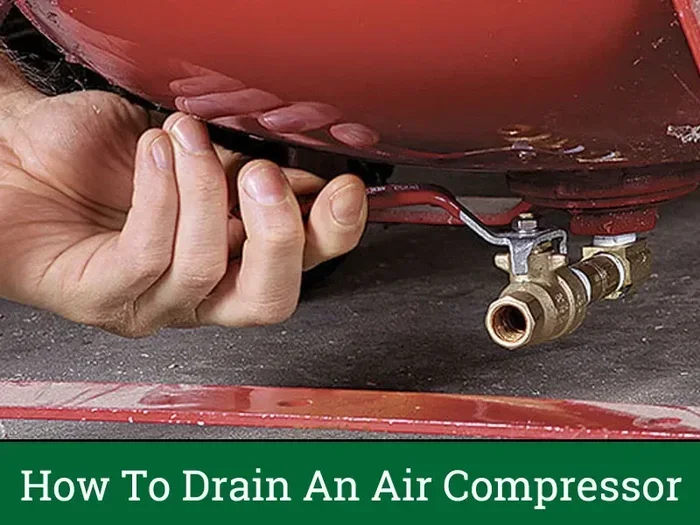
Moisture builds up inside the air tank over time. This moisture can corrode internal components and affect motor performance. Drain the tank after every use or at least once a week. This simple habit prevents moisture-related damage to your entire system.
Keep the Motor Clean
Dust and debris accumulate on the motor housing and cooling vents. Use compressed air to blow out any buildup. Keep the area around the compressor clean and well-ventilated. A clean motor runs cooler and lasts longer.
Where to Find Quality Air Compressor Motor Parts
When a motor part fails, you need a replacement fast. Several options are available for finding the right parts for your compressor.
Manufacturer dealers carry OEM parts that match your exact model. These parts come with warranties and guaranteed compatibility. If you own a Dewalt air compressor, for example, you can order genuine Dewalt motor parts directly from their website or authorized dealers.
Aftermarket parts offer a budget-friendly alternative. Many aftermarket components work just as well as OEM parts at a lower price. Just make sure the specifications match your motor. Check the voltage, horsepower, and shaft size before ordering any replacement part.
Specialized online retailers and local repair shops also carry a wide selection of motor parts. If you are unsure which part you need, bring your compressor model number to a knowledgeable parts store. The staff can help you find the exact match.
Signs You Need Professional Motor Repair
Some motor problems are beyond a DIY fix. If the stator windings are burned out, you need professional rewinding or a full motor replacement. Similarly, if the rotor is severely damaged, the cost of repair often exceeds the cost of a new motor.
A reputable air compressor repair shop can assess the damage and give you an honest recommendation. Sometimes replacing the entire motor is the most cost-effective solution. Other times, a simple part swap gets you back up and running.
Choosing the Right Motor Parts for Your Compressor
Not all motor parts are created equal. When shopping for replacements, keep these factors in mind.
- Compatibility: Always match the part to your specific compressor model. Check the owner’s manual or the part number on the existing component.
- Quality: OEM parts offer the best reliability. Aftermarket parts can work well too, but choose reputable brands.
- Warranty: Look for parts that come with a warranty. This protects you in case of defects or early failure.
- Price: Compare prices across multiple sellers. But remember, the cheapest option is not always the best value.
- Availability: Stock up on commonly worn parts like bearings and capacitors. Having spares on hand saves downtime when a part fails unexpectedly.
Key Takeaways
- Know your motor type: Single-phase and three-phase motors are the two main categories used in air compressors.
- Key parts include the stator, rotor, bearings, and capacitor: Each plays a vital role in motor operation.
- Regular maintenance prevents costly repairs: Checking oil levels and replacing filters keeps motors healthy.
- Common motor problems are often easy to fix: Issues like overheating or failure to start usually have simple solutions.
- Replacement parts are widely available: You can find OEM and aftermarket motor parts at specialized stores and online retailers.
- Safety always comes first: Disconnect power and follow proper procedures before working on any motor component.
Conclusion
Air compressor motor parts are the backbone of every compressed air system. From the stator and rotor to the tiny capacitor and thermal overload protector, each part plays a role in keeping your compressor running. Understanding these components empowers you to troubleshoot problems, perform basic repairs, and make smarter purchasing decisions.
Regular maintenance goes a long way. Check your oil, clean your filters, and inspect your bearings on a routine schedule. These simple habits prevent most common motor problems before they start. And when a part does fail, knowing exactly what you need saves time and money.
Whether you are a weekend warrior working in the garage or a professional running a busy shop, taking care of your air compressor motor pays off. Your compressor works harder for you when you give it the attention it deserves. So grab your owner’s manual, stock up on essential spare parts, and keep that motor humming.
For more information on compressor components, explore our air compressor parts store and find the right parts for your machine today.
Frequently Asked Questions
What are the main air compressor motor parts I should know about?
The main motor parts include the stator, rotor, bearings, capacitor, thermal overload protector, and motor housing. Each part serves a specific function in converting electrical energy into mechanical power. Knowing these parts helps you troubleshoot issues and perform basic maintenance.
How often should I replace my air compressor motor parts?
Most motor parts do not need regular replacement. Bearings may need lubrication every few months and replacement every few years. Capacitors typically last 5 to 10 years before failing. Oil filters and air filters should be replaced on a schedule recommended by your compressor manufacturer.
Can I replace motor parts myself or should I hire a professional?
Many motor parts are easy to replace with basic tools and some DIY knowledge. Capacitors, filters, and bearings are straightforward swaps. However, if you are dealing with stator windings or internal rotor damage, it is best to consult a professional repair shop for safety and quality assurance.
Why does my air compressor motor keep shutting off?
A motor that keeps shutting off is often caused by a tripped thermal overload protector. This happens when the motor overheats due to low oil, blocked ventilation, or electrical issues. Check your oil level, clean the motor vents, and inspect the pressure switch to diagnose the problem.
What should I look for when buying replacement motor parts?
Always match the part to your specific compressor model. Check the voltage, horsepower, and shaft specifications. Choose OEM parts for guaranteed compatibility or quality aftermarket brands. A warranty is a good sign that the manufacturer stands behind their product.
How can I extend the life of my air compressor motor?
Regular maintenance is the key. Check and change the oil on schedule, clean or replace filters, lubricate bearings, and keep the motor housing clean. Drain the tank after each use to prevent moisture damage. Avoid running the motor continuously and give it time to cool down between uses.