Ac Compressor Mounting Bolts Size Guide For Beginners
Choosing the right ac compressor mounting bolts size is essential for a secure, vibration-free fit. Using the wrong bolts can cause rattling, leaks, or even compressor failure. This guide walks you through every bolt dimension, torque spec, and installation tip you need to know as a beginner.
If you have ever worked on a car air conditioning system, you know that every small part matters. One part that often gets overlooked is the ac compressor mounting bolts size. These bolts might look simple, but they play a huge role in keeping your compressor stable and functioning properly.
Whether you are replacing an old compressor or just doing routine maintenance, knowing the correct bolt size is essential. The wrong bolts can cause excessive vibration, misalignment, and even compressor failure. In this guide, we will break down everything you need to know about ac compressor mounting bolts size in plain, easy-to-understand language.
This article covers bolt dimensions, torque specifications, common mistakes, and step-by-step replacement tips. By the end, you will feel confident tackling this job yourself. Let us get started.
Key Takeaways
- Correct bolt size matters: Using the wrong ac compressor mounting bolts size can lead to serious damage and costly repairs.
- Torque specs are critical: Over-tightening or under-tightening bolts causes vibration, leaks, and premature wear.
- Bolt patterns vary by vehicle: Always check your specific vehicle make and model before purchasing replacement bolts.
- Hardware kits are available: Many ac compressor parts come with complete mounting bolt kits for easy installation.
- Inspect old bolts before removal: Understanding what condition your old bolts are in helps you choose the right replacements.
- Vibration dampeners help: Adding rubber isolators with your mounting bolts reduces noise and extends compressor life.
📑 Table of Contents
- What Are Ac Compressor Mounting Bolts?
- Common Ac Compressor Mounting Bolt Sizes
- How to Measure Your Ac Compressor Mounting Bolts
- Torque Specifications for Ac Compressor Mounting Bolts
- Replacing Ac Compressor Mounting Bolts
- Common Mistakes When Choosing Ac Compressor Mounting Bolts
- Where to Buy the Right Ac Compressor Mounting Bolts
- How Ac Compressor Mounting Bolts Affect System Performance
- Conclusion
What Are Ac Compressor Mounting Bolts?
Ac compressor mounting bolts are the hardware that secures the compressor to its bracket or engine mount. They hold the compressor firmly in place while it vibrates and operates under pressure. Without the right bolts, the compressor can shift, rattle, and eventually fail.
These bolts are not just standard nuts and bolts you find at any hardware store. They are specifically designed to handle the unique demands of ac compressor operation. The ac compressor mounting bolts size varies depending on the vehicle make, model, and compressor type.
The compressor is a core part of your car’s air conditioning ac compressor function system. It pressurizes refrigerant and circulates it through the system. If the compressor is not mounted securely, the entire cooling system suffers.
Why Bolt Size Matters
Using the wrong bolt size creates a chain of problems. Bolts that are too short will not grip properly. Bolts that are too long can interfere with other components. Even the thread pitch matters a great deal. Here are the main reasons why getting the ac compressor mounting bolts size right matters:
- Secure mounting: Proper bolts keep the compressor from shifting during driving.
- Vibration control: Correctly sized bolts absorb engine vibration and reduce noise.
- Prevents leaks: A stable compressor maintains proper seals in the refrigerant lines.
- Safety: A loose compressor can damage belts, hoses, and nearby engine parts.
- Longevity: The right bolts help your compressor last longer and perform better.
Common Ac Compressor Mounting Bolt Sizes
The ac compressor mounting bolts size is not one-size-fits-all. Different vehicles use different bolt dimensions. However, there are some common sizes that appear frequently across many car models. Let us look at the most typical sizes you will encounter.
Standard Bolt Sizes by Vehicle Type
Most passenger vehicles use bolts in the range of 10mm to 15mm in diameter. Here is a general breakdown:
- 10mm bolts: Common in smaller sedans and compact cars. These are often used for lighter compressor units.
- 12mm bolts: The most common size across a wide range of vehicles. Many popular car models use this size.
- 13mm bolts: Found in mid-size sedans and some trucks.
- 15mm bolts: Typically used in larger trucks, SUVs, and heavy-duty vehicles with bigger compressors.
Always double-check your vehicle’s service manual before purchasing replacement bolts. The ac compressor mounting bolts size can vary even between similar models from the same manufacturer.
Bolt Length and Thread Pitch
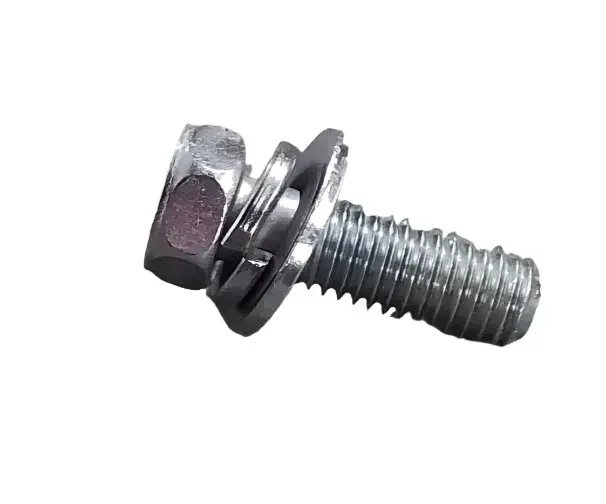
Bolt length is just as important as diameter. Most ac compressor mounting bolts range from 20mm to 40mm in length. The thread pitch (the spacing between threads) also matters. Common thread pitches include M10x1.25, M12x1.5, and M12x1.75. Using a bolt with the wrong thread pitch means it will not thread in properly, which can strip the hole or damage the bracket.
When in doubt, take your old bolts to an auto parts store and compare them. This is the easiest way to ensure you get the exact ac compressor mounting bolts size for your vehicle.
How to Measure Your Ac Compressor Mounting Bolts
Measuring your bolts correctly is a simple process that anyone can do. You do not need to be a professional mechanic to get accurate measurements. Here is how to do it step by step.
Step-by-Step Measurement Process
- Remove the old bolts carefully. Use the correct wrench size to avoid rounding off the bolt heads.
- Measure the diameter. Use a ruler or caliper to measure the outer diameter of the bolt shaft. Measure in millimeters for the most accurate results.
- Measure the length. Measure from the bottom of the bolt head to the tip of the thread. Do not include the head height.
- Count the threads. Use a thread gauge to determine the thread pitch. This tells you how many threads fit within a certain distance.
- Check the bolt head type. Note whether the bolt uses a hex head, socket head, or other head style. This affects which tools you need for installation.
Once you have these measurements, you can confidently order replacement bolts with the correct ac compressor mounting bolts size. Writing down the measurements before you go to the store saves time and prevents mistakes.
Tools You Will Need for Measurement
- Digital caliper: Gives you precise diameter and length measurements.
- Thread gauge set: Helps identify the correct thread pitch quickly.
- Ruler or tape measure: A basic backup for quick measurements.
- Socket set: Needed for removing and installing the bolts properly.
Torque Specifications for Ac Compressor Mounting Bolts
Getting the right ac compressor mounting bolts size is only half the battle. You also need to tighten them to the correct torque specification. Torque is the amount of rotational force you apply to the bolt. Too little torque and the bolt will loosen over time. Too much torque and you risk stripping the thread or cracking the mounting bracket.
Typical Torque Values
Most ac compressor mounting bolts require between 20 and 40 foot-pounds of torque. However, this varies by vehicle and compressor model. Always refer to your vehicle’s service manual for the exact torque value. Here are some general guidelines:
- Small sedans: Usually 20 to 25 foot-pounds.
- Mid-size vehicles: Typically 25 to 35 foot-pounds.
- Trucks and SUVs: Often 30 to 40 foot-pounds or more.
Using a torque wrench is the best way to ensure you apply the correct amount of force. Do not guess or eyeball it. Over-tightening is one of the most common mistakes people make when installing ac compressor mounting bolts size hardware.
Why Over-Tightening Is Dangerous
Over-tightening bolts can cause serious damage. The mounting bracket can crack, the bolt can snap, and the compressor can become misaligned. Once the compressor is misaligned, the belts wear unevenly, and refrigerant lines can develop leaks. Always use a torque wrench and follow the manufacturer’s specifications to the letter.
Replacing Ac Compressor Mounting Bolts
Replacing your ac compressor mounting bolts is a straightforward job if you follow the right steps. Whether you are doing a full compressor replacement or just swapping out worn bolts, the process is similar. Many people search for how to replace ac compressor in car guides, and bolt replacement is a key part of that process.
Tools Required for Bolt Replacement
- Socket set (metric and standard)
- Torque wrench
- Ratchet and extension
- Penetrating oil (for stuck bolts)
- New mounting bolts and any rubber isolators
- Safety glasses and gloves
Step-by-Step Replacement Guide
Follow these steps to replace your ac compressor mounting bolts safely and effectively:
- Disconnect the battery. Always start by disconnecting the negative battery terminal. This prevents any accidental electrical shorts while you work.
- Release system pressure. If you are working on an active ac system, allow the refrigerant to settle. Never open refrigerant lines without proper recovery equipment.
- Remove the compressor belt. Loosen the belt tensioner and slide the belt off the compressor pulley. This gives you better access to the mounting bolts.
- Apply penetrating oil. If the old bolts are rusted or seized, spray them with penetrating oil and let them sit for 10 to 15 minutes.
- Remove the old bolts. Use the correct socket size and carefully loosen each bolt. Work in a crisscross pattern to avoid warping the bracket.
- Inspect the mounting bracket. Check for cracks, corrosion, or damage. Replace the bracket if you notice any structural issues.
- Install new bolts. Thread each new bolt in by hand first to avoid cross-threading. Then use your torque wrench to tighten to the manufacturer’s specification.
- Reinstall the belt and reconnect the battery. Put the serpentine belt back on and reconnect the battery terminal.
- Test the system. Start the car and turn on the ac. Listen for any unusual noises and check for proper cooling.
Following these steps ensures a clean, professional-quality bolt replacement. The correct ac compressor mounting bolts size combined with proper torque will keep your compressor running smoothly for years to come.
Quick Tips for Bolt Replacement
Here are some quick tips that experienced mechanics swear by:
- Replace all bolts at once. Even if only one looks damaged, the others may be close to failing too.
- Use rubber isolators. These small rubber pieces sit between the bolt and bracket. They absorb vibration and reduce noise significantly.
- Apply anti-seize compound. A thin layer of anti-seize on the bolt threads makes future removal much easier.
- Label your bolts. If you are working on a compressor with multiple bolts of different sizes, label them as you remove them to avoid confusion during reinstallation.
Common Mistakes When Choosing Ac Compressor Mounting Bolts
Even experienced DIYers make mistakes when selecting mounting bolts. Avoid these common errors to save time, money, and frustration.
Mistake 1: Guessing the Bolt Size
The biggest mistake is guessing the ac compressor mounting bolts size instead of measuring. Every vehicle is different, and even similar models can use different bolt sizes. Always measure your existing bolts or consult the service manual.
Mistake 2: Ignoring Bolt Material
Not all bolts are created equal. Standard steel bolts can corrode over time, especially in humid climates. Stainless steel or coated bolts last much longer and resist rust better. When replacing your compressor bolts, consider upgrading to a more durable material.
Mistake 3: Skipping the Torque Wrench
Many people tighten bolts by feel. This is a recipe for disaster. Without a torque wrench, you cannot know if you are applying the right amount of force. Invest in a basic torque wrench. It is one of the most important tools for any ac compressor work.
Mistake 4: Reusing Old Bolts
Reusing old bolts seems like a good way to save time, but it is not worth the risk. Old bolts can be stretched, corroded, or weakened. Always install fresh bolts when replacing or servicing your ac compressor. This is especially important if you are also doing a full ac compressor replacement job.
Where to Buy the Right Ac Compressor Mounting Bolts
Finding the correct ac compressor mounting bolts size is easier than you might think. Here are the best places to look:
- Auto parts stores: Stores like AutoZone and O’Reilly Auto Parts carry a wide selection of ac compressor mounting hardware.
- Online retailers: Websites like Amazon and RockAuto offer competitive prices and detailed compatibility charts.
- Dealer parts departments: For the most accurate fit, your dealership can order OEM bolts specific to your vehicle.
- Ac compressor parts kits: Many ac compressor parts kits include all the mounting hardware you need. These kits are a great value and ensure you get everything in one purchase.
Before you buy, make sure the kit or individual bolts match your vehicle’s specifications. Check the diameter, length, thread pitch, and head style against your measurements.
How Ac Compressor Mounting Bolts Affect System Performance
You might wonder how a simple bolt affects the performance of your entire air conditioning system. The answer is more significant than you might think. The ac compressor mounting bolts size directly influences how stable and efficient your compressor operates.
A loose or improperly sized bolt allows the compressor to vibrate excessively. This vibration transfers to the refrigerant lines, which can cause fittings to loosen over time. Loose fittings lead to refrigerant leaks, and refrigerant leaks cause the system to lose cooling capacity.
Additionally, excessive vibration puts extra stress on the compressor clutch and electrical connections. This can lead to premature wear on the clutch and even cause the compressor to stop running altogether. If you are dealing with an ac compressor not running issue, checking the mounting bolts should be on your list of things to inspect.
In short, the mounting bolts are the foundation of your ac compressor’s operation. Get the right ac compressor mounting bolts size, torque them correctly, and your compressor will reward you with years of reliable cooling performance.
Signs Your Mounting Bolts Need Attention
How do you know if your mounting bolts are causing problems? Watch for these warning signs:
- Rattling or knocking noises coming from the compressor area while the engine is running.
- Visible movement of the compressor when you gently try to wiggle it by hand.
- Unusual vibration felt through the steering wheel or vehicle chassis.
- Cooling performance drops even when the ac system has sufficient refrigerant.
- Worn or cracked belts that seem to deteriorate faster than normal.
If you notice any of these symptoms, inspect your mounting bolts right away. Replacing worn bolts is a quick and inexpensive fix that can prevent much bigger problems down the road.
Conclusion
Getting the ac compressor mounting bolts size right is one of the simplest yet most important things you can do for your air conditioning system. These small bolts hold your compressor in place, absorb vibration, and keep the entire system running smoothly. Whether you are replacing a worn compressor, doing routine maintenance, or just learning more about your vehicle, understanding bolt sizes and torque specs puts you ahead of the game.
Remember to always measure your bolts carefully, use a torque wrench, and never reuse old hardware. Take advantage of the many ac compressor parts kits available that include everything you need for a successful installation. With the right tools, the right bolts, and a little patience, you can keep your ac compressor running strong for many miles to come.
Now that you have all the information you need, you are ready to tackle your next ac compressor project with confidence. Happy wrenching.
Frequently Asked Questions
What is the standard ac compressor mounting bolts size?
The standard size varies by vehicle, but most passenger cars use 10mm to 15mm diameter bolts. Always measure your existing bolts or check your vehicle’s service manual to confirm the exact ac compressor mounting bolts size for your specific model.
Can I use any bolt to mount my ac compressor?
No, you should never use just any bolt. The bolt must match the correct diameter, length, and thread pitch for your compressor and vehicle. Using the wrong bolt can cause vibration, misalignment, and compressor damage over time.
How tight should ac compressor mounting bolts be?
Most mounting bolts require between 20 and 40 foot-pounds of torque, depending on the vehicle. Always use a torque wrench and follow the manufacturer’s specification. Over-tightening can crack the bracket or strip the threads.
Should I replace all ac compressor mounting bolts at once?
Yes, it is best practice to replace all mounting bolts at once. Even if only one bolt looks worn, the others may be weakened too. Fresh bolts ensure a secure, uniform mount and help prevent future issues with your ac system.
Do rubber isolators help with ac compressor mounting bolts?
Absolutely. Rubber isolators sit between the bolt and the mounting bracket. They absorb engine vibration, reduce noise, and help extend the life of your compressor. Many ac compressor mounting bolts size kits include these isolators for added convenience.
Where can I find the correct ac compressor mounting bolts for my car?
You can find the right bolts at auto parts stores, online retailers, or through your vehicle’s dealership. Many ac compressor parts kits also include the complete mounting hardware. Always verify the bolt size matches your vehicle before purchasing.