
Ac Compressor Function Explained And Why It Matters So Much
The AC compressor function is the heart of your cooling system. It pumps refrigerant through the unit, enabling your home to stay comfortable in hot weather. Without a working compressor, your air conditioner simply cannot cool your space. Understanding how it works helps you spot problems early and avoid costly repairs.
Your air conditioner works hard every summer to keep your home bearable. But have you ever stopped to think about what makes it all happen? The answer is simple. It is the AC compressor function. This small but mighty component is the engine of your entire cooling system. Without it, your AC is just a big fan blowing warm air.
Understanding how the AC compressor function works gives you real power. You can spot problems before they become expensive disasters. You can talk to repair technicians with confidence. And you can make smarter decisions about maintenance and replacement. This guide breaks it all down in plain language. No jargon. No confusion. Just clear, useful information you can use right away.
Whether you are a homeowner, a renter, or just curious about how things work, this article has something for you. We will walk through the basics, the key parts, common problems, and practical tips. By the end, you will know more about your AC compressor than most people ever do. Let us get started.
Key Takeaways
- The AC compressor function is essential: It drives the entire cooling cycle by moving refrigerant through your system.
- Common failure signs include warm air, strange noises, and frequent cycling. Catching these early saves money.
- Regular maintenance keeps your compressor healthy: Cleaning coils and checking refrigerant levels go a long way.
- Replacement costs vary widely depending on the unit size, age, and damage severity.
- Knowing the parts helps you understand repairs: The compressor motor, clutch, and relay are key components.
- DIY care has limits: Some tasks need a licensed HVAC professional.
📑 Table of Contents
- What Is an AC Compressor and How Does It Work
- The Key Parts Inside Your AC Compressor
- How the Refrigerant Cycle Drives AC Compressor Function
- Common Signs Your AC Compressor Is Failing
- Tips to Keep Your AC Compressor Running Strong
- When to Call a Pro for AC Compressor Help
- Common Mistakes That Hurt Your AC Compressor
- Conclusion
What Is an AC Compressor and How Does It Work
Think of the AC compressor function like the heart of your air conditioning system. Just as your heart pumps blood through your body, the compressor pumps refrigerant through your AC unit. This refrigerant is what makes the air cold when it reaches your vents.
The AC compressor function involves three main steps:
- Suction: The compressor pulls in warm, low-pressure refrigerant gas from your home.
- Compression: It squeezes that gas, raising its pressure and temperature.
- Discharge: It sends the hot, high-pressure gas to the condenser coil outside your home.
Once the gas reaches the condenser, it releases heat to the outside air. Then it flows back inside as a cool liquid. This cycle repeats over and over. And the AC compressor function is what keeps it all moving.
Why the Compressor Is Called the Heart of the System
Your air conditioning system has several parts. But none are more important than the compressor. If your evaporator coil or condenser coil fails, the system may still run. But if the AC compressor function stops, the entire system shuts down. No cooling. No comfort. Just silence.
This is why HVAC technicians often say, “A bad compressor means a bad AC.” The AC compressor function directly controls whether your system can cool your home. It is the single most critical component in the entire air conditioning system.
How the Compressor Motor Drives the Process
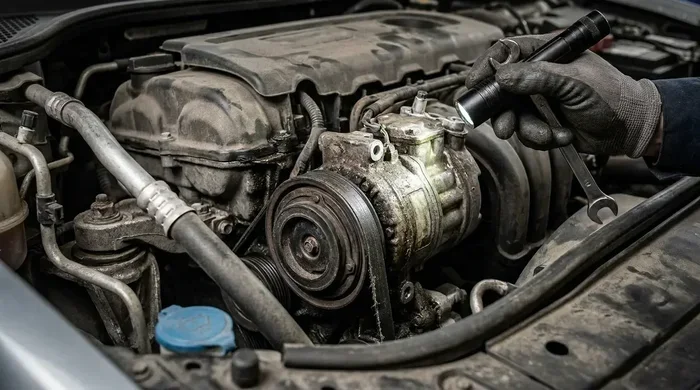
Inside the compressor unit, there is a motor. This motor spins a piston or scroll mechanism. That movement is what creates the suction and compression. The AC compressor motor runs on electricity from your home’s power supply.
When the motor starts, the AC compressor function begins immediately. It draws in refrigerant gas through the suction line. Then it compresses the gas and pushes it out through the discharge line. This cycle can happen many times per minute. And it runs for hours during hot days.
The Key Parts Inside Your AC Compressor
Your AC compressor function relies on several smaller parts working together. Each one plays a specific role. Let us look at the most important components.
The Compressor Motor
The motor is the power source. It converts electrical energy into mechanical motion. Without a working motor, the AC compressor function cannot start. Signs of a failing motor include humming sounds, slow starts, or complete silence when the AC should be running.
The Compressor Clutch
The clutch connects the motor to the compressor pump. When your thermostat calls for cooling, the AC compressor clutch engages. This tells the compressor to start working. When cooling is no longer needed, the clutch disengages. This saves energy and reduces wear on the system.
The Refrigerant Lines
Two copper lines connect the compressor to the rest of the system. The suction line brings in cool, low-pressure gas. The discharge line carries out hot, high-pressure gas. These lines must be clean and free of leaks for the AC compressor function to work properly.
The Relay and Fuse
The AC compressor relay controls the electrical current that reaches the compressor. The AC compressor fuse protects the system from power surges. If either of these fails, the AC compressor function stops even if the motor is healthy.
The Crankcase and Bearings
Inside the compressor, the crankcase holds the moving parts. Bearings reduce friction as the piston or scroll moves. Over time, these parts wear down. Regular AC compressor maintenance helps keep them in good shape for years.
How the Refrigerant Cycle Drives AC Compressor Function
The AC compressor function is part of a larger process called the refrigerant cycle. This cycle is what actually makes your home cold. Let us break it down step by step.
Step One: Evaporation Inside Your Home
Cool, low-pressure refrigerant enters the evaporator coil inside your home. As warm indoor air passes over the coil, the refrigerant absorbs heat. This turns the liquid refrigerant into a gas. The air that passes over the coil becomes cool. That cool air flows through your ducts and into your rooms.
Step Two: Compression by the Compressor
The warm gas then travels to the compressor. This is where the AC compressor function kicks in. The compressor squeezes the gas, raising both its pressure and temperature. The gas now becomes very hot, sometimes over 100 degrees Fahrenheit.
Step Three: Heat Release at the Condenser
The hot gas moves to the condenser coil outside your home. A fan blows outdoor air over the coil. This releases the heat from the refrigerant into the outside air. The refrigerant cools down and turns back into a liquid.
Step Four: Expansion and the Cycle Repeats
The liquid refrigerant passes through an expansion valve. This drops the pressure and temperature of the refrigerant. It is now cool again and ready to enter the evaporator coil. The cycle starts over. And the AC compressor function keeps driving it forward.
This entire process happens continuously while your AC is running. The AC compressor function is what makes it all possible. Without compression, no heat transfer occurs. Without heat transfer, no cooling happens.
Why Refrigerant Levels Matter for the Compressor
If your system has low refrigerant, the AC compressor function suffers. The compressor has to work harder to compress less gas. This leads to overheating, higher energy bills, and premature wear. Low refrigerant is usually a sign of a leak. A professional should check your refrigerant levels at least once a year.
Common Signs Your AC Compressor Is Failing
Catching a failing compressor early can save you hundreds of dollars. Here are the most common signs that your AC compressor function is not working as it should.
Warm Air Coming From the Vents
This is the most obvious sign. If your AC runs but blows warm or lukewarm air, the compressor may not be compressing refrigerant properly. The AC compressor function has failed or is struggling. Check your thermostat first. If the settings are correct and the air is still warm, call a technician.
Strange Noises From the Outdoor Unit
A healthy compressor makes a steady humming sound. But loud clanking, grinding, or banging is a red flag. These noises often mean internal parts are broken. Ignoring them can lead to complete compressor failure.
Frequent On-and-Off Cycling
If your AC turns on and off more often than usual, this is called short cycling. It can happen when the AC compressor function is struggling. The compressor may be overheating and shutting down as a safety measure. Short cycling wastes energy and puts extra stress on the system.
Ice Buildup on the Outdoor Unit
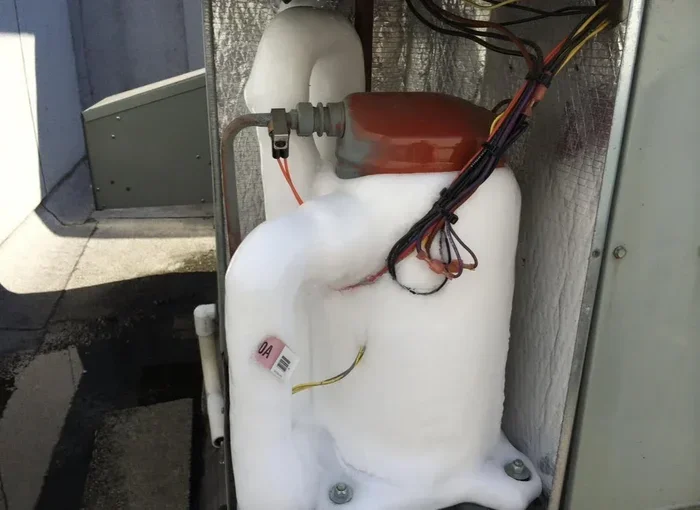
Ice forming on the condenser coil or refrigerant lines is a serious warning sign. It often means low refrigerant or poor airflow. Both problems force the compressor to work harder. Over time, this can damage the AC compressor function beyond repair.
Higher Energy Bills Without Explanation
A struggling compressor uses more electricity to do less work. If your energy bills spike during summer without a clear reason, the compressor may be the cause. Have an HVAC professional inspect your system as soon as possible.
Tripping Circuit Breakers
If your AC keeps tripping the breaker, the compressor may be drawing too much power. This is a dangerous sign. It could indicate an electrical problem or a failing compressor motor. Do not keep resetting the breaker. Call a professional.
Tips to Keep Your AC Compressor Running Strong
Prevention is always better than repair. A few simple habits can extend the life of your AC compressor function by many years. Here is what you should do.
Change Your Air Filters Regularly
Dirty filters restrict airflow. This forces the compressor to work harder. Replace your filters every one to three months during the cooling season. Clean filters protect the AC compressor function and improve indoor air quality.
Keep the Outdoor Unit Clean
The condenser unit outside your home needs good airflow. Remove leaves, dirt, and debris from around the unit. Trim back any plants or bushes that are too close. A clean unit supports healthy AC compressor function and helps the system run efficiently.
Schedule Annual Professional Maintenance
A licensed HVAC technician can spot small problems before they become big ones. During a maintenance visit, they check refrigerant levels, clean coils, inspect electrical connections, and test the compressor. Annual AC compressor maintenance is one of the best investments you can make.
Check the Thermostat Settings
Setting your thermostat too cold does not cool your home faster. It just makes the compressor run longer and harder. Keep your thermostat at a reasonable temperature, around 78 degrees Fahrenheit when you are home. This supports healthy AC compressor function and saves energy.
Install a Surge Protector
Power surges can damage the compressor motor and other electrical parts. A surge protector for your HVAC system adds a layer of protection. It is a small investment that can prevent expensive AC compressor repair costs.
Do Not Ignore Small Problems
Even a minor issue can put extra strain on the compressor. If you notice anything unusual, get it checked. Early AC compressor troubleshooting can prevent a full breakdown on the hottest day of the year.
Quick Tips for Better Compressor Health
- Keep the area around the outdoor unit clear of clutter.
- Do not set the thermostat lower than 72 degrees to “cool faster.”
- Use ceiling fans to reduce the cooling load on your AC.
- Seal any air leaks in your home to improve efficiency.
- Monitor your energy bills for unexpected increases.
- Keep a log of maintenance visits and repairs.
When to Call a Pro for AC Compressor Help
Some maintenance tasks are DIY-friendly. But AC compressor repair and replacement are not. Here is when you should call in the professionals.
Signs You Need Professional Repair
If you notice any of the warning signs we covered earlier, do not wait. Warm air, strange noises, frequent cycling, and ice buildup all point to serious problems. A trained technician can diagnose the issue and recommend the right fix. Trying to repair the compressor yourself can be dangerous and may void your warranty.
Understanding AC Compressor Replacement Cost
Replacing a compressor is one of the most expensive AC repairs. The AC compressor replacement cost typically ranges from 1,200 to 2,500 dollars, depending on your unit. Factors that affect the price include the size of your system, the type of compressor, and the extent of the damage. In some cases, replacing the entire unit may be more cost-effective than replacing just the compressor.
How to Choose the Right HVAC Professional
Look for a licensed and insured HVAC company with good reviews. Ask friends and neighbors for recommendations. Get at least three quotes before committing to a major repair. A good technician will explain the problem clearly, show you the options, and give you a fair price. They should also discuss how to prevent future issues and support long-term AC compressor function.
Expert Insight: The Lifespan of an AC Compressor
Most compressors last between 10 and 15 years with proper care. However, this varies based on usage, maintenance, and local climate. Homes in very hot and humid areas may see more wear on the AC compressor function. If your compressor is over 10 years old and needs frequent repairs, it may be time to consider a full system replacement. A new unit with a modern compressor can save you money on energy bills and reduce the risk of unexpected breakdowns.
Common Mistakes That Hurt Your AC Compressor
Many homeowners accidentally damage their compressor without realizing it. Here are the most common mistakes to avoid.
- Ignoring routine maintenance: Skipping annual tune-ups puts extra stress on the compressor.
- Running the AC nonstop at maximum cooling: This wears out the compressor faster.
- Neglecting the outdoor unit: Debris and dirt block airflow and reduce efficiency.
- Using the wrong refrigerant: This can cause chemical damage to the compressor internals.
- Delaying repairs: Small problems become big, expensive problems when ignored.
- Overcooling your home: Setting the thermostat too low forces the compressor to overwork.
Avoiding these mistakes is one of the easiest ways to protect your AC compressor function and get the most life out of your system.
Conclusion
The AC compressor function is the driving force behind every cool breath of air your system delivers. It compresses refrigerant, drives the cooling cycle, and keeps your home comfortable through the hottest months of the year. Without it, your air conditioner is just an expensive fan.
Understanding how the compressor works helps you take better care of your system. You can spot warning signs early. You can make smarter decisions about maintenance and repairs. And you can avoid the costly mistakes that shorten the life of your compressor.
Remember to change your filters, keep the outdoor unit clean, schedule annual professional maintenance, and never ignore unusual symptoms. Your AC compressor function works hard for you every day. A little care goes a long way in return.
Take what you have learned from this guide and put it into action today. Your future self and your wallet will thank you. A well-maintained compressor means a cooler home, lower energy bills, and peace of mind all summer long.
Frequently Asked Questions
What does the AC compressor function actually do?
The AC compressor function compresses refrigerant gas and pumps it through the cooling system. This process enables heat transfer, which is what makes the air inside your home cool. Without the compressor, the refrigerant cannot move, and the system cannot produce cold air.
How long does an AC compressor typically last?
Most compressors last between 10 and 15 years. Proper maintenance, regular filter changes, and timely repairs can help the AC compressor function reach the upper end of that range. Climate, usage patterns, and system quality also play a role.
What causes an AC compressor to fail?
Common causes include low refrigerant levels, dirty coils, electrical issues, and lack of maintenance. Overworking the compressor by setting the thermostat too low can also lead to failure. Addressing small problems early helps prevent complete AC compressor function breakdown.
Is AC compressor repair worth the cost?
It depends on the age of your system and the nature of the repair. If your unit is less than 10 years old, repair is usually worth it. If the system is older and the compressor is failing, replacement may be a better long-term investment. A professional can help you decide.
Can I run my AC if the compressor is making strange noises?
You can, but you should not. Strange noises often indicate internal damage. Continuing to run the system can make the problem worse and lead to a complete compressor failure. Turn the system off and call a technician for AC compressor troubleshooting right away.
How can I improve my AC compressor’s efficiency?
Change your filters regularly, keep the outdoor unit clean, use a programmable thermostat, and schedule annual professional maintenance. These steps reduce the workload on the AC compressor function and help your system run more efficiently all summer long.


3 Comments