Why Your AC Compressor Keeps Making a Buzzing Noise
An AC compressor making a buzzing noise is a sign that something needs attention. This common problem can stem from electrical issues, loose parts, low refrigerant, or a failing compressor clutch. Understanding the root cause helps you take the right action before the problem gets worse and leads to costly repairs.
There’s nothing more annoying than hearing a strange noise coming from your air conditioning system. If your AC compressor making buzzing noise has you worried, you’re not alone. This is one of the most common complaints homeowners have about their cooling systems. The good news? Most causes are fixable, especially when you catch them early.
Your compressor is the heart of your AC system. It pumps refrigerant through the unit, keeping your home cool. When it starts buzzing, it’s trying to tell you something. Ignoring that sound can lead to bigger breakdowns and expensive repairs. In this guide, we’ll walk you through every possible cause of that buzzing noise. We’ll also share practical fixes and prevention tips that actually work.
Whether you’re dealing with a mild hum that’s slightly annoying or a loud buzz that rattles the windows, this article has you covered. Let’s figure out what’s going on and how to stop it.
Key Takeaways
- Buzzing noise often signals electrical problems: A faulty relay, capacitor, or wiring issue is one of the most common reasons your compressor buzzes.
- Low refrigerant can cause compressor strain: When refrigerant levels drop, the compressor works harder, leading to unusual sounds.
- Loose or worn parts create vibration noise: Mounting bolts, fan blades, and internal components can loosen over time.
- Ignoring buzzing leads to bigger problems: A small noise today can turn into a full compressor failure tomorrow.
- Regular maintenance prevents noise issues: Simple upkeep like cleaning coils and checking refrigerant levels goes a long way.
- Professional diagnosis is often needed: Some causes require a trained technician to safely identify and repair.
📑 Table of Contents
- Understanding How Your AC Compressor Works
- Common Reasons Your AC Compressor Makes a Buzzing Noise
- How to Diagnose the Cause of the Buzzing Noise
- What Happens If You Ignore the Buzzing Noise?
- How to Fix a Buzzing AC Compressor
- Prevention Tips to Keep Your AC Compressor Quiet
- When to Call a Professional
- Final Thoughts on AC Compressor Buzzing Noise
Understanding How Your AC Compressor Works
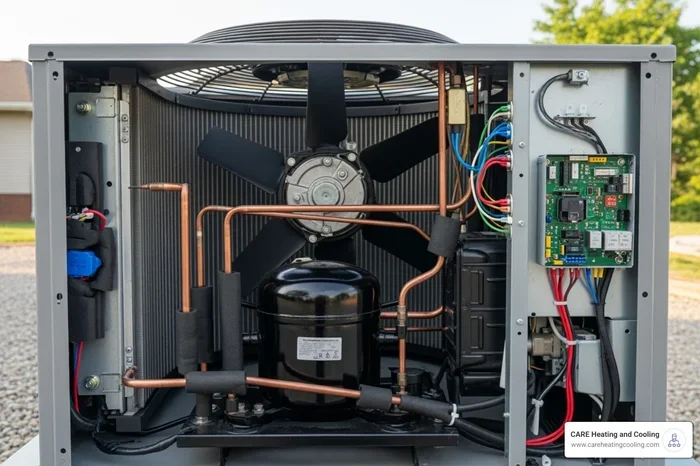
Before we dive into the causes of buzzing, it helps to understand what your compressor does. The air conditioning compressor is located in the outdoor unit of your split system. It takes low-pressure refrigerant gas and compresses it into high-pressure gas. This process is what allows heat to move from inside your home to the outside.
When the compressor runs smoothly, you hear a steady hum. That’s normal. But when something goes wrong, the sound changes. A buzzing noise usually means there’s extra vibration or electrical interference happening inside or around the unit.
Here’s what a healthy compressor sounds like: a low, steady hum that starts when your thermostat calls for cooling. Now here’s what a problematic compressor sounds like: a buzzing, rattling, or humming that doesn’t stop. If your unit is making the second sound, keep reading.
Common Reasons Your AC Compressor Makes a Buzzing Noise
1. Electrical Issues with the Compressor Relay or Capacitor
The most frequent cause of a buzzing AC compressor is an electrical problem. Your compressor relies on a relay and a capacitor to start and run properly. When either of these parts fails, you get a buzzing sound instead of a clean start.
The compressor relay controls the flow of electricity to the unit. Over time, the contacts inside the relay can wear out or get pitted. When this happens, the relay may vibrate instead of switching cleanly. That vibration creates the buzzing noise you hear.
The capacitor stores electrical energy to give the compressor a boost during startup. A failing capacitor often causes a humming or buzzing sound. You might also notice the compressor struggles to start or shuts off after a few seconds.
Quick Tip: If your compressor buzzes but doesn’t start, the capacitor is a likely culprit. Never test a capacitor yourself without discharging it first. Call a professional if you’re not comfortable working with electrical components.
2. Loose or Damaged Compressor Mounting
Your compressor sits on rubber mounts inside the outdoor unit. These mounts absorb vibration and keep the unit quiet. Over time, these mounts can crack, harden, or break entirely. When they fail, the compressor vibrates against the housing, creating a loud buzzing or rattling sound.
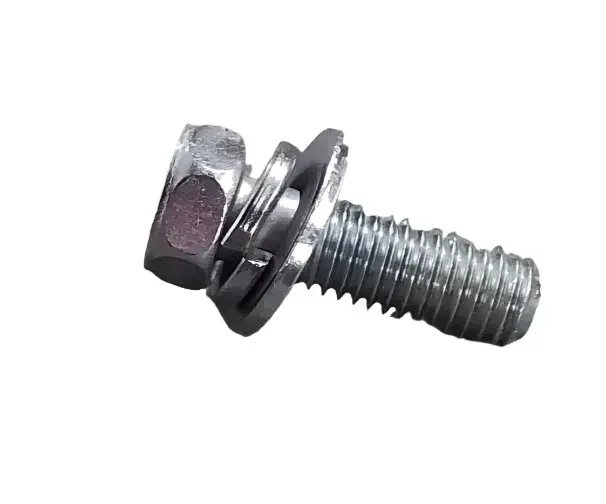
Loose mounting bolts are another common issue. If the compressor isn’t secured tightly, every time it runs, it shakes. That shaking produces the buzzing noise. In some cases, the entire outdoor unit may vibrate enough that you feel it through the floor or wall.
This problem is especially common in older units that have been running for many years. The rubber mounts simply wear out with age and exposure to heat and moisture.
3. Low Refrigerant Levels
When your system is low on refrigerant, the compressor has to work much harder to cool your home. This extra strain causes the compressor to run hotter and louder. A buzzing sound often accompanies low refrigerant levels because the compressor is struggling to pump gas that isn’t there in sufficient amounts.
Low refrigerant is almost always caused by a leak somewhere in the system. The leak could be in a copper line, a connection point, or even the evaporator coil indoors. You can’t just add refrigerant and forget about it. The leak has to be found and repaired, or the problem will come back.
Watch for these signs that your refrigerant might be low:
- Ice forming on the copper lines near the outdoor unit
- Your home takes longer to cool down
- The evaporator coil freezes up
- You hear hissing or bubbling sounds near the indoor unit
Dealing with refrigerant issues connects directly to understanding your compressor’s overall health. For more on how low refrigerant affects compressor operation, check out our guide on can low refrigerant cause AC compressor to not turn on.
4. Debris and Dirt Around the Compressor
Your outdoor unit sits outside, exposed to leaves, dirt, grass clippings, and all kinds of debris. When this buildup gets too close to the compressor or the fan, it can create a buzzing or rattling noise. A twig stuck in the fan blade, for example, will cause a loud, irregular buzzing as it hits the housing every rotation.
Dirty condenser coils also contribute to noise problems. When the coils are clogged with dirt and grime, airflow is restricted. The compressor has to run longer and harder to compensate. This extra workload often translates into louder operation and buzzing sounds.
Here’s a simple maintenance step you can take yourself: turn off the power to the unit and gently clean the area around the compressor. Remove any visible debris. Use a garden hose to rinse the condenser coils gently. Never use a pressure washer, as it can damage the delicate fins.
5. Failing Compressor Motor Bearings
Inside the compressor, there’s a motor with bearings that allow the shaft to spin smoothly. When those bearings wear out, the motor starts making noise. A buzzing or grinding sound is a classic sign of bearing failure. This type of noise usually gets worse as the compressor runs and the bearings heat up.
Bearing wear happens naturally over time, but it can be accelerated by lack of lubrication or by running the compressor in extreme heat. If you catch bearing problems early, you might be able to avoid a full compressor replacement.
Unfortunately, once the bearings are gone, the damage can spread to other parts of the compressor. That’s why it’s important to address any unusual noise promptly.
6. Compressor Clutch Problems
The compressor clutch engages and disengages the compressor when your thermostat calls for cooling. When the clutch starts to fail, it can produce a buzzing or clicking noise. You might hear it engage and disengage rapidly, creating a rapid buzzing sound.
A worn clutch can also cause the compressor to run intermittently, even when cooling isn’t needed. This not only creates noise but also wastes energy and wears out other components faster.
If you’re hearing clicking or buzzing that seems tied to the compressor cycling on and off, the clutch could be the issue. Understanding more about compressor clutch behavior can help you decide whether it’s time for a closer look.
How to Diagnose the Cause of the Buzzing Noise
Figuring out what’s causing your AC compressor buzzing noise starts with a few simple observations. You don’t need to be a professional mechanic to narrow down the possibilities. Here’s a step-by-step approach you can follow.
Step 1: Note when the buzzing happens. Does it start when the compressor kicks on? Does it happen all the time? Is it louder on hot days? Each of these patterns points to a different cause.
Step 2: Listen to the type of buzz. A steady electrical buzz usually points to a relay or capacitor problem. A rattling buzz suggests loose parts or debris. A grinding buzz points to bearing issues. The character of the sound matters.
Step 3: Check the outdoor unit visually. Look for debris near the fan, loose screws, or damaged mounts. Turn off the power and try to gently wiggle the compressor unit. If it moves more than it should, the mounts are likely worn.
Step 4: Monitor your cooling performance. Is your home cooling properly? Are the vents blowing cold air? If the cooling is weak along with the buzzing, refrigerant or compressor issues are more likely.
Step 5: Call a professional for electrical testing. Many electrical causes, like a bad capacitor or relay, require a multimeter to confirm. A licensed HVAC technician can test these safely and accurately.
For a deeper look at how to identify compressor problems, our article on how to diagnose AC compressor covers the process in detail.
What Happens If You Ignore the Buzzing Noise?
It’s tempting to just live with the noise. After all, if the AC is still cooling, what’s the big deal? But here’s the truth: a buzzing compressor almost always gets worse over time. What starts as a minor annoyance can turn into a complete system failure.
When you ignore the buzzing, the underlying problem continues to damage other parts of your system. An electrical issue can fry the compressor motor entirely. A refrigerant leak can cause the compressor to overheat and seize. Loose components can damage the fan or the housing.
The cost of ignoring a buzzing noise is almost always higher than the cost of fixing it early. A simple relay replacement might cost you a couple hundred dollars. A full compressor replacement can run anywhere from $1,000 to $3,000 or more, depending on your system.
Understanding the potential consequences helps you make a smarter decision. If you want to learn more about what can go wrong when compressor problems are left unchecked, read our article on what happens if AC compressor fails.
How to Fix a Buzzing AC Compressor
The fix depends entirely on what’s causing the noise. Here are the most common solutions, organized by cause:
For electrical issues: Replace the faulty relay or capacitor. These are relatively inexpensive parts, and an HVAC technician can usually swap them out in under an hour.
For loose mounts: Replace the rubber isolation mounts. This involves unbolting the compressor, installing new mounts, and securing the unit again. It’s a moderate repair that a professional can handle.
For low refrigerant: Find and repair the leak, then recharge the system with the correct amount of refrigerant. This requires specialized equipment and EPA certification, so it’s definitely a job for a licensed pro.
For debris buildup: Clean the area around the unit and remove any objects near the fan. This is a simple fix you can do yourself with basic tools.
For bearing failure: Bearing replacement is possible in some compressors, but it’s often more cost-effective to replace the entire unit. Your technician can advise you based on the specific model and the extent of the damage.
For clutch problems: Replace the compressor clutch assembly. In some cases, the entire compressor may need to be replaced if the clutch damage has affected other internal components.
After any repair, pay attention to how the unit sounds. A properly functioning compressor should hum steadily without any buzzing or rattling. If the noise returns, there may be an additional issue that wasn’t addressed the first time.
If you’re dealing with a compressor that needs repair or replacement, our guide on how to fix AC compressor covers additional repair strategies and what to expect from each approach.
Prevention Tips to Keep Your AC Compressor Quiet
The best way to deal with a buzzing compressor is to prevent the problem in the first place. Regular maintenance keeps your system running smoothly and quietly. Here’s what you should do:
- Schedule annual professional maintenance. A technician can spot electrical issues, low refrigerant, and worn parts before they cause noise problems.
- Clean the outdoor unit regularly. Remove leaves, dirt, and debris at least once a month during the cooling season.
- Check refrigerant levels. If you notice your cooling performance dropping, have the refrigerant checked right away.
- Replace air filters on schedule. Dirty filters restrict airflow and make the compressor work harder than it needs to.
- Listen for early warning signs. Don’t ignore new sounds. A small buzz today can become a big repair bill next month.
- Keep vegetation trimmed back. Plants and shrubs should be at least two feet away from the outdoor unit for proper airflow.
These simple habits add up to a quieter, more efficient system that lasts longer. Prevention is always cheaper than repair.
Your AC compressor making buzzing noise doesn’t have to be a mystery. With the right knowledge and a little proactive care, you can identify the cause and take action before it becomes a major problem.
For homeowners wondering whether a noisy compressor affects other parts of the vehicle or system, our article on can a bad AC compressor cause other problems explores the ripple effects of compressor issues in more detail.
When to Call a Professional
Not every buzzing noise requires a technician, but some definitely do. You should call a professional if:
- The buzzing is accompanied by a burning smell
- The compressor trips the circuit breaker repeatedly
- You see visible damage to the wiring or the unit
- The unit won’t start at all, but you hear buzzing
- The noise gets louder over time despite your efforts
- You suspect a refrigerant leak
Working on an AC compressor involves electrical components and refrigerant, both of which can be dangerous without proper training and certification. When in doubt, it’s always better to call a licensed HVAC professional. They have the tools, the knowledge, and the experience to diagnose and fix the problem safely.
A good technician will not only fix the buzzing noise but also check the overall health of your system. They can spot other potential issues before they become expensive problems. Think of it as an investment in the longevity of your cooling system.
Final Thoughts on AC Compressor Buzzing Noise
A buzzing AC compressor is your system’s way of asking for help. Whether it’s a simple electrical issue, a loose mount, or a refrigerant leak, the cause is almost always something that can be fixed. The key is to listen, diagnose early, and take action before the problem escalates.
Don’t let a buzzing noise turn into a broken compressor. With the right knowledge and a little timely action, you can keep your AC running quietly and efficiently all summer long. Your wallet will thank you, and so will your comfort on those hot days.
Start by checking the simple things first: debris, mounts, and the area around the outdoor unit. If those aren’t the issue, don’t hesitate to call a professional. The sooner you address the buzzing, the better off your system will be.
Frequently Asked Questions
Why is my AC compressor making a buzzing noise but still cooling?
A buzzing compressor that still cools may have a minor electrical issue like a failing relay or a slightly loose mount. The system might still function, but the buzzing indicates something is wearing out. It’s smart to get it checked before the problem worsens and the cooling stops entirely.
Can a buzzing AC compressor cause a fire?
In rare cases, yes. Electrical issues like a shorted relay or a failing capacitor can overheat and potentially cause a fire. If you notice a buzzing noise combined with a burning smell or scorch marks, turn off the unit immediately and call a professional.
How much does it cost to fix a buzzing AC compressor?
The cost varies widely depending on the cause. A relay or capacitor replacement might cost $150 to $400. Mount replacement runs around $200 to $500. More complex repairs like compressor motor or refrigerant leak fixes can range from $500 to $2,000 or more. Always get a quote from a licensed technician before committing to a repair.
Is it safe to keep running my AC if it’s buzzing?
It depends on the cause. A minor buzz from debris or a loose panel might be safe to run temporarily. But a buzz caused by electrical failure or refrigerant issues can lead to further damage. If the buzzing is new or getting louder, it’s best to turn the unit off and have it inspected.
Can low refrigerant cause my AC compressor to buzz?
Yes, absolutely. Low refrigerant forces the compressor to work harder and run longer, which can cause it to vibrate and buzz. Low refrigerant is usually caused by a leak, so simply recharging the system won’t solve the problem permanently unless the leak is repaired too.
How do I know if the buzzing means my compressor is about to fail?
Buzzing accompanied by difficulty starting, weak cooling, frequent tripping of the breaker, or unusual heat from the unit are warning signs of imminent failure. If you notice these symptoms together with the buzzing, contact a professional immediately for a full diagnostic.