Generator Backfires When Trying to Start and How to Fix
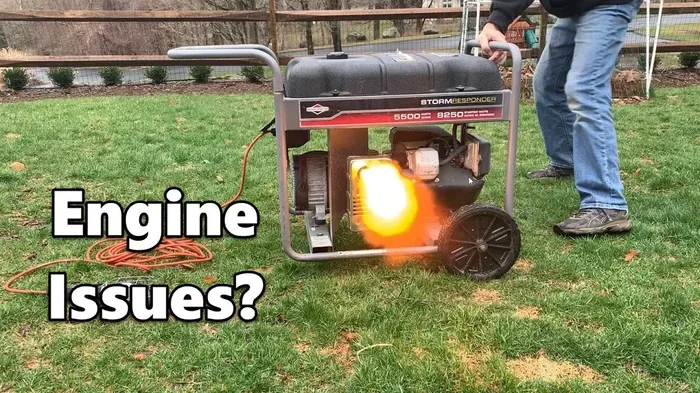
A generator backfires when trying to start because of fuel, ignition, or air problems inside the engine. This guide walks you through every common cause and shows you exactly how to fix it yourself. You will learn to diagnose the issue fast and save money on repairs.
Nothing is more frustrating than turning the key on your generator and hearing a loud bang instead of a smooth engine hum. A generator backfires when trying to start for a number of reasons, and the good news is that most of them are easy to fix. Whether you are dealing with a sputtering engine, a popping exhaust, or a generator that simply refuses to catch, this guide has you covered.
Backfiring happens when the fuel-air mixture ignites at the wrong time inside the combustion chamber. This can damage your generator over time if you ignore it. Many homeowners face this exact problem, especially after long periods of storage or heavy use. The fix usually depends on which part of the fuel, ignition, or air system is failing. Let us walk through each cause step by step so you can get your generator engine backfire problem solved for good.
Key Takeaways
- Fuel Mixture Issues: A lean or rich fuel blend is the top reason a generator backfires on startup.
- Ignition Problems: Worn spark plugs or a failing ignition coil can cause your generator engine to backfire.
- Air Filter Blockage: A dirty air filter restricts airflow and leads to generator starting problems.
- Carburetor Troubles: A clogged carburetor disrupts the fuel-air mix and triggers exhaust backfire.
- Compression Loss: Low engine compression makes it hard for the generator to fire properly.
- Prevention Matters: Regular generator maintenance stops backfires before they start.
📑 Table of Contents
Why Does a Generator Backfire When Starting?
Understanding why your generator backfires is the first step toward fixing it. A generator backfire is not just a scary noise. It is a signal that something inside the engine is out of balance. When the fuel, air, or spark is not working together correctly, combustion happens at the wrong moment. This creates the popping or banging sound you hear during startup.
The combustion process needs three things to work right: fuel, air, and spark. Remove or mess up any one of these, and your generator will protest. Sometimes the problem is as simple as a dirty air filter. Other times it could be a worn-out ignition coil or a carburetor full of old fuel. Knowing what each part does helps you narrow down the cause fast.
For those new to generators, it helps to understand the basics of how your machine operates. Check out our guide on how a home generator works to build a solid foundation. Once you know the basics, troubleshooting becomes much easier and less intimidating.
The Role of Fuel in Generator Backfires
Fuel is the lifeblood of your generator. When the fuel system is not delivering the right amount of clean gasoline, the engine struggles. A generator starting problem often traces back to old or contaminated fuel. Gasoline breaks down over time, forming gummy deposits that clog small passages inside the carburetor.
When these passages get blocked, the engine receives too little fuel. This creates a lean mixture that ignites unpredictably. The result? A loud exhaust backfire that rattles your nerves every time you try to start the unit. Always use fresh fuel and consider adding a fuel stabilizer if you store your generator for more than 30 days.
The Role of Spark in Generator Backfires
The spark plug creates the tiny bolt of electricity that ignites the fuel-air mixture. When the spark plug is worn, fouled, or gapped incorrectly, the spark weakens or disappears entirely. A weak spark means incomplete combustion. Unburned fuel then exits the exhaust valve and ignites in the wrong place, causing a generator engine backfire.
Spark plugs are cheap and easy to replace. Yet many people overlook them when troubleshooting starting issues. If your generator has been sitting for months, the spark plug is almost certainly degraded. Pull it out, inspect it, and replace it if you see any carbon buildup or corrosion.
The Role of Air in Generator Backfires
Your generator needs a precise balance of air and fuel to run correctly. When the air intake is blocked by a dirty filter, too much fuel enters the mix. This rich mixture burns slowly and pushes unburned fuel into the exhaust. That fuel then ignites outside the cylinder, creating a generator backfire on startup.
A clean air filter is one of the simplest maintenance tasks you can do. Yet it makes a huge difference in how your generator starts and runs. Check the air filter before every use, especially if you operate your generator in dusty environments.
Common Causes of Generator Backfiring on Startup
Now that you understand the basics, let us dive into the specific causes. Each of these is a common reason your generator backfires when trying to start. Work through them in order to save time and effort.
1. Old or Stale Fuel
Gasoline starts to degrade within 30 days of being stored. The volatile compounds evaporate, leaving behind a thinner, less combustible liquid. Old fuel creates a weak mixture that causes the engine to sputter and backfire. If your generator has been sitting in the garage for more than a month, stale fuel is likely the culprit.
To fix this, drain the old fuel completely. Refill the tank with fresh gasoline and add a fuel stabilizer if you plan to store the generator again. Also, check the fuel lines for any cracks or blockages that might restrict flow.
2. Clogged Carburetor
The carburetor mixes fuel and air in the perfect ratio before it enters the combustion chamber. Over time, varnish and gum from old fuel clog the tiny jets inside the carburetor. When these jets are blocked, the fuel-air mixture becomes too lean or too rich.
A clogged carburetor is one of the most common reasons for a generator starting problem. You can try cleaning it with a carburetor cleaner spray. If the damage is severe, replacing the carburetor is a more reliable fix. This part is usually affordable and easy to find for most generator models.
3. Faulty Spark Plug
A worn spark plug produces a weak or inconsistent spark. This means the fuel-air mixture does not ignite properly. Unburned fuel leaks into the exhaust system and ignites there, causing a loud backfire. Spark plugs wear out naturally over time, especially with regular use.
Inspect your spark plug every few months. Look for black carbon buildup, corroded electrodes, or a widened gap. Replace the spark plug with one that matches your generator’s specifications. This small change often solves the entire generator backfire problem.
4. Dirty Air Filter
A dirty air filter chokes the airflow into the engine. Without enough air, the fuel mixture becomes too rich. Rich mixtures burn slowly and push unburned fuel into the exhaust. That fuel then ignites in the exhaust pipe, creating an exhaust backfire.
Clean or replace your air filter regularly. For paper filters, replacement is usually the best option. For foam filters, you can wash them with soap and water, let them dry completely, and then reoil them. A clean air filter improves startup performance and extends the life of your generator.
5. Low Engine Compression
Engine compression is the pressure that builds up inside the cylinder when the piston moves up. High compression is essential for proper combustion. When compression drops, the engine struggles to ignite the fuel-air mixture. This leads to misfires and generator engine backfire during startup.
Low compression usually results from worn piston rings, a damaged cylinder head gasket, or valve problems. Testing compression requires a compression gauge, which is an inexpensive tool. If your compression readings are low, you may need professional repairs. This is a more serious issue compared to the other causes on this list.
6. Ignition Coil Failure
The ignition coil transforms the battery’s low voltage into the high voltage needed to create a spark at the plug. When the ignition coil fails, the spark weakens or stops altogether. A weak spark leads to incomplete combustion and backfiring.
Ignition coil failure is more common in older generators or units that have been stored in damp conditions. You can test the coil with a multimeter to confirm it is the problem. Replacement coils are widely available and relatively inexpensive. This fix usually takes just a few minutes once you have the right part.
How to Diagnose Generator Starting Problems
Diagnosing the root cause of a generator backfires when trying to start issue does not require professional training. With a few basic tools and a systematic approach, you can pinpoint the problem yourself. Here is a simple diagnostic checklist to follow.
Step 1: Check the fuel. Inspect the gasoline in the tank. If it looks dark or smells sour, drain it and refill with fresh fuel. Run the generator for a few minutes on the new fuel and see if the backfire stops.
Step 2: Inspect the spark plug. Remove the spark plug and examine it. A healthy plug should have a light tan color on the electrode. Black, wet, or corroded plugs need replacement. After installing a new plug, try starting the generator again.
Step 3: Examine the air filter. Remove the air filter and hold it up to a light source. If you cannot see light through it, it is too dirty and needs cleaning or replacement. A clean filter makes a noticeable difference in engine performance.
Step 4: Listen to the carburetor. With the generator running, listen for any unusual sounds coming from the carburetor area. A chugging or sputtering noise often indicates a clogged jet. You may need to disassemble and clean the carburetor thoroughly.
Step 5: Test the ignition coil. Use a multimeter to check the ignition coil output. If the readings fall outside the manufacturer’s specifications, replace the coil. This is a quick test that eliminates a common cause of generator backfire issues.
Step 6: Check compression. If all the above steps fail, test the engine compression. Low compression points to internal engine wear that requires more advanced repairs. At this stage, consulting a professional mechanic is a smart move.
For additional troubleshooting tips on related equipment, you might find our article on putting gas in a generator while it is running helpful for understanding proper fueling practices that prevent starting issues.
Step-by-Step Fixes for Generator Backfire
Once you have identified the cause, fixing the generator backfires when trying to start problem becomes straightforward. Here are the most effective fixes organized by the most common causes.
Fix 1: Replace Old Fuel and Add Stabilizer
- Turn off the generator and let it cool completely.
- Drain the old fuel from the tank into an approved container.
- Refill with fresh gasoline rated at 87 octane or higher.
- Add a fuel stabilizer following the product instructions.
- Run the generator for five to ten minutes to circulate the fresh fuel.
- Check if the backfire during startup is resolved.
Fix 2: Clean or Replace the Carburetor
- Locate the carburetor on your generator engine.
- Remove the air filter and carburetor bowl.
- Spray carburetor cleaner into all the jets and passages.
- Use compressed air to blow out any remaining debris.
- Reassemble the carburetor and replace the bowl gasket if worn.
- Restart the generator and observe the startup behavior.
Fix 3: Replace the Spark Plug
- Disconnect the spark plug wire.
- Use a spark plug socket to remove the old plug.
- Compare the old plug to the new one for a proper match.
- Install the new plug and hand-tighten it first.
- Use a wrench to snug it down without over-tightening.
- Reconnect the spark plug wire and try starting the generator.
Fix 4: Clean or Replace the Air Filter
- Remove the air filter cover.
- Take out the old air filter.
- For paper filters, discard and replace with a new one.
- For foam filters, wash with soapy water and let dry completely.
- Apply air filter oil to the foam filter before reinstalling.
- Replace the cover and start the generator.
Fix 5: Replace the Ignition Coil
- Disconnect the spark plug wire and ignition coil connector.
- Remove the mounting bolts holding the ignition coil in place.
- Install the new ignition coil and secure it with bolts.
- Reconnect the spark plug wire and connector.
- Start the generator and verify smooth operation.
Quick Tips to Avoid Generator Backfires
- Always use fresh gasoline and add stabilizer for stored generators.
- Run your generator under load for at least 15 minutes once a month.
- Keep the area around the air intake clean and free of debris.
- Store your generator in a dry, sheltered location to prevent moisture damage.
- Follow the manufacturer’s maintenance schedule without exception.
Preventing Generator Backfires in the Future
Once you have fixed the generator backfire issue, the last thing you want is for it to come back. Prevention is always easier and cheaper than repair. A few simple habits will keep your generator running smoothly for years to come.
First, make fuel management a priority. Always use fresh gasoline and add a stabilizer if the generator will sit unused for more than two weeks. Stale fuel is the number one enemy of small engines. Second, stick to a regular maintenance schedule. Change the oil, replace the air filter, and inspect the spark plug at least once per season. Third, run your generator under a partial load for at least 15 minutes every month. This keeps the internal components lubricated and prevents fuel system gumming.
Fourth, store your generator properly. Keep it in a dry place away from extreme temperatures. Moisture can corrode internal parts and degrade fuel quickly. Fifth, use your generator on level ground. An uneven surface can affect the fuel flow and air intake, leading to inconsistent combustion and potential backfires.
For more information on how long your generator can run on a full tank, check out our guide on how long a generator lasts on a tank of gas. Understanding your fuel consumption helps you plan better maintenance intervals and avoid running on empty during critical moments.
When to Call a Professional for Help
Most generator backfire issues are simple and can be fixed at home with basic tools. However, some problems require the expertise of a trained technician. If you have tried all the fixes above and the backfiring continues, it is time to call in the pros.
Low engine compression is a serious issue that usually demands professional diagnosis. A compression test will reveal whether the piston rings, cylinder walls, or valves are damaged. Similarly, if you suspect internal engine damage from prolonged backfiring, a professional inspection is essential. Continuing to run a damaged generator can make the problem worse and more expensive to repair.
Also, if you are uncomfortable working with fuel systems or electrical components, do not hesitate to seek help. Safety should always come first. A qualified technician can diagnose and fix complex issues quickly and safely, saving you time and potential injury.
Final Thoughts
A generator backfires when trying to start because of issues with fuel, spark, air, or compression. The good news is that most of these causes are easy to identify and fix with basic tools and a little patience. Start with the simplest fixes like replacing old fuel and the spark plug. Work your way through the diagnostic checklist until you find the root cause.
Regular maintenance is your best defense against generator backfires. Fresh fuel, clean filters, and proper storage go a long way in keeping your generator reliable. When you take care of your machine, it takes care of you during those times when you need power the most.
Now that you know the causes and fixes, you are well-equipped to handle this common problem. Grab your tools, follow the steps in this guide, and get your generator running smoothly again. You have got this!
Frequently Asked Questions
Why does my generator backfire when I try to start it?
Generator backfires on startup usually happen because of an imbalance in the fuel, air, or spark system. Old fuel, a clogged carburetor, a worn spark plug, or a dirty air filter can all cause the fuel-air mixture to ignite at the wrong time. This creates the popping or banging sound known as a backfire.
Can a dirty air filter cause a generator to backfire?
Yes, a dirty air filter restricts airflow into the engine. Without enough air, the fuel mixture becomes too rich. Rich mixtures burn slowly and push unburned fuel into the exhaust, where it ignites and causes a generator engine backfire. Cleaning or replacing the air filter often solves this problem quickly.
How do I stop my generator from backfiring?
Start by using fresh fuel and replacing the spark plug. Clean or replace the air filter and check the carburetor for clogs. If the backfire persists, test the ignition coil and engine compression. Following a regular maintenance schedule is the best way to prevent future backfires.
Is a generator backfire dangerous?
Occasional backfires are not usually dangerous, but repeated backfiring can damage the exhaust system, carburetor, or engine internals over time. Unburned fuel in the exhaust can also create a fire hazard in certain conditions. It is best to address backfiring issues promptly to protect both your generator and your safety.
What fuel should I use to prevent generator backfires?
Always use fresh gasoline rated at 87 octane or higher. Avoid fuel that has been sitting in the can for more than 30 days. Adding a fuel stabilizer to stored gasoline keeps it fresh and prevents the gummy deposits that cause generator starting problems and backfires.
When should I take my generator to a professional for backfire issues?
Take your generator to a professional if you have tried all the basic fixes and the backfiring continues. Low engine compression, internal engine damage, and complex electrical issues require expert diagnosis. A trained technician has the tools and experience to handle these problems safely and effectively.
=== CONCLUSION ===
A generator backfires when trying to start for reasons that range from simple to moderately complex. The most common causes are stale fuel, a clogged carburetor, a worn spark plug, a dirty air filter, and ignition coil failure. Each of these issues has a clear fix that you can do at home with basic tools.
By following the diagnostic steps and fixes outlined in this guide, you can resolve the problem quickly and get your generator running again. Regular maintenance, fresh fuel, and proper storage habits will keep backfires from coming back. Take action today, and your generator will reward you with reliable performance whenever you need it most.