Find Out Why Your Heat Pump Compressor Not Turning On
Your heat pump compressor not turning on is a frustrating problem, but it is often fixable with the right knowledge. This guide walks you through every common cause, from low refrigerant to faulty capacitors, and gives you clear steps to diagnose and solve the issue. Whether you are a DIY homeowner or just starting to learn about HVAC systems, you will find practical advice that actually works.
There is nothing worse than walking up to your heat pump on a hot summer day or a freezing winter morning only to find that the compressor is not turning on. You press the thermostat, you wait, and nothing happens. Your heat pump compressor not turning on can leave your home uncomfortable and your stress levels through the roof.
The good news is that this problem is very common, and in most cases, you can figure out what is going on without spending a fortune on a technician. This guide breaks down every major reason your compressor might refuse to start. We also walk you through simple troubleshooting steps you can do right at home. By the end, you will know exactly what to check, what to fix, and when it is time to call in the experts.
Let us get straight into it. Your heat pump compressor not turning on usually comes down to a handful of culprits, and most of them are easy to identify once you know what to look for.
Key Takeaways
- Capacitor failure is one of the most common reasons a heat pump compressor will not start.
- Low refrigerant levels can prevent your compressor from turning on as a safety measure.
- A faulty contactor or relay can block power from reaching the compressor entirely.
- Thermostat issues are often overlooked but can mimic compressor failure.
- Regular maintenance like cleaning coils and checking refrigerant can prevent most compressor problems.
- Electrical problems such as tripped breakers or damaged wiring should always be checked first.
- Knowing when to call a pro saves money and prevents dangerous mistakes.
📑 Table of Contents
- What Does the Heat Pump Compressor Actually Do?
- Common Reasons Your Heat Pump Compressor Not Turning On
- How to Diagnose Your Heat Pump Compressor Problem
- When to Call a Professional HVAC Technician
- Prevention Tips to Keep Your Heat Pump Compressor Running
- Understanding the Cost of Compressor Repairs and Replacement
- How to Force Your Compressor to Start (Temporary Fixes)
- Key Takeaways
What Does the Heat Pump Compressor Actually Do?
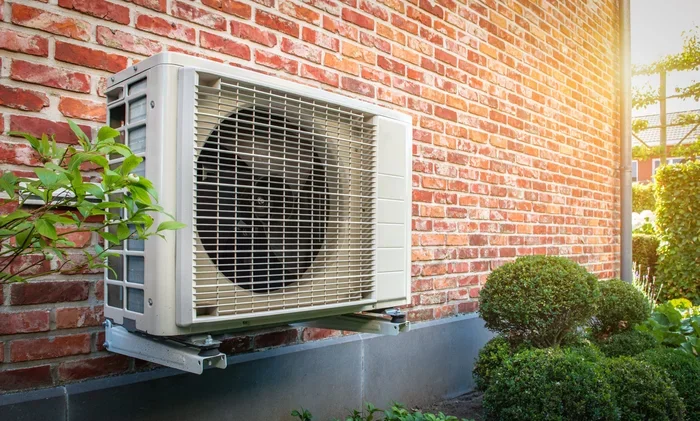
Before we dive into the reasons your compressor is not turning on, it helps to understand what it does. The compressor is the heart of your heat pump system. It moves refrigerant between the indoor and outdoor units, allowing your system to heat or cool your home. Without a working compressor, your entire heat pump system is essentially useless.
Think of the compressor as a pump that pressurizes the refrigerant gas. This pressurized gas then flows through the system, releasing or absorbing heat depending on the mode you have set. If the compressor heat pump not working, the refrigerant stays still, and no heating or cooling happens.
Your compressor relies on several components to start properly. These include the capacitor, contactor, relay, thermostat, and refrigerant charge. When any one of these fails, the compressor will not turn on. The good news is that diagnosing which part is the problem is simpler than most people think.
Common Reasons Your Heat Pump Compressor Not Turning On
There are several reasons your compressor might sit silently when you need it most. Let us go through each one in detail so you can narrow down the cause quickly.
1. Capacitor Failure
The capacitor gives your compressor the initial electrical boost it needs to start. Over time, capacitors can weaken or fail completely. When this happens, you might hear a clicking sound but the compressor will not turn on. This is one of the most common reasons for a heat pump compressor not turning on.
Capacitors are relatively inexpensive parts. Replacing one is often a straightforward job for anyone comfortable working with basic electrical components. However, always make sure to disconnect power before touching any electrical parts. A bad capacitor can also cause your compressor to short cycle, which means it turns on and off repeatedly without running properly.
2. Low Refrigerant Levels
Your heat pump needs the right amount of refrigerant to operate. When refrigerant levels drop too low, the system will often shut down to protect the compressor from damage. This is a safety feature, but it means your compressor will not turn on until the refrigerant is recharged.
Low refrigerant is usually caused by a leak somewhere in the system. You might notice ice forming on the outdoor unit or hear hissing sounds near the refrigerant lines. If you suspect low refrigerant, it is important to have a professional locate and repair the leak before simply recharging the system. For more on how low refrigerant affects compressor operation, check out our guide on Will Low Freon Cause Compressor Not To Come On.
3. Faulty Contactor or Relay
The contactor is an electrical switch that sends power to the compressor when the thermostat calls for heating or cooling. If the contactor is worn out, stuck, or has burned contacts, power cannot reach the compressor. The result is a compressor that simply will not start.
You can often hear a contactor failing. It might buzz or chatter instead of clicking firmly into place. Replacing a contactor is usually a quick and affordable repair. However, if you are not comfortable working with electrical components, this is a job best left to a licensed technician.
4. Thermostat Problems
Sometimes the problem is not the compressor at all, it is the thermostat. A faulty thermostat may send the wrong signal or no signal at all to the outdoor unit. This makes it look like the compressor has failed when the real issue is a simple thermostat malfunction.
Start by checking that your thermostat is set to the correct mode, either heating or cooling. Make sure the temperature setting is far enough from the current room temperature to trigger a call for action. If you have a programmable or smart thermostat, try replacing the batteries or resetting the device. Sometimes a simple recalibration solves the problem entirely.
5. Electrical Issues
Electrical problems are sneaky causes of compressor failure. A tripped breaker, a blown fuse, or damaged wiring anywhere in the circuit can prevent power from reaching the compressor. Before you assume the compressor itself is bad, always check your electrical panel and the disconnect box near your outdoor unit.
Look for any visible signs of damage like burned wires, loose connections, or corrosion on terminals. If the breaker keeps tripping after you reset it, there may be a deeper electrical issue that needs professional attention. Never ignore a tripping breaker, as it can indicate a serious problem that could become dangerous.
6. Compressor Clutch Problems
Some heat pump systems use a compressor clutch to engage and disengage the compressor motor. If the clutch is worn or damaged, the compressor motor may spin freely without actually compressing refrigerant. This means the compressor appears to be running but is not doing any work.
A clutch problem often produces a grinding or squealing noise when the system starts. If you hear unusual sounds coming from the outdoor unit, turn the system off and investigate further. For more details on clutch-related issues, you can read our article on Compressor Clutch Not Engaging.
How to Diagnose Your Heat Pump Compressor Problem
Now that you know the common causes, let us walk through a systematic diagnosis. Following these steps in order will help you quickly identify the root cause of your heat pump compressor not turning on.
Step 1: Check the Power Supply
Start with the simplest thing first. Make sure the system has power. Check the circuit breaker in your electrical panel. Look at the disconnect box near your outdoor unit and make sure it is switched on. Sometimes a breaker trips during a storm or a power surge, and simply resetting it brings everything back to life.
If the breaker has tripped repeatedly, do not keep resetting it. This is a sign of a deeper problem that requires professional diagnosis.
Step 2: Inspect the Thermostat
Set your thermostat to cooling mode and lower the temperature by several degrees. You should hear the outdoor unit click on within a few minutes. If you hear nothing, the thermostat might be the problem. Try replacing the batteries or upgrading to a new thermostat if yours is old.
You can also try bypassing the thermostat temporarily to test whether the compressor responds directly to power. This should only be done by someone with electrical experience.
Step 3: Listen for Clicking or Buzzing Sounds
When you call for cooling or heating, stand near the outdoor unit and listen carefully. A single click followed by silence often points to a failed contactor or capacitor. A continuous buzzing sound might indicate an electrical issue or a seized compressor motor.
These sounds give you valuable clues about what is happening inside the unit. Write down what you hear and share this information with your technician if you end up calling one.
Step 4: Check the Capacitor
If you are comfortable working with electrical components, you can test the run capacitor and start capacitor using a multimeter. The capacitor should read within a few percentage points of its rated value. If the reading is significantly lower, the capacitor has failed and needs replacement.
Always discharge the capacitor before testing or removing it. Capacitors can hold a dangerous electrical charge even when the power is off. If you are not sure about this step, skip it and call a professional.
Step 5: Examine the Refrigerant Lines
Look at the refrigerant lines connecting your indoor and outdoor units. Do you see any ice buildup? Are there any oily spots that might indicate a refrigerant leak? Low refrigerant is a common cause of compressor failure, and it always requires a professional to recharge and repair.
For more troubleshooting tips on refrigerant-related compressor issues, see our article on Why Is My Ac Compressor Not Turning On.
When to Call a Professional HVAC Technician
While many compressor issues can be diagnosed at home, some situations absolutely require professional help. Understanding when to make that call saves you time, money, and potentially dangerous mistakes.
You should call a technician if you notice any of the following signs. First, if your compressor trips the breaker every time you try to start it, there is likely an internal electrical fault that needs expert diagnosis. Second, if you smell burning or notice smoke coming from the outdoor unit, turn the system off immediately and call for help.
Third, if the compressor makes loud grinding or knocking noises, the internal mechanical parts may be damaged beyond a simple repair. Fourth, if you have checked the capacitor, contactor, and refrigerant levels and the compressor still will not start, the compressor motor itself may have failed. Finally, if your system uses a compressor clutch not engaging mechanism and you are unsure how to test it safely, a professional inspection is the smart move.
A qualified HVAC technician has the tools and training to safely handle refrigerant, test electrical components, and determine whether your compressor needs repair or full replacement. For more information on compressor repair services, you can explore our Compressor Repair page.
Prevention Tips to Keep Your Heat Pump Compressor Running
The best way to deal with a compressor that will not turn on is to prevent the problem from happening in the first place. Regular maintenance goes a long way toward keeping your heat pump system running smoothly year after year.
- Change your air filters regularly. Dirty filters restrict airflow and put extra strain on the compressor. Replace them every one to three months during heavy use seasons.
- Keep the outdoor unit clean. Remove leaves, dirt, and debris from around the condenser coil. Good airflow around the unit prevents overheating and reduces stress on the compressor.
- Schedule annual professional maintenance. A trained technician can spot small problems before they become big, expensive failures. They will check refrigerant levels, electrical connections, and mechanical components.
- Do not ignore strange noises or smells. Unusual sounds or burning odors are early warning signs. Addressing them quickly can prevent compressor damage.
- Keep the thermostat settings reasonable. Avoid setting the temperature extreme in either direction, as this forces the compressor to work harder than necessary.
- Check the condensate drain regularly. A clogged drain can cause water damage and trigger safety shutoffs that affect compressor operation.
Following these simple steps can extend the life of your compressor significantly. Most heat pump compressors should last between 10 and 15 years with proper care. If your compressor is older and starting to fail frequently, it might be time to consider replacement. For cost estimates on compressor replacement, check out our guide on A C Compressor Replacement Cost.
Understanding the Cost of Compressor Repairs and Replacement
When your heat pump compressor not turning on becomes a recurring problem, you need to decide between repair and replacement. Understanding the costs involved helps you make the best decision for your budget and your system.
Repairing a compressor typically costs between $300 and $1,500 depending on the cause. Replacing a capacitor or contactor is on the lower end of that range. More complex electrical repairs or refrigerant leak fixes fall in the middle. A full compressor replacement, however, can cost anywhere from $1,500 to $5,000 or more, including labor and refrigerant.
When deciding whether to repair or replace, consider the age of your system. If your heat pump is more than 10 years old and the compressor has failed, replacement might be the more cost-effective option in the long run. Newer systems are also much more energy efficient, which can save you money on monthly utility bills.
Always get at least two quotes from licensed HVAC contractors before committing to a major repair or replacement. This ensures you get a fair price and quality workmanship. For more details on replacement costs specific to car AC systems, you can visit our page on Car Ac Compressor Replacement Cost, which covers similar pricing principles.
How to Force Your Compressor to Start (Temporary Fixes)
If you need your heat pump running right now and the compressor will not start, there are a few temporary measures you can try. These are not permanent solutions, but they can get you through a hot or cold day until a professional arrives.
First, try resetting the outdoor unit by turning it off at the disconnect box, waiting 30 seconds, and turning it back on. This simple reset can sometimes clear a temporary electrical fault. Second, check that the emergency heat setting on your thermostat is not overriding the compressor. Some systems default to emergency heat when they detect a fault.
For more detailed steps on forcing the compressor to kick on, you can read our article on How To Force Ac Compressor On. Just remember that these temporary fixes should not replace proper diagnosis and repair. Using workarounds too long can cause further damage to your system.
Key Takeaways
- Capacitor failure is one of the most common reasons a heat pump compressor will not start.
- Low refrigerant levels can prevent your compressor from turning on as a safety measure.
- A faulty contactor or relay can block power from reaching the compressor entirely.
- Thermostat issues are often overlooked but can mimic compressor failure.
- Regular maintenance like cleaning coils and checking refrigerant can prevent most compressor problems.
- Electrical problems such as tripped breakers or damaged wiring should always be checked first.
- Knowing when to call a pro saves money and prevents dangerous mistakes.
Frequently Asked Questions
Why is my heat pump compressor not turning on even though the thermostat is set correctly?
The most common reason is a failed capacitor or a faulty contactor. These electrical components wear out over time and prevent the compressor from receiving the signal or power it needs to start. Check the breaker first, then inspect the capacitor and contactor for visible signs of damage or burning.
Can low refrigerant cause a heat pump compressor not to turn on?
Yes, absolutely. When refrigerant levels drop too low, the system activates a safety shutdown that prevents the compressor from running. This protects the compressor from damage caused by operating without enough refrigerant. A professional must locate any leaks and recharge the system before the compressor will work again.
How do I know if my compressor capacitor is bad?
You can test the capacitor with a multimeter. If the reading is significantly lower than the rated capacitance listed on the capacitor, it has failed. Common signs of a bad capacitor include the compressor clicking but not starting, or the system blowing warm air even though it is running. Capacitors are inexpensive and relatively easy to replace.
Is it safe to keep trying to start a compressor that will not turn on?
No, repeatedly trying to start a compressor that will not turn on can cause further damage to the motor and other components. Each failed start attempt draws extra current and generates heat. If the compressor does not start after two or three attempts, turn the system off and investigate the cause or call a technician.
How much does it cost to repair a heat pump compressor that will not turn on?
Repair costs vary widely depending on the cause. A capacitor replacement might cost $100 to $300, while a contactor replacement runs $150 to $400. If the compressor motor itself needs replacement, costs can range from $1,500 to $5,000 or more. Always get multiple quotes from licensed HVAC professionals before proceeding with any major repair.
What is the average lifespan of a heat pump compressor?
Most heat pump compressors last between 10 and 15 years with proper maintenance. Factors like usage patterns, climate, and how well the system is maintained all affect lifespan. Regular filter changes, annual professional tune-ups, and keeping the outdoor unit clean can help your compressor run reliably for many years.
=== CONCLUSION ===
A heat pump compressor not turning on is a problem that can strike at the worst possible moment, but it is almost always diagnosable and fixable. Whether the cause is a simple capacitor failure, low refrigerant, a bad contactor, or an electrical issue, you now have the knowledge to start troubleshooting with confidence.
Start with the basics, work your way through each potential cause systematically, and do not be afraid to call a professional when the situation calls for one. Regular maintenance is your best defense against compressor problems. Keep your filters clean, your outdoor unit clear of debris, and schedule annual professional inspections.
By staying proactive and addressing small issues before they grow, you can keep your heat pump running efficiently for years to come. Your comfort depends on a working compressor, and now you know exactly what to do when it stops turning on.