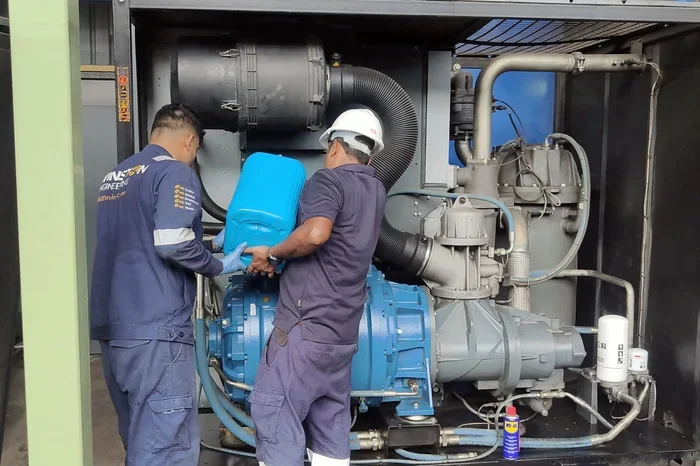
Sae 30 Air Compressor Oil Guide for Better Performance
Sae 30 air compressor oil is a single-grade lubricant designed to keep your compressor running smoothly, cool, and efficient. It reduces friction, prevents overheating, and extends the life of your machine. Whether you own a rotary screw or piston compressor, choosing the right compressor oil makes a massive difference in daily performance and long-term reliability.
If you own an air compressor, you already know how important it is to keep it well-maintained. One of the simplest yet most overlooked maintenance tasks is choosing the right oil. Sae 30 air compressor oil has been a go-to choice for decades, and for good reason. It offers reliable lubrication, solid thermal stability, and protection against wear and tear.
But what exactly makes sae 30 oil different from other compressor oils? When should you use it, and when should you look for alternatives? This guide breaks everything down in plain, simple terms. By the end, you will know exactly what kind of oil your compressor needs and why it matters so much.
Whether you run a small workshop compressor or a heavy-duty industrial unit, understanding your lubricant options is essential. Let us dive into the world of air compressor lubricant and see why sae 30 remains a popular choice among professionals and hobbyists alike.
Key Takeaways
- Sae 30 oil is a single-grade lubricant ideal for many air compressors, especially in moderate temperature environments.
- Using the wrong oil viscosity can cause overheating, increased wear, and premature compressor failure.
- Synthetic and mineral-based sae 30 options each have unique benefits depending on your usage and climate.
- Regular oil changes and proper maintenance significantly improve compressor performance and lifespan.
- Always check your compressor manual before selecting oil, as some manufacturers have specific requirements.
- Sae 30 oil works well for older compressors and warm-weather operation but may not suit extremely cold conditions.
📑 Table of Contents
- What Is Sae 30 Air Compressor Oil?
- Why Sae 30 Oil Matters for Compressor Performance
- When to Use Sae 30 Oil vs. Other Viscosity Grades
- How to Choose the Right Sae 30 Oil for Your Compressor
- Common Mistakes When Using Sae 30 Compressor Oil
- Quick Tips for Maintaining Your Compressor Oil System
- How Sae 30 Oil Compares to Oil-Free Compressor Options
- Expert Insights on Sae 30 Compressor Oil Selection
- Key Takeaways
- Conclusion
What Is Sae 30 Air Compressor Oil?
Sae 30 air compressor oil is a single-grade lubricant that follows the Society of Automotive Engineers (SAE) viscosity classification. The number 30 refers to its viscosity rating at operating temperature. This means it has a medium thickness that flows well when warm but becomes slightly thicker when cold.
Unlike multi-grade oils such as 10W-30 or 20W-50, sae 30 oil does not change its viscosity with temperature swings. It stays consistent. This consistency is exactly what makes it reliable for compressor applications where steady lubrication is key.
How Sae 30 Oil Works Inside Your Compressor
Inside your compressor, metal parts move at high speeds and under significant pressure. Without proper lubrication, these parts would grind against each other, creating heat, friction, and eventually damage. Sae 30 compressor oil forms a protective film between moving components. This film reduces friction and carries heat away from critical parts.
The oil also helps seal the compression chamber, preventing air leaks that would reduce your compressor efficiency. Think of it as the lifeblood of your machine. Without it, everything slows down, overheats, or breaks entirely.
Common Types of Sae 30 Compressor Oil
Not all sae 30 air compressor oil products are the same. There are two main categories you should know about:
- Mineral-Based Sae 30 Oil: This is the traditional option. It is made from refined petroleum and works well in standard operating conditions. It is affordable and widely available at most hardware and industrial supply stores.
- Synthetic Sae 30 Oil: This type is engineered in a lab for superior performance. It offers better thermal stability, longer change intervals, and improved protection against oxidation. Synthetic compressor oil costs more but lasts longer, making it a smart choice for heavy users.
Both types come in sae 30 viscosity. The difference lies in the base stock and the additives packaged with the oil. Always check the product label to confirm it is designed specifically for air compressors.
Why Sae 30 Oil Matters for Compressor Performance
Using the right oil for air compressor units is not just a recommendation — it is essential. The wrong oil can lead to poor performance, higher energy bills, and expensive repairs. Here is why sae 30 oil plays such a critical role.
Reduces Friction and Wear
Every compressor has pistons, rings, bearings, and vanes that rely on smooth movement. Sae 30 air compressor oil creates a thin but effective lubricating layer between these parts. This layer minimizes metal-to-metal contact, which directly reduces wear over time.
Less wear means fewer breakdowns. It also means your compressor stays efficient for years instead of failing prematurely. For anyone running a piston compressor or a small rotary unit, this alone is a huge benefit.
Helps Manage Heat
Compressors generate a lot of heat during operation. Friction from moving parts plus the heat of compressed air both contribute to high temperatures inside the tank and motor. Sae 30 oil absorbs and dissipates this heat, keeping internal components within safe operating ranges.
When oil breaks down from excessive heat, it loses its lubricating properties. This is why choosing a compressor oil with good thermal stability — like quality sae 30 — is so important. It handles heat without breaking down quickly.
Improves Energy Efficiency
Here is something many users overlook. Properly lubricated compressors run more efficiently. When parts move smoothly without friction, the motor does not have to work as hard. This translates to lower electricity consumption and reduced operating costs over time.
If you have noticed your compressor seems to be working harder than it should, old or wrong oil might be the culprit. Switching to the correct sae 30 air compressor oil can make an immediate difference in performance.
When to Use Sae 30 Oil vs. Other Viscosity Grades
Choosing the right viscosity grade depends on several factors, including your compressor type, the ambient temperature, and how often you use the machine. Sae 30 oil works best in specific situations, and knowing when to use it — and when to choose something else — is key.
Ideal Conditions for Sae 30 Oil
Sae 30 air compressor oil shines in moderate to warm environments. If you operate your compressor in a garage, workshop, or outdoor setting where temperatures stay above 40°F, sae 30 is an excellent choice. It flows well at these temperatures and provides consistent lubrication.
It is also ideal for compressors that run for extended periods at steady loads. The consistent viscosity means the oil maintains its protective film even during long duty cycles. This makes sae 30 a favorite for industrial applications and serious workshop use.
When to Avoid Sae 30 Oil
Sae 30 oil becomes too thick in cold weather. If you store or operate your compressor in temperatures below freezing, a multi-grade oil like 10W-30 or 20W-50 is a better option. These oils flow more easily in the cold, ensuring proper lubrication during startup.
Also, some modern compressors — especially certain rotary screw compressors — require specific synthetic oils formulated for their design. Always consult your owner manual before switching oils. Using sae 30 in a compressor that requires a different grade can void your warranty and cause damage.
Comparison Table: Sae 30 vs. Common Alternatives
| Oil Type | Viscosity | Best For | Cold Weather | Hot Weather |
|---|---|---|---|---|
| Sae 30 | Single-grade | Moderate temps, steady loads | Poor | Excellent |
| 10W-30 | Multi-grade | Cold starts, variable temps | Good | Good |
| 20W-50 | Multi-grade | High-temp, heavy-duty use | Fair | Excellent |
| Synthetic Sae 30 | Single-grade (synthetic) | Extended use, high performance | Moderate | Excellent |
This table shows why sae 30 air compressor oil is a strong pick for warm-weather and steady-operation scenarios. But it also highlights the limitations in colder climates, where multi-grade oils take the lead.
How to Choose the Right Sae 30 Oil for Your Compressor
Not every sae 30 oil is created equal. The market is full of products, and picking the right one for your compressor requires a bit of knowledge. Here is what to look for.
Check Your Compressor Manual First
This step cannot be skipped. Your compressor manufacturer knows the machine best. The manual will specify the recommended oil type, viscosity, and change interval. Some brands require synthetic compressor oil even if sae 30 viscosity is listed. Always follow their guidance to avoid problems.
Look for Anti-Wear Additives
Quality air compressor lubricant products include anti-wear additives that protect metal surfaces under high pressure. These additives form an extra layer of protection on cylinder walls and bearings. When shopping for sae 30 oil, look for products that explicitly mention anti-wear or anti-friction properties.
Consider Your Usage Frequency
If you use your compressor daily for hours at a time, synthetic sae 30 oil is worth the investment. It resists oxidation better and lasts longer between changes. For occasional weekend use, a standard mineral-based sae 30 oil will work perfectly fine and save you money.
Verify Compatibility with Your Compressor Type
Different compressors have different lubrication needs. A piston compressor and a rotary screw compressor both may use sae 30 viscosity, but the oil formulation can differ. Rotary screw units often need oil with specific additives for valve and rotor protection. Always match the oil to your compressor type.
Common Mistakes When Using Sae 30 Compressor Oil
Even experienced compressor owners make mistakes with oil selection and maintenance. Avoiding these common errors will save you time, money, and headaches.
Using Motor Oil Instead of Compressor Oil
This is one of the most frequent mistakes. Automotive motor oil contains detergents and additives designed for engines, not compressors. These additives can create sludge inside your compressor tank and damage internal components. Always use oil specifically formulated as air compressor lubricant, even if it shares the same sae 30 viscosity.
Ignoring Oil Change Intervals
Oil degrades over time. Heat and pressure break down the lubricating properties of sae 30 oil. If you skip oil changes, your compressor will experience increased friction, higher temperatures, and accelerated wear. Most manufacturers recommend changing oil every 500 to 1,000 operating hours, or at least once a year for occasional users.
Overfilling or Underfilling the Oil Reservoir
Both extremes cause problems. Too much oil leads to excessive pressure and potential leaks. Too little oil means insufficient lubrication, which causes overheating and premature failure. Always check the oil level sight glass or dipstick and maintain it at the recommended level.
Mixing Different Oil Types
Do not mix mineral-based and synthetic oils unless your compressor manual explicitly allows it. Different formulations can react with each other and reduce the oil’s effectiveness. Stick with one type of sae 30 air compressor oil and stick with it consistently.
Quick Tips for Maintaining Your Compressor Oil System
- Check oil levels before every use. A quick glance at the sight glass takes seconds but prevents serious problems.
- Drain old oil when it turns dark or gritty. Clean oil is amber or golden. Dark brown or black oil needs replacing immediately.
- Replace the oil filter during every oil change. A clean filter keeps contaminants out and extends oil life.
- Store your compressor in a temperature-controlled area when possible. Extreme heat and cold both degrade oil faster.
- Use the same brand and type of oil for consistency. Mixing brands can lead to additive incompatibility.
- Set a calendar reminder for oil changes. It is easy to forget, and skipping changes is one of the fastest ways to shorten compressor life.
How Sae 30 Oil Compares to Oil-Free Compressor Options
Some compressors come marketed as oil-free units. These models do not require you to add or change compressor oil. Instead, they use pre-lubricated components that last the life of the machine. So when does sae 30 oil still make sense?
Oil-free compressors are great for light-duty tasks and home users who want low maintenance. However, they typically have shorter lifespans and cannot handle the same continuous duty cycles as oil-lubricated models. If you run your compressor for hours every day in a professional setting, an oil-lubricated unit using sae 30 air compressor oil will outperform and outlast an oil-free alternative.
The trade-off is clear. Oil-free means less maintenance but less durability. Oil-lubricated with sae 30 means more upkeep but better performance and longer service life. Choose based on your usage patterns and needs.
Expert Insights on Sae 30 Compressor Oil Selection
Industry professionals consistently recommend sae 30 oil for most standard air compressors operating in moderate climates. According to compressor maintenance experts, the key is matching the oil to the machine and the environment, not simply picking the most expensive option.
One important insight from seasoned technicians is that oil temperature matters as much as oil viscosity. Compressors that run hot — especially in summer or in poorly ventilated spaces — benefit from oils with high thermal oxidation stability. Premium sae 30 synthetic oils handle these conditions far better than budget mineral oils.
Another expert tip is to never ignore oil analysis. If you notice a burnt smell, dark color, or reduced performance, get the oil changed immediately. Running degraded compressor oil is like running an engine without oil. The damage happens fast and is often irreversible.
For users who have experienced their compressor shutting off unexpectedly during operation, oil-related issues are often the cause. Overheating from degraded or incorrect oil can trigger thermal protection shutdowns. If you have ever wondered why does my generator shut off after 30 minutes, similar thermal and lubrication principles apply to compressors as well.
Key Takeaways
- Sae 30 air compressor oil is a single-grade lubricant that provides reliable protection for most standard compressors in moderate temperatures.
- It reduces friction, manages heat, and improves energy efficiency, all of which extend your compressor lifespan.
- Choose synthetic sae 30 for heavy or extended use, and mineral-based sae 30 for lighter, occasional duty.
- Always use oil specifically formulated for air compressors, not automotive motor oil or general-purpose lubricants.
- Follow your manufacturer recommended oil change schedule and never skip filter replacements.
- Oil-free compressors work for light tasks, but oil-lubricated models with sae 30 oil deliver superior durability and performance.
Conclusion
Sae 30 air compressor oil remains one of the most trusted and widely used lubricants in the compressor world. Its single-grade consistency, reliable performance, and broad compatibility make it a smart choice for a wide range of compressors and operating conditions. Whether you are a weekend warrior in the garage or a professional running a busy workshop, getting the oil right is one of the simplest ways to protect your investment.
Remember to always check your compressor manual, choose the right type of sae 30 oil for your climate and usage, and stick to a regular maintenance schedule. These small habits add up to years of reliable, efficient compressor operation. Take care of your lubricant, and your compressor will take care of you.
Start by inspecting your current oil today. If it is dark, gritty, or past its change date, make the switch to quality sae 30 air compressor oil. Your compressor will thank you with better performance, lower energy costs, and a longer working life.
Frequently Asked Questions
Can I use sae 30 oil in my rotary screw compressor?
It depends on your manufacturer recommendations. Many rotary screw compressors can use sae 30 air compressor oil, but some require specific synthetic formulations. Always check the owner manual before adding any oil to a rotary screw unit.
How often should I change sae 30 compressor oil?
For most compressors, oil changes are recommended every 500 to 1,000 operating hours. If you use your compressor infrequently, change the oil at least once per year. Regular oil changes keep your compressor oil fresh and your machine running smoothly.
Is sae 30 oil the same as motor oil?
No. Although sae 30 is a viscosity grade used in both compressor oil and motor oil, the formulations are different. Compressor oil contains additives specifically designed for air compression, heat management, and moisture resistance. Motor oil contains detergents that can harm compressor internals.
Can I mix sae 30 oil with a multi-grade oil?
It is best not to mix different oil types. Combining sae 30 with a multi-grade oil like 10W-30 can alter the viscosity and reduce the effectiveness of the lubricant. Stick with one oil type and change it completely during each service interval.
What happens if I use the wrong oil in my compressor?
Using the wrong air compressor lubricant can lead to increased friction, overheating, sludge buildup, and premature wear on internal components. In severe cases, it can cause compressor failure. Always use oil that matches your manufacturer specifications.
Can sae 30 oil be used in cold weather?
Sae 30 oil becomes thicker in cold temperatures, which can impair flow and lubrication during startup. If you operate your compressor in temperatures below 40°F, a multi-grade oil such as 10W-30 is a better choice. For cold-weather storage, consider using a winter-grade alternative.