Can a Portable Generator Power a House During Outages
Yes, a portable generator can power your house during an outage, but it depends on the size of the generator and your home’s energy needs. Understanding wattage requirements, safe connection methods, and power management is essential before you plug anything in. This guide walks you through everything you need to know to make an informed decision.
Power outages happen when you least expect them. A storm rolls in, a tree falls on a line, or the grid simply fails. In those moments, having a backup power source becomes more than a convenience. It becomes a necessity. Many homeowners turn to portable generators as their first line of defense. But the real question is, can a portable generator power a house effectively? The short answer is yes. The longer answer involves understanding your home’s power needs, choosing the right equipment, and following safety guidelines that protect both you and your family.
This article breaks down everything you need to know about using a portable generator to power your home during outages. We will cover sizing, setup, safety, and practical tips that make a real difference. Whether you are dealing with a short blackout or a multi-day outage, you will find the information you need right here.
Key Takeaways
- Portable generators can power essential home circuits: You just need the right size and proper setup.
- Wattage matters most: Know your running and surge wattage before buying a generator.
- Never plug a generator directly into a wall outlet: Use a transfer switch to stay safe and legal.
- Fuel type and tank capacity affect runtime: Dual fuel options give you more flexibility during long outages.
- Power management is key: Prioritize essential appliances to avoid overloading your generator.
- Safety first: Always run a portable generator outdoors and away from open windows.
- Regular maintenance keeps your generator ready: Test it before you actually need it.
📑 Table of Contents
- What Can a Portable Generator Power in Your Home?
- How to Choose the Right Generator Size for Your House
- Portable Generator vs. Standby Generator: Which Is Better?
- How to Safely Connect a Portable Generator to Your Home
- Tips for Running a Portable Generator During an Outage
- Common Mistakes People Make with Portable Generators
- How Long Can a Portable Generator Run Continuously?
- Expert Insights on Portable Generator Power
- Final Thoughts on Using a Portable Generator to Power Your Home
What Can a Portable Generator Power in Your Home?
Before you buy or use a portable generator, you need to understand what it can actually handle. Not all generators are created equal. Some are small and lightweight. Others are heavy-duty units that can run multiple appliances at once. The key is matching the generator’s output to your household needs.
Essential vs. Non-Essential Circuits
During a power outage, you cannot run everything in your home at the same time. That is where the concept of essential circuits comes in. Essential circuits include the items you truly need to keep functioning. Think about your refrigerator, a few lights, your furnace blower, and maybe a sump pump. Non-essential circuits include things like the television, the microwave, or the washing machine.
Most portable generators can handle essential circuits without much trouble. A unit rated at 5,000 to 7,500 watts can typically run a refrigerator, a few lights, and a space heater simultaneously. If you try to push it beyond that, you will trip the breaker or damage your appliances.
Running Wattage vs. Surge Wattage
Here is something many people overlook. Every appliance has two power ratings. The first is running wattage. This is the continuous power the appliance needs to stay on. The second is surge wattage. This is the extra power needed when the appliance starts up.
For example, a refrigerator might need 700 watts to run continuously. But when the compressor kicks on, it needs a burst of 2,200 watts. If your generator cannot handle that surge, the unit will stall or shut down. Always check both numbers before you connect anything.
Common Appliances and Their Power Needs
Understanding what your appliances draw helps you plan better. Here are some common examples:
- Refrigerator: 700 running watts, 2,200 surge watts
- Freezer: 500 running watts, 1,500 surge watts
- Window AC Unit: 1,000 running watts, 2,200 surge watts
- Space Heater: 1,500 running watts, 1,500 surge watts
- Sump Pump: 800 running watts, 1,300 surge watts
- Lights (per bulb): 60-100 watts each
- Laptop: 50-100 watts
- Phone Charger: 5-20 watts
Add these up carefully. If your total exceeds the generator’s rated output, you need to prioritize or upgrade your unit.
How to Choose the Right Generator Size for Your House
Choosing the right generator size is the single most important decision you will make. A unit that is too small will fail when you need it most. A unit that is too large wastes money and fuel. The goal is to find the sweet spot that meets your needs without overspending.
Calculate Your Total Power Needs
Start by listing every appliance you want to run during an outage. Add up the running wattage for each one. Then check the surge wattage for any motor-driven devices like refrigerators or air conditioners. Use the higher of the two numbers for each item. The total gives you a baseline for the generator size you need.
For most homes, a portable generator in the 5,000 to 8,000 watt range handles essential circuits well. Larger homes or those with central air conditioning may need 10,000 watts or more.
Types of Portable Generators
Not all portable generators work the same way. Here is a quick look at the main types:
- Conventional Generators: These are the traditional units that run on gasoline or propane. They are affordable and widely available. However, they tend to be louder and less fuel-efficient.
- Inverter Generators: These produce cleaner power that is safe for sensitive electronics like laptops and phones. They are also quieter and more fuel-efficient. The tradeoff is a higher price tag.
- Dual Fuel Generators: These units can run on both gasoline and propane. This gives you flexibility when fuel supplies are limited during a prolonged outage.
Match the Generator to Your Lifestyle
Think about how you use your home. Do you work from home and need a reliable internet connection and computer? Do you have medical equipment that must run continuously? These factors change your power needs significantly. A backup power plan should reflect your real daily life, not just a theoretical list of appliances.
Portable Generator vs. Standby Generator: Which Is Better?
When homeowners think about whole house generator options, they often compare portable units to standby generators. Both have their place. But they serve very different needs and budgets.
Portable Generators
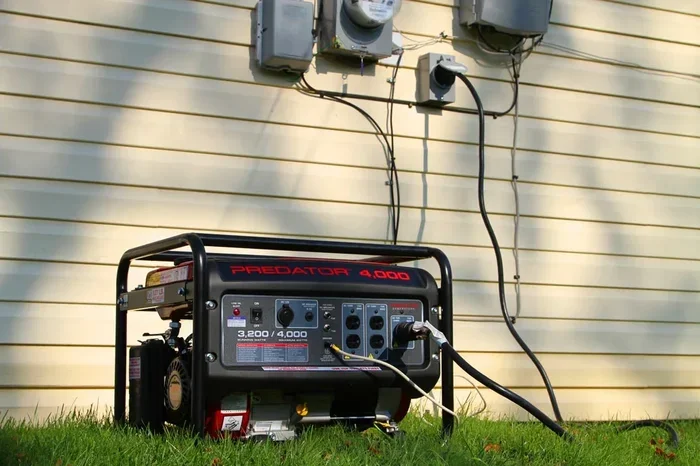
A portable generator is affordable, easy to move, and requires no permanent installation. You can store it in your garage and bring it out when needed. Prices range from a few hundred dollars to around a thousand for quality units. The downside is that you need to manually set it up each time, refuel it, and manage the power load yourself.
Standby Generators
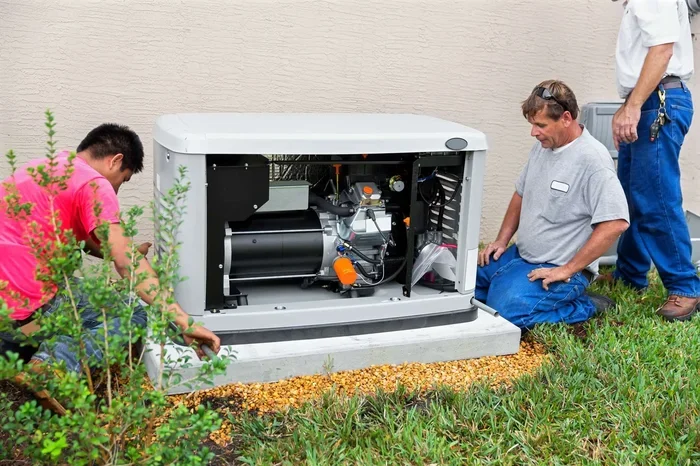
A standby generator is a permanent installation outside your home. It connects directly to your electrical system and kicks on automatically when the power goes out. These units can run on natural gas or propane and can power an entire house. However, they cost significantly more, often between $3,000 and $10,000 installed.
Which One Should You Choose?
If you want affordable emergency power for essential circuits, a portable generator is the way to go. If you want automatic, whole-home coverage and have a larger budget, a standby generator makes more sense. Many homeowners start with a portable unit and upgrade to a standby later.
| Feature | Portable Generator | Standby Generator |
|---|---|---|
| Cost | $300 – $1,000 | $3,000 – $10,000 |
| Installation | None required | Professional installation needed |
| Fuel Type | Gasoline, propane | Natural gas, propane |
| Runtime | 8-24 hours per tank | Days to weeks (connected to gas line) |
| Automatic Start | No | Yes |
| Portability | High | None (permanent) |
| Power Capacity | 3,000 – 10,000+ watts | 7,000 – 20,000+ watts |
How to Safely Connect a Portable Generator to Your Home
Safety is the most critical part of using a portable generator at home. A wrong connection can damage your appliances, start a fire, or even endanger utility workers. You must follow proper procedures every single time.
Never Backfeed Into Your Home’s Wiring
This cannot be stressed enough. Never plug a generator directly into a wall outlet. This practice, known as backfeeding, sends power backward through your electrical panel and into the utility lines. It is extremely dangerous for linemen working to restore power. It is also illegal in most areas.
Use a Transfer Switch
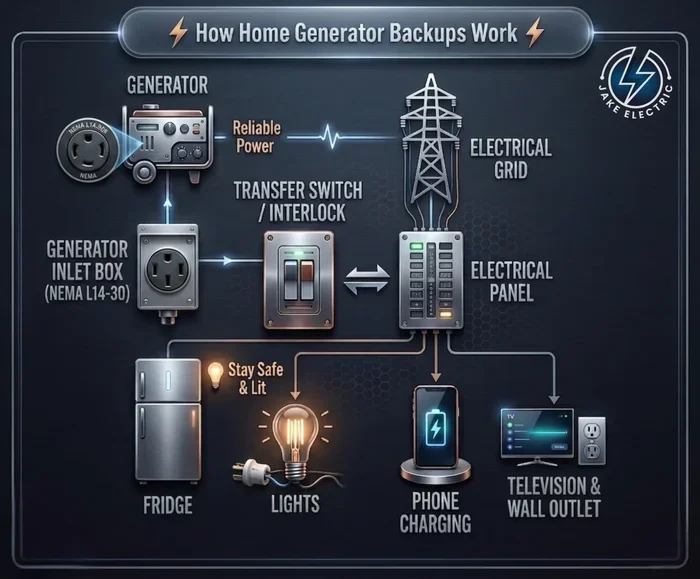
The safest way to connect a generator to your home is through a transfer switch. This device sits between your generator and your home’s electrical panel. It prevents backfeeding and lets you switch between grid power and generator power safely. A licensed electrician should install the transfer switch for you.
There are two types of transfer switches. A manual transfer switch requires you to flip the switch by hand. An automatic transfer switch detects power loss and switches over on its own. Both options work well with portable generators when properly installed.
Use Heavy-Duty Extension Cords
If you do not want to install a transfer switch, you can use heavy-duty extension cords to connect appliances directly to the generator. Use cords rated for outdoor use and with a gauge thick enough to handle the load. A 12-gauge cord works for most household appliances. For longer runs, use a 10-gauge cord to reduce voltage drop.
Ground Your Generator Properly
Every portable generator should be grounded according to the manufacturer’s instructions. This protects you from electrical shock and ensures the unit operates safely. Use a grounding rod and connect it to the generator’s grounding bolt. This simple step can prevent serious accidents.
Tips for Running a Portable Generator During an Outage
Once you have the right generator and a safe setup, you need to know how to use it effectively during a real outage. These practical tips make a big difference in performance and safety.
Place the Generator Outdoors and Away from Windows
Always run your generator outside. Never use it in a garage, basement, or any enclosed space. Generator exhaust contains carbon monoxide, which is odorless and deadly. Place the unit at least 20 feet from your home with the exhaust facing away from windows and doors.
Let the Generator Warm Up Before Connecting Loads
Start the generator and let it run for a few minutes before you plug anything in. This allows the engine to stabilize and reach optimal operating conditions. Connecting heavy loads immediately can strain the unit and reduce its lifespan.
Manage Your Load Carefully
Do not plug in everything at once. Start with the most essential items first, like your refrigerator and lights. Wait a few minutes to see how the generator handles the load before adding more. If the generator starts to struggle, reduce the load immediately.
Refuel Safely
Never refuel a generator while it is running. Turn it off and let it cool for at least 10 minutes before adding fuel. Gasoline spilled on a hot engine can ignite instantly. Store fuel in approved containers and keep them away from the generator while it runs.
Use a Power Management Plan
Create a simple power management plan before an outage happens. Decide which circuits or appliances are priorities. Label your breaker box if needed. When the power goes out, you will not waste time figuring out what to plug in first.
Common Mistakes People Make with Portable Generators
Even well-meaning homeowners make mistakes when using portable generators. Learning from these errors helps you avoid costly damage and dangerous situations.
Underestimating Power Needs
The most common mistake is buying a generator that is too small. People often calculate only running wattage and forget about surge wattage. This leads to tripped breakers, stalling engines, and damaged appliances. Always calculate your total load including surge requirements.
Overloading the Generator
Plugging too many appliances into one generator is another frequent error. When the total load exceeds the generator’s capacity, the unit overheats. This can damage the engine, blow fuses, or even start a fire. Stick to essential loads and keep the total under 80 percent of the generator’s rated capacity for best performance.
Ignoring Maintenance
A generator that sits unused for months is unreliable when you need it. Fuel degrades over time, oil needs changing, and air filters get clogged. Run your generator under load for at least 15 minutes every few months. Change the oil and filter according to the manufacturer’s schedule. A little maintenance goes a long way.
Neglecting Fuel Storage
During a long outage, you will need more fuel than you think. Many people run out of gasoline before the power comes back. Store fuel in approved containers and rotate your supply regularly. Add fuel stabilizer to stored gasoline so it remains usable for up to 12 months.
Skipping the Transfer Switch
Some homeowners skip the transfer switch to save money or avoid the hassle of hiring an electrician. This is a dangerous shortcut. Without a transfer switch, you risk backfeeding, electrical fires, and code violations. The small investment in a transfer switch pays for itself in safety and peace of mind.
How Long Can a Portable Generator Run Continuously?
The runtime of a portable generator depends on the fuel tank size and the load you are running. Most units have tanks that hold between 1 and 3 gallons of gasoline. At half load, a typical generator can run for 8 to 12 hours on a full tank. At full load, runtime drops significantly.
If you need longer runtime, consider a dual fuel generator that can run on propane. A 20-pound propane tank can extend your runtime to 24 hours or more. Some homeowners connect their generator to a large propane tank with a gas line, which allows multi-day operation without refueling.
Keep in mind that running a generator at full load for extended periods shortens its lifespan. Try to keep the load at 50 to 75 percent of capacity for the best balance of performance and durability.
Expert Insights on Portable Generator Power
We spoke with several electricians and generator specialists to get their top advice for homeowners considering a portable generator for home backup. Here is what the experts had to say.
Always invest in a transfer switch, says Mike Torres, a licensed electrician with 15 years of experience. It is the difference between a safe setup and a dangerous one. Many homeowners try to cut corners, and it always ends badly.
Size up your needs honestly, adds Sarah Chen, a backup power consultant. People often forget about well pumps, sump pumps, and medical devices. These hidden loads can push your total power needs higher than you expect. Write everything down and add it all up before you buy.
Maintain your generator like you maintain your car, advises James Whitfield, a small engine specialist. Regular oil changes, fuel stabilizer, and exercise runs keep the unit ready for action. A generator that has been sitting for a year will often fail to start when you need it most.
Final Thoughts on Using a Portable Generator to Power Your Home
The answer to whether a portable generator can power a house is a clear yes. With the right size, proper setup, and safe operating practices, a portable generator keeps your essential circuits running during any outage. You do not need a massive standby unit to stay comfortable and safe when the lights go out.
Start by calculating your power needs honestly. Choose a generator size that meets those needs with room to spare. Invest in a transfer switch and follow all safety guidelines. Keep your fuel supply stocked and maintain your unit regularly. These steps ensure your backup power system works exactly when you need it.
A power outage does not have to mean going dark. With the right preparation and a reliable portable generator, you can keep your home running smoothly no matter what happens. Take the time now to plan and prepare. Your future self will thank you when the next storm hits and the lights stay on.
Frequently Asked Questions
Can a portable generator power an entire house?
A portable generator can power essential circuits in your home, but it typically cannot run your entire house at once. Most portable units range from 3,000 to 10,000 watts, which is enough for refrigerators, lights, and a few other key appliances. To power your full home, you would need a standby generator rated at 15,000 watts or more.
What size portable generator do I need to run my house?
The size depends on what you want to run. Add up the running and surge wattage of all essential appliances. For most homes, a 5,000 to 8,000 watt generator handles the basics. If you need central air conditioning, look for a unit rated at 10,000 watts or higher.
Is it safe to run a portable generator indoors?
No, never run a portable generator indoors or in an enclosed space. The exhaust contains carbon monoxide, which is colorless and odorless and can be fatal within minutes. Always run the generator outside at least 20 feet from your home with the exhaust pointed away from windows and doors.
Do I need a transfer switch for my portable generator?
Yes, a transfer switch is strongly recommended. It prevents backfeeding into utility lines, which is dangerous for workers and illegal in most areas. A transfer switch also lets you safely power circuits in your home without running extension cords through windows or doors.
How long can a portable generator run continuously?
Most portable generators run for 8 to 12 hours on a full tank of gasoline at moderate load. Dual fuel models running on propane can last 24 hours or more with a standard 20-pound tank. Always check the manufacturer’s rated runtime for your specific model.
Can I connect a portable generator directly to my home’s electrical panel?
You should never connect a generator directly to your electrical panel without a transfer switch. Doing so risks backfeeding, which can energize utility lines and endanger workers. A licensed electrician can install a proper transfer switch that makes your setup safe and code-compliant.