How Much Does an AC Compressor for Your Car Really Cost
The cost of an AC compressor for a car typically ranges from $500 to $2,500 for the part alone, with total replacement costs reaching $1,000 to $3,500. Your final price depends on the vehicle make and model, whether you choose OEM or aftermarket parts, and labor rates in your area. This guide breaks down every cost factor so you know exactly what to expect before visiting a mechanic.
Have you ever stepped into your car on a scorching summer day, cranked the AC, and heard nothing but silence? That sinking feeling often points to one culprit: a failing AC compressor. Before you panic about the repair bill, let’s talk honestly about what you’re actually looking at cost-wise. Understanding how much is an AC compressor for a car saves you from surprise bills and helps you make smart decisions. This guide covers every angle, from part prices to hidden costs you might not expect.
Whether you drive a compact sedan or a full-size truck, the AC compressor is the heart of your vehicle’s cooling system. Without it, your car becomes an oven on wheels. The good news? You have options at every budget level. Let’s dive into the numbers and give you the full picture.
Key Takeaways
- Part costs vary widely: A standalone AC compressor ranges from $500 to $2,500 depending on your vehicle and part type.
- Labor adds significant cost: Expect to pay $200 to $1,000 in labor for compressor replacement.
- OEM vs aftermarket matters: OEM compressors cost more but offer better reliability and warranty coverage.
- Related repairs add up: Condenser, receiver dryer, and refrigerant costs can increase the total bill substantially.
- DIY is possible: Experienced DIYers can save hundreds by replacing the compressor themselves.
- Preventive maintenance helps: Regular AC service can extend compressor life and avoid costly replacements.
📑 Table of Contents
- What Does an AC Compressor Do in Your Car?
- How Much Is an AC Compressor for a Car: Part Costs
- Total Replacement Cost: Part Plus Labor
- Common Signs Your AC Compressor Is Failing
- Factors That Affect AC Compressor Cost
- Can You Replace an AC Compressor Yourself?
- How to Save Money on AC Compressor Replacement
- How Long Does an AC Compressor Last?
- The Hidden Costs People Forget
- When Should You Replace vs Repair?
- Final Thoughts on AC Compressor Costs
What Does an AC Compressor Do in Your Car?
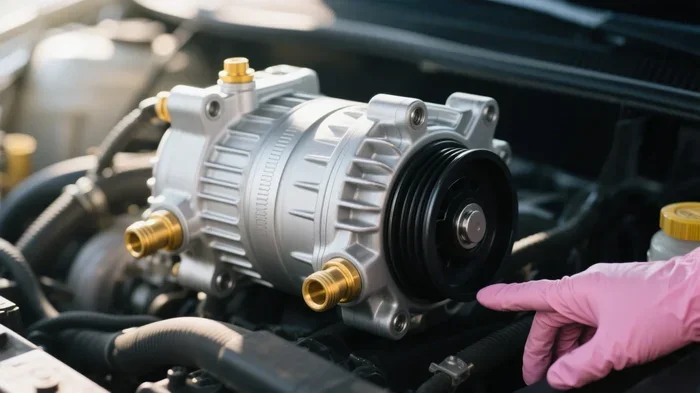
Before we talk costs, it helps to understand what this part actually does. The AC compressor pumps refrigerant through your car’s air conditioning system. It compresses the gas, raises its pressure, and sends it to the condenser where heat gets released. This cycle repeats continuously to keep your cabin cool.
Think of the compressor as the engine of your AC system. If it fails, the entire cooling process stops. You’ll notice warm air blowing from the vents, unusual noises from the engine bay, or even fluid leaks underneath your car. These symptoms often mean the compressor needs attention, and that’s when the real question begins: how much will this fix cost me?
Several factors determine the final price. Your vehicle type, the severity of the damage, and whether other components got damaged too all play a role. Let’s break each one down so you know exactly what to expect.
How Much Is an AC Compressor for a Car: Part Costs
The price of the compressor itself varies a lot. Here’s a general breakdown to give you a starting point:
- Aftermarket compressors: $300 to $800. These are third-party replacements that work well for most vehicles.
- OEM (Original Equipment Manufacturer) compressors: $600 to $2,500. These are factory-made parts designed specifically for your vehicle.
- Remanufactured compressors: $200 to $500. These are rebuilt units that offer a budget-friendly option.
The wide range exists because compressors differ by vehicle size, engine type, and system complexity. A compact car like a Honda Civic needs a smaller, simpler compressor than a full-size SUV. Luxury vehicles with dual-zone climate control often use more advanced units that cost significantly more.
When shopping for a replacement, you’ll also need to consider whether the compressor comes with a clutch. Some units include the clutch and pulley assembly, while others sell the compressor body only. Buying a complete unit saves you the hassle of transferring parts from the old compressor.
OEM vs Aftermarket: Which Is Worth It?
This is one of the most common debates among car owners. OEM parts come from the same manufacturer that built your vehicle. They fit perfectly, match the original specifications, and usually come with a warranty. Aftermarket parts are made by third-party companies and can vary in quality.
For AC compressor replacement cost, OEM parts typically cost 30 to 50 percent more than aftermarket options. But they also tend to last longer and fail less often. If you plan to keep your car for many years, investing in an OEM compressor often makes sense. If you need a quick, budget-friendly fix, a quality aftermarket unit works just fine for most situations.
Pro tip: Always check the warranty. Many reputable aftermarket brands offer lifetime warranties that rival OEM coverage. Don’t assume the cheapest option is the best value.
Total Replacement Cost: Part Plus Labor
The compressor part is only one piece of the puzzle. Labor costs can significantly increase your total bill. Here’s what the full replacement typically looks like:
| Cost Component | Low Range | Average Range | High Range |
|---|---|---|---|
| Compressor Part | $300 | $800 | $2,500 |
| Labor | $200 | $500 | $1,000 |
| Refrigerant Recharge | $100 | $200 | $400 |
| Additional Parts | $50 | $150 | $500 |
| Total | $650 | $1,650 | $4,400 |
As you can see, the total AC compressor replacement cost for a car ranges from about $650 on the low end to over $4,000 in worst-case scenarios. Most drivers fall somewhere in the $1,000 to $2,500 range for a standard replacement.
Labor costs depend heavily on your location and the mechanic’s hourly rate. Dealerships typically charge more than independent shops. Rural areas often have lower labor rates than major cities. Always ask for a detailed estimate before authorizing any work.
Why Labor Costs So Much
Replacing an AC compressor isn’t a simple 10-minute job. The technician needs to evacuate the old refrigerant safely, disconnect electrical connections, remove belt drives, unbolt the old unit, install the new one, recharge the system, and test everything. This process takes several hours, and each hour adds to your bill.
Some vehicles make the job harder than others. Engines with tight engine bays or unusual compressor mounting positions require extra time and patience. If your car has a serpentine belt system that needs special tools to release tension, that adds even more labor time.
Common Signs Your AC Compressor Is Failing
Catching compressor problems early can save you hundreds of dollars. Here are the most common warning signs to watch for:
- Warm air from vents: The most obvious sign. If your AC blows warm air even on max cooling, the compressor may not be engaging.
- Strange noises: Grinding, squealing, or clicking sounds from the engine bay often indicate a failing compressor bearing or clutch.
- Visible leaks: Oil or refrigerant spots under your car suggest internal seal failure in the compressor.
- Clutch not engaging: If you don’t hear the compressor clutch engage when you turn on the AC, there could be an electrical or mechanical problem.
- Tripping circuit breakers: A failing compressor can draw too much power and cause electrical issues.
If you notice any of these symptoms, don’t ignore them. A failing compressor can damage other parts of the AC system, including the condenser and evaporator. Early intervention usually means a lower repair bill.
Factors That Affect AC Compressor Cost
Not all compressor replacements cost the same. Several key factors influence your final bill:
Vehicle Make and Model
Luxury vehicles and European imports almost always cost more to repair. Parts for a BMW or Mercedes-Benz AC compressor run significantly higher than those for a Toyota or Honda. Domestic trucks and SUVs also tend to have pricier compressors due to their larger systems.
Extent of Damage
If the compressor seized and damaged other components, you’ll face additional repair costs. A seized compressor can contaminate the entire system with metal debris, requiring a full system flush or even replacement of the condenser and receiver dryer.
Refrigerant Type
Older vehicles use R-134a refrigerant, which is relatively affordable. Newer cars may use R-1234yf, which costs significantly more. The refrigerant type directly impacts the recharge cost after replacement.
Where You Live
Labor rates vary by region. A mechanic in a major metropolitan area charges more than one in a small town. Dealerships in expensive cities also tend to have higher service fees.
Can You Replace an AC Compressor Yourself?
For experienced DIYers, replacing an AC compressor is a doable weekend project. You’ll need basic hand tools, a refrigerant recovery machine, and a vacuum pump to properly evacuate and recharge the system. The part itself is the biggest expense, and doing it yourself eliminates the labor markup entirely.
However, handling refrigerant requires EPA certification in the United States. Releasing refrigerant into the atmosphere is illegal and carries significant fines. You’ll need to either get certified or have a certified technician handle the refrigerant portion of the job.
If you have the tools and skills, you can save $300 to $800 in labor costs by doing the replacement yourself. Just make sure you follow proper safety procedures and dispose of refrigerant responsibly.
Some car owners also wonder about the cost of related systems. For example, if you’re curious about how much a whole home generator costs, you can read our guide on how much a whole home generator costs for a comparison of big-ticket mechanical systems. Similarly, understanding how much a generator costs gives you perspective on how automotive repair pricing compares to other mechanical equipment.
How to Save Money on AC Compressor Replacement
Nobody wants to overspend on car repairs. Here are practical ways to keep your AC compressor replacement cost as low as possible:
- Get multiple quotes: Visit at least two or three shops before committing. Independent mechanics often charge less than dealerships for the same work.
- Ask about warranty coverage: Some compressors come with a lifetime warranty from the manufacturer. This can offset the higher upfront cost of an OEM part.
- Consider aftermarket parts: Quality aftermarket compressors from brands like Four Seasons or Sanden offer excellent performance at a fraction of the OEM price.
- Address small problems early: If you notice weak cooling or unusual noises, get it checked immediately. Small repairs are always cheaper than full replacements.
- Check for recalls or service bulletins: Some manufacturers cover compressor failures under warranty or extended service campaigns. Always check before paying out of pocket.
Another smart move is to maintain your car’s AC system regularly. Changing the cabin filter, checking refrigerant levels annually, and running your AC during winter months all help prevent compressor failure. Think of it like changing your oil — a little prevention goes a long way.
How Long Does an AC Compressor Last?
A well-maintained AC compressor typically lasts between 8 and 12 years, or roughly 100,000 to 150,000 miles. However, driving conditions, climate, and maintenance habits all affect lifespan. Cars driven in extremely hot climates tend to wear out compressors faster because the system works harder to maintain cool temperatures.
Regular use of the AC system actually helps extend compressor life. The lubricant inside the system circulates when the compressor runs, keeping internal components properly lubricated. If you only use your AC occasionally, the seals can dry out and cause premature failure.
If your compressor does fail, don’t just replace it and move on. Have the technician inspect the entire system for contamination or secondary damage. A failed compressor can send debris through the lines, causing damage that leads to another failure down the road.
The Hidden Costs People Forget
When budgeting for an AC compressor replacement, most people focus on the part and labor. But several hidden costs can catch you off guard:
- System flush: If debris contaminated the system, you’ll need a professional flush that costs $100 to $300.
- New receiver dryer: Most shops recommend replacing this small component anytime the system is opened. It costs $30 to $80.
- Belt replacement: If the serpentine belt shows wear, replacing it alongside the compressor saves you a second labor charge later.
- Electrical diagnostics: Some compressor failures stem from electrical issues. Diagnosing and fixing wiring problems adds $50 to $150 to the bill.
These costs aren’t always necessary, but they’re common enough that you should budget for them. Ask your mechanic upfront if any additional parts or services are recommended during the repair.
When Should You Replace vs Repair?
Sometimes a compressor doesn’t need full replacement. If the issue is a faulty clutch, a worn belt, or a minor refrigerant leak, a simpler repair might fix the problem for much less money. Here’s a quick guide:
- Repair if: The compressor body is still good, but the clutch or electrical connector failed. Repair costs typically run $150 to $400.
- Replace if: The compressor has seized internally, has significant internal damage, or has a refrigerant leak that can’t be sealed.
- Consider full system replacement if: Multiple components failed due to contamination, and the repair cost approaches the value of a new compressor anyway.
A trusted mechanic can help you decide between repair and replacement. They’ll inspect the unit, run diagnostic tests, and give you an honest recommendation based on what’s actually wrong.
For those curious about how automotive repair costs compare to other mechanical systems, our article on how much a generator costs provides helpful context for understanding pricing across different types of mechanical equipment.
Final Thoughts on AC Compressor Costs
So, how much is an AC compressor for a car really? The honest answer is it depends. For most drivers, you’re looking at $1,000 to $2,500 for a complete replacement including parts and labor. The wide range reflects differences in vehicle type, part quality, labor rates, and the extent of damage.
The best thing you can do is stay informed. Know the warning signs of a failing compressor, maintain your AC system regularly, and always get multiple quotes before committing to a repair. These steps put you in control of the process and help you avoid overpaying.
Remember, your car’s AC compressor isn’t just about comfort. In many vehicles, the AC system also helps defrost the windshield and maintain proper humidity levels inside the cabin. A working compressor contributes to safer driving conditions, not just cooler air on a hot day.
Don’t let a broken AC compressor leave you sweating through your commute. Use the information in this guide to make confident decisions about your repair, choose the right parts for your budget, and get back to driving comfortably as soon as possible.
Frequently Asked Questions
How much does it cost to replace an AC compressor in a car?
The average cost to replace an AC compressor in a car ranges from $1,000 to $2,500. This includes the compressor part, which costs between $300 and $2,500, plus labor charges of $200 to $1,000. Your exact price depends on your vehicle model, the type of compressor you choose, and local labor rates.
Can I drive my car with a bad AC compressor?
Yes, you can usually drive with a bad AC compressor if the clutch disengages and doesn’t lock up. However, if the compressor seizes, it can damage the serpentine belt and cause the engine to overheat. It’s best to get a failing compressor repaired or replaced as soon as possible to avoid cascading damage.
How long does an AC compressor replacement take?
A typical AC compressor replacement takes between 3 and 6 hours at a repair shop. The time varies based on your vehicle’s engine layout, how accessible the compressor is, and whether additional components like the receiver dryer or belt need replacement at the same time.
Is it worth replacing the AC compressor in an older car?
If your car is still in good overall condition and worth more than the repair cost, replacing the compressor is worthwhile. However, if repair costs exceed 50 percent of the car’s value, you should consider whether the investment makes sense. Get a detailed quote before deciding.
What causes an AC compressor to fail in a car?
Common causes include low refrigerant levels, contaminated refrigerant, electrical failures, worn internal bearings, and lack of regular use. Preventive maintenance like checking refrigerant levels annually and running the AC system regularly can significantly reduce the risk of premature compressor failure.
Does car insurance cover AC compressor replacement?
Standard car insurance typically does not cover AC compressor replacement unless the damage results from a covered event like a collision or vandalism. Mechanical breakdowns are generally not covered. However, if you have an extended warranty or mechanical breakdown protection plan, it may help offset the cost.