What Kind of Oil Do You Put in a Generator for Best Results
Choosing the right oil for your generator is one of the most important steps you can take to keep your machine running smoothly for years. The best oil for a generator depends on factors like engine type, climate, and how often you use it. This guide breaks down oil types, viscosity ratings, and expert tips so you can make a confident choice every time.
There is nothing worse than firing up your generator during a power outage only to find it won’t start. One of the most overlooked causes? The wrong oil. What kind of oil do you put in a generator matters more than most people realize. The right generator oil keeps the engine cool, reduces friction, and prevents premature wear. The wrong oil can lead to overheating, poor fuel efficiency, or even a complete engine failure.
Whether you own a portable generator for camping trips or a standby unit that protects your home during storms, choosing the correct engine oil is essential. This guide walks you through everything you need to know. We will cover oil types, viscosity ratings, change schedules, and common mistakes to avoid. By the end, you will feel confident picking the perfect oil type for your specific generator model.
The good news is that selecting the right oil for your generator does not have to be complicated. With a little basic knowledge and a quick look at your generator manual, you can make the best decision. Let us dive in and break it all down.
Key Takeaways
- Use the right oil type: Synthetic, conventional, or high-mileage oil each serve different generator needs and budgets.
- Check your owner’s manual: The manufacturer always knows best. Follow their oil recommendations to the letter.
- Match viscosity to your climate: SAE 30 works great in warm weather, while SAE 10W-30 handles temperature swings.
- Change your oil regularly: Most generators need an oil change every 100 hours or at least once per season.
- Never skip the oil filter: A clean filter keeps contaminants out and extends engine life.
- Monitor oil levels often: Low oil can cause serious engine damage fast. Check before every use.
- Avoid common mistakes: Using car oil, wrong viscosity, or old oil can ruin your generator engine.
📑 Table of Contents
Understanding Generator Oil Basics
Before you pick up any bottle of oil, it helps to understand what generator oil actually does. Think of it as the lifeblood of your engine. Just like your body needs blood to function, your generator engine needs clean oil to run properly. Without it, metal parts grind against each other, heat builds up, and damage happens fast.
What Does Generator Oil Do?
Generator oil serves several critical jobs at the same time. First, it lubricates all the moving parts inside the engine. This reduces friction and prevents metal-on-metal contact. Second, it pulls heat away from the engine cylinders and other hot components. Third, it traps dirt, carbon, and other contaminants and carries them to the oil filter where they get trapped.
Good engine oil also helps create a tight seal between the piston rings and cylinder walls. This seal is what keeps combustion pressure where it belongs. Over time, oil breaks down and loses its ability to do all of these jobs. That is why regular oil changes are so important.
Why Oil Type Matters for Generator Performance
Not all oil is created equal. Using the wrong oil type can reduce your fuel efficiency and shorten the life of your engine. For example, using a heavy oil in cold weather makes the engine work harder during startup. Using a light oil in hot weather can cause it to break down too quickly.
The oil type you choose also affects how often you need to change it. Synthetic oils generally last longer than conventional options. They also provide better engine protection under extreme conditions. Investing a little more in the right oil can save you money on repairs down the road.
Types of Generator Oil Compared
When you walk into an auto parts store, the shelves are lined with different oil types. It can feel overwhelming. But the truth is, most generators work well with just a few options. Let us break down the main choices so you can pick with confidence.
Conventional Oil
Conventional oil is the most affordable option and works well for basic generators. It is made from crude oil and refined to meet basic performance standards. Most older generators and smaller engines run fine on conventional engine oil. You will typically need to change it more often, usually every 50 to 100 hours of use.
Conventional oil is widely available and budget-friendly. If you use your generator only a few times a year for backup power, this is a solid choice. Just make sure you stick to the viscosity recommended by the manufacturer.
Synthetic Oil
Synthetic oil is engineered in a lab to provide superior performance. It flows smoothly in both hot and cold temperatures. It also resists breakdown better than conventional options. If you use your generator frequently or in extreme conditions, synthetic oil is worth the extra cost.
Many modern generators come factory-filled with synthetic oil. Some manufacturers even require it to maintain the warranty. Synthetic generator oil typically allows for longer change intervals, sometimes up to 200 hours. This saves you time and effort in the long run.
High-Mileage Oil
If your generator has been running for hundreds of hours, high-mileage oil might be a smart choice. This type of oil contains extra additives that help seal gaps in older engines. It also includes conditioners that help soften and expand worn gaskets and seals.
High-mileage oil is not necessary for newer machines. But if your generator has seen better days, it can help restore some performance and reduce oil consumption.
Break-In Oil
If you just bought a new generator, pay attention to the break-in oil recommendation. New engines have tighter tolerances that need special lubrication during the first few hours of use. Some manufacturers include a small bottle of break-in oil with your unit.
Using regular oil during the break-in period can cause premature wear. Always check your generator manual before the first startup. This simple step can add years to your engine’s life.
Oil Type Comparison Table
| Oil Type | Best For | Pros | Cons |
|---|---|---|---|
| Conventional Oil | Older generators, light use | Affordable, widely available | Shorter change intervals, less protection |
| Synthetic Oil | Modern generators, extreme conditions | Superior protection, longer intervals | More expensive upfront |
| High-Mileage Oil | Generators with 500+ hours | Seals older engines, reduces consumption | Not needed for newer units |
| Break-In Oil | New generators, first 10 hours | Protects new engines during break-in | Only needed for initial use |
How to Choose the Right Oil Viscosity
You have probably seen numbers like SAE 30 or 10W-30 on oil bottles. These are oil viscosity ratings, and they matter a lot. Viscosity is simply a measure of how thick or thin the oil is at different temperatures. Choosing the right viscosity ensures your generator engine gets proper lubrication in all conditions.
Understanding SAE Ratings
The SAE (Society of Automotive Engineers) rating system tells you how the oil performs at different temperatures. The number before the “W” stands for winter. It indicates how well the oil flows in cold weather. A lower number means thinner oil that flows more easily during startup.
The number after the hyphen tells you the oil’s thickness at operating temperature. A higher number means thicker oil that provides more protection when the engine is hot. For example, SAE 10W-30 flows easily in cold weather but thickens enough at high temperatures to protect the engine.
Climate and Temperature Considerations
Where you live plays a big role in choosing the right oil viscosity. If you live in a warm climate, SAE 30 is a popular choice. It stays thick enough at high temperatures to protect the engine. Many standby generators use SAE 30 because they run in warm conditions.
For colder climates, SAE 10W-30 or even 5W-30 works better. The “W” rating ensures the oil flows freely during cold starts, which is when most engine wear occurs. If you live somewhere with big temperature swings, a multi-viscosity oil like 10W-30 gives you the best of both worlds.
Here is a quick guide to help you decide:
- Warm climates (above 40°F): SAE 30 works great
- Moderate climates (above 0°F): SAE 10W-30 is ideal
- Cold climates (below 0°F): 5W-30 or 0W-30 for easy cold starts
- Extreme heat: Consider SAE 40 for extra protection
- Variable temperatures: Stick with 10W-30 for versatility
Step-by-Step Oil Change Guide
Changing the oil in your generator is one of the easiest maintenance tasks you can do. It takes about 15 to 20 minutes and requires just a few basic tools. Doing it yourself saves money and gives you peace of mind that the job was done right.
What You Need Before Starting
Before you begin, gather everything you need. You will need the correct oil type and amount for your specific model. Check your generator manual for the oil capacity and recommended oil type. You will also need a new oil filter, a drain pan, a wrench set, and a funnel. Having everything ready before you start makes the process smooth and quick.
Run the generator for about two to three minutes before draining. Warm oil flows more freely and carries more contaminants out of the engine. Make sure the unit is on a level surface for an accurate oil level check later.
The Oil Change Process
First, turn off the generator and let it cool for a few minutes. Locate the drain plug on the bottom of the engine. Place your drain pan underneath and carefully remove the plug. Let the old oil drain completely. This usually takes about five minutes.
While the oil is draining, remove the old oil filter. Use an oil filter wrench if needed. Before installing the new filter, rub a little fresh oil around the rubber gasket. This creates a better seal and makes future removal easier.
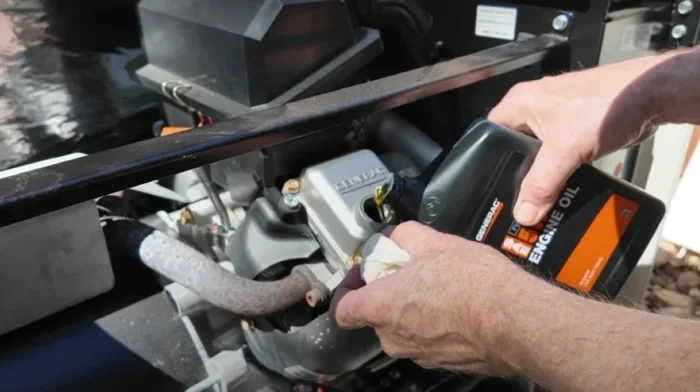
Once the old oil has stopped draining, reinstall the drain plug and tighten it firmly. Do not overtighten. Next, pour in the new oil using a funnel. Add the amount recommended by the manufacturer. Then check the oil level with the dipstick. Add a little more if needed, but do not overfill.
Run the generator for a minute, then turn it off and wait a few minutes. Check the oil level again. Top off if necessary. Dispose of the old oil properly at a recycling center. Never dump it on the ground or in the trash.
Common Mistakes When Choosing Generator Oil
Even with the best intentions, many generator owners make mistakes when selecting oil. Avoiding these common errors can save you from expensive repairs and keep your machine running strong.
Using Car Oil Instead of Generator Oil
This is one of the most common mistakes. Car oil and generator oil are not the same. Car engines run at different speeds and temperatures than generator engines. Car oil may contain additives that are not suitable for small engine applications. Always use oil specifically designed for small engines or follow the manufacturer’s recommendation in your generator manual.
Ignoring Viscosity Recommendations
Some owners grab whatever oil is on sale without checking the viscosity rating. This is a risky move. Using SAE 30 in freezing temperatures can make it nearly impossible to start your generator. Using a lightweight oil in extreme heat can cause it to break down and lose engine protection. Always match the oil viscosity to your climate and the manufacturer’s specs.
Skipping Regular Oil Changes
It is easy to forget about oil changes when your generator sits in the garage most of the year. But old oil loses its lubricating properties over time. Contaminants build up and cause wear on internal parts. Set a reminder to change the oil at least once per season or after every 100 hours of use. Keeping a log of your oil changes helps you stay on track.
Overfilling or Underfilling the Oil
Both overfilling and underfilling can cause problems. Too much oil can cause foaming, which reduces lubrication. It can also push oil into the combustion chamber, causing smoke and poor fuel efficiency. Too little oil means the engine runs dry, leading to overheating and catastrophic damage. Always check the oil level with the dipstick after every change.
Expert Tips for Maintaining Your Generator Engine
Choosing the right oil is just the beginning. Proper generator maintenance goes hand in hand with using quality oil. These expert tips help you get the most out of your machine and extend its lifespan significantly.
Monitor Oil Levels Before Every Use
Get in the habit of checking the oil level before you start your generator every single time. Low oil is one of the fastest ways to destroy a small engine. Make it a quick routine. Pull the dipstick, wipe it clean, reinsert it, and check the level. If it is low, top it off with the correct oil type before starting.
Replace the Oil Filter Regularly
A clean oil filter is just as important as fresh oil. The filter traps dirt and metal particles that would otherwise circulate through the engine. Replace the oil filter every time you change the oil, or at least every other oil change. A clogged filter restricts oil flow and reduces engine protection. Use a high-quality replacement filter that matches your generator model.
Store Oil Properly
If you store oil between uses, keep it in a cool, dry place away from direct sunlight. Heat and moisture can degrade the oil over time. Keep the container sealed tightly to prevent contamination. Most oils have a shelf life of about five years if stored properly. Always check the expiration date before using stored oil.
Keep a Maintenance Log
Writing down your oil changes, filter replacements, and generator maintenance tasks helps you stay organized. It also gives you a record to share with a technician if problems arise. Note the date, oil type, oil capacity used, and the oil level reading. This simple habit pays off big time over the life of your generator.
Warm Up Before Putting Under Load
When you start your generator, let it run for a few minutes before connecting any appliances. This allows the oil to circulate fully and reach all the moving parts. Cold oil is thicker and does not lubricate as effectively. A short warm-up period significantly reduces wear and improves fuel efficiency over time.
Conclusion
Choosing the right oil for your generator does not have to be confusing. Now you know that the answer to what kind of oil do you put in a generator depends on your engine type, climate, and how often you use the machine. Synthetic oil offers the best protection for frequent use, while conventional oil works well for occasional use in moderate climates. Always match your oil viscosity to the temperature range you operate in, and never skip regular oil changes.
Remember to consult your generator manual before making any decisions. The manufacturer knows your engine best. Keep your oil level checked, replace the oil filter on schedule, and store your oil properly. These simple habits add years of reliable service to your generator. Take care of your machine, and it will take care of you when you need it most.
Frequently Asked Questions
Can I use regular car oil in my generator?
It is not recommended. Car oil contains additives designed for car engines, which operate differently than generator engines. Always use oil specifically formulated for small engines or follow what your generator manual recommends. Using the wrong oil type can void your warranty and cause engine damage.
How often should I change the oil in my generator?
Most manufacturers recommend changing the oil every 100 hours of use or at least once per season. New generators may need their first oil change after the first 20 hours to remove break-in residues. Check your generator manual for the exact schedule that matches your model.
What is the best oil for a generator in cold weather?
In cold climates, a multi-viscosity oil like SAE 10W-30 or 5W-30 is your best bet. The lower winter rating ensures the oil flows freely during cold starts, providing immediate engine protection. Avoid using straight SAE 30 in freezing temperatures, as it becomes too thick to circulate properly.
Does synthetic oil really make a difference for generators?
Yes, synthetic oil provides noticeably better engine protection and performance. It flows more smoothly at extreme temperatures and resists breakdown longer than conventional oil. If you run your generator frequently or in harsh conditions, synthetic oil can extend engine life and reduce oil change frequency.
What happens if I overfill my generator with oil?
Overfilling causes the oil to foam, which reduces its ability to lubricate properly. Excess oil can also get pulled into the combustion chamber, causing smoke, poor fuel efficiency, and carbon buildup. Always fill to the recommended level and check with the dipstick after adding oil.
Should I change the oil filter every time I change the oil?
Yes, replacing the oil filter with every oil change is the best practice. A clean filter keeps contaminants out of your engine and ensures proper oil flow. Old filters can become clogged and restrict oil circulation, which leads to reduced engine protection and accelerated wear.