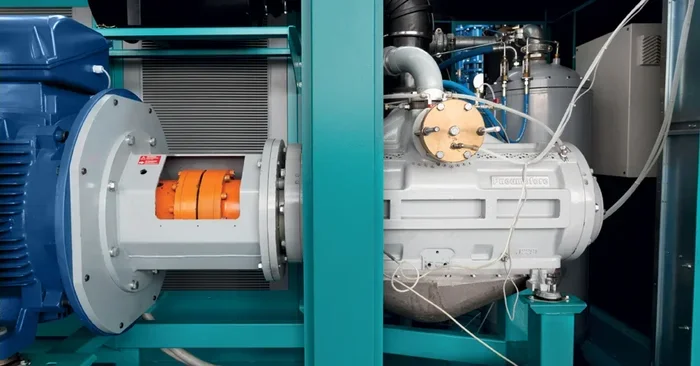
What Is a Rotary Vane Compressor and Why It Matters
A rotary vane compressor is a positive displacement machine that uses rotating vanes to compress air efficiently. These compressors deliver smooth operation, consistent pressure, and compact design for both industrial and home workshop use. Knowing how they work helps you pick the right compressed air system for your needs.
A rotary vane compressor is one of the most versatile and widely used types of compressed air equipment. Whether you are running a busy workshop, managing a small manufacturing line, or setting up a home garage, this machine plays a critical role in powering pneumatic tools and equipment. But what exactly makes it work, and why should you care about choosing the right one?
In this guide, we break down everything you need to know about rotary vane compressors. We will cover how they work, what parts make them tick, the different types available, and the real-world benefits they bring. By the end, you will have a clear picture of whether a rotary vane compressor is the right fit for your setup.
## How Does a Rotary Vane Compressor Work?
At its core, a rotary vane compressor operates on a simple but clever principle. It uses a rotor with sliding vanes that spin inside a chamber. As the rotor turns, the vanes trap air between them and the chamber wall. This trapped air gets squeezed into a smaller space, which increases the air pressure.
### The Rotation Process
The process starts when air enters through an inlet port. The rotor spins, and the vanes slide outward due to centrifugal force. Each vane creates a sealed pocket of air. As the rotor continues turning, these pockets get smaller. Smaller pockets mean higher pressure. Finally, the compressed air exits through an outlet port.
This entire process happens in one continuous rotation. There is no need for multiple stages in most standard models. That is one reason why rotary vane compressors are so popular for applications that need steady, uninterrupted air supply.
### Why This Design Matters
The rotary displacement design sets vane compressors apart from piston compressors. Piston models use back-and-forth motion, which creates more vibration and noise. A vane compressor, on the other hand, runs smoothly because the motion is purely rotational. This means less wear on internal parts and a longer compressor lifespan.
If you have ever used a pneumatic tools setup, you know how important consistent air pressure is. A rotary vane compressor delivers that consistency without the pulsation you get from piston models.
## Key Components of a Rotary Vane Compressor
Understanding the main parts of a rotary vane compressor helps you appreciate how it works and what to look for during maintenance. Each component plays a specific role in the compressed air system.
### The Rotor
The rotor is the heart of the machine. It is a cylindrical shaft with slots cut into it. The vanes slide in and out of these slots as the rotor turns. Most rotary vane compressors use an eccentric design, meaning the rotor is offset slightly inside the stator. This offset creates the varying chamber sizes needed for compression.
### The Vanes
Vaness are the sliding pieces that do the actual compressing. They are usually made from carbon, graphite, or a composite material. The vanes push outward against the stator wall as the rotor spins. Over time, vanes wear down and need replacement. Regular compressor maintenance includes checking vane condition to prevent air pressure drops.
### The Stator
The stator is the outer housing that holds everything in place. It contains the air inlet and outlet ports. The inner surface of the stator is where the vanes slide against. A well-built stator ensures a tight seal, which is essential for maintaining compressor efficiency.
### The Motor
The motor drives the rotor. Rotary vane compressors typically use electric motors, though some models use gas engines. The motor size determines how much compressed air the unit can produce per minute. When choosing a motor, consider the flow rate and pressure requirements of your tools and equipment.
## Types of Rotary Vane Compressors
Not all rotary vane compressors are the same. They come in different configurations to suit various needs. Let us look at the main types.
### Oil-Lubricated Rotary Vane Compressors
Oil-lubricated models use compressor oil to seal the vanes and cool the internal components. The oil also reduces friction, which helps the machine run smoothly and quietly. These compressors tend to have a longer compressor lifespan because the oil protects moving parts from excessive wear.
However, oil-lubricated models require regular oil changes. The oil can also contaminate the output air, which is a concern for applications where clean air is critical. If you are running pneumatic tools in a general workshop, an oil-lubricated rotary vane compressor is a solid choice.
### Oil-Free Rotary Vane Compressors
Oil-free models eliminate the need for compressor oil. Instead, they use special coatings or materials on the vanes and stator to reduce friction. The main advantage is that the output air is clean and free of oil contamination. This makes them ideal for applications like paint spraying, food processing, and dental equipment.
On the downside, oil-free compressors may have a slightly shorter compressor lifespan because there is less protection against wear. They also tend to run a bit warmer. Still, for applications where air purity matters, the trade-off is worth it.
### Single-Stage vs. Two-Stage
Most rotary vane compressors are single-stage, meaning compression happens in one pass through the rotor. Two-stage models use two rotors in sequence to achieve higher pressures. Two-stage units are less common but are used in specialized industrial compressed air systems where very high air pressure is needed.
## Benefits of Using a Rotary Vane Compressor
There are many reasons why rotary vane compressors remain a popular choice across industries. Let us explore the key benefits.
### Smooth and Quiet Operation
One of the standout advantages of a rotary vane compressor is how quietly it runs. The rotational motion produces less vibration than piston compressors. This makes them ideal for indoor workshops, garages, and even dental offices where noise matters. If you are setting up a home shop, a quiet rotary vane compressor keeps the work environment comfortable.
### Compact and Space-Saving Design
These compressors have a small footprint compared to piston models of similar capacity. The compact rotary displacement design means you can fit a rotary vane compressor into tight spaces. This is a big advantage for small workshops or garages where every square foot counts.
### Consistent Air Output
Because the rotary motion is continuous, rotary vane compressors deliver a steady stream of compressed air without pulsation. This consistency is important for tools that need uniform air pressure to perform well. Pneumatic tools like sanders, grinders, and impact wrenches work better with a steady air supply.
### Energy Efficiency
Rotary vane compressors operate at lower speeds compared to piston models, which means they use less energy over time. The compressor efficiency of a well-maintained vane compressor is excellent, especially for applications that run for extended periods. Over the life of the machine, the energy savings can offset the higher upfront cost.
### Low Maintenance (Compared to Alternatives)
While all compressors need some upkeep, rotary vane compressors have fewer moving parts than piston compressors. There are no valves to replace and no complex valve trains. The main maintenance tasks are oil changes, vane inspections, and filter replacements. Staying on top of these tasks keeps your compressed air system running reliably.
## Common Applications
Rotary vane compressors are used in a wide range of settings. Their versatility and reliable air pressure output make them suitable for many tasks.
### Workshops and Garages
In a home or commercial workshop, a rotary vane compressor powers pneumatic tools like impact wrenches, nail guns, and sanders. The consistent air supply ensures these tools perform at their best. Whether you are a hobbyist or a professional mechanic, a vane compressor keeps your tools running smoothly.
### Painting and Finishing
Paint spraying requires clean, oil-free air to avoid contaminating the finish. Oil-free rotary vane compressors are the go-to choice for auto body shops, furniture finishers, and cabinet makers. The smooth air output prevents sputtering and uneven coats.
### Dental and Medical Equipment
Dental offices rely on clean, dry compressed air for drills and other instruments. Oil-free rotary vane compressors meet the strict purity standards required in medical environments. The quiet operation is also a bonus in patient-facing spaces.
### Light Industrial and Manufacturing
Small to medium manufacturing facilities use rotary vane compressors to power assembly line pneumatic systems. These machines handle tasks like material handling, packaging, and tooling. The steady air pressure and compact size make them a practical choice for factory floors.
### Food and Beverage Processing
In food processing, air purity is critical. Oil-free rotary vane compressors ensure that no lubricant contaminates the product. These compressors are used in bottling lines, food packaging, and processing equipment where hygiene standards are strict.
## Maintenance Tips for Longevity
Taking care of your rotary vane compressor extends its compressor lifespan and keeps it running efficiently. Here are some practical tips.
### Regular Oil Changes
If you have an oil-lubricated model, change the compressor oil at the intervals recommended by the manufacturer. Dirty or degraded oil reduces compressor efficiency and increases wear on the vanes and stator. Use only the oil type specified in the manual.
### Check the Vanes Periodically
Worn vanes cause drops in air pressure and reduced performance. Inspect the vanes every few months, especially if you use the compressor heavily. Replacing vanes early prevents damage to the stator and rotor.
### Keep Filters Clean
Clogged intake filters restrict airflow and force the motor to work harder. Check and clean or replace the air intake filter regularly. This simple step improves compressor efficiency and protects internal components.
### Drain the Tank
Moisture collects in the compressed air tank over time, especially in humid environments. Drain the tank after each use or at least weekly. This prevents rust and keeps the compressed air system running smoothly.
### Monitor Belt Tension (If Applicable)
Some rotary vane compressors use belts to drive the rotor. Check belt tension regularly and replace worn belts promptly. A loose belt reduces compressor efficiency and can cause slipping or overheating.
### Store Properly
When not in use, store the compressor in a clean, dry area. Cover it to keep dust out. Proper storage prevents corrosion and keeps the internal components in good condition for the next use.
## Quick Tips for Choosing the Right Rotary Vane Compressor
Here are a few practical tips to help you pick the right rotary vane compressor.
- Match the air pressure and flow rate to your tools. Check the PSI and CFM requirements of your most demanding tool.
- Choose oil-free models for painting, medical, or food applications where air purity is essential.
- Consider the noise level if you are working in a residential area or shared space.
- Look for units with a duty cycle rating that matches your usage pattern. Continuous-duty models handle long runs better.
- Factor in the total cost of ownership, including energy use, maintenance, and parts replacement.
- If you also need backup power for your home, consider pairing your compressor setup with a reliable whole home generator. You can learn more about generator costs at how much a whole home generator costs to plan your budget.
## Common Mistakes to Avoid
Even experienced users make mistakes with rotary vane compressors. Here are a few to watch out for.
- Skipping oil changes. Dirty oil causes premature wear and reduces compressor efficiency. Stick to the maintenance schedule.
- Ignoring moisture buildup. Failing to drain the tank leads to rust and can contaminate your compressed air system.
- Overloading the compressor. Running tools that exceed the CFM rating causes the motor to overheat and shortens its compressor lifespan.
- Neglecting filter maintenance. Clogged filters reduce airflow and force the motor to work harder, wasting energy.
- Buying the wrong size. A compressor that is too small for your tools will struggle to keep up. Always size up if you are unsure.
## Expert Insights
Industry professionals agree that rotary vane compressors offer an excellent balance of performance, reliability, and cost. Their rotary displacement design provides smooth, continuous air delivery that many users prefer over piston alternatives.
Experts also point out that proper maintenance is the single biggest factor in how long a rotary vane compressor lasts. A well-maintained unit can run for thousands of hours with minimal issues. On the other hand, neglecting basic upkeep like oil changes and filter cleaning can cut a machine’s life short.
Another tip from experienced users is to always keep spare vanes on hand. Vanes are the most wear-prone component, and having replacements ready means less downtime when you need to get back to work.
## Conclusion
A rotary vane compressor is a smart choice for anyone who needs reliable, consistent compressed air for pneumatic tools and equipment. Its smooth operation, compact design, and energy efficiency make it stand out from other compressor types. Whether you are running a professional workshop or setting up a home garage, a rotary vane compressor delivers the performance you need.
By understanding how these machines work, what parts matter most, and how to maintain them, you can get years of dependable service from your unit. Choose the right type, follow a regular maintenance routine, and your rotary vane compressor will keep your tools running at their best.
If you are also planning your overall shop power setup, it helps to understand the full picture of power equipment costs. For instance, knowing how much a generator costs can help you budget for backup power alongside your compressor investment. Similarly, understanding generator pricing gives you a clearer view of total power equipment expenses for your facility.
Key Takeaways
- Rotary vane compressors use a rotating rotor with sliding vanes to compress air in a single stage.
- They are known for quiet operation, compact size, and reliable performance compared to piston compressors.
- These compressors come in both oil-lubricated and oil-free models for different applications.
- Common uses include pneumatic tools, paint spraying, dental equipment, and light industrial tasks.
- Regular maintenance like oil changes and vane inspections extends compressor lifespan significantly.
- They offer high efficiency at lower speeds, making them energy-saving for continuous use.
- Understanding air pressure needs and flow rates helps you choose the right size.
Frequently Asked Questions
What is the main difference between a rotary vane compressor and a piston compressor?
A rotary vane compressor uses a rotating rotor with sliding vanes to compress air smoothly, while a piston compressor uses back-and-forth reciprocating motion. The rotary design produces less vibration and noise, making vane compressors better suited for indoor and continuous-use applications.
How long does a rotary vane compressor typically last?
With proper compressor maintenance, a rotary vane compressor can last for thousands of operating hours. Regular oil changes, vane inspections, and filter cleaning are the key factors that extend compressor lifespan. Neglecting maintenance can significantly shorten the machine’s life.
Can a rotary vane compressor be used for paint spraying?
Yes, oil-free rotary vane compressors are ideal for paint spraying because they deliver clean, oil-free compressed air. Oil-lubricated models can contaminate the paint finish, so always choose an oil-free unit for painting and finishing applications.
Do rotary vane compressors require a lot of electricity?
Not particularly. Rotary vane compressors operate at lower speeds than piston compressors, which makes them more energy-efficient. Over time, the compressor efficiency of a vane model can lead to lower electricity bills, especially for applications that run for extended periods.
What size rotary vane compressor do I need for my home workshop?
The size depends on the pneumatic tools you plan to use. Check the PSI and CFM requirements of your most demanding tool and choose a compressor that meets or exceeds those numbers. For general home workshop use, a small to medium rotary vane compressor with 2 to 5 horsepower is usually sufficient.
Are rotary vane compressors louder than other types?
No, they are actually quieter than piston compressors. The smooth rotational motion produces less vibration and noise. This makes rotary vane compressors a popular choice for indoor workshops, garages, and environments where noise levels need to stay low.


One Comment