Small Air Compressor Parts and How to Find the Right Ones
Small air compressor parts are essential for keeping your compressor running efficiently. This guide helps you identify, source, and maintain the right components for your machine. You’ll learn about common parts, where to find them, and simple maintenance tips that save time and money.
Every small air compressor has a set of parts that work together to deliver pressurized air. Whether you use it for inflating tires, powering nail guns, or running spray guns, these components need care and occasional replacement. Understanding small air compressor parts helps you troubleshoot issues, perform basic repairs, and keep your machine running for years.
Finding the right parts doesn’t have to be hard. With a little know-how, you can identify what you need, avoid costly mistakes, and do the job yourself. This guide walks you through the most common parts, how to source them, and simple maintenance steps that anyone can follow.
Key Takeaways
- Know your compressor model: Always check the manual or parts diagram before buying.
- Stock up on essentials: Keep filters, oil, and gaskets on hand for quick repairs.
- Use quality parts: OEM or reputable aftermarket parts ensure longevity.
- Regular maintenance saves money: Draining the tank and checking oil levels prevents breakdowns.
- Diagrams are your friend: A visual guide makes identifying parts a breeze.
- Safety first: Always disconnect power before servicing any part.
📑 Table of Contents
Understanding Small Air Compressor Parts
A small air compressor is made up of a few key systems. The pump creates compressed air. The motor drives the pump. The tank stores the air. And a series of controls, filters, and fittings manage the output. When any one of these small air compressor parts fails, the whole machine can stop working.
Most homeowners and DIYers only need to know a handful of components. You don’t need to be a mechanic. But you do need to understand what each part does and how to spot when it’s wearing out. That knowledge turns a frustrating breakdown into a quick fix.
The Pump Assembly
The pump is the heart of your compressor. It draws in air and squeezes it into the tank. Inside the pump, you’ll find pistons, connecting rods, and valve plates. These small air compressor parts take a lot of wear and tear. Over time, valve plates can crack, and piston rings can wear down. When that happens, you’ll notice the compressor struggles to build pressure.
Quick Tip: Listen for unusual noises from the pump. A knocking sound often means worn connecting rods. A hissing noise can point to a leaking valve plate. Catching these early saves you from a full pump replacement.
Pressure Switch and Regulator
The pressure switch turns the compressor on and off based on the tank pressure. When pressure drops to a set level, the switch starts the motor. When it hits the cut-out pressure, the switch shuts everything down. The regulator then controls the output pressure going to your tools.
These are among the most important small air compressor parts for consistent performance. A faulty pressure switch can cause the compressor to run constantly or not start at all. A bad regulator leads to inconsistent tool pressure.
Filters and Oil Systems
Air filters keep dust and debris out of the pump. Oil filters protect the internal components from contamination. In oil-lubricated compressors, the oil itself plays a critical role in cooling and reducing friction. Using the wrong small air compressor parts in these systems can lead to premature wear.
For example, using the wrong type of oil can cause carbon buildup. That buildup clogs passages and reduces efficiency. If you’re unsure about what oil to use, check our guide on what type of oil goes in an air compressor for clear recommendations.
Common Small Air Compressor Parts and Their Functions
Let’s break down the most common small air compressor parts you’ll encounter. Knowing these names and functions makes shopping and troubleshooting much easier.
- Tank: Stores compressed air. Made of steel or aluminum. Over time, tanks can rust, especially if moisture isn’t drained regularly.
- Fittings and Couplers: Connect hoses and tools. Quick-connect couplers let you swap tools fast without leaks.
- Unloader Valve: Releases pressure from the pump when the compressor stops. A stuck unloader valve can cause the motor to stall.
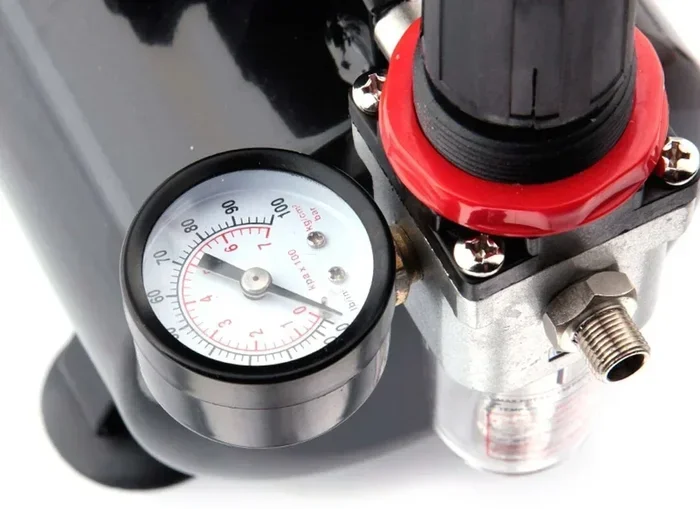
- Pressure Gauge: Shows tank pressure and output pressure. A broken gauge means you’re flying blind.
- Safety Valve: A backup release if pressure gets too high. Never block or ignore this part.
- Belt and Pulley: Transfers motor power to the pump. A worn belt slips and reduces performance.
Each of these small air compressor parts plays a role in safe, efficient operation. Missing any one of them can lead to poor performance or even dangerous situations.
Quick Tip: Keep a Spare Parts Kit
Assemble a small kit with common replacements. Include a few gaskets, O-rings, a spare air filter, and a bottle of the right oil. Store it near your compressor. When a part fails, you can fix it on the spot instead of waiting for a shipment.
How to Find the Right Small Air Compressor Parts
Finding the correct parts starts with knowing your compressor’s make and model. A Craftsman compressor needs different parts than a Dewalt or a Central Pneumatic model. The model number is usually on a sticker near the motor or on the tank.
Once you have the model number, you can look up a parts diagram. A diagram shows every component and its part number. This is the fastest way to avoid ordering the wrong small air compressor parts. If you own a Craftsman compressor, our detailed Craftsman Air Compressor Parts Diagram can help you identify each piece quickly.
Using a Parts Diagram
A parts diagram is a visual map of your compressor. It labels every component with a number or letter. You can match that label to a catalog or online store. This method works for all brands, from Kobalt to Dewalt to Central Pneumatic.
When using a diagram, pay attention to the serial number as well. Two compressors from the same model year can have different part numbers if the manufacturer made updates. Always double-check that the part you order matches your serial number.
OEM vs. Aftermarket Parts
OEM (Original Equipment Manufacturer) parts are made by the same company that built your compressor. Aftermarket parts are made by third-party manufacturers. Both have their place.
OEM parts guarantee a perfect fit and often come with a warranty. They can be more expensive. Aftermarket parts are usually cheaper and widely available. The key is to buy from a reputable supplier. Our Air Compressor Parts Store offers a curated selection of both OEM and high-quality aftermarket options.
Common Mistake: Don’t just buy the cheapest part you find. A low-cost gasket might seem like a deal, but it can blow out in a week and cause bigger damage. Always check reviews and material quality.
Maintenance Tips for Longevity
Regular maintenance keeps your small air compressor parts in top shape. It also extends the life of the entire machine. Most maintenance tasks take just a few minutes and can be done with basic tools.
Daily and Weekly Routines
Start with the simplest habits. Drain the tank after every use. Moisture from compressed air collects at the bottom of the tank. Left unchecked, it causes rust and weakens the tank walls. Open the drain valve and let the water out. Do this before you put the compressor away.
Once a week, check the oil level if you have an oil-lubricated model. Use the dipstick and add oil if needed. Never run the compressor low on oil. That’s a quick way to burn out the pump.
Seasonal Care
At the start of each season, inspect your hoses and fittings for cracks. Replace any damaged hoses immediately. A leaking hose wastes air and makes the compressor work harder. Also, check the air filter. If it looks dirty or clogged, clean or replace it.
Expert Insight: Many people forget about the unloader valve. Test it by running the compressor and then turning it off. You should hear a brief hiss as the valve releases pressure. If you don’t hear anything, the valve may be stuck and needs cleaning or replacement.
Quick Tip: Keep a Maintenance Log
Write down when you changed the oil, cleaned the filter, and drained the tank. A simple log helps you stay on track and reminds you when it’s time for the next service. It also comes in handy if you ever need to prove maintenance for a warranty claim.
Where to Buy Small Air Compressor Parts
You have several options for buying small air compressor parts. The right choice depends on how quickly you need the part, how much you want to spend, and whether you prefer shopping online or in person.
Online Parts Stores
Online stores offer the widest selection. You can compare prices, read reviews, and find hard-to-get parts. Just make sure the seller specializes in compressor parts. Generic marketplaces can be hit or miss. Look for stores that provide clear diagrams, model compatibility charts, and responsive customer service.
When shopping online, have your model number ready. Also, note the part number from your diagram. This eliminates guesswork and ensures you get the right fit the first time.
Local Dealers and Repair Shops
Local dealers can be a great resource. They often carry common parts for popular brands. And if you’re not sure what you need, a trained technician can help you find it. Some repair shops also sell used or refurbished parts, which can save you money on older models.
Common Mistake: Don’t assume every hardware store carries the right part. A big-box store might have generic fittings, but they may not match the specifications of your compressor. Always check the thread size and pressure rating before buying.
Final Thoughts
Knowing your small air compressor parts puts you in control of your equipment. You can troubleshoot problems faster, perform basic repairs yourself, and avoid unnecessary trips to the repair shop. With the right parts and a little maintenance, your compressor will serve you reliably for many years.
Start by getting familiar with your model’s parts diagram. Keep a small spare parts kit on hand. And when you need to buy replacements, choose quality over price alone. A few extra dollars spent on the right small air compressor parts today can save you from a costly breakdown tomorrow.
Frequently Asked Questions
What are the most common small air compressor parts that fail?
Gaskets, seals, and filters wear out fastest. The pressure switch and unloader valve also need regular attention. Keeping spares on hand saves downtime.
How do I know which small air compressor parts are compatible with my model?
Check the owner’s manual or find the model number on the tank or motor housing. Use a parts diagram to match part numbers exactly. Never assume a part fits just because it looks similar.
Can I use aftermarket small air compressor parts instead of OEM?
Yes, but buy from reputable suppliers. Aftermarket parts can save money and work well if they meet the original specifications. Avoid the cheapest options that don’t list material quality or pressure ratings.
How often should I replace small air compressor parts like filters and oil?
Replace the air filter every 3 to 6 months. Change the oil every 500 hours of use or at least once a year. Drain the tank daily to prevent moisture damage to internal parts.
Where can I find a reliable parts diagram for my compressor?
Many manufacturers offer diagrams on their websites. You can also find them in the owner’s manual or by searching the model number online. Our Craftsman diagram page is a good starting point for that brand.
What should I do if a small air compressor part is no longer available?
Search for cross-compatible parts from other brands. Contact the manufacturer directly for a list of compatible alternatives. Local repair shops often have solutions for discontinued models.