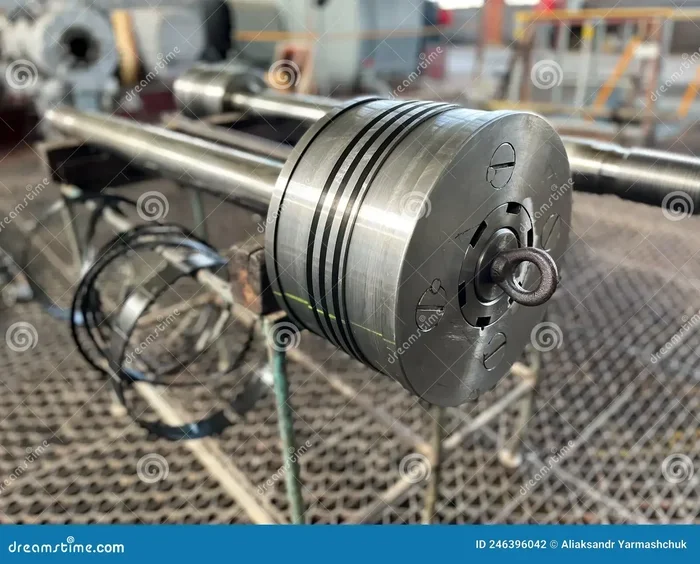
Oil Free Screw Air Compressor How To Choose The Right One
Choosing the right oil free screw air compressor starts with understanding your specific needs and the key features that matter most. This guide covers everything from how these compressors work to what factors you should consider before buying. You will learn about benefits, common mistakes, maintenance tips, and expert advice to make a confident purchase.
If you are in the market for a new oil free screw air compressor, you are not alone. These machines have become the go-to choice for businesses that need clean, reliable compressed air without the mess of oil contamination. Whether you run a small workshop or a large manufacturing facility, picking the right oil free screw air compressor can make a huge difference in your daily operations. The problem is that the market is full of options, and not all compressors are created equal. This guide will walk you through everything you need to know to make a smart, confident decision.
A oil free screw air compressor uses specially designed rotors that run without any oil in the compression chamber. This means the air coming out of your compressor is completely free of oil contaminants. That is a big deal if you work in industries like food processing, pharmaceutical manufacturing, or electronics assembly where even tiny oil particles can ruin products. Over the past decade, these compressors have grown in popularity, and for good reason. They offer lower maintenance costs, cleaner output, and often a longer service life compared to their oil-lubricated counterparts. But with so many brands, sizes, and features available, how do you know which one is right for you? Keep reading to find out.
Key Takeaways
- Oil free screw compressors deliver clean, contaminant-free compressed air ideal for sensitive applications like food processing and electronics manufacturing.
- Understanding your CFM and PSI requirements is the first step in selecting the right compressor size for your operation.
- Initial purchase price is lower than oil-lubricated models but lifecycle costs including maintenance should also be considered.
- Regular maintenance extends compressor lifespan and prevents costly breakdowns during critical production periods.
- Energy efficiency ratings can significantly impact operating costs over the life of the compressor.
- Warranty coverage and manufacturer support vary widely, so always compare before purchasing.
📑 Table of Contents
- What Is an Oil Free Screw Air Compressor?
- How Does an Oil Free Screw Compressor Work?
- Key Benefits of Oil Free Screw Air Compressors
- How to Choose the Right Oil Free Screw Air Compressor
- Common Mistakes to Avoid When Buying an Oil Free Screw Compressor
- Maintenance Tips for Long-Lasting Performance
- Conclusion
What Is an Oil Free Screw Air Compressor?
An oil free screw air compressor is a type of rotary compressor that compresses air without using oil inside the compression chamber. Instead of relying on oil for lubrication and cooling, these machines use special materials and coatings on the rotors to reduce friction and manage heat. The result is oil free compressed air that is safe for applications where contamination is a serious concern.
The basic design includes two interlocking rotors that spin inside a housing. As air enters the compressor, it gets trapped between the rotors and is compressed as the rotors turn. Because there is no oil involved in the compression process, the output air is pure and clean. This makes oil free compressed air essential for industries with strict quality standards.
How Does It Differ from Oil-Lubricated Compressors?
The main difference comes down to what happens inside the compression chamber. In an oil lubricated compressor, oil is injected into the chamber to lubricate moving parts, seal gaps, and carry away heat. The oil then gets separated from the air before it exits the system. In an oil free screw air compressor, there is no oil in the chamber at all. The rotors are coated with special polymers or use water injection to handle heat and friction.
This difference has major implications for your compressed air quality. Oil-lubricated compressors can introduce trace amounts of oil into the output air, even with good separation systems. For most general industrial applications, this is perfectly fine. But for food and beverage processing, medical device manufacturing, or painting operations, even small amounts of oil contamination can be unacceptable.
| Feature | Oil Free Screw Compressor | Oil Lubricated Screw Compressor |
|---|---|---|
| Air Purity | 100% oil free | Trace oil possible |
| Initial Cost | Higher | Lower |
| Maintenance Cost | Lower | Higher (oil changes, filters) |
| Lifespan | Longer (no oil degradation) | Shorter (oil breakdown) |
| Applications | Food, pharma, electronics | General manufacturing, construction |
| Compressor Noise Level | Moderate | Moderate to high |
How Does an Oil Free Screw Compressor Work?
Understanding how your oil free screw air compressor works helps you appreciate why it needs certain features and maintenance. The core mechanism is elegant in its simplicity. Two spiral-shaped rotors, one male and one female, mesh together inside a cylinder. Air enters through an inlet valve and gets trapped in the spaces between the rotors.
As the rotors spin, the trapped air moves along the length of the cylinder. The space between the rotors gets smaller, which compresses the air. Finally, the compressed air exits through an outlet valve and goes into your storage tank or directly to your tools. The whole process happens continuously, which is why screw compressors are known for delivering steady, uninterrupted compressed air.
Since there is no oil to absorb heat, oil free screw compressors rely on special cooling methods. Some use water injection to cool the rotors during compression. Others use advanced thermal management systems that dissipate heat through the compressor housing. Both approaches keep the machine running smoothly without contaminating your air supply.
For a deeper look at the mechanics, check out our guide on how a screw compressor works to understand the engineering behind these powerful machines.
The Role of Rotor Coatings
One of the key innovations in oil free compressor technology is the use of specialized coatings on the rotors. These coatings reduce friction between the moving parts without needing oil. They also resist wear, which helps extend the compressor lifespan significantly. Modern coatings can last for tens of thousands of operating hours before needing replacement.
The coatings also play a role in managing heat. Since there is no oil to carry heat away, the rotors can heat up during operation. Advanced coatings reflect heat and reduce thermal expansion, keeping the tolerances tight and the compression efficient. This is why modern oil free screw compressors can match or even exceed the performance of oil-lubricated models.
Key Benefits of Oil Free Screw Air Compressors
There are many reasons why businesses choose an oil free screw air compressor over other options. Let us walk through the biggest advantages that make these machines worth the investment.
1. Superior Air Quality
The number one benefit of an oil free compressor is the pure air it produces. No oil means no risk of contaminating your products or processes. This is critical in food and beverage processing, where oil droplets could ruin entire batches. In pharmaceutical manufacturing, clean air is a regulatory requirement. And in electronics assembly, even microscopic oil particles can cause circuit board failures.
With an oil free screw air compressor, you get peace of mind knowing your compressed air quality meets the highest standards. You also save money on additional filtration systems that oil-lubricated compressors require to achieve similar purity levels.
2. Lower Long-Term Maintenance Costs
While the upfront compressor price for an oil-free model is often higher, the long-term savings are significant. You do not need to buy oil, oil filters, or separator elements on a regular basis. There are fewer consumable parts to replace, which means less downtime and lower maintenance costs over the life of the machine.
Think about it this way: an oil lubricated compressor needs oil changes every few months, plus regular filter replacements. An oil free compressor eliminates most of that. Over a five-year period, the savings on maintenance supplies can be substantial.
3. Longer Service Life
Oil degrades over time. It gets contaminated with moisture, dust, and combustion byproducts. This degradation affects the internal components of a compressor, leading to wear and eventual failure. Since an oil free screw air compressor has no oil in the compression chamber, there is no oil degradation to worry about.
This translates directly into a longer compressor lifespan. Many oil-free screw compressors operate reliably for 50,000 to 100,000 hours before needing major overhaul. That is a strong return on your investment.
4. Environmental Benefits
Oil-free compressors are better for the environment. There is no risk of oil leaks or spills contaminating the workplace or surrounding area. The exhaust air is cleaner, and there are no used oil containers to dispose of properly. For companies with sustainability goals, an oil free compressor aligns well with green manufacturing initiatives.
How to Choose the Right Oil Free Screw Air Compressor
Selecting the right oil free screw air compressor requires careful consideration of several factors. Here is what you need to evaluate before making your purchase.
Determine Your CFM and PSI Requirements
The first step is figuring out how much air your tools and equipment need. CFM stands for cubic feet per minute, and it measures the volume of air the compressor delivers. PSI stands for pounds per square inch, which measures the pressure. Different tools have different requirements, so you need to add up the demands of all the tools you will run simultaneously.
For example, if you run a pneumatic nail gun that needs 2.2 CFM at 90 PSI and an impact wrench that needs 4.0 CFM at 90 PSI, you need a compressor that can deliver at least 6.2 CFM at 90 PSI. Always add a buffer of 20-30% to account for pressure drops and future tool additions. Understanding your compressor cfm rating is essential for choosing the right size.
Consider the Duty Cycle
The duty cycle refers to how long the compressor can run continuously before needing to cool down. Some oil free screw compressors are designed for continuous duty, meaning they can run 100% of the time without overheating. Others are rated for intermittent duty and need rest periods between cycles.
If you run a busy production line, you need a continuous-duty machine. Check the duty cycle rating carefully before buying. A compressor that cannot handle your workload will overheat, wear out faster, and cost you more in the long run.
Evaluate Energy Efficiency
Compressor energy efficiency directly impacts your electricity bills. Look for compressors with variable speed drive (VSD) technology. A VSD compressor adjusts the motor speed to match the air demand, which saves significant energy compared to fixed-speed models that run at full power all the time.
The compressor operating cost over five to ten years can far exceed the initial purchase price. An energy-efficient model may cost more upfront but pays for itself through lower electricity bills. Many manufacturers now publish energy efficiency ratings that make comparison easy.
Check the Warranty and Manufacturer Support
A strong warranty tells you the manufacturer stands behind their product. Look for compressors with at least a two-year warranty, and ideally longer. Some premium models offer five-year or even ten-year warranties on the screw element. Also consider the availability of service centers, spare parts, and technical support in your area.
When you are ready to explore options, our how to choose an air compressor guide provides additional insights on evaluating different models and brands.
Assess the Noise Level
Compressor noise level matters more than many people realize. A loud compressor can create an uncomfortable work environment and even violate workplace noise regulations. Oil-free screw compressors tend to run quieter than piston compressors, but there is still variation between models. Look for machines with sound enclosures or low-noise fan designs if your workspace is small or if workers are nearby.
Think About Future Expansion
Choose a compressor that can grow with your business. If you plan to add more pneumatic tools or expand your operations, pick a machine with extra capacity. It is always better to have a slightly oversized compressor than to be caught short when demand increases. Consider the compressor horsepower and whether the machine can handle increased duty cycle requirements.
Quick Tips for Choosing
- Always calculate your total CFM needs before shopping.
- Add a 20-30% buffer for safety margin.
- Prioritize VSD technology for energy savings.
- Check warranty terms carefully before purchasing.
- Visit the manufacturer or dealer to see the machine in person.
- Read reviews from users in your industry.
- Consider total cost of ownership, not just purchase price.
Common Mistakes to Avoid When Buying an Oil Free Screw Compressor
Even experienced buyers sometimes make mistakes when purchasing a new oil free screw air compressor. Here are the most common errors and how to avoid them.
Underestimating Your Air Demand
The biggest mistake is buying a compressor that is too small for your needs. This leads to the machine running constantly, overheating, and wearing out prematurely. Always do the math on your CFM requirements and add that buffer we mentioned. An undersized compressor will cost you more in repairs and lost production than a slightly larger one would.
Ignoring Total Cost of Ownership
The sticker price is not the whole story. An oil free compressor might cost more upfront but save you thousands in maintenance and energy costs over its lifetime. Calculate the total cost of ownership by factoring in purchase price, energy consumption, maintenance supplies, and expected lifespan. This gives you a true picture of value.
Skipping the Installation Planning
Where you place your compressor matters more than you might think. Poor ventilation leads to overheating. A cramped installation space makes maintenance difficult. Before you buy, plan where the compressor will live and make sure the space meets the manufacturer’s requirements for airflow, clearance, and electrical access.
Not Checking the Air Dryer Compatibility
Even with an oil free screw compressor, moisture in the compressed air can cause problems. You should have an air dryer or moisture separator in your system. Make sure the compressor you choose is compatible with your existing drying equipment or budget for a new dryer if needed.
Overlooking the Importance of Regular Maintenance
An oil free compressor still needs regular care. Neglecting filter replacements, belt inspections, and rotor checks leads to premature failure. Set up a maintenance schedule and stick to it. Your compressor maintenance routine is the best investment you can make in the longevity of your machine.
Maintenance Tips for Long-Lasting Performance
Taking care of your oil free screw air compressor ensures it runs efficiently for many years. Here are the maintenance tasks you should never skip.
Regular Filter Replacement
Even though there is no oil filter, your compressor still has intake filters and possibly air output filters. These traps dust, debris, and moisture that could damage internal components. Check your filters monthly and replace them when they look dirty or according to the manufacturer’s schedule. Clogged filters reduce efficiency and increase energy consumption.
Monitor the Coolant System
If your oil free screw air compressor uses water injection for cooling, monitor the coolant levels and quality regularly. Replace coolant according to the manufacturer’s recommendations. Contaminated coolant can cause overheating and reduce the efficiency of the compression process.
Check Belts and Bearings
For belt-driven models, inspect the belts for wear, cracking, or improper tension every month. Replace belts at the first sign of damage to avoid unexpected breakdowns. Bearings should also be checked periodically. Listen for unusual grinding or squealing noises, which can indicate bearing wear that needs immediate attention.
Keep the Area Clean
Dust and debris around the compressor can clog ventilation openings and cause overheating. Keep the area around the machine clean and free of obstructions. This simple habit goes a long way toward preventing problems and extending the compressor lifespan.
Schedule Professional Inspections
While many maintenance tasks can be done in-house, schedule professional inspections at least once a year. A trained technician can spot potential issues before they become expensive repairs. They can also perform precision adjustments that keep your machine running at peak efficiency.
Expert Insights on Oil Free Compressor Selection
Industry experts agree that the oil free screw air compressor market has improved dramatically in recent years. Modern machines are more efficient, quieter, and more reliable than ever before. When selecting a unit, experts recommend focusing on three priorities: air purity requirements, total operating costs, and manufacturer reputation.
Do not just chase the lowest price. A cheaper compressor with poor build quality and limited warranty support will cost you more in the long run. Look for established brands with proven track records in oil free compressed air technology. Read case studies from businesses in your industry to see what models they trust.
Also consider the compressor applications you plan to use it for. A compressor designed for general manufacturing may not perform well in a food processing plant where sanitation is paramount. Match the machine to your specific use case for the best results.
Conclusion
Choosing the right oil free screw air compressor is a decision that impacts your operations for years to come. By understanding how these machines work, what benefits they offer, and what factors to consider, you are now equipped to make a confident choice. Focus on your CFM and PSI requirements, evaluate energy efficiency, check warranty terms, and never underestimate the value of proper maintenance.
An oil free screw air compressor is a smart investment for any business that values clean air, low maintenance, and long-term reliability. Take your time, do your research, and choose the machine that best fits your needs. Your future self will thank you when the compressor runs smoothly day after day, year after year.
Frequently Asked Questions
What is the main advantage of an oil free screw air compressor?
The biggest advantage is clean, oil-free compressed air. This makes it ideal for industries like food processing, pharmaceuticals, and electronics where even tiny amounts of oil contamination can damage products or violate regulations. You also get lower maintenance costs and a longer service life compared to oil-lubricated models.
How long does an oil free screw compressor last?
With proper maintenance, an oil free screw air compressor can last 50,000 to 100,000 operating hours or more. That is significantly longer than most oil-lubricated compressors because there is no oil degradation to wear out internal components. Regular filter changes and professional inspections help maximize the lifespan.
Can I use an oil free compressor for heavy-duty industrial work?
Absolutely. Modern oil free screw compressors are built for demanding industrial applications. They come in a wide range of sizes and horsepower ratings to handle everything from light workshop use to heavy manufacturing. Just make sure you select a model with the right CFM, PSI, and duty cycle for your specific workload.
What maintenance does an oil free screw compressor need?
Regular intake filter replacement is essential. If your machine uses water injection, monitor and replace coolant as recommended. Check belts and bearings periodically, keep the area clean, and schedule annual professional inspections. While there is no oil to change, consistent care keeps the machine running efficiently and extends the compressor lifespan.
Are oil free compressors more expensive than oil-lubricated ones?
The upfront compressor price for an oil-free model is typically higher. However, the total cost of ownership is often lower because you save on oil, filters, and separator elements over time. Energy-efficient models also reduce electricity costs. When you factor in maintenance savings and longer service life, oil-free compressors frequently prove more cost-effective in the long run.
What should I look for when buying an oil free screw compressor?
Start by calculating your CFM and PSI needs with a 20-30% buffer. Look for variable speed drive technology for energy savings. Check the warranty terms and manufacturer support availability in your area. Consider noise levels if your workspace is small, and make sure the machine is compatible with your existing air drying and filtration equipment.