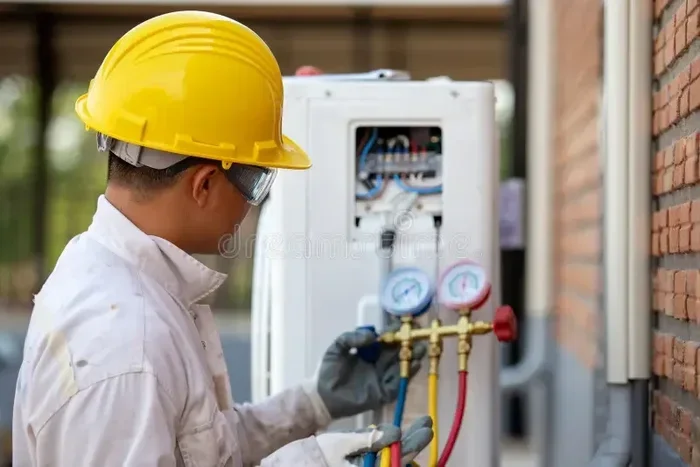
High Pressure Nitrogen Compressor How to Choose the Best
A high pressure nitrogen compressor is a specialized machine that boosts nitrogen gas to extremely high pressures for industrial, medical, and research use. Choosing the right one depends on your pressure needs, flow requirements, purity standards, and budget. This guide covers types, features, applications, and expert tips to help you make a confident and informed decision.
When you need to compress nitrogen gas to extremely high pressures, not every machine will do the job. A high pressure nitrogen compressor is a specialized piece of equipment built to take nitrogen from standard supply levels and push it to pressures that can range from 3,000 PSI all the way up to 60,000 PSI or more. Whether you work in manufacturing, medical supply, food packaging, or laboratory research, choosing the right high pressure nitrogen compressor can make a huge difference in your daily operations.
But here is the challenge. The market is full of options. There are different types, different sizes, different pressure ratings, and different price points. Some machines are built for continuous industrial use. Others are smaller and better suited for occasional tasks. If you do not pick the right one, you could end up wasting money, losing efficiency, or even creating safety risks. That is exactly why this guide exists. By the time you finish reading, you will know exactly what to look for, what to avoid, and how to make a confident decision.
In this article, we will walk you through everything you need to know about high pressure nitrogen compressors. We will cover how they work, the different types available, the key features you should compare, and practical tips for making the best choice for your specific situation. Let us get started.
Key Takeaways
- Know Your Pressure Needs: Always match the compressor’s maximum PSI rating to your system requirements before buying.
- Choose the Right Type: Reciprocating, diaphragm, and booster compressors each serve different purposes and applications.
- Prioritize Oil-Free Models: Oil-free compressors prevent contamination, which is critical in food, medical, and lab settings.
- Check the Duty Cycle: A higher duty cycle means the machine can run longer without overheating or shutting down.
- Consider Total Cost of Ownership: The upfront nitrogen compressor price is only one factor. Maintenance, energy use, and longevity matter too.
- Compare Multiple Quotes: Always get at least three quotes and compare features, warranties, and support before making a final decision.
- Maintenance Extends Lifespan: Regular inspections, filter replacements, and proper cleaning keep your compressor running efficiently for years.
📑 Table of Contents
- What Is a High Pressure Nitrogen Compressor?
- How Does a High Pressure Nitrogen Compressor Work?
- Types of High Pressure Nitrogen Compressors
- Key Features to Look For
- Common Applications for High Pressure Nitrogen Compressors
- How to Choose the Right High Pressure Nitrogen Compressor
- Maintenance Tips for Your High Pressure Nitrogen Compressor
- Conclusion
What Is a High Pressure Nitrogen Compressor?
A high pressure nitrogen compressor is a machine that takes nitrogen gas and increases its pressure to very high levels. Normal nitrogen supply from a tank might be at around 200 to 300 PSI. But many industrial processes need much more than that. A high pressure nitrogen compressor can boost that pressure to several thousand PSI, depending on the model and design.
These machines work by reducing the volume of the gas, which forces the nitrogen molecules closer together. This increases the pressure. The basic idea is simple, but the engineering behind a reliable high pressure nitrogen compressor is quite sophisticated. The components must be built to handle extreme forces without leaking or failing.
How Is It Different From a Regular Compressor?
A regular high pressure air compressor is designed to compress air, not pure nitrogen. Air contains moisture, oxygen, and other gases. A compressor for nitrogen must handle a pure gas stream. This means the internal parts need to be compatible with nitrogen. Many oil-free nitrogen compressor models are preferred because oil can contaminate the nitrogen supply, which is a serious problem in industries like food packaging and medical manufacturing.
Why Does Pressure Rating Matter?
The pressure rating tells you how much force the machine can produce. A low-rated compressor might only reach 3,000 PSI. A top-tier industrial nitrogen compressor can go well beyond 10,000 PSI. Your application will determine what rating you need. Always check the requirements of your system before buying. Choosing a machine with too low a rating will lead to poor performance. Choosing one with too high a rating can waste money.
How Does a High Pressure Nitrogen Compressor Work?
Understanding how a high pressure nitrogen compressor works helps you make a smarter buying decision. The basic process involves drawing in nitrogen gas, reducing its volume through compression, and then delivering it at a higher pressure to your system.
The Compression Process Step by Step
Here is a simple breakdown of how the nitrogen compression system works:
- Intake Stage: Nitrogen gas enters the compressor through an inlet valve. The gas is at its original, lower pressure.
- Compression Stage: A piston or diaphragm reduces the volume of the gas. As the volume decreases, the pressure increases. This is the core function of any high pressure gas compressor.
- Discharge Stage: The compressed nitrogen exits the machine through an outlet valve. It is now at the desired high pressure and ready to be used.
- Cooling Stage: Compression generates heat. Many machines include cooling systems to prevent overheating and maintain performance.
Single-Stage vs. Multi-Stage Compression
Some high pressure nitrogen compressors use a single compression stage. Others use multiple stages. In a single-stage machine, the gas is compressed once. In a multi-stage machine, the gas is compressed in steps, with cooling between each stage. Multi-stage compressors are more efficient for very high pressure applications. They also tend to run cooler and last longer.
Expert Insight: If you need pressures above 5,000 PSI, a multi-stage nitrogen booster compressor is usually the better choice. The staged approach reduces heat buildup and extends the life of the machine significantly.
Types of High Pressure Nitrogen Compressors
Not all high pressure nitrogen compressors are built the same way. Different designs serve different needs. Understanding the main types will help you narrow down your options.
Reciprocating Compressors
A reciprocating nitrogen compressor uses a piston that moves back and forth inside a cylinder. This is one of the most common designs for high pressure nitrogen compressor applications. Reciprocating models are reliable, durable, and available in a wide range of pressure ratings. They work well for both intermittent and continuous use. Many industrial facilities prefer this type because of its proven track record and straightforward repair process.
Diaphragm Compressors
A diaphragm nitrogen compressor uses a flexible membrane instead of a piston. The diaphragm moves up and down to compress the gas. These machines are excellent for applications where gas purity is critical. Because the nitrogen never touches the mechanical parts, there is no risk of oil contamination. This makes diaphragm models a popular choice in the medical and semiconductor industries where even trace impurities can cause problems.
Booster Compressors
A nitrogen booster compressor is designed to take gas that is already at a moderate pressure and boost it to a much higher level. These are ideal when you already have a nitrogen supply but need to increase its pressure. Booster compressors are compact and efficient for nitrogen cylinder filling operations. They are also great for facilities that only need occasional pressure boosts rather than continuous compression.
Comparison Table: Types of High Pressure Nitrogen Compressors
| Type | Pressure Range | Best For | Maintenance Level | Price Range |
|---|---|---|---|---|
| Reciprocating | 3,000 – 30,000 PSI | General industrial use | Moderate | Mid to High |
| Diaphragm | 1,000 – 10,000 PSI | Purity-critical applications | Low | High |
| Booster | 500 – 7,000 PSI | Cylinder filling, pressure boosting | Low to Moderate | Low to Mid |
| Rotary Screw | 2,000 – 15,000 PSI | Continuous high-volume use | Moderate | High |
As you can see from the table, each type has its strengths. Your choice should depend on your pressure needs, purity requirements, and budget. There is no single best option. The best option is the one that matches your specific situation.
Key Features to Look For
When shopping for a high pressure nitrogen compressor, not all features are created equal. Some are essential for performance and safety. Others are nice to have but not critical. Here are the features you should pay close attention to.
Pressure Range and Capacity
The nitrogen flow rate and maximum pressure are the two most important specs. Make sure the compressor can reach the pressure your application requires. Also check the flow rate, measured in cubic feet per hour or liters per minute. If you need a high volume of compressed nitrogen quickly, you need a machine with a higher flow rate. Do not guess at these numbers. Measure your actual requirements and then find a compressor that meets or exceeds them.
Duty Cycle
The compressor duty cycle tells you how long the machine can run continuously before it needs to cool down. A 100% duty cycle means the machine can run all day without stopping. Lower duty cycles require rest periods between runs. For industrial operations that run around the clock, a continuous-duty high pressure nitrogen compressor is essential. A machine with a low duty cycle will overheat and break down if you push it too hard.
Oil-Free Design
An oil-free nitrogen compressor eliminates the risk of oil contaminating your gas supply. This is critical in food and beverage processing, pharmaceutical manufacturing, and laboratory work. Oil-free models typically cost more upfront, but they save you from costly contamination issues down the road. In many industries, oil-free operation is not just a preference. It is a regulatory requirement.
Noise Level
Compressors can be loud. If your facility has noise regulations or your workspace is near offices, look for models with low decibel ratings. Some high pressure nitrogen compressors come with sound-dampening enclosures that significantly reduce noise without sacrificing performance. This is an often-overlooked feature that can improve workplace comfort and compliance.
Portability
If you need to move the machine between locations, consider a portable nitrogen compressor. These units are lighter and often come with wheels or carrying handles. They are perfect for field work, construction sites, and mobile nitrogen supply system setups. Portability does not mean you have to sacrifice power. Many portable models deliver excellent performance in a compact footprint.
Quick Tips:
- Always check the maximum pressure rating against your system requirements before buying.
- Choose an oil-free model if purity matters for your application.
- Look for a machine with at least a 50% duty cycle for regular use.
- Consider portability if you plan to move the compressor between job sites.
Common Mistakes to Avoid:
- Buying a compressor with a pressure rating that is too low for your needs.
- Ignoring the duty cycle and ending up with a machine that overheats during long runs.
- Choosing a cheaper model that requires frequent and expensive maintenance.
- Overlooking the importance of gas purity in sensitive applications.
Common Applications for High Pressure Nitrogen Compressors
High pressure nitrogen compressor machines are used across many industries. Their versatility makes them essential tools in environments where clean, high-pressure nitrogen is needed. Let us look at some of the most common uses.
Manufacturing and Industrial Processing
In manufacturing, nitrogen is often used to create inert atmospheres. This prevents oxidation and contamination during processes like metal welding, electronics assembly, and chemical production. A reliable industrial nitrogen compressor ensures a steady supply of clean, high-pressure nitrogen throughout the production line. Without it, manufacturers would face quality issues and higher defect rates.
Food and Beverage Packaging
Nitrogen is widely used in food packaging to displace oxygen and extend shelf life. Potato chip bags, canned goods, and frozen food packaging all rely on nitrogen. The nitrogen compressor price for food-grade machines is often higher, but the investment pays off through longer product freshness and reduced waste. Food safety regulations also require clean, contaminant-free gas supplies, making a quality compressor essential.
Medical and Pharmaceutical Use
In the medical field, nitrogen is used in equipment sterilization, pharmaceutical manufacturing, and cryogenic applications. A high pressure nitrogen compressor used in these settings must meet strict purity standards. Any contamination could compromise patient safety or product integrity. This is why medical-grade compressors are built with extra care and undergo rigorous testing.
Laboratory and Research
Research laboratories use nitrogen for gas chromatography, sample preservation, and instrument control. These applications often require precise pressure control and ultra-pure gas. A diaphragm nitrogen compressor is frequently the preferred choice in lab settings because of its clean operation and accurate pressure delivery. Researchers depend on consistent gas quality for reliable results.
Oil and Gas Industry
The oil and gas sector uses nitrogen for pipeline purging, well stimulation, and pressure testing. These operations demand very high pressures, often exceeding 10,000 PSI. A heavy-duty high pressure gas compressor built for the field can handle these demanding conditions. Reliability is everything in this industry, where equipment failure can be costly and dangerous.
How to Choose the Right High Pressure Nitrogen Compressor
Choosing the right high pressure nitrogen compressor comes down to matching the machine to your specific needs. There is no one-size-fits-all answer. But by following a clear process, you can make a confident and informed decision.
Step 1: Define Your Pressure and Flow Requirements
Start by writing down exactly what your system needs. What is the target pressure? How much nitrogen do you use per hour? These numbers will narrow your options significantly. A nitrogen booster compressor might be perfect if you just need to boost an existing supply. But if you are starting from scratch, you may need a full nitrogen compression system with a higher capacity. Write everything down and be specific.
Step 2: Consider Your Budget
The nitrogen compressor price can vary widely. Small booster models might cost a few thousand dollars. Large industrial high pressure nitrogen compressor units can run tens of thousands. Set a realistic budget, but also factor in long-term costs like maintenance, energy consumption, and parts replacement. Sometimes spending a bit more upfront saves money over the life of the machine.
Step 3: Evaluate Build Quality and Brand Reputation
Look for manufacturers with a proven track record in industrial gas compressor equipment. Read customer reviews and check warranty terms. A well-built machine from a reputable brand will last longer and perform better. Do not just go for the cheapest option. Quality matters when you are dealing with high pressures and demanding applications.
Step 4: Think About Maintenance and Support
Every high pressure nitrogen compressor needs regular compressor maintenance to stay in good shape. Ask the manufacturer about available service parts, technical support, and warranty coverage. A machine that is easy to service will save you time and money in the long run. Also check whether replacement parts are readily available in your region.
Step 5: Get Multiple Quotes and Compare
Do not settle on the first quote you receive. Contact at least three suppliers and ask for detailed quotes. Compare not just the price, but also the features, warranty, delivery time, and after-sales support. This comparison gives you leverage and helps you find the best value for your investment.
Expert Insight: Many buyers make the mistake of focusing only on the upfront nitrogen compressor price. But the total cost of ownership, including energy use, maintenance, and downtime, often matters more in the long run. Always look at the big picture before making your final decision.
Quick Tips for Making the Final Decision:
- Write down your exact pressure and flow requirements before you start shopping.
- Compare at least three different models side by side.
- Check if the machine meets industry-specific certifications and standards.
- Ask about delivery time and installation support.
- Consider future needs. Will your operations grow? Choose a machine that can scale with you.
Maintenance Tips for Your High Pressure Nitrogen Compressor
Proper compressor maintenance keeps your high pressure nitrogen compressor running smoothly and safely. A well-maintained machine lasts longer, performs better, and costs less to operate over time. Here are some essential maintenance tips that every operator should follow.
Regular Inspection Schedule
Set up a regular inspection schedule. Check for leaks, unusual noises, and vibration. Even small issues can become big problems if they are not caught early. A weekly visual inspection and a monthly detailed check are good starting points for most industrial nitrogen compressor setups. Keep a log of every inspection so you can track patterns over time.
Filter and Valve Maintenance
Filters trap contaminants and protect the internal components. Replace them on schedule according to the manufacturer’s recommendations. Valves control the flow of nitrogen and can wear out over time. Inspect valves regularly and replace them when you notice signs of leakage or reduced performance. Clean filters and functioning valves are the foundation of efficient compressor maintenance.
Keep It Clean
Dust and debris can build up around the compressor and affect its cooling system. Keep the area around the machine clean and well-ventilated. Good airflow prevents overheating and extends the life of the motor. A clean compressor is also easier to inspect, which helps you spot potential problems sooner.
Document Everything
Keep a log of all maintenance activities. Record when filters were replaced, when valves were inspected, and when any repairs were made. This documentation helps you spot patterns and plan for future service needs. It also adds value if you ever decide to sell the machine. A well-documented maintenance history gives buyers confidence in the equipment.
Conclusion
Choosing the right high pressure nitrogen compressor does not have to be overwhelming. By understanding how these machines work, the different types available, and the key features to compare, you can make a smart and confident choice. Always start with your specific pressure and flow requirements. Consider your budget, but also think about long-term costs and maintenance needs. Whether you need a portable nitrogen compressor for field work or a heavy-duty industrial nitrogen compressor for continuous production, the right machine is out there waiting for you.
Take your time, do your research, and do not rush the decision. A well-chosen high pressure nitrogen compressor will serve your operations reliably for years to come. Use the tips and insights from this guide to walk into your next purchase with full confidence. Your operations deserve equipment that performs at the highest level, and now you have the knowledge to find it.
Frequently Asked Questions
What pressure range should I look for in a high pressure nitrogen compressor?
The right pressure range depends entirely on your application. Most industrial processes need between 3,000 and 10,000 PSI. If you are filling high-pressure cylinders, you may need a machine rated for 20,000 PSI or higher. Always check your system requirements first and choose a compressor that meets or exceeds those needs with some margin for safety.
Is an oil-free nitrogen compressor worth the extra cost?
Yes, in most cases. Oil-free compressors prevent contamination of the nitrogen supply, which is critical in food, medical, and semiconductor applications. While they cost more upfront, they save you from expensive cleanup, product waste, and regulatory issues. For any application where gas purity matters, an oil-free high pressure nitrogen compressor is the smarter long-term investment.
How often should I perform maintenance on my nitrogen compressor?
A weekly visual inspection and a monthly detailed check are good baselines for most setups. Filter replacements typically happen every 500 to 1,000 operating hours, depending on the model and usage conditions. Always follow the manufacturer’s recommended maintenance schedule and keep a detailed log of all service activities.
Can I use a high pressure nitrogen compressor for other gases?
No, you should not. These machines are specifically designed and certified for nitrogen. Using them with other gases can be dangerous and may void your warranty. Different gases have different chemical properties, and the internal components of a nitrogen compressor are selected for compatibility with nitrogen only.
What is the typical nitrogen compressor price for an industrial unit?
The nitrogen compressor price for industrial units can range from $5,000 for small booster models to $50,000 or more for large, high-capacity systems. The price depends on the pressure rating, flow capacity, build quality, and additional features like oil-free operation or sound dampening. Always get multiple quotes and compare total cost of ownership, not just the upfront price.
What should I look for when comparing compressor brands?
Look for a proven track record in industrial gas compressor manufacturing. Check warranty terms, availability of replacement parts, and the quality of after-sales support. Read customer reviews and ask for references. A reputable brand will stand behind its product and provide the technical support you need throughout the life of the machine.