DD13 Air Compressor Diagram Everything You Need To Know
Our DD13 air compressor diagram guide covers everything you need to know about this critical engine component. You will learn the exact layout, key parts, wiring details, and common troubleshooting steps. Whether you are a mechanic or a truck owner, this guide makes the DD13 compressor easy to understand.
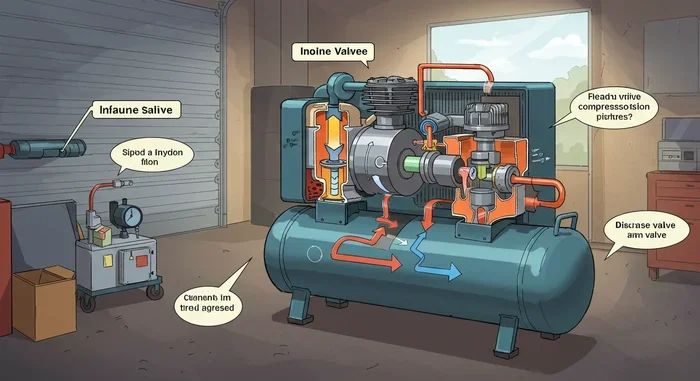
If you work on heavy-duty trucks, you know the DD13 engine is a powerhouse. It powers many Freightliner and Detroit Diesel rigs on the road today. But what really makes this engine work well is the air compressor. The DD13 air compressor diagram is a map that shows you every part, connection, and pathway in the system.
Understanding this diagram is not just for mechanics. If you are a truck owner, a fleet manager, or a DIYer, knowing how your compressor works can save you time and money. It helps you spot problems early, do basic maintenance, and talk confidently with your shop tech.
In this guide, we break down the DD13 air compressor diagram piece by piece. We will walk you through each component, explain how they connect, and share practical tips you can use right away. By the end, you will feel much more confident reading and using this diagram.
So let us dive in and explore everything about the DD13 compressor setup. No jargon, no fluff, just clear and useful information you can put to work today.
Key Takeaways
- Complete Layout: Understand every section of the DD13 air compressor diagram and what each part does.
- Key Components: Learn about the pump, unloader valve, pressure switch, and air intake filter.
- Wiring Made Simple: Get clear wiring guidance for the compressor clutch and electrical connections.
- Troubleshooting Tips: Identify common problems fast and fix them with our step-by-step advice.
- Maintenance Schedule: Keep your compressor running strong with our recommended maintenance routine.
- Safety First: Always follow proper lockout procedures and wear protective gear when working on the system.
📑 Table of Contents
- What Is the DD13 Air Compressor and Why Does It Matter?
- Reading the DD13 Air Compressor Diagram
- Key Components of the DD13 Air Compressor System
- Wiring and Electrical Connections in the DD13 Compressor
- Troubleshooting Common DD13 Compressor Problems
- Maintenance Tips for Your DD13 Air Compressor
- Comparing DD13 Compressor Diagrams Across Different Models
- Expert Tips for Working with the DD13 Compressor Diagram
- Common Mistakes to Avoid When Using the DD13 Diagram
- Final Thoughts on the DD13 Air Compressor Diagram
What Is the DD13 Air Compressor and Why Does It Matter?
The DD13 air compressor is a vital part of the engine’s air brake system. It pumps air into the reservoirs that power your brakes, horns, and other air tools. Without a working compressor, a heavy-duty truck simply cannot operate safely.
The compressor sits at the front of the engine and is driven by the engine crankshaft through a belt or coupling. As the engine turns, the compressor draws in outside air, compresses it, and sends it to the air tanks. This cycle happens thousands of times every hour while you drive.
How the Compressor Fits Into the DD13 Engine System
The DD13 is a 13-liter inline-six diesel engine. It is known for its reliability and fuel efficiency. The air compressor is bolted to the front of the engine block and works alongside other accessories like the water pump and alternator.
Here is a quick look at how the system fits together:
- Engine Crankshaft: Provides rotational power to drive the compressor.
- Compressor Pump: Draws in air and compresses it to high pressure.
- Air Lines: Carry compressed air from the pump to the reservoirs.
- Pressure Switch: Monitors air pressure and turns the compressor on or off.
- Unloader Valve: Releases pressure from the pump when the compressor is not actively filling the tanks.
Each of these parts plays a role. If one fails, the whole air system suffers. That is why understanding the DD13 air compressor diagram is so important.
Reading the DD13 Air Compressor Diagram
A compressor diagram can look overwhelming at first glance. There are lines, symbols, and labels everywhere. But once you know what to look for, reading it becomes much easier. Think of it like a map, once you understand the legend, you can navigate anywhere.
Key Symbols and Lines You Will See
Most DD13 compressor diagrams use standard symbols. Here are the ones you will see most often:
- Rectangles: Represent the compressor pump or motor housing.
- Circles: Stand for valves, switches, or sensors.
- Arrows: Show the direction of air flow or electrical current.
- Lines: Indicate pipes, hoses, or wiring connections.
- Dashed Lines: Often represent control signals or vacuum lines.
When you look at the DD13 air compressor diagram, start with the compressor pump in the center. From there, follow the lines outward. Each line connects to another component. Trace them one at a time, and the picture will come together fast.
Color Coding and Labels
Many diagrams use color coding to make things clearer. For example, red lines might show high-pressure air lines, while blue lines show low-pressure or control lines. Labels are printed next to each part. Common labels you will see include the pressure switch, unloader valve, air intake, and discharge port.
Quick tip: If you are looking at a printed diagram, keep a highlighter handy. Color-code each section as you read it. This simple trick makes the diagram much easier to reference later.
Key Components of the DD13 Air Compressor System
Now let us get into the specific parts you will find on the DD13 air compressor diagram. Knowing each component and its role is the foundation of understanding the whole system.
1. The Compressor Pump
The pump is the heart of the system. It is the part that actually compresses the air. On the DD13, the pump is a single-stage or two-stage reciprocating compressor. This means a piston moves up and down inside a cylinder to squeeze air into a smaller space.
When the piston moves down, it creates a vacuum that pulls air in through the air intake filter. When the piston moves up, it compresses that air and pushes it out through the discharge line. This cycle repeats continuously while the engine is running and the compressor is engaged.
2. The Unloader Valve
The unloader valve is a small but important part. When the air tanks reach the desired pressure, the pressure switch tells the compressor to stop. At that point, the unloader valve opens and releases any trapped air from the pump cylinder.
This prevents the compressor from having to work against full pressure when it starts up again. Think of it like easing the weight off your shoulders before you start lifting again. Without the unloader valve, the compressor motor would have to work much harder on each startup.
3. The Pressure Switch
The pressure switch is the brain of the system. It monitors the air pressure in the reservoirs and turns the compressor on or off accordingly. On most DD13 setups, the compressor kicks in around 100 psi and shuts off around 125 psi.
If the pressure switch fails, you may notice the compressor runs constantly or never turns on. Either way, it is a problem you want to fix quickly. The pressure switch is usually easy to locate on the compressor body and is a common point of failure.
4. The Air Intake Filter
The air intake filter cleans the air before it enters the compressor pump. Dirty or clogged filters reduce air flow and can cause the compressor to work harder than it needs to. Over time, this leads to premature wear and reduced efficiency.
Make it a habit to check the air intake filter during every oil change. A clean filter costs very little but can extend the life of your compressor significantly.
5. The Pressure Gauge and Safety Valve
The pressure gauge gives you a real-time reading of the air pressure in the system. It is one of the first things you should check if something seems off. If the gauge reads lower than normal, there could be a leak or a failing component.
The safety valve, also called the pressure relief valve, is a backup protection device. If the pressure exceeds safe limits, the valve automatically opens to release excess air. This prevents damage to the compressor tank and the rest of the system.
Wiring and Electrical Connections in the DD13 Compressor
The electrical side of the DD13 air compressor diagram is just as important as the mechanical side. The compressor clutch is an electromagnetic device that engages and disengages the pump. It is controlled by the pressure switch through a wiring circuit.
How the Compressor Clutch Wiring Works
When the air pressure drops below the set point, the pressure switch sends an electrical signal to the compressor clutch. This signal energizes the clutch coil, which pulls the clutch plate and engages the pump. The compressor then starts pumping air until the pressure reaches the upper set point.
Here is a simplified look at the wiring path:
- Battery Power: Provides the electrical source for the circuit.
- Fuse Box: Protects the circuit with a dedicated fuse.
- Pressure Switch: Acts as the control switch that completes the circuit.
- Compressor Clutch: Receives the signal and engages the pump.
- Ground Wire: Completes the electrical circuit back to the battery.
If your compressor is not engaging, the first thing to check is the fuse. Then test the pressure switch for proper operation. A multimeter makes this job quick and easy. Always disconnect the battery before working on any electrical connections.
Common Wiring Issues and Fixes
Corroded connectors are one of the most common electrical problems on DD13 compressors. The engine compartment gets hot and exposed to road grime, which can cause connectors to break down over time. A simple cleaning with electrical contact cleaner can often fix the issue.
Another common problem is a worn compressor clutch coil. If you hear a clicking sound but the pump does not engage, the coil may be burned out. Replacing the clutch is straightforward and does not require removing the entire compressor.
Troubleshooting Common DD13 Compressor Problems
Even the best compressors can develop problems over time. Knowing what to look for can save you from costly repairs and downtime. Here are the most common issues you will encounter with the DD13 air compressor system.
Compressor Not Building Enough Pressure
If your compressor runs but does not reach the normal pressure range, there are a few possible causes. First, check the air intake filter. A clogged filter restricts air flow and reduces compression output. Next, inspect the discharge lines for leaks or blockages.
A worn piston ring or valve plate inside the pump can also cause low pressure. These internal parts are harder to diagnose and usually require a trained technician. But checking the simple things first often solves the problem.
Compressor Runs Continuously
A compressor that never shuts off is usually a pressure switch issue. The switch may be stuck in the closed position or the set point may have shifted. Start by testing the pressure switch with a gauge. If the switch reads correctly but the compressor still runs nonstop, replace the switch.
Another cause could be a leak in the air system. If air is escaping from a fitting or a hose, the compressor keeps running to try to maintain pressure. Walk under the truck and listen for hissing sounds. A small leak can cause big problems over time.
Unusual Noises From the Compressor
Grinding, squealing, or knocking sounds are never good signs. A grinding noise often points to worn bearings inside the pump. Squealing could mean a loose or slipping compressor belt. Knocking might indicate a loose piston or internal component failure.
Do not ignore unusual sounds. They are your compressor telling you something is wrong. The sooner you address the issue, the less expensive the repair will be.
Maintenance Tips for Your DD13 Air Compressor
Regular maintenance keeps your DD13 compressor running smoothly and extends its lifespan. Here are the steps you should follow on a routine basis.
Daily Checks
- Listen for unusual sounds when the compressor engages.
- Check the pressure gauge to make sure the system builds pressure normally.
- Look for visible air leaks around fittings and hoses.
- Inspect the belt for proper tension and wear.
Weekly and Monthly Tasks
- Drain the air tanks to remove moisture buildup. Moisture can cause rust and corrosion inside the tanks.
- Check the air intake filter and clean or replace it if dirty.
- Inspect all electrical connections for corrosion or looseness.
- Verify the unloader valve operates correctly.
Seasonal and Annual Maintenance
- Have a professional inspect the compressor pump internals once a year.
- Replace the pressure switch if it shows signs of erratic behavior.
- Check the compressor coupling for wear and proper alignment.
- Perform a full air system leak-down test to identify hidden leaks.
Following a consistent maintenance schedule is the best way to avoid unexpected breakdowns. A well-maintained compressor can last for hundreds of thousands of miles with proper care.
Comparing DD13 Compressor Diagrams Across Different Models
The DD13 engine has been used in several truck models over the years. While the core compressor design remains similar, there are some differences you should be aware of. Let us look at a quick comparison.
| Feature | DD13 Early Model | DD13 Updated Model |
|---|---|---|
| Compressor Type | Single-stage piston | Two-stage piston |
| Drive Type | Belt drive | Belt drive with automatic tensioner |
| Pressure Switch Range | 100-125 psi | 100-130 psi |
| Air Intake Filter | Standard paper filter | Extended-life filter |
| Unloader Valve | Manual adjustment | Automatic operation |
| Electrical Connector | Standard plug | Weather-sealed connector |
The updated model offers improved efficiency and reliability. If you are working on a newer DD13, the diagram may include some additional components like the automatic tensioner and weather-sealed connectors. Always refer to the specific diagram for your model year to ensure accuracy.
Expert Tips for Working with the DD13 Compressor Diagram
After years of working with these systems, here are a few tips that can make your job easier and safer.
First, always have the correct service manual for your specific DD13 model year. The diagrams in the manual are the most accurate and include all the updated components. Generic diagrams found online may not reflect the latest design changes.
Second, take photos before you disconnect anything. When you are working on a complex system like the air compressor, it is easy to forget where a hose or wire goes. Photos taken before disassembly serve as a helpful reference during reassembly.
Third, never skip the safety steps. The air system operates at high pressure, and a sudden release can cause serious injury. Always depressurize the system before opening any lines or fittings. Wear safety glasses and gloves to protect yourself from debris and compressed air.
Finally, do not be afraid to ask for help. Even experienced mechanics run into problems they cannot solve right away. A good forum or a call to a knowledgeable parts supplier can save you hours of frustration.
Common Mistakes to Avoid When Using the DD13 Diagram
There are a few mistakes that even experienced technicians make when working with the DD13 air compressor diagram. Avoiding these can save you time and prevent costly errors.
- Assuming all DD13 diagrams are the same: Different model years and configurations have different diagrams. Always verify you are using the right one.
- Ignoring the air intake filter: A dirty filter causes so many compressor problems. It is the easiest thing to check and the most commonly overlooked.
- Skipping the pressure relief valve test: A stuck relief valve is dangerous. Test it regularly as part of your maintenance routine.
- Over-tightening fittings: Air line fittings can strip or crack if overtightened. Use a torque wrench and follow the manufacturer specs.
- Working on a pressurized system: Always release all pressure before disconnecting any lines. This is a safety rule that should never be skipped.
Final Thoughts on the DD13 Air Compressor Diagram
The DD13 air compressor diagram is one of the most useful tools you can have when working on a DD13 engine. It gives you a clear picture of how the compressor system is laid out, where every part sits, and how everything connects. Whether you are diagnosing a problem, doing routine maintenance, or just trying to understand your truck better, this diagram is your best friend.
Take the time to study the diagram carefully. Trace each line, identify each component, and understand how they work together. The more familiar you become with the DD13 compressor system, the more confident and capable you will be in the shop or on the road.
Remember, a healthy air compressor means safe brakes, reliable air tools, and a truck that runs right. Keep your system well-maintained, fix problems early, and always refer to the diagram when you are unsure. With the knowledge in this guide, you are well on your way to mastering the DD13 air compressor system.
Frequently Asked Questions
What does the DD13 air compressor diagram show?
The DD13 air compressor diagram shows the layout of the compressor pump, unloader valve, pressure switch, air intake filter, electrical connections, and all related components. It helps you understand how the entire air system is connected and how air flows through the system.
How often should I check my DD13 compressor?
You should perform a visual inspection of the compressor and air lines daily. Deeper maintenance tasks like checking the unloader valve and draining the tanks should be done weekly or monthly, depending on your usage and operating conditions.
Can I use a generic air compressor diagram for the DD13?
It is best to use the specific DD13 diagram from your service manual. Generic diagrams may not include all the unique components or settings found on the DD13 engine. Always verify the diagram matches your model year and configuration.
Why is my DD13 compressor not engaging?
The most common reasons are a blown fuse, a faulty pressure switch, or a bad compressor clutch coil. Start by checking the fuse box, then test the pressure switch and clutch with a multimeter. These are the simplest and most common fixes.
What is the normal operating pressure for the DD13 compressor?
Most DD13 compressors are set to engage at around 100 psi and shut off at 125 psi. However, this can vary slightly depending on the model year and configuration. Always check your service manual for the exact specifications.
How do I know if my compressor pump is failing?
Signs of a failing pump include low pressure output, unusual noises like grinding or knocking, and oil leaks around the compressor housing. If you notice any of these symptoms, have the compressor inspected by a qualified technician as soon as possible.
=== CONCLUSION ===
The DD13 air compressor diagram is an essential resource for anyone working on or around a DD13 engine. From the compressor pump and unloader valve to the pressure switch and wiring, every part of the system plays a critical role in keeping your truck running safely and efficiently.
By understanding the diagram, following a solid maintenance routine, and knowing how to troubleshoot common problems, you can keep your compressor in top shape for years to come. The DD13 air compressor diagram gives you the knowledge and confidence to take on the job right.