
Compressor Definition What It Means and How It Works
The compressor definition is simple: a compressor is a machine that squeezes air or gas into a smaller space, raising its pressure. Compressors power tools, cool your fridge, and keep factories running every day. In this guide, we break down how compressors work, the main types, and what to look for when buying one.
Have you ever wondered what makes an air compressor tick? Maybe you have seen one at a construction site or in your neighbor’s garage. The compressor definition is straightforward. A compressor is a device that takes in air or gas and squeezes it into a smaller space. This raises the pressure of the gas. That pressurized gas can then do a lot of useful work.
Compressors are more common than you might think. They are in your refrigerator. They power the tools at your local garage. They even help run big factories. Understanding the compressor definition and how these machines work helps you make better choices. Whether you need a small compressor for home projects or a large one for industrial use, this guide has you covered. We will walk through everything step by step.
Key Takeaways
- What it is: A compressor increases the pressure of a gas by reducing its volume.
- How it works: It draws in air, compresses it, and pushes it out at higher pressure.
- Main types: Positive displacement and dynamic compressors are the two big categories.
- Common uses: From powering nail guns to cooling your AC, compressors are everywhere.
- Buying tips: Match the compressor to your needs by considering PSI, CFM, and tank size.
- Maintenance: Regular oil changes and filter cleaning keep your compressor running smoothly.
📑 Table of Contents
What Is a Compressor?
At its core, a compressor definition is a machine that increases the pressure of a gas. It does this by reducing the volume of that gas. Think of it like squeezing a balloon. When you push on it, the air inside gets packed tighter. The pressure goes up. A compressor does the same thing, but in a controlled and powerful way.
Compressors are part of a bigger group of machines called compressors and pumps. The big difference is that pumps move liquids. Compressors move gases. Gases are compressible, which means you can squeeze them into a smaller space. Liquids are not. This is why you need a compressor for gas, not a pump.
Why Compressors Matter
You might ask, why do we even need compressors? The answer is simple. Many tools and machines need high-pressure air or gas to work. A nail gun needs a burst of compressed air to drive a nail. An air conditioner needs compressed refrigerant to cool your home. A factory needs compressed air to run its machines. Without compressors, modern life would look very different.
The compressor definition also covers the idea of energy transfer. When you compress a gas, you add energy to it. That energy is stored in the pressurized gas. When the gas is released, that energy does work. This is the basic principle behind almost every compressor application.
How Does a Compressor Work?
Now that you know the compressor definition, let us look at how it actually works. The process is not as complicated as it sounds. In fact, it follows a simple cycle. Let us break it down.
The Basic Compression Process
Every compressor follows a basic cycle. First, it draws in air or gas. This is called the intake stage. Next, it reduces the volume of that gas. This is the compression stage. As the volume goes down, the pressure goes up. Finally, it pushes the compressed gas out. This is the discharge stage.
Here is a simple way to think about it. Imagine you have a syringe. You pull the plunger back. Air rushes in. That is the intake. Now you push the plunger in. The air gets squeezed. The pressure rises. That is compression. You let the air out through a small opening. That is discharge. A compressor works on the same idea, just on a bigger scale.
Key Components Inside a Compressor
To understand the compressor definition fully, you need to know the main parts. Every compressor has a few key pieces:
- Intake valve: This lets gas in. It opens when the pressure inside drops.
- Compression chamber: This is where the gas gets squeezed. The size of this chamber changes depending on the type of compressor.
- Piston or rotor: This is the moving part that does the squeezing. In some compressors, a piston moves up and down. In others, a spinning rotor does the job.
- Discharge valve: This lets the compressed gas out. It opens when the pressure is high enough.
- Motor: This powers the whole machine. It provides the energy needed to compress the gas.
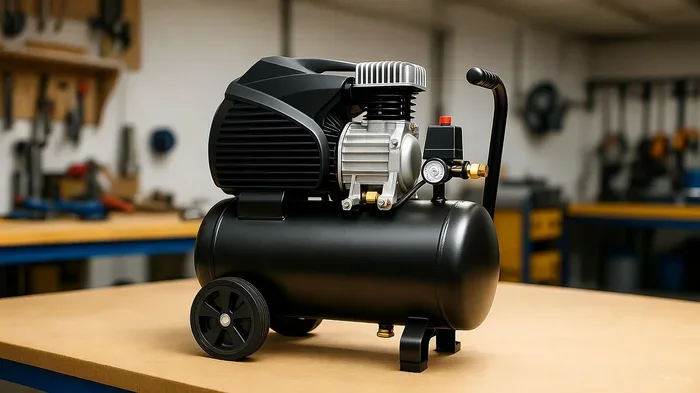
- Tank or receiver: Many compressors store the compressed gas in a tank. This keeps the pressure steady and ready to use.
Each of these parts plays a role in the compression process. If one part fails, the whole machine stops working. That is why regular maintenance matters so much.
Pressure and Flow Explained
Two important terms come up when talking about how compressors work. The first is pressure, measured in PSI (pounds per square inch). The second is flow, measured in CFM (cubic feet per minute). Pressure tells you how hard the gas is being squeezed. Flow tells you how much gas is moving through the system.
When you look at the compressor definition, you need to understand both of these. A tool might need 90 PSI to work. But it also needs a certain CFM to run continuously. If your compressor cannot deliver enough flow, the tool will stall. Matching PSI and CFM to your needs is key.
Main Types of Compressors
Not all compressors are the same. The compressor definition covers a wide range of machines. Each type works a little differently. Let us look at the two main categories.
Positive Displacement Compressors
Most compressors you will come across are positive displacement types. These machines trap a fixed amount of gas. Then they reduce the volume of that trapped gas. The pressure goes up as the volume goes down. This is the most common design for air compressors you see in garages and workshops.
There are two main kinds of positive displacement compressors:
- Reciprocating compressor: This type uses a piston that moves back and forth. It is like a car engine in how it works. These are great for low to medium flow rates. You will find them in home garages and small shops.
- Rotary compressor: This type uses a spinning rotor to squeeze the gas. It runs smoother and quieter than a reciprocating model. Rotary screw compressors are very popular in factories and workshops.
Both of these fall under the broad compressor definition. They just use different methods to achieve the same goal: raising gas pressure.
Dynamic Compressors
The second big category is dynamic compressors. These do not trap gas in a chamber. Instead, they use a spinning impeller to add energy to the gas. The gas speeds up as it passes through the impeller. Then it slows down in a diffuser. This speed change converts into pressure.
The most common dynamic compressor is the centrifugal compressor. These are used in big industrial settings. They handle very high flow rates. You will find them in oil refineries, power plants, and large HVAC systems. They are not usually the right choice for small workshops or home use.
| Feature | Positive Displacement | Dynamic |
|---|---|---|
| How it works | Traps gas and reduces volume | Uses spinning impeller to add energy |
| Best for | Low to medium flow | High flow rates |
| Common types | Reciprocating, rotary screw | Centrifugal |
| Pressure range | Low to very high | Medium to high |
| Typical use | Garages, workshops, factories | Large plants, refineries |
| Maintenance | Moderate | Lower, but more complex |
Both types fit under the compressor definition. The right one depends on your needs. If you need high pressure at low flow, positive displacement is usually the way to go. If you need high flow at moderate pressure, a dynamic compressor might be better.
Common Uses for Compressors
Compressors are everywhere. Once you know the compressor definition, you start to see them all around you. Let us explore the most common uses.
Industrial Applications
Factories rely heavily on compressed air. Pneumatic tools like drills, grinders, and sanders all need a steady supply of compressed air. Assembly lines use compressed air to move parts and operate machinery. Even robots in modern factories often run on compressed air systems.
In the oil and gas industry, compressors are essential. They move natural gas through pipelines. They also compress gas for refining and processing. Without industrial compressors, much of our energy infrastructure would stop working.
Home and DIY Uses
You do not need a factory to use a compressor. Many homeowners have a small air compressor in their garage. These are great for:
- Inflating tires and sports balls
- Powering nail guns and staple guns
- Running paint sprayers for home projects
- Blowing dust and debris off surfaces
- Running small pneumatic tools
A home compressor is a versatile tool. It makes many DIY jobs faster and easier. If you have ever used a tire inflator at a gas station, you have used a small compressor in action.
HVAC and Refrigeration
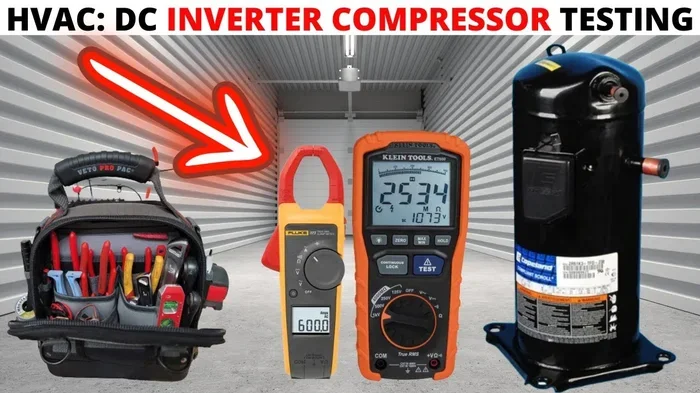
Your air conditioner and refrigerator both use compressors. In an AC system, the compressor squeezes refrigerant gas. This raises its temperature and pressure. The hot gas then flows through the condenser coil and releases heat. The refrigerant cools down and turns into a liquid. It flows back inside and expands. This cycle repeats over and over, keeping your home cool.
The compressor definition in HVAC is slightly different from industrial compressors. Here, the compressor is part of a closed loop. The refrigerant cycles continuously. But the core principle is the same: squeeze the gas, raise the pressure, and let it do work.
How to Choose the Right Compressor
Buying a compressor can feel overwhelming. There are so many sizes and types. But if you understand the compressor definition and your own needs, the choice gets easier. Here is what to consider.
Things to Consider Before Buying
Start by asking yourself what you need the compressor for. Different tasks need different specs. Here are the key factors to think about:
- PSI (Pounds per Square Inch): This tells you the maximum pressure the compressor can deliver. Check what your tools need. Most air tools work at 90 PSI, but some need more.
- CFM (Cubic Feet per Minute): This tells you the volume of air the compressor can deliver. Higher CFM means more tools can run at the same time. Look at the CFM requirements of your tools.
- Tank size: A larger tank holds more compressed air. This means the motor does not have to run as often. It also helps keep the pressure steady.
- Duty cycle: This is the percentage of time the compressor can run without overheating. A 50% duty cycle means it can run for 5 minutes out of every 10.
- Power source: Compressors can run on electricity, gasoline, or diesel. Electric models are quieter and cleaner. Gas models are more portable and powerful.
Once you know these numbers, you can narrow down your options. A small home compressor might have a 2-gallon tank and 1.5 CFM. A big industrial unit might have a 60-gallon tank and 20+ CFM. Match the specs to your needs and you will be happy with your choice.
Quick Tips for First-Time Buyers
- Do not buy more machine than you need. A small compressor is cheaper and easier to maintain.
- Look for a compressor with a slightly higher CFM than your tools require. This gives you room to add tools later.
- Check the noise level. Some compressors are much quieter than others.
- Read reviews from real users. They often point out issues you might not think of.
- Consider the compressor efficiency rating. A more efficient model saves energy and money over time.
Maintaining Your Compressor for Long Life
A compressor is an investment. Like any machine, it needs regular care. Proper maintenance keeps it running smoothly and extends its life. Here are some simple steps you can take.
Quick Maintenance Tips
- Drain the tank regularly: Moisture builds up inside the tank. Open the drain valve after each use to let it out. This prevents rust and keeps the air clean.
- Check the oil level: Many compressors need oil to run. Check the level before each use. Change the oil according to the manufacturer’s schedule.
- Clean or replace filters: Dirty filters reduce airflow and make the machine work harder. Check them regularly and clean or replace them as needed.
- Inspect hoses and fittings: Leaks waste energy and reduce pressure. Check all connections for leaks and tighten or replace them as needed.
- Keep the machine clean: Dust and debris can build up on the motor and cooling fins. Wipe it down after each use to keep it in good shape.
Following these simple steps will keep your compressor in top shape for years. A well-maintained machine runs more efficiently and lasts longer. This saves you money and keeps your tools performing at their best.
Common Mistakes to Avoid
Even with the best intentions, people make mistakes with their compressors. Here are a few to watch out for:
- Running the machine past its duty cycle: This causes overheating and can damage the motor. Let it rest between uses.
- Ignoring leaks: A small leak might not seem like a big deal. But over time, it wastes a lot of energy and reduces performance.
- Using the wrong oil: Always use the oil type recommended by the manufacturer. Wrong oil can cause buildup and damage.
- Overfilling the tank: Never exceed the maximum pressure rating. This is dangerous and can cause the tank to fail.
Avoiding these mistakes keeps your compressor safe and efficient. It also helps you get the most out of your investment.
The Future of Compressor Technology
The world of compressors is always evolving. New technology makes machines more efficient and quieter. Variable speed drive compressors are becoming more popular. These adjust their speed based on the demand for air. This saves energy compared to older models that run at full speed all the time.
Smart compressors with digital controls are also emerging. These machines can monitor their own performance. They can alert you when maintenance is needed. Some can even adjust their output based on real-time demand. The compressor definition is expanding as these new technologies enter the market.
Energy efficiency is a big focus in the industry. Manufacturers are working on designs that use less power while delivering the same performance. This is good for the environment and good for your electric bill. As technology improves, compressors will become even more reliable and versatile.
Conclusion
The compressor definition is clear and simple. A compressor is a machine that squeezes gas into a smaller space, raising its pressure. This basic idea powers a huge range of tools and systems. From the air compressor in your garage to the giant units in a factory, compressors make modern life possible.
We have covered a lot of ground. You now know how compressors work, the main types, common uses, and how to choose the right one. You also know how to maintain your machine for long life. With this knowledge, you can make smart decisions about compressors for any application.
Remember, the right compressor depends on your needs. Match the PSI, CFM, and tank size to your tasks. Take care of your machine, and it will serve you well for years to come. The world of compressors is wide and varied. Now that you understand the basics, you are ready to explore it with confidence.
Frequently Asked Questions
What is the simple compressor definition?
A compressor is a machine that takes in gas or air and squeezes it into a smaller volume, which raises the pressure. It works like a pump for gases rather than liquids.
What are the two main types of compressors?
The two main types are positive displacement compressors and dynamic compressors. Positive displacement traps gas and reduces its volume. Dynamic compressors use a spinning impeller to add energy to the gas.
How does an air compressor work in simple terms?
An air compressor draws in outside air, compresses it using a piston or rotor, and stores the pressurized air in a tank. When you use a tool, the compressed air flows out and powers it.
What PSI and CFM should I look for in a home compressor?
For most home tasks, a compressor that delivers 90 PSI and 2 to 4 CFM is a good starting point. Check the requirements of the tools you plan to use and match the compressor to those needs.
How often should I maintain my compressor?
You should drain the tank after each use, check the oil level regularly, and inspect filters monthly. A full oil change and filter replacement should happen based on the manufacturer’s recommended schedule.
Can a compressor be used for more than powering tools?
Yes, compressors have many uses beyond powering tools. They are used in air conditioning and refrigeration, paint spraying, inflating tires, and even in large industrial processes like gas pipelines and chemical manufacturing.



2 Comments