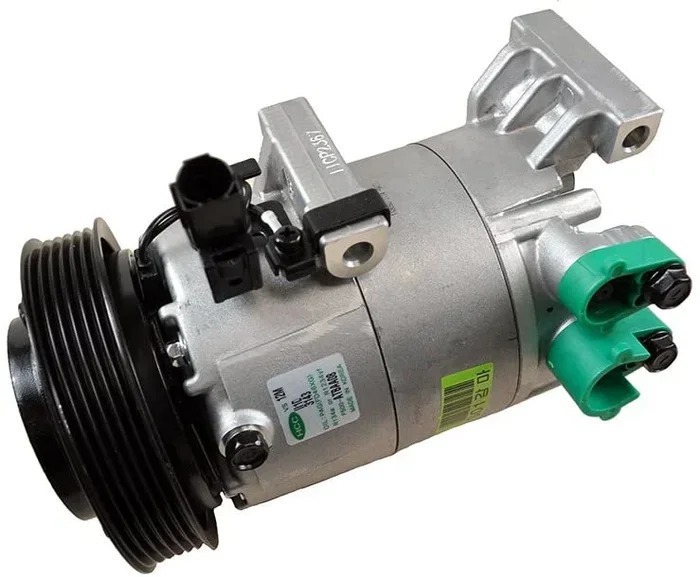
Air Compressor Valve Parts And How to Choose Them Right
Air compressor valve parts are the heart of any compressor system, controlling airflow and pressure with precision. Whether you need to replace a worn check valve, upgrade your pressure switch, or understand how an unloader valve works, this guide covers everything you need. We will walk you through the different types, key components, and how to pick the best valve parts for your setup.
Air compressor valve parts might not be the flashiest topic, but they are absolutely essential to how your compressor works. Every time you flip the switch and hear that familiar hum, it is the valves inside your machine doing the heavy lifting. They open, close, and regulate airflow so your tools get the consistent pressure they need.
Whether you are a weekend DIYer or a professional mechanic, understanding air compressor valve parts can save you time, money, and a lot of frustration. A bad valve can cause pressure loss, air leaks, and even damage to other components. The good news is that choosing the right replacement parts does not have to be complicated. In this guide, we will break down every valve type, explain what to look for, and share practical tips to help you make the best choice.
Let us dive right in and explore the world of compressor valves. By the end of this article, you will feel confident picking the right parts and keeping your machine running smoothly for years to come.
Key Takeaways
- Valve parts control airflow and pressure: Without them, your compressor cannot build or maintain the right PSI levels.
- There are several types of valves: Check valves, unloader valves, pressure switches, and suction/discharge valves all play unique roles.
- Choosing the right parts matters: Compatibility, material quality, and PSI ratings determine how well your compressor performs.
- Regular maintenance extends valve life: Simple checks and cleaning can prevent costly repairs and downtime.
- Knowing when to replace saves money: Signs like air leaks, pressure loss, and unusual noises mean it is time for new valve parts.
📑 Table of Contents
What Are Air Compressor Valve Parts?
Valve parts are the components inside your compressor that manage the flow of air. They open and close at just the right moments to build pressure, release excess air, and keep everything running safely. Think of them as the traffic controllers of your compressor system.
Without functioning valves, your compressor would not be able to build pressure at all. Air would flow in and out randomly, making it impossible to power any tools. Each valve has a specific job, and they all work together as a team.
Why Valve Parts Matter
Your compressor relies on valves to do several critical things. First, they pull in fresh air and compress it. Second, they hold that compressed air inside the tank until you need it. Third, they release pressure when the tank reaches its limit. If any one of these steps fails, your whole system suffers.
Here is a quick look at why valve parts are so important:
- They control pressure levels: Valves make sure your compressor builds the right amount of PSI for your tools.
- They prevent air leaks: A properly sealed valve keeps compressed air from escaping before you need it.
- They protect the motor: Valves like the pressure switch shut off the motor when the tank is full, preventing overheating.
- They improve efficiency: Good valves mean less wasted energy and lower electricity bills.
When a valve starts to wear out, you will notice signs like pressure dropping, strange noises, or the compressor running constantly. Catching these early and replacing the right air compressor valve parts can prevent bigger problems down the road.
Types of Air Compressor Valves
Not all valves are the same. Different types serve different purposes inside your compressor. Understanding each one helps you know exactly what to look for when something goes wrong or when you are shopping for replacements.
Check Valves
A check valve is a one-way valve that lets air flow in only one direction. It sits between the pump and the tank and prevents compressed air from flowing back into the pump when the motor shuts off. This is one of the most important air compressor valve parts because it keeps your tank pressurized.
When a check valve fails, you might hear air hissing from the pump when the compressor is off. It is a clear sign that the valve is no longer sealing properly. Replacing it is usually simple and inexpensive.
Unloader Valves
The unloader valve releases trapped pressure from the compressor head when the motor stops. This makes it easier for the motor to start up again the next time you need it. Without an unloader valve, your motor would have to fight against built-up pressure every single time.
Adjusting your unloader valve correctly is key to smooth operation. If you are having trouble with your compressor starting or stopping, the unloader valve might be the culprit. You can learn more about adjusting it in our guide on how to adjust the unloader valve on an air compressor.
Pressure Switches
The pressure switch is the brain behind your compressor’s on-and-off cycle. It monitors the air pressure in the tank and turns the motor on when pressure drops below a set level. It turns the motor off when the pressure reaches the cut-out level.
A good pressure switch keeps your compressor running efficiently and safely. If your air compressor pressure switch is malfunctioning, your compressor might run non-stop or fail to build pressure at all. Replacing a faulty switch is one of the easiest fixes you can do at home.
Suction and Discharge Valves
These valves work inside the compressor pump itself. The suction valve pulls air into the cylinder, and the discharge valve pushes compressed air out to the tank. Both open and close rapidly with each pump stroke.
When these valves wear out, you will notice a drop in performance. Your compressor might take longer to build pressure, or it might not reach the target PSI at all. These valve parts are often made of durable materials like brass or stainless steel to handle the constant wear and tear of high-pressure air.
How to Choose the Right Valve Parts
Shopping for valve parts can feel overwhelming if you do not know what to look for. There are so many options out there, and picking the wrong one can lead to poor performance or even damage to your compressor. Here is how to make the right choice every time.
Check Compatibility First
The most important rule is to make sure the valve part fits your specific compressor model. Different brands and models use different valve sizes and configurations. Always check your owner’s manual or the part number before ordering a replacement.
For example, if you own a Craftsman compressor, you will want to find parts that match that specific model. Similarly, a Dewalt compressor has its own set of compatible valve components. Using the wrong part can cause air leaks, pressure issues, and even safety hazards.
Consider the Material
Valve parts come in different materials, and each has its own strengths. Here is a quick comparison:
- Brass valves: Durable, corrosion-resistant, and great for high-pressure applications. They last longer but cost a bit more.
- Stainless steel valves: Excellent for wet or humid environments. They resist rust and handle high temperatures well.
- Plastic valves: Lightweight and affordable. They work fine for light-duty compressors but may wear out faster under heavy use.
For most users, brass or stainless steel is the way to go. They offer the best balance of durability and performance.
Match the PSI and CFM Ratings
Every valve part has a maximum PSI and CFM rating. Make sure the parts you choose can handle the pressure and airflow your compressor produces. If you undersize your valves, they will wear out quickly and may fail under load.
If you are not sure what ratings you need, check the specifications on your compressor’s nameplate or manual. Matching the right air compressor valve parts to your machine’s output ensures safe and efficient operation.
Look for Quality Brands
Not all valve parts are created equal. Sticking with trusted brands and reputable suppliers helps you avoid cheap parts that fail after a few uses. A quality valve rebuild kit can save you a lot of headache compared to replacing the entire valve assembly.
Also, consider visiting an air compressor repair shop if you are unsure which parts to buy. A professional can inspect your compressor and recommend the exact valve components you need.
Common Valve Problems and How to Fix Them
Even the best compressors experience valve issues over time. The good news is that most problems are easy to diagnose and fix with the right parts. Here are the most common valve problems you might encounter.
Air Leaking from the Pump
If you hear air hissing from the pump area when the compressor is off, your check valve or discharge valve is likely leaking. This happens when the valve seals wear out or get dirty. The fix is usually to clean the valve or replace the seal.
Start by turning off the compressor and releasing all pressure from the tank. Remove the valve cover and inspect the valve plate for any cracks, chips, or worn seals. Cleaning the valve with a mild solvent can often restore a proper seal. If the valve is damaged, replace it with a new one that matches your model.
Compressor Won’t Build Pressure
This is one of the most frustrating problems, but it is often caused by a simple valve issue. A worn suction valve or a stuck check valve can prevent your compressor from building pressure at all.
Start by checking the pressure switch to make sure it is functioning correctly. If the switch is working fine, move on to inspecting the internal valves. You can also check your air compressor oil level to make sure the pump is properly lubricated, since low oil can sometimes mimic valve problems.
Compressor Runs Constantly
If your compressor never shuts off, the pressure switch or unloader valve may be faulty. A bad pressure switch might not detect when the tank is full, causing the motor to keep running. A stuck unloader valve can also prevent the system from reaching the cut-out pressure.
Replacing either of these air compressor valve parts is usually straightforward and inexpensive. Just make sure you get the right part for your compressor model.
Maintenance Tips for Compressor Valves
Keeping your valve parts in good shape is the best way to avoid unexpected breakdowns. Regular maintenance takes just a few minutes but can extend the life of your compressor significantly.
Here are some simple tips to keep your valves working their best:
- Drain your tank regularly: Moisture builds up inside the tank and can corrode valve components. Drain the tank after every use to prevent this.
- Inspect valves periodically: Every few months, check your valves for signs of wear, corrosion, or damage. Catching problems early makes repairs easier and cheaper.
- Keep the area clean: Dust and debris around the compressor can get into the valves and cause them to stick or leak.
- Use the right oil: Check out our article on what type of oil goes in an air compressor to make sure you are using the correct lubricant for your valve system.
- Replace worn seals promptly: A small worn seal can lead to big air leaks and pressure loss. Do not wait until the problem gets worse.
Following these simple steps will keep your valve parts in great shape and your compressor running at peak performance.
Where to Buy Quality Air Compressor Valve Parts
Finding the right valve parts is easier than ever, but not all sellers are created equal. You want to buy from a source that offers genuine, high-quality parts with a warranty.
Online retailers like our air compressor parts store carry a wide selection of valve parts for all major compressor brands. You can find check valves, unloader valves, pressure switches, and complete valve kits all in one place.
When shopping online, always check the return policy and warranty. A good seller will stand behind their parts and offer easy returns if something does not fit or work correctly. Reading customer reviews can also help you gauge the quality of a part before you buy.
If you prefer to shop in person, your local hardware store or compressor dealer can help you find the right valve parts and answer any questions you might have. Either way, do not settle for cheap, low-quality parts. Investing in the right valve components pays off in reliability and performance.
Frequently Asked Questions
How do I know if my compressor valve is bad?
The most common signs of a bad valve are air leaks around the pump, pressure that will not build, or the compressor running constantly without shutting off. You might also hear unusual hissing or clicking sounds. If you notice any of these symptoms, inspect your valves right away and consider replacing them with quality air compressor valve parts.
Can I repair a valve myself?
Yes, most valve repairs are straightforward and can be done at home with basic tools. Cleaning a dirty valve, replacing a worn seal, or swapping out a check valve are all DIY-friendly tasks. Just make sure you turn off the power and release all pressure before you start working on any valve components.
How often should I replace my compressor valves?
There is no set schedule for valve replacement. It depends on how often you use your compressor and how well you maintain it. With regular maintenance, most valves last several years. If you notice a drop in performance or hear air leaking, it is time to inspect and possibly replace the valve parts.
What is the difference between a check valve and a pressure switch?
A check valve controls the direction of airflow and prevents backflow from the tank to the pump. A pressure switch monitors the tank pressure and turns the motor on and off accordingly. Both are essential air compressor valve parts, but they serve completely different functions in your system.
Do I need to use OEM valve parts?
OEM (original equipment manufacturer) parts are designed specifically for your compressor model and will always be the safest choice. However, high-quality aftermarket parts from reputable brands can work just as well. Always verify the specifications and compatibility before purchasing any replacement valve.
What should I do if my compressor pressure switch keeps tripping?
A pressure switch that trips frequently could indicate a problem with the valve system, a clogged air filter, or an issue with the pressure switch 220v wiring. Start by checking the valve seals and the tank for air leaks. If the problem persists, it may be time to replace the pressure switch or consult a professional at an air compressor repair shop.
Conclusion
Air compressor valve parts are the unsung heroes of every compressor system. They control pressure, prevent backflow, and keep your machine running safely and efficiently. Understanding how these valves work and how to choose the right ones makes a huge difference in the performance and lifespan of your compressor.
From check valves and unloader valves to pressure switches and suction valves, each component plays a vital role. Take the time to inspect your valves regularly, maintain them properly, and replace worn parts promptly. Your compressor will thank you with years of reliable service.
Whether you are replacing a single valve seal or upgrading your entire valve assembly, always choose quality parts that match your compressor’s specifications. With the right knowledge and the right components, you can keep your compressor running at its best for a long time to come.