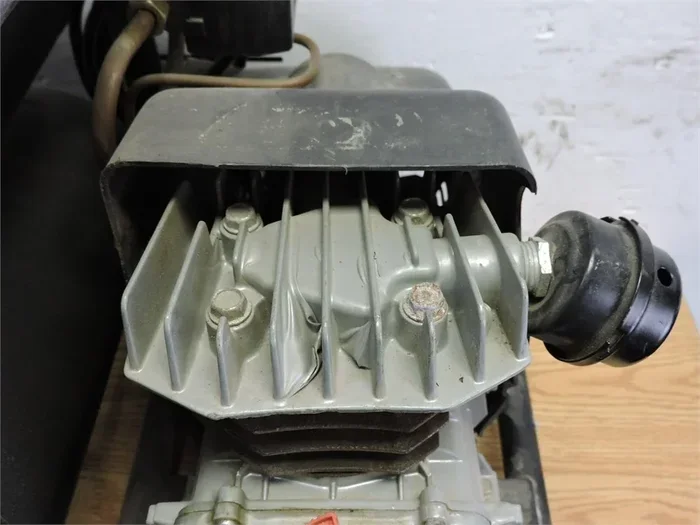
Air Compressor Oil Tips To Keep Your Machine Running Smooth
Air compressor oil keeps your machine running smooth by reducing friction, cooling internal parts, and preventing wear. Using the right compressor lubricant and changing it on schedule can extend your equipment lifespan significantly. This guide covers everything you need to know about choosing, using, and maintaining your air compressor oil for peak performance.
Every air compressor needs oil to work properly. Think of it like the blood flowing through your machine’s veins. Without the right compressor lubricant, metal parts grind against each other, heat builds up fast, and your equipment starts to break down.
Whether you run a small shop or a large industrial facility, understanding air compressor oil is essential. The right lubricant reduces friction, cools internal components, and keeps your compressed air system running at full capacity. In this guide, we will walk you through everything you need to know about selecting, using, and maintaining your oil for the best results.
You do not need to be a mechanic to get this right. With a few simple steps and a little knowledge, you can keep your machine running smooth for years. Let us dive into the details of air compressor oil and how it affects your equipment’s performance.
Key Takeaways
- Use the right oil: Synthetic and mineral-based compressor lubricants each have unique benefits depending on your machine type.
- Change oil regularly: Sticking to your oil change interval prevents buildup and keeps the compressor pump running efficiently.
- Watch for warning signs: Dark color, burnt smell, or increased noise signal it is time for an oil change.
- Temperature matters: High operating temperatures break down oil faster, so monitor thermal stability closely.
- Oil-free compressors exist: They need no lubricant but have limitations in heavy-duty applications.
- Maintenance saves money: Proper lubrication reduces air compressor repair costs and boosts equipment longevity.
📑 Table of Contents
Why Air Compressor Oil Matters
Oil plays a huge role in how well your compressor operates. It is not just a lubricant. It also cools, seals, and protects internal parts from damage. When your machine runs, the compressor pump creates intense pressure and heat. Without proper lubrication, metal surfaces would wear down quickly, leading to costly repairs or even total failure.
Here is why air compressor oil is so important:
- Reduces friction: Moving parts inside the compressor pump rub together constantly. Oil creates a thin film between them, reducing wear and tear.
- Cools the system: Compressors generate a lot of heat during operation. The lubricant absorbs excess thermal energy and carries it away from critical components.
- Seals gaps: Oil helps maintain a proper seal between the piston and cylinder walls. This ensures maximum compression and efficient operation.
- Prevents corrosion: Good compressor lubricant contains additives that protect metal surfaces from rust and oxidation.
- Reduces noise: Properly lubricated machines run quieter. If your compressor is making loud knocking or grinding sounds, low or degraded oil could be the cause.
Skipping oil changes or using the wrong type can seriously damage your equipment. Over time, oil breaks down and loses its ability to protect. Contaminants like moisture and dust mix with the lubricant, turning it into a gritty substance that accelerates wear. This is why understanding your compressed air system and its lubrication needs is so important.
The Science Behind Compressor Lubrication
When you pull the trigger on an air tool, the compressor draws in ambient air and compresses it. This process raises the temperature significantly. In a rotary screw compressor, for example, temperatures can reach 200 degrees Fahrenheit or more. The lubricant absorbs this heat and transfers it to the oil cooler or oil separator.
Good air compressor oil maintains its viscosity across a wide temperature range. Viscosity refers to how thick or thin the oil is. If oil becomes too thin under heat, it fails to protect metal surfaces. If it becomes too thick in cold conditions, it cannot flow properly. This is why oil viscosity is one of the most important factors when choosing a lubricant.
Types of Air Compressor Oil
Not all compressor oils are the same. Different machines require different formulations. Understanding the main types helps you make the best choice for your equipment and workload.
Synthetic Compressor Oil
Synthetic air compressor oil is engineered in a lab for superior performance. It offers excellent thermal stability, meaning it resists breaking down at high temperatures. Synthetic lubricants also have a longer oil change interval compared to conventional options.
Many professionals prefer synthetic compressor lubricant for these reasons:
- Better protection in extreme temperatures
- Longer service life, typically 4,000 to 8,000 hours
- Reduced carbon buildup in the compressor pump
- Improved oil separation in the air-oil mixture
- Lower operating costs over time
Synthetic oils work well in both rotary screw and piston compressor designs. They are also a popular choice for applications that demand consistent performance, such as automotive shops and manufacturing plants.
Mineral-Based Compressor Oil
Mineral-based air compressor oil is derived from crude oil and refined for industrial use. It is more affordable than synthetic options and works well for lighter-duty applications. Many home workshops and small garages use mineral compressor lubricant without any issues.
However, mineral oil has some limitations:
- Shorter oil change intervals, usually around 1,000 to 2,000 hours
- Less resistant to high temperatures
- More prone to oxidation and sludge formation
- May break down faster in demanding applications
If you run a light-use compressor occasionally, mineral oil can be a cost-effective choice. But for heavy or continuous use, synthetic lubricant is the better investment for long-term equipment longevity.
Oil-Free Compressor Options
Some compressors are designed to run without any oil at all. These oil-free compressors come pre-lubricated with special coatings or materials that eliminate the need for a separate lubricant.
Oil-free models are great for certain applications:
- Small workshops where clean air is important
- Paint spray booths where oil contamination ruins finishes
- Medical or dental facilities that require pure compressed air
- Home users who want low maintenance
The tradeoff is that oil-free compressors generally have a shorter lifespan. Without oil to cool and protect the compressor pump, internal parts wear out faster. They also cannot handle the same heavy-duty workloads as oil-lubricated machines.
How to Choose the Right Oil for Your Compressor
Selecting the right air compressor oil depends on several factors. The wrong choice can reduce efficiency, increase wear, and void your warranty. Here is how to make the right call.
Check Your Owner’s Manual
Your compressor’s owner manual is the best starting point. It specifies the recommended oil type, viscosity grade, and oil change interval. Always follow the manufacturer’s guidelines first. Deviating from their recommendations can lead to premature wear or equipment failure.
Look for these details in the manual:
- Recommended oil viscosity (such as ISO 46 or ISO 68)
- Whether synthetic or mineral oil is preferred
- Specific brand requirements or certifications
- Oil capacity for the system
Match the Oil to Your Compressor Type
Different compressor types have different lubrication needs. A rotary screw compressor requires a specialized rotary screw oil designed for continuous operation. Piston compressors, on the other hand, may use a more standard mineral or synthetic lubricant.
Here is a quick comparison:
- Rotary screw compressors: Use synthetic rotary screw oil with high thermal stability and excellent oxidation resistance.
- Piston compressors: Mineral or synthetic oil with good anti-wear properties works well for intermittent use.
- Reciprocating compressors: Require oils with strong film strength to handle the high-pressure cycling.
- Centrifugal compressors: Use specialized synthetic oils designed for high-speed, continuous operation.
Consider Your Operating Environment
Your working environment plays a big role in oil performance. If you operate in a hot climate, synthetic air compressor oil with high thermal stability is essential. In cold environments, you want an oil that flows easily at low temperatures without thickening up.
Also consider the air quality in your workspace. If dust or debris is present, your oil will contaminate faster. In these conditions, you may need to change your oil more frequently and use a high-quality oil separator to remove contaminants effectively.
Look for Quality Certifications
Not all compressor oils are created equal. Look for products that meet industry standards and certifications. ISO certifications, DIN ratings, and manufacturer approvals all signal a quality product. Using certified compressor lubricant ensures your machine receives the protection it deserves.
When and How to Change Your Compressor Oil
Changing your oil on schedule is one of the simplest ways to extend your compressor’s lifespan. But knowing when and how to do it makes all the difference.
How Often Should You Change the Oil?
The frequency depends on your compressor type and usage. Here are general guidelines:
- Synthetic oil: Change every 4,000 to 8,000 operating hours or once per year.
- Mineral oil: Change every 1,000 to 2,000 operating hours or every 3 to 6 months.
- Heavy-use environments: Shorten the interval by 25 to 50 percent for dusty or high-temperature settings.
- Light-use environments: You may stretch the interval slightly, but never skip scheduled changes entirely.
Always refer to your owner manual for the specific oil change interval recommended by the manufacturer. Keeping a log of your oil changes helps you stay on track and prevents costly mistakes.
Step-by-Step Oil Change Process
Changing your compressor oil is straightforward. Follow these steps for a safe and effective oil change:
- Run the compressor for 5 to 10 minutes. This warms up the oil and helps it flow more easily.
- Turn off the machine and unplug it. Safety always comes first. Wait for the pressure to release completely.
- Locate the drain valve. Place a catch pan underneath. Open the valve and let the old oil drain completely.
- Check the oil filter. If it looks dirty or clogged, replace it during the oil change. A clean filter keeps contaminants out of the new air compressor oil.
- Close the drain valve tightly. Make sure it is secure to prevent leaks.
- Add the new oil. Use the type and amount specified in your owner manual. Check the level with the dipstick or sight glass.
- Run the machine for a few minutes. Then check for leaks and verify the oil level is correct.
Signs It Is Time for an Oil Change
Even if you follow a schedule, watch for these warning signs that indicate your lubricant needs replacing:
- Dark or black oil: Fresh oil is golden or amber. Dark color signals contamination and oxidation.
- Burnt smell: A sharp, acrid odor means the oil has broken down from excessive heat.
- Increased noise: If your compressor sounds louder than usual, degraded oil may not be lubricating properly.
- Reduced performance: Less pressure or slower operation can result from poor lubrication.
- Visible particles: If you see grit or metal flakes in the oil, your compressor pump may already be suffering damage.
Common Air Compressor Oil Problems
Even with proper maintenance, issues can arise. Knowing what to look for helps you catch problems early before they turn into expensive air compressor repair bills.
Oil Contamination
Contamination is one of the biggest enemies of air compressor oil and your compressed air system. Dust, moisture, and debris can enter the system and mix with the lubricant. Over time, this turns the oil into a gritty sludge that clogs passages and accelerates wear.
To prevent contamination:
- Keep the compressor in a clean, dry area
- Check air intake filters regularly
- Use a quality moisture separator
- Replace oil filters on schedule
Oil Carryover
Oil carryover happens when lubricant escapes into the compressed air stream. You may notice oil mist coming from your air tools or regulator. This can ruin your paint jobs, contaminate pneumatic equipment, and create a mess in your workspace.
Common causes of oil carryover include:
- Clogged or worn oil separator
- Overfilled oil reservoir
- Damaged piston rings or seals
- Excessive pressure buildup
If you notice oil in your output, check the oil separator first. A failing separator is often the culprit behind oil contamination in your compressed air lines.
Overheating and Oil Breakdown
Compressors that run too hot break down their lubricant faster. When oil overheats, it loses viscosity and its ability to protect metal surfaces. This creates a vicious cycle: less lubrication leads to more friction, which generates more heat.
To prevent overheating:
- Ensure proper ventilation around the compressor
- Clean the oil cooler and heat exchanger regularly
- Check for blocked air intake filters
- Monitor your operating temperature gauge
- Never exceed the recommended duty cycle
Tips for Extending the Life of Your Compressor Oil
You can take several steps to get the most out of every oil change. These simple habits save money and keep your equipment running smooth.
Keep the Machine Clean
Dust and debris around the compressor can find their way into the oil system. Wipe down the exterior regularly and keep the area around the intake vent clear. A clean machine runs cooler and stays in better shape.
Monitor Oil Levels Daily
Make it a habit to check your oil level before each use. Low oil means the compressor pump is running dry, which causes rapid wear. Keep spare oil on hand so you can top off immediately if needed.
Use the Right Oil Filter
A quality oil filter removes contaminants before they can damage the compressor pump. Replace the filter every time you change the oil, or more often if you operate in a dusty environment. Cheap filters may save a few dollars but can cost you thousands in repairs down the road.
Let the Machine Warm Up
Give your compressor a few minutes to warm up before putting it under full load. This allows the air compressor oil to circulate properly and reach all moving parts. Cold oil is thicker and does not flow as effectively, which means less protection during startup.
Store Oil Properly
How you store your compressor oil matters. Keep containers sealed and stored in a cool, dry place. Exposure to heat, moisture, and air degrades the lubricant even before it enters your machine. Always use clean funnels and containers when transferring oil to avoid introducing contaminants.
Schedule Regular Professional Maintenance
Even if you handle basic maintenance yourself, schedule professional inspections at least once a year. A trained technician can spot early signs of wear, check the oil separation system, and ensure your entire compressed air system is operating at peak efficiency. Professional maintenance catches problems that are easy to miss during routine checks.
Quick Tips for Better Oil Performance
Here are some quick, actionable tips you can start using today:
- Always use the oil type recommended by the manufacturer
- Never mix different oil brands or types
- Keep a maintenance log with dates and oil amounts
- Check for leaks around the drain valve and oil fill cap
- Replace worn seals and gaskets promptly to prevent oil loss
- Use synthetic oil for high-temperature or continuous-duty applications
- Recycle used oil properly at a certified collection center
These small habits add up over time. They protect your investment and keep your compressor running at its best for years to come.
Conclusion
Taking care of your air compressor oil is one of the simplest and most effective ways to protect your equipment. The right lubricant, changed on schedule, keeps friction low, temperatures stable, and your compressor pump running smoothly. Whether you choose synthetic or mineral-based compressor lubricant, the key is consistency.
Remember that air compressor oil does more than just lubricate. It cools, seals, and protects your entire compressed air system. Neglecting it leads to higher repair costs, reduced efficiency, and shorter equipment lifespan. On the other hand, a solid maintenance routine pays for itself many times over.
Start by checking your owner manual, choosing the right oil type, and sticking to a regular oil change schedule. Your compressor will thank you with years of reliable, efficient performance. Keep these air compressor oil tips in mind, and your machine will keep running smooth long into the future.
Frequently Asked Questions
Can I use regular motor oil in my air compressor?
It is not recommended. Regular motor oil lacks the specific additives and thermal stability that compressor lubricant needs. Using the wrong oil can lead to increased wear, carbon buildup, and voided warranties. Always use oil specifically formulated for air compressors.
How do I know if my compressor oil needs changing?
Look for dark color, a burnt smell, increased noise, or reduced performance. These are clear signs that your air compressor oil has broken down and needs replacement. Checking the oil level and condition regularly helps you catch these signs early.
Can I mix synthetic and mineral compressor oils?
It is best to avoid mixing different oil types. Combining synthetic and mineral-based compressor lubricant can reduce the effectiveness of both. If you need to switch oil types, flush the system thoroughly and refill with the new oil for best results.
What happens if I run my compressor with low oil?
Running low on oil causes metal parts to grind against each other without protection. This leads to rapid wear, overheating, and potentially catastrophic compressor pump failure. Always check your oil level before operating the machine.
Does oil-free compressor mean zero maintenance?
Not exactly. Oil-free compressors still require maintenance, such as checking belts, filters, and cooling systems. They simply do not need oil changes. However, they typically have a shorter lifespan and limited capacity compared to oil-lubricated models.
How long does compressor oil last before it goes bad?
Synthetic air compressor oil can last 4,000 to 8,000 operating hours, while mineral oil lasts around 1,000 to 2,000 hours. Environmental factors like heat, dust, and humidity can shorten these intervals. Always check your oil condition regularly and change it when needed.