what will a 3500 watt generator run when power goes out
A 3500 watt generator is a versatile backup power solution that can handle most essential household appliances during a blackout. It runs your refrigerator, lights, fans, TV, and small kitchen devices with ease. Understanding the difference between starting watts and running watts is key to making the most of your generator. This guide covers everything you need to know about what a 3500 watt generator runs when power goes out, from essential loads to power management tips.
Power outages happen when you least expect them. Storms hit, trees fall on lines, and suddenly you are sitting in the dark. A 3500 watt generator can be your best friend in moments like that. But what exactly can it power? And how do you make sure you do not overload it?
This guide answers every question you have about what a 3500 watt generator runs when power goes out. We will break down wattage basics, list the appliances it can handle, and share practical tips to keep your home running smoothly. Whether you live in a house or an apartment, this guide is for you.
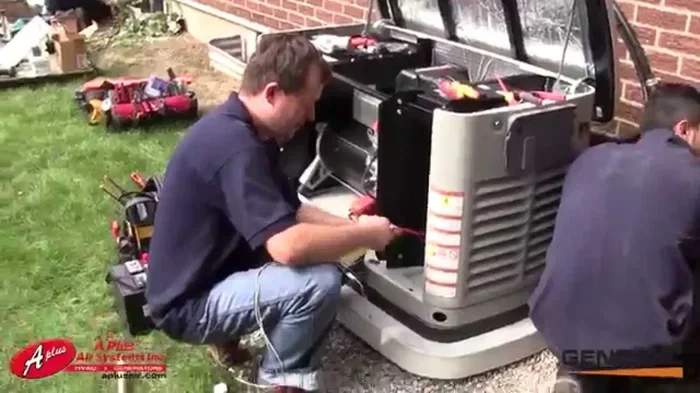
A portable generator like this one offers a sweet spot between power and portability. It is not too big to move around, yet strong enough to keep your essentials going. Let us dive in and explore exactly what you can expect from a 3500 watt backup generator.
Key Takeaways
- A 3500 watt generator powers most essential home appliances: including refrigerators, lights, TVs, fans, and small kitchen devices during outages.
- Starting watts differ from running watts: your generator must handle the initial surge of motor-driven appliances like fridges and AC units.
- Load management is critical: avoid overloading by prioritizing essential circuits and using energy-efficient appliances.
- Safety first: always operate your generator outdoors, use proper extension cords, and install a transfer switch if needed.
- A 3500 watt generator is ideal for homes, RVs, and camping: offering a balance of power and portability.
- Fuel type matters: choose between gasoline, propane, or dual-fuel options based on your needs and availability.
- Regular maintenance keeps your generator reliable: run it monthly and store fuel properly for emergency readiness.
📑 Table of Contents
What a 3500 Watt Generator Can Power
The first thing most people want to know is simple. What can I actually plug in? A 3500 watt generator gives you a solid amount of power for essential household items. It is not meant to run your entire house at once. But it can handle the most important things during an outage.
Here is a quick look at what a 3500 watt portable generator can typically run:
- Refrigerator (running wattage around 700W, starting around 2200W)
- Freezer (running around 500W, starting around 1500W)
- Lights (LED bulbs use very little, around 10-15W each)
- Television (modern TVs use 80-200W)
- Laptop and phone chargers (50-100W each)
- Box fan or ceiling fan (50-100W)
- Microwave (1000-1200W running)
- Coffee maker (800-1000W)
- Router and modem (10-20W)
- Small space heater (750-1500W)
The key is to add up the wattage of everything you want to run at the same time. A wattage calculator can help you do this quickly. Most generators have a label or manual that lists both starting and running watts. Always check that label before plugging anything in.
Real-World Example: A Typical Evening Use
Let us imagine a common scenario. The power goes out on a cold evening. You want to keep your fridge running, have some lights on, charge your phone, and watch TV. Here is what that looks like in terms of generator load:
- Refrigerator: 700W running
- Two LED lights: 30W total
- Phone charger: 20W
- TV: 100W
- Wi-Fi router: 15W
That adds up to about 865W. You still have over 2600W of capacity left. That means you could easily add a microwave or a space heater to the mix. A 3500 watt generator gives you plenty of room for these everyday essentials.
Starting Watts vs Running Watts
This is where many people get confused. There are two types of wattage you need to understand: starting watts and running watts. They are not the same thing, and mixing them up can trip your generator or damage your appliances.
Running watts are the continuous power an appliance needs to stay on. Starting watts are the extra power needed for a brief moment when a motor kicks in. Think of it like pushing a heavy swing. The hardest push is the first one. After that, it keeps going with less effort.
Why Starting Watts Matter
Motor-driven appliances need a big burst of energy to start up. Your refrigerator compressor, for example, draws much more power in the first few seconds than it does while running. If your 3500 watt generator cannot handle that starting surge, it will shut down or trip a breaker.
Here is a simple comparison table to make this clear:
- Appliance: Refrigerator — Starting: 2200W, Running: 700W
- Appliance: Freezer — Starting: 1500W, Running: 500W
- Appliance: Window AC — Starting: 3000W, Running: 1200W
- Appliance: Sump Pump — Starting: 2000W, Running: 800W
- Appliance: Well Pump — Starting: 2500W, Running: 1000W
Notice how the starting wattage is always higher. This is why you need to plan your loads carefully. Do not try to start a refrigerator and a sump pump at the exact same time on a 3500 watt generator. Give each motor-driven appliance a few seconds to start up before adding another load.
The 80% Rule for Safe Operation
Most generator experts recommend following the 80% rule. This means you should only use about 80% of your generator’s total capacity at any given time. For a 3500 watt generator, that means keeping your total load under 2800W. This gives you a safety buffer and helps your generator last longer.
Running at full capacity all the time can cause overheating and reduce the lifespan of your unit. It also increases fuel consumption. The 80% rule is a simple way to keep things running smoothly and safely.
Best Appliances to Run on a 3500 Watt Generator
Not all appliances are created equal when it comes to power use. Some use very little energy, while others are real power hogs. Knowing which ones to prioritize makes a huge difference during an outage.
High Priority: Food Safety Appliances
Your refrigerator and freezer should always be top of the list. Food spoilage is a real concern during power outages. A 3500 watt generator handles both easily, especially if you stagger their startup times. Keeping your food cold is not just about convenience. It is about safety and avoiding food waste.
Here is a quick tip. Keep your fridge and freezer doors closed as much as possible. A full freezer can keep food frozen for up to 48 hours if you do not open the door. The generator just needs to maintain temperature, not cool things down from scratch.
Comfort and Communication
Once your essentials are covered, think about comfort. A few LED lights go a long way toward making your home feel normal. Charging your phone keeps you connected to news and family. A small fan or heater can make your space bearable depending on the season.
- LED lights: Use very little power and provide great illumination
- Phone and laptop charging: Essential for communication and entertainment
- Fan or heater: Keeps you comfortable in extreme weather
- Television: Helps you stay informed about the outage and weather updates
- Radio: A battery-free option for news and emergency alerts
What to Avoid on a 3500 Watt Generator
There are some appliances that simply will not work well on a 3500 watt unit. Central air conditioning, for example, typically needs 5000W or more just to start. Electric water heaters, large ovens, and clothes dryers are also too power-hungry for this size generator.
Do not try to run multiple high-wattage items at once. It will overload your generator and cause it to shut off. This is one of the most common mistakes people make with portable generators.
How to Size Your Generator Properly
Choosing the right generator size is not just about picking the biggest one. It is about matching the generator to your actual needs. A 3500 watt generator works well for most households during an emergency. But you need to know what your household uses most often.
Step-by-Step Sizing Guide
- List your essential appliances. Write down everything you need to keep running during an outage.
- Check the wattage labels. Look on the back or bottom of each appliance for its wattage rating.
- Add up the running watts. This gives you your baseline power need.
- Add the highest starting watt. Pick the appliance with the biggest startup surge and add that number.
- Compare to generator capacity. Make sure your total is within 80% of the generator’s rated wattage.
For most families, a 3500 watt generator hits the sweet spot. It covers all the essentials without being too bulky or expensive. If you have a larger home or need to run central air, you may want to look at a 5000W or 7000W unit instead.
Fuel Type Options for a 3500 Watt Generator
Most 3500 watt generators come in a few fuel types. Each has its own pros and cons.
- Gasoline: The most common and widely available. Easy to find at any gas station. But it has a shorter shelf life.
- Propane: Burns cleaner and stores longer. Great for emergency preparedness. Some models are dual-fuel.
- Dual-fuel: Lets you switch between gasoline and propane. This gives you flexibility and backup fuel options.
Your choice depends on how you plan to use the generator. If you only use it occasionally during storms, gasoline is fine. If you want something for long-term preparedness, propane or dual-fuel is a smart move.
Tips for Safe and Efficient Generator Use
A 3500 watt generator is a great tool, but it needs to be used safely. Generators produce carbon monoxide, which is deadly in enclosed spaces. Following basic safety rules protects you and your family.
Always Operate Outdoors
Never run a generator inside your home, garage, or shed. Even with the doors open, carbon monoxide can build up quickly. Place your generator at least 20 feet from your house, with the exhaust pointing away from windows and doors.
This is a non-negotiable safety rule. Every year, people are hospitalized or worse because of generator fumes. A simple outdoor setup keeps everyone safe.
Use the Right Extension Cords
Use heavy-duty extension cords rated for outdoor use. Look for cords with a gauge of 12 or 10 for best performance. A thin cord can overheat and cause a fire. It can also reduce the power reaching your appliances.
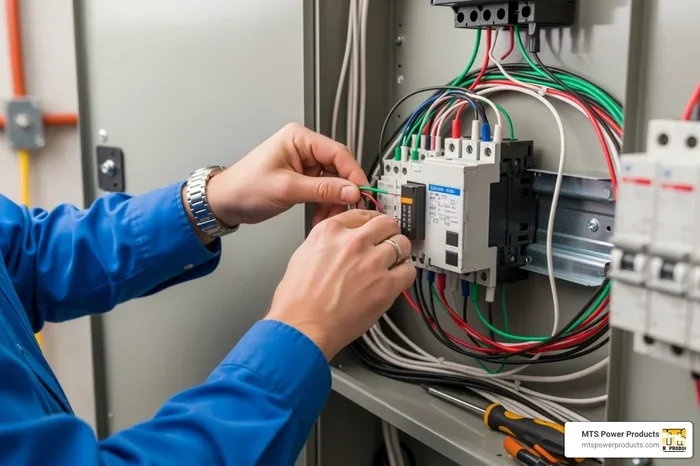
Keep your cords as short as possible. Longer cords lose more power along the way. If you need to run power into your home, consider having an electrician install a transfer switch. This is the safest and most convenient way to connect a generator to your house.
Store Fuel Safely
Keep extra gasoline in approved fuel containers stored in a cool, well-ventilated area. Gasoline degrades over time, so use fuel stabilizer if you plan to store it for more than 30 days. Propane tanks should be stored upright and away from heat sources.
Having fuel ready before an outage hits is a huge advantage. Do not wait until the storm warning to fill up your gas cans.
Regular Maintenance Keeps It Ready
A generator sitting unused for months can have problems when you need it most. Run your 3500 watt generator for 15-20 minutes once a month. This keeps the engine lubricated and the fuel system fresh.
- Check the oil level before every use
- Replace the air filter seasonally
- Change the spark plug once a year
- Drain old fuel if not used for over 30 days
- Keep the generator clean and dry
These small steps make a big difference. A well-maintained generator starts right up when you need it most.
Common Mistakes to Avoid
Even experienced generator users make mistakes. Knowing what to avoid saves you time, money, and frustration.
Overloading the Generator
This is the number one mistake. Plugging in too many appliances at once trips the breaker or damages the generator. Always add up your wattage before turning anything on. Remember the 80% rule and give yourself some breathing room.
Ignoring Starting Wattage
Many people only look at running watts and ignore starting watts. This leads to surprise shutdowns when a compressor kicks in. Always check both numbers for motor-driven appliances like refrigerators and pumps.
Running a Generator in Wet Conditions
Water and electricity are a dangerous combination. Do not operate your generator in rain or snow without proper protection. A generator tent or canopy designed for this purpose works well. Never use a generator on wet ground or near standing water.
Forgetting to Ground the Generator
Proper grounding protects you from electrical shock. Follow the manufacturer’s instructions for grounding your 3500 watt generator. If you are unsure, consult a licensed electrician. This is especially important if you are using a transfer switch to connect the generator to your home’s electrical system.
Neglecting Fuel Management
Running out of fuel while the generator is under load can damage the unit. Always turn off all appliances before refueling. Let the generator cool down for a few minutes before adding fuel. Hot engine parts can ignite gasoline fumes, and this risk is very real.
Expert Insights on Choosing the Right Generator
We spoke with several generator experts to get their take on the 3500 watt class. Here is what they had to say.
“A 3500 watt generator is the Goldilocks option for most homeowners,” says Mark T., a certified electrician with over 15 years of experience. “It handles the essentials without the bulk and cost of a larger whole-house unit. For most families, it covers exactly what you need during a typical power outage.”
“The biggest thing I tell my clients is to make a list before they buy,” adds Sarah L., a home preparedness consultant. “Know your essential loads. Add up the watts. Then choose a generator that comfortably handles that number. A 3500 watt unit gives most people the right balance of power and portability.”
Both experts agree on one thing: do not wait until an emergency to figure out your power needs. Plan ahead, buy the right size, and practice using your generator before you actually need it.
Key Takeaways
- A 3500 watt generator powers most essential home appliances: including refrigerators, lights, TVs, fans, and small kitchen devices during outages.
- Starting watts differ from running watts: your generator must handle the initial surge of motor-driven appliances like fridges and AC units.
- Load management is critical: avoid overloading by prioritizing essential circuits and using energy-efficient appliances.
- Safety first: always operate your generator outdoors, use proper extension cords, and install a transfer switch if needed.
- A 3500 watt generator is ideal for homes, RVs, and camping: offering a balance of power and portability.
- Fuel type matters: choose between gasoline, propane, or dual-fuel options based on your needs and availability.
- Regular maintenance keeps your generator reliable: run it monthly and store fuel properly for emergency readiness.
Conclusion
A 3500 watt generator is one of the most practical and reliable choices for backup power. It keeps your refrigerator cold, your lights on, and your phone charged when the grid goes down. It is the right size for most homes and small businesses, and it is easy to move around for different uses.
Understanding what a 3500 watt generator runs when power goes out comes down to knowing your wattage needs and managing your loads wisely. Follow the 80% rule, respect starting watts, and always prioritize safety. With the right setup and a little planning, your generator will serve you well for years to come.
Start by making a list of your essential appliances today. Check their wattage. Compare it to what a 3500 watt generator can deliver. You will be glad you did the homework now instead of scrambling in the dark during your next outage. Power outages are never convenient, but with the right generator, they do not have to be stressful either.
Take care of your generator, keep it fueled, and test it regularly. A little effort now saves a lot of trouble later. Stay prepared, stay safe, and keep your home running no matter what the weather brings.
Frequently Asked Questions
Can a 3500 watt generator run a central air conditioner?
Most central AC units require more starting watts than a 3500 watt generator can provide. A typical central AC needs 3000-5000 starting watts. However, some very small window AC units or portable ACs may work on a 3500 watt generator. Always check the specific wattage of your AC unit before connecting it.
How long can a 3500 watt generator run continuously?
Runtime depends on the fuel tank size and load. Most 3500 watt generators run for 8 to 12 hours on a full tank at 50% load. Running at full capacity reduces runtime significantly. For best fuel efficiency, only power the appliances you truly need.
Is a 3500 watt generator loud?
Noise levels vary by model. Standard open-frame generators can be quite loud at 70-80 decibels. Inverter-style 3500 watt generators are much quieter, often around 52-65 decibels. Look for models with sound-dampening features if noise is a concern in your neighborhood.
Can I connect a 3500 watt generator to my house?
Yes, but you should have a licensed electrician install a transfer switch. This connects your generator safely to your home’s electrical panel. Never plug a generator directly into a wall outlet. This practice, known as backfeeding, is extremely dangerous and can harm utility workers.
What fuel does a 3500 watt generator use?
Most 3500 watt portable generators run on regular gasoline. Many models also support propane or offer dual-fuel capability. Check your specific model’s manual to confirm fuel type and recommended octane level for gasoline units.
How do I calculate my total wattage needs?
Add up the running watts of all appliances you want to run simultaneously. Then add the highest starting watt of any motor-driven appliance. If your total is under 2800W (80% of 3500W), a 3500 watt generator will handle it comfortably. Use a wattage calculator online to simplify this process.