Enterprise Service Management Tools That Drive Real Results
Enterprise service management tools help businesses streamline operations, improve customer experiences, and boost team productivity. These platforms automate workflows, manage incidents, and track service levels across entire organizations. In this guide, we break down the top tools, key features, and practical tips to help you choose the right solution for your needs.
Enterprise service management tools have become essential for modern businesses that want to stay competitive. These platforms bring together service management software, help desk software, and workflow automation into one powerful system. Whether you run a small team or a large enterprise, the right ESM tool can transform how you deliver services and support to your customers.
In this guide, we will walk you through everything you need to know about enterprise service management tools. We will cover the top platforms, must-have features, pricing considerations, and how to choose the best fit for your organization. By the end, you will have a clear roadmap for picking a service desk platform that drives real, measurable results.
## What Are Enterprise Service Management Tools?
Enterprise service management tools are software platforms designed to help organizations manage and deliver services efficiently. These platforms cover everything from IT service management to customer service tools and internal operations. They act as a central hub where teams can track requests, resolve issues, and measure performance.
At their core, ESM tools follow established frameworks like the ITIL framework. This framework provides best practices for managing service operations across an entire business. Think of ESM tools as the command center for all your service-related activities.
### Why ESM Tools Matter for Modern Businesses
Businesses today face growing demands for fast, high-quality service. Customers expect quick responses. Employees need easy access to support. And managers need clear visibility into every service interaction. Enterprise service management tools address all of these needs in one place.
Without these tools, teams rely on scattered spreadsheets, email chains, and manual processes. This leads to delays, errors, and frustrated users. ESM tools replace that chaos with structured, automated workflows that keep everything running smoothly.
## Key Features to Look For in ESM Tools
Not all service management software is created equal. When evaluating options, focus on the features that will have the biggest impact on your operations. Here are the most important capabilities to consider.
### Ticketing and Incident Management
A strong ticketing system is the foundation of any ESM platform. It lets users submit requests and tracks every issue from start to finish. Incident management features ensure that critical problems get prioritized and resolved quickly.
Look for tools that offer automated ticket routing. This means the right team gets the right request without manual intervention. Some platforms also use AI to suggest solutions based on past tickets.
### Workflow Automation
Workflow automation saves your team countless hours of repetitive work. Instead of manually assigning tasks or sending follow-up emails, the system handles it all. You can set up rules that trigger actions based on specific conditions.
For example, if a ticket stays unresolved for more than two hours, the system can automatically escalate it to a senior agent. This keeps things moving and reduces the risk of dropped requests.
### Knowledge Management
A knowledge management system built into your ESM tool is incredibly valuable. It stores articles, FAQs, and troubleshooting guides that agents and users can access anytime. This reduces the number of repeated questions and speeds up resolution times.
The best platforms allow teams to collaboratively build and update knowledge articles. This ensures the information stays current and accurate.
### Self-Service Portal
A self-service portal gives users the power to find answers and submit requests on their own. They can browse the knowledge base, check ticket status, and access common solutions without contacting a support agent.
This not only reduces the workload on your team but also improves user satisfaction. People love getting answers instantly, without waiting in a queue.
### Reporting and Analytics
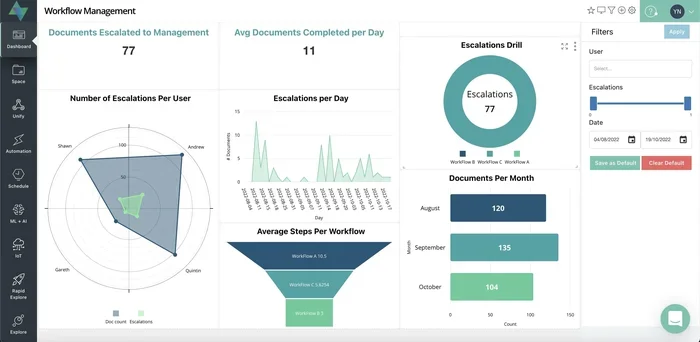
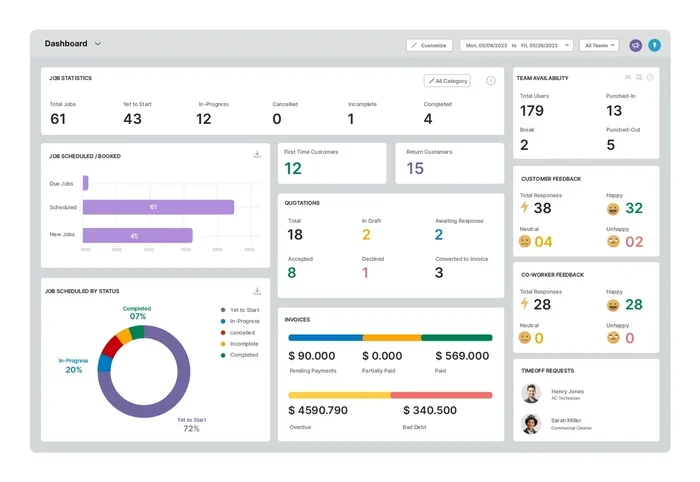
Reporting and analytics give leaders the insights they need to improve service delivery. You can track metrics like average resolution time, ticket volume, and customer satisfaction scores. These dashboards make it easy to spot trends and identify areas for improvement.
Some advanced platforms offer predictive analytics. These tools use historical data to forecast future demand and help you plan ahead.
## Top Enterprise Service Management Tools Compared
Choosing the right ESM tool can feel overwhelming with so many options available. Below is a comparison of some of the leading platforms in the market.
| Feature | Platform A | Platform B | Platform C |
|—|—|—|—|
| Ticketing System | Yes | Yes | Yes |
| Workflow Automation | Advanced | Basic | Advanced |
| Self-Service Portal | Yes | Yes | No |
| Knowledge Management | Built-in | Add-on | Built-in |
| Reporting & Analytics | Comprehensive | Standard | Comprehensive |
| Cloud-Based | Yes | Yes | Yes |
| Pricing | Mid-range | High | Low |
| Best For | Large Enterprises | Mid-Size Companies | Small Businesses |
Each platform has its strengths. Platform A is ideal for large organizations that need deep customization and advanced analytics. Platform B offers a polished user experience but comes at a higher price. Platform C is a budget-friendly option that still delivers solid core features.
### How to Choose the Right Tool for Your Business
Start by identifying your biggest pain points. Do you need better incident management? Are manual workflows slowing you down? Is your team struggling with knowledge sharing? Answering these questions will narrow your options.
Next, consider your budget and team size. Some tools charge per agent, while others offer flat-rate pricing. Make sure to factor in implementation costs and training time. A tool that is too complex for your team will go underused.
## Benefits of Using Enterprise Service Management Tools
The advantages of implementing a quality ESM platform go far beyond just organizing tickets. Here are the real benefits that drive measurable results.
### Improved Operational Efficiency
When you automate repetitive tasks and streamline workflows, your team accomplishes more in less time. Operational efficiency improves because agents spend less time on manual work and more time on actual problem-solving.
### Better Customer Experiences
Faster resolution times and self-service options lead to happier customers. When users can find answers quickly or get their issues resolved promptly, satisfaction goes up. This directly impacts retention and loyalty.
### Enhanced Team Collaboration
Enterprise service management tools bring teams together on a single platform. Everyone has visibility into open tickets, ongoing projects, and team workloads. This transparency reduces confusion and improves collaboration across departments.
### Data-Driven Decision Making
With robust reporting and analytics, leaders can make decisions based on real data instead of guesses. You can identify bottlenecks, measure team performance, and justify investments in new resources or technology.
### Scalability
As your business grows, your service needs grow too. Cloud-based service management platforms scale easily to accommodate more users, more tickets, and more complex workflows. You do not need to overhaul your system every time your team expands.
## Common Mistakes to Avoid When Choosing ESM Tools
Even with the best intentions, businesses often make avoidable mistakes when selecting service management software. Here are some pitfalls to watch out for.
### Ignoring User Adoption
The most powerful tool in the world is useless if nobody uses it. Choose a platform with an intuitive interface that your team will actually enjoy using. If the tool is too complicated, adoption will be low and your investment will be wasted.
### Overlooking Integration Needs
Your ESM tool should work well with other systems you already use. Check whether it integrates with your CRM, HR platform, or communication tools. Poor integration leads to data silos and extra manual work.
### Focusing Only on Price
The cheapest option is not always the best value. Consider total cost of ownership, including setup, training, and ongoing maintenance. Sometimes paying a bit more upfront saves you money and headaches in the long run.
### Skipping the Trial Period
Most reputable platforms offer free trials or demos. Take advantage of them. A trial lets you test the tool with your real team and real use cases before committing.
## Expert Insights on ESM Implementation
Implementing a new service desk platform is a significant project. Here are some expert tips to ensure a smooth rollout.
Start with a clear plan. Define your goals, set a timeline, and assign responsibilities. Involve stakeholders from every department that will use the tool. Their input will help you configure the platform to meet real needs.
Train your team thoroughly. Do not just hand over login credentials and expect everyone to figure it out. Offer hands-on training sessions, create user guides, and designate champions within each team who can help others get started.
Monitor progress after launch. Track key metrics during the first few months and gather feedback from users. Use this information to make adjustments and optimize your setup. Continuous improvement is the key to getting the most out of your enterprise service management tools.
## Final Thoughts
Enterprise service management tools are no longer a luxury, they are a necessity for businesses that want to deliver excellent service at scale. From workflow automation and ticketing systems to knowledge management and self-service portals, these platforms cover every aspect of modern service delivery.
The right tool can transform your operations, boost team morale, and delight your customers. Take the time to evaluate your options carefully, involve your team in the decision, and focus on long-term value over short-term savings. With the right ESM solution in place, you will be well on your way to driving real, lasting results.
Key Takeaways
- Enterprise service management tools centralize all service operations into one unified platform, reducing chaos and improving response times.
- Workflow automation and ticketing systems are the backbone of any effective ESM platform, saving teams hours of manual work.
- Choosing the right tool depends on your business size, budget, and specific needs like ITIL compliance or asset tracking.
- Integration capabilities matter because your ESM tool should work seamlessly with other business systems you already use.
- Reporting and analytics features give leaders the data they need to make smart, real-time decisions about service delivery.
- Self-service portals empower users to resolve common issues without waiting on support teams, improving satisfaction.
- Cloud-based solutions offer scalability and remote access, making them ideal for growing businesses.
Frequently Asked Questions
What are enterprise service management tools?
Enterprise service management tools are software platforms that help organizations manage and deliver services across their entire business. They include features like ticketing, workflow automation, knowledge management, and reporting. These tools centralize service operations and improve efficiency for teams of all sizes.
How do ESM tools differ from traditional help desk software?
Traditional help desk software focuses mainly on handling support tickets. ESM tools go much further by covering the full lifecycle of service delivery. They include incident management, change management, asset management, and analytics. Think of ESM as a more comprehensive version of help desk software.
What is the ITIL framework and why does it matter?
The ITIL framework is a set of best practices for managing IT services. It provides guidelines for delivering high-quality service consistently. Most modern enterprise service management tools are built around ITIL principles, which helps ensure your processes meet industry standards.
How much do ESM tools typically cost?
Pricing varies widely depending on the platform and your business size. Some tools charge per agent per month, while others use flat-rate pricing. Budget-friendly options exist for small businesses, while enterprise-grade platforms may require a larger investment. Always factor in implementation and training costs.
Can small businesses benefit from ESM tools?
Absolutely. While ESM tools are often associated with large enterprises, small businesses can benefit just as much. These platforms help small teams stay organized, automate repetitive tasks, and provide consistent service. The key is choosing a tool that fits your budget and scale.
How long does it take to implement an ESM tool?
Implementation time varies based on the complexity of the platform and the size of your organization. Simple setups can be ready in a few weeks, while larger deployments may take several months. The most important factor is proper planning and thorough training for your team.
=== CONCLUSION ===
Enterprise service management tools are powerful platforms that can transform how your organization delivers services. By centralizing operations, automating workflows, and providing valuable insights, these tools help teams work smarter and serve customers better. Whether you are a small business or a large enterprise, investing in the right ESM solution pays dividends in efficiency, satisfaction, and growth. Start evaluating your options today and take the first step toward better service delivery.