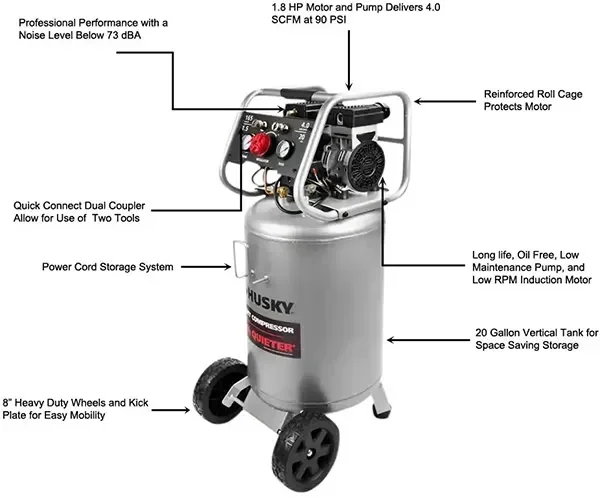
Understanding Compressor Pressure Ratio Made Simple
The compressor pressure ratio is the relationship between the discharge pressure and the suction pressure inside a compressor. Understanding this ratio helps you troubleshoot problems, improve efficiency, and extend the life of your equipment. In this guide, we break down everything you need to know in plain, simple language.
Have you ever wondered what makes your compressor pressure ratio so important? If you work with compressed air systems, this number affects everything from performance to energy bills. A compressor pressure ratio is simply the comparison between the pressure going into the machine and the pressure coming out. It sounds basic, but this one number holds the key to understanding how well your compressor works.
Many people overlook the pressure ratio until something goes wrong. Then they face high energy costs, poor tool performance, or even a complete system breakdown. This guide will walk you through the compressor pressure ratio step by step. You will learn what it means, how to calculate it, and what to do when the numbers are off. We keep everything simple and practical, so you can use what you learn right away.
Whether you are a DIY hobbyist or a shop owner, this article gives you the knowledge to get the most from your equipment. Let us dive in and make sense of compressor pressure ratios together.
Key Takeaways
- Pressure ratio defines performance: It tells you how much your compressor amplifies pressure from inlet to outlet.
- Higher ratio means more work: A higher compressor pressure ratio indicates the compressor is working harder to compress gas.
- Efficiency drops at extreme ratios: Too high or too low a ratio can waste energy and damage components.
- Multiple factors affect the ratio: Inlet conditions, stage design, and system demand all play a role.
- You can measure it easily: A simple pressure gauge on the suction and discharge sides gives you the ratio quickly.
- Maintenance matters: Regular checks on your air compressor oil level and filter changes help keep the ratio optimal.
- Safety is critical: Exceeding the rated pressure ratio can cause equipment failure or dangerous situations.
📑 Table of Contents
- What Is Compressor Pressure Ratio?
- How to Calculate Compressor Pressure Ratio
- Factors That Affect Compressor Pressure Ratio
- How to Adjust Your Compressor Pressure Ratio
- Common Problems with Compressor Pressure Ratio
- How to Maintain the Right Pressure Ratio
- Expert Insights on Compressor Pressure Ratio
- Conclusion
What Is Compressor Pressure Ratio?
The compressor pressure ratio is a simple calculation. You divide the discharge pressure by the suction pressure. That is it. But behind that simple math lies a lot of important information about how your system operates.
The Basic Formula
Here is the formula in its simplest form:
Pressure Ratio = Discharge Pressure ÷ Suction Pressure
For example, if your suction pressure is 14.7 psi and your discharge pressure is 147 psi, the ratio is 10:1. That means the compressor increases the pressure by a factor of 10. A compression ratio of 10:1 is common in many single-stage air compressors used in workshops and garages.
Understanding this compressor definition helps you see why the ratio matters. When the ratio is too high, the motor works overtime. When it is too low, your tools may not get enough power. Both situations cost you money and time.
Why the Ratio Matters
The pressure ratio directly affects compressor efficiency. Every compressor has a design range for its ratio. Staying within that range means the machine runs smoothly. Going outside that range causes problems.
Here are a few reasons the ratio is so important:
- Energy consumption: A higher-than-needed ratio wastes electricity.
- Tool performance: Tools need a certain pressure to work correctly.
- Equipment lifespan: Running at extreme ratios wears parts out faster.
- Safety: Excessive pressure can lead to leaks or ruptures.
Think of the ratio like the gears on a bicycle. If you shift into too high a gear, you strain the chain. Too low, and you spin your wheels. The right gear, like the right pressure ratio, makes everything run smoothly.
How to Calculate Compressor Pressure Ratio
Calculating the compressor pressure ratio is straightforward. You need two numbers: the suction pressure and the discharge pressure. Both are measured in the same units, usually psi or bar.
Step-by-Step Calculation
Follow these simple steps to find your ratio:
- Read the suction pressure from the inlet gauge. This is the pressure of the air entering the compressor.
- Read the discharge pressure from the outlet gauge. This is the pressure of the air leaving the compressor.
- Divide the discharge pressure by the suction pressure.
- Express the result as a ratio (X:1).
Let us look at a real-world example. Say your inlet gauge reads 15 psi and your outlet gauge reads 120 psi. You divide 120 by 15, which equals 8. Your pressure ratio is 8:1. That is a healthy ratio for many standard air compressors.
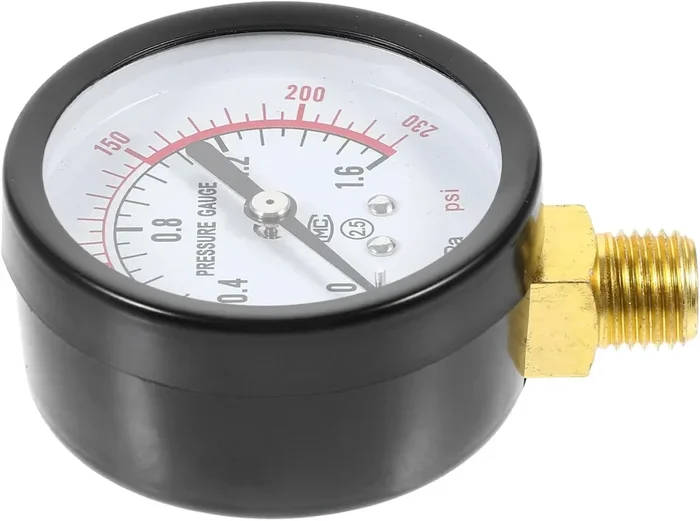
Always make sure your gauges are working correctly. A faulty pressure gauge can give you wrong readings and lead to bad decisions. If you are unsure, calibrate your gauges before taking measurements.
Absolute vs. Gauge Pressure
Here is an important detail many people miss. Pressure can be measured as gauge pressure or absolute pressure. Gauge pressure is what your typical dial shows. It measures pressure above atmospheric pressure.
Absolute pressure includes atmospheric pressure in the reading. For precise compressor pressure ratio calculations, you should use absolute pressure values. To convert gauge pressure to absolute pressure, add 14.7 psi (or 1 bar) to your gauge reading.
For most practical purposes in a shop or garage, using gauge pressure gives you a close enough answer. But if you are working on a large industrial system, always use absolute pressure for accuracy.
Factors That Affect Compressor Pressure Ratio
Many things can change your compressor pressure ratio. Knowing these factors helps you diagnose problems and keep your system running well.
Inlet Conditions
The air entering your compressor matters a lot. If the inlet air is hot, thin, or dirty, the ratio changes. Hot air is less dense, which means the compressor has to work harder to reach the same output pressure.
Here are common inlet issues:
- High ambient temperature: Reduces air density and affects compression.
- Clogged intake filters: Restrict airflow and raise suction pressure drop.
- High altitude: Lower atmospheric pressure changes the baseline suction pressure.
- Humidity: Moist air behaves differently than dry air during compression.
Keeping your intake area clean and cool helps maintain a stable compressor pressure ratio. Simple steps like cleaning the intake filter regularly go a long way.
Compressor Design and Stages
Not all compressors are built the same way. Single-stage compressors compress air in one pass. Two-stage compressors use two cylinders to achieve a higher final pressure.
In a single-stage machine, the pressure ratio per stage is limited. Most single-stage compressors work best with a ratio between 1:1 and 14:1. Beyond that, efficiency drops and heat builds up.
Two-stage compressors split the work between two cylinders. The first stage compresses the air partially, and the second stage finishes the job. This allows for a higher overall ratio while keeping each stage within its efficient range. If you are running a heavy-duty shop, a two-stage machine might be the better choice for maintaining a good compression ratio.
System Demand and Leakage
Your system’s air demand affects the pressure ratio too. If you have many tools running at once, the compressor works harder to maintain pressure. Leaks in the system also play a big role.
Even small leaks can cause the compressor to cycle more often, which changes the effective compressor pressure ratio over time. A leaky fitting, a cracked hose, or a bad seal on a tool can all waste compressed air and force the compressor to overwork.
Quick tip: Check your system for leaks regularly. A simple soapy water test on all fittings can reveal hidden leaks that are costing you money.
How to Adjust Your Compressor Pressure Ratio
Sometimes you need to change your compressor pressure ratio to match a different task or tool requirement. Adjusting the ratio involves changing either the suction or discharge side of the system.
Using the Pressure Switch
The pressure switch controls when the compressor turns on and off. It sets the cut-in pressure (when the compressor starts) and the cut-out pressure (when it stops). Adjusting these settings changes the system pressure and indirectly affects the ratio.
To adjust the pressure switch, follow these steps:
- Turn off the compressor and unplug it.
- Locate the pressure switch on the motor housing.
- Use a screwdriver to adjust the spring tension on the cut-in and cut-out screws.
- Turn the cut-out screw clockwise to increase the maximum pressure.
- Turn the cut-in screw clockwise to raise the minimum pressure.
- Plug the compressor back in and test the new settings.
Always stay within the manufacturer’s recommended pressure range. Going beyond the rated limits can damage the compressor motor and create safety hazards.
Changing Discharge Pressure
Another way to adjust the ratio is by changing the discharge pressure. You can do this with a pressure regulator on the output line. A regulator lets you set the exact pressure your tools need without changing the compressor’s internal settings.
This method is useful when you switch between different tools. A nail gun might need 120 psi, while a paint sprayer works best at 40 psi. Using a regulator, you can adjust the output without touching the compressor itself.
Common Problems with Compressor Pressure Ratio
When the compressor pressure ratio goes wrong, your system tells you. Here are the most common problems and what causes them.
Pressure Ratio Too High
A ratio that is too high means the compressor is squeezing air beyond its design limits. Signs of this problem include:
- The motor runs hot or trips the circuit breaker.
- Tools deliver too much pressure and damage workpieces.
- The compressor cycles off too quickly.
- Unusual noises come from the machine during operation.
If you notice these signs, check your pressure relief valve. This valve opens when pressure gets too high and protects the system. If the valve is stuck or failing, it needs immediate replacement.
Pressure Ratio Too Low
A low ratio means the compressor is not building enough pressure. Common causes include:
- Clogged intake filters restricting airflow.
- Worn piston rings or valve plates.
- Leaks in the system reducing effective output.
- A faulty pressure switch that cuts out too early.
When the ratio is too low, start by checking the intake filter and looking for leaks. If those are fine, the problem might be inside the compressor. Worn internal parts often cause a drop in the compression ratio and a loss of performance.
Fluctuating Pressure Ratio
If your pressure ratio keeps changing, the system is unstable. This usually points to a cycling problem. The compressor turns on and off too frequently, which wears out the motor and wastes energy.
Common causes of unstable pressure include:
- A pressure switch with a too-narrow band setting.
- Air leaks that cause rapid pressure drops.
- An undersized compressor for the demand of the tools.
- A clogged aftercooler or moisture buildup in the tank.
Fixing these issues brings the ratio back to a stable range and saves energy. If you are unsure what is causing the fluctuations, a visit to an air compressor repair shop can help identify hidden problems.
How to Maintain the Right Pressure Ratio
Keeping your compressor pressure ratio in the sweet spot is all about regular maintenance. A well-maintained compressor runs efficiently, lasts longer, and costs less to operate.
Routine Maintenance Checklist
Follow this simple checklist to keep your ratio stable:
- Check oil level regularly: Low oil causes friction and heat, which affects compression. Learn how to check your air compressor oil level at least once a week during heavy use.
- Clean or replace intake filters: Dirty filters restrict airflow and change the inlet conditions. Replace them every 3 to 6 months, or more often in dusty environments.
- Inspect for leaks: Check all hoses, fittings, and connections monthly. A small leak can silently ruin your efficiency.
- Test pressure gauges: Calibrate your gauges annually to ensure accurate readings.
- Drain the tank: Moisture buildup in the tank affects system pressure and can cause corrosion.
- Listen for unusual sounds: Strange noises often signal internal wear that changes the ratio.
Sticking to this routine takes only a few minutes each week. The payoff is a compressor that runs smoothly and a compressor pressure ratio that stays right where it should be.
When to Call a Professional
Some problems need expert help. If you have tried basic troubleshooting and the ratio is still off, it is time to call in a professional. Signs that you need expert help include:
- Continuous motor overheating despite normal maintenance.
- Significant drops in output pressure that do not respond to adjustments.
- Visible damage to internal components like valves or pistons.
- Frequent circuit breaker trips during operation.
A qualified technician can diagnose issues you cannot see and perform repairs that restore your compressor efficiency and safe operation.
Expert Insights on Compressor Pressure Ratio
Experienced technicians and engineers agree on a few key points about compressor pressure ratio that often get overlooked.
Tip 1: Monitor both sides of the system. Do not just watch the discharge gauge. Keep an eye on the suction pressure too. Changes on the inlet side affect the ratio just as much as changes on the outlet side.
Tip 2: Match the compressor to the job. Using a small compressor for a heavy task forces a high ratio that the machine was not designed for. This leads to overheating and premature failure. Always check the tool requirements before starting a job.
Tip 3: Keep records. Write down your pressure readings periodically. Over time, trends emerge that can warn you of developing problems before they become serious. A gradual increase in the ratio over weeks or months often signals internal wear.
Tip 4: Consider the entire system. The compressor is only one part of the air system. The pipes, filters, dryers, and storage tank all affect how the ratio performs in practice. A bottleneck anywhere in the system changes the effective pressure differential the compressor experiences.
Conclusion
The compressor pressure ratio is one of the most important numbers in compressed air systems. It tells you how hard your compressor works, how efficiently it runs, and whether your tools are getting the right amount of pressure. By understanding this ratio, you can troubleshoot problems faster, save energy, and keep your equipment running longer.
Remember the basics: calculate the ratio by dividing discharge pressure by suction pressure, stay within the manufacturer’s recommended range, and maintain your system regularly. When the ratio is off, check filters, gauges, and seals first. These simple steps solve most problems.
Take what you have learned from this guide and apply it to your compressor today. Check your current ratio, compare it to the recommended range, and make adjustments if needed. A little attention to your compressor pressure ratio pays off in lower energy bills, better tool performance, and fewer breakdowns. Your compressor will thank you for it.
Frequently Asked Questions
What is a normal compressor pressure ratio?
A normal compressor pressure ratio for most single-stage air compressors ranges from 4:1 to 14:1. The exact ratio depends on the compressor model, the application, and the manufacturer’s specifications. Always check your owner’s manual for the recommended range for your specific machine.
How does compressor pressure ratio affect energy use?
A higher-than-needed pressure ratio means the compressor uses more energy to produce the same amount of compressed air. This wastes electricity and increases operating costs. Keeping the ratio within the designed range ensures your compressor runs efficiently and keeps energy bills manageable.
Can a bad pressure switch cause an incorrect pressure ratio?
Yes, a faulty pressure switch can cause the compressor pressure ratio to fall outside the normal range. If the switch fails to cut out at the correct pressure, the compressor may over-pressurize or under-pressurize the system. Replacing a worn pressure switch is often a simple and inexpensive fix that restores proper ratio.
Does the number of compressor stages affect the pressure ratio?
Yes, the number of stages directly affects the achievable compression ratio. Single-stage compressors handle lower ratios, while two-stage compressors can reach higher ratios more efficiently. Multi-stage designs split the compression work, reducing heat buildup and improving overall compressor efficiency.
How often should I check my compressor pressure ratio?
You should check your compressor pressure ratio at least once a month during regular use. If you run the compressor heavily or in harsh conditions, check it weekly. Regular monitoring helps you catch problems early before they lead to costly repairs or equipment failure.
What happens if the pressure ratio exceeds the safe limit?
If the compressor pressure ratio exceeds the safe limit, the system can overheat, leak, or even fail catastrophically. The pressure relief valve should open to protect the system, but a stuck valve creates a serious safety hazard. Always stay within the manufacturer’s rated pressure range and replace safety components immediately if they fail.